
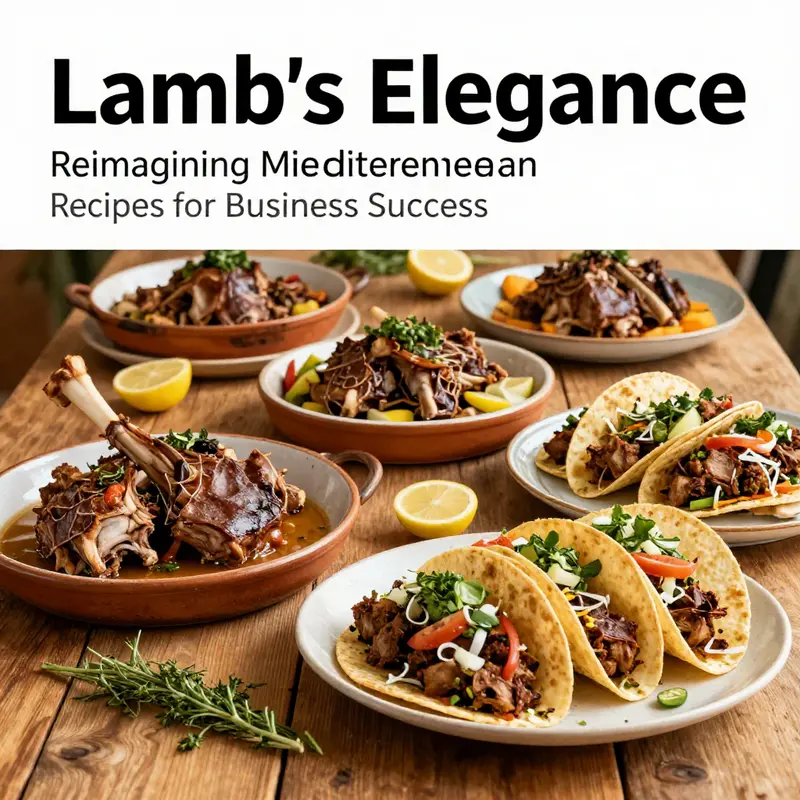
Mediterranean cuisine is renowned for its rich culinary heritage, with lamb holding a prestigious place as a favored protein. This article delves into the two facets of Mediterranean lamb: classic dishes that define the region’s culinary landscape and innovative approaches that modernize these staples. Business owners seeking to elevate their menus and cater to evolving consumer tastes will find inspiration in these chapters. The exploration of traditional lamb recipes will emphasize the significance of time-honored techniques, while modern twists will demonstrate how adaptability can lead to new opportunities.
Lamb at the Heart of the Mediterranean Table: Classic Dishes, Shared Journeys, Timeless Techniques
Lamb, in the kitchens of the Mediterranean, is less a cut of meat and more a living thread that weaves hillside herbs, coastal breezes, and long afternoons into meals that feel both historic and immediate. Across sunlit valleys and crowded markets, the animal’s rich, slightly mineral sweetness becomes a canvas for the region’s aromas: garlic and lemon brightening the savory depth; olive oil curling its edges into glossy fat; and a chorus of herbs—rosemary, thyme, oregano—that lift without masking. The Mediterranean approach to lamb is not about flash but about patience, balance, and a quiet confidence in how time can transform simple ingredients into something deeply memorable. It is a cuisine that respects the meat’s own maturity while inviting seasonal accompaniments to do the talking. In this sense, lamb is less a main course than a narrative thread that carries you through kitchens, stories, and generations of cooks who have learned to coax tenderness without surrendering character.
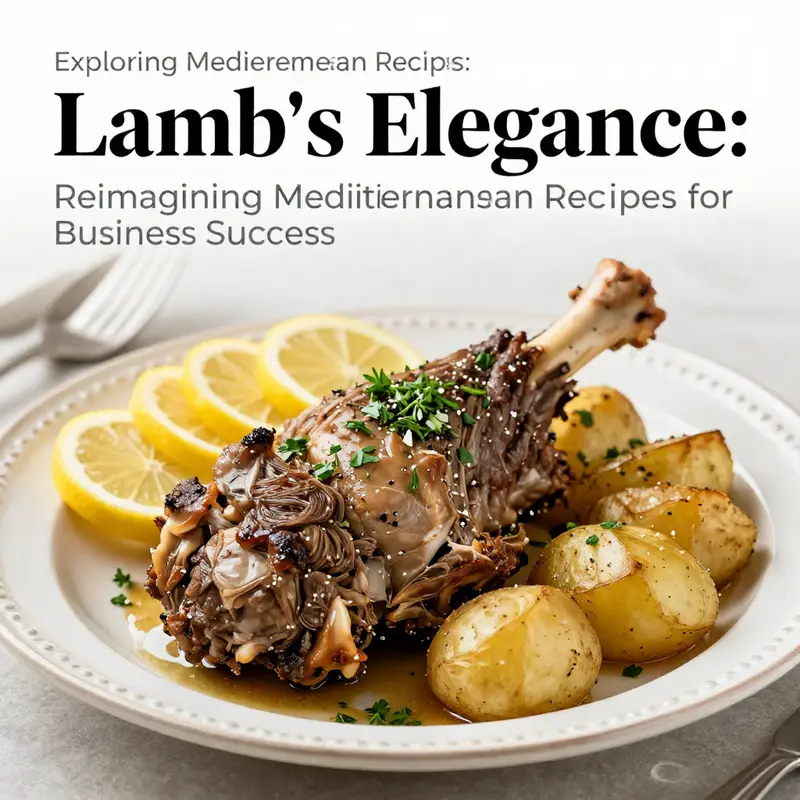
This chapter centers not on quick, high-heat fixes but on the patient craft that defines Mediterranean cooking. The hallmark is slow cooking—whether in a clay pot, a sturdy Dutch oven, or a modern slow cooker—so the meat unravels with the ease of a whispered secret. The philosophy is simple: seal in moisture, allow the lamb to meet its cohabitants—garlic, citrus, olives, tomatoes, and a bouquet of herbs—and let the pot do the talking. In many homes, a dish like Slow Cooker Greek Lamb Kleftiko becomes a touchstone: the lamb melts into its juices, the potatoes soak up the savory stream, and the kitchen fills with a fragrance that seems both celebratory and intimate. Here, time is not a villain but an ally, patiently coaxing a bold, robust flavor into a tender finish that feels almost ceremonial in its generosity.
In practice, this means layers of flavor built through thoughtful searing, then slow braising in stock or wine, with aromatics that bloom rather than overwhelm. The lamb’s natural meaty warmth invites herbs that echo both land and season. A rib of rosemary might cling to the surface, its resinous needles releasing a piney, lemon-kissed perfume as the meat rests. Oregano, with its sunny, thyme-like bite, adds an herbal brightness that doesn’t compete but complements. Garlic, never loud, melts into the fat, releasing mellow sweetness that stretches across the palate. A squeeze of lemon, sometimes added at the end to brighten the depth already formed, lifts the dish into a modern freshness without sacrificing tradition. The vegetables that accompany the main piece—potatoes in Kleftiko, or tomatoes and robust greens in Sicilian stews—are not mere add-ons; they are integral, absorbing the meat’s juices and sharing in the meal’s sustained savor.
The Slow Cooker Greek Lamb Kleftiko offers a particularly vivid example of the region’s slow-cooked philosophy. Though traditionally enshrined in parchment or wrapped in foil, the modern interpretation captures the same spirit: a leg or shoulder bathed in olive oil, garlic, and citrus, sealed to trap steam and flavor, and left to surrender its fiber to gentle heat until the meat flakes away at the touch of a fork. The potatoes—often cut into generous portions and tucked into the braise—suck up the gravy, converting every bite into a union of succulent meat and starchy absorbency. This is the core of Mediterranean technique in practice: simple, honest ingredients elevated by restraint and time. The dish does not shout; it speaks in a warm, confident voice that respects the animal and the cook alike. It is a reminder that Mediterranean cooking thrives on the friendly alliance between nature’s bounty and human patience.
Regional variety is where the broader tapestry becomes truly rich. In Turkey, kuzu kebabı presents lamb in a different light—the meat marinated, then grilled over open flames to accentuate its natural succulence. The fire’s intensity sears quickly, locking in juices while leaving the interior tender and rosy. The technique celebrates a direct, elemental approach: meat meeting flame, with a salt kiss and a few bright herbs to finish. In Spain, lechazo asado embodies a different art form—roast suckling lamb that is praised for its delicate texture and pale, almost porcelain crumb. The emphasis here is on the purity of the meat’s flavor and the value of high-quality, minimally invasive preparation. The focus is not to overwhelm but to reveal the lamb’s intrinsic sweetness through careful roasting and the gentlest of seasonings.
Lebanon’s mansaf offers a contrast with its lush yogurt-tang that sheets over a bed of rice, blending textures and flavors in a single, communal presentation. The dish tells a story of hospitality, with the lamb’s richness tempered by tangy dairy and the bright, clean finish of citrus and herbs. It’s a reminder that the region’s palate often invites contrasts—creamy, sour, savory, and bright—into a single, harmonious plate. In Sicily, cucuzza con agnello threads lamb into rustic, earthy territory—tomatoes, wild herbs, and garlic joining forces with the meat to create a slow, melty integration that feels like a kitchen window open to a sunlit hillside. Here, the lamb does not stand apart; it becomes part of a landscape, mingling with vegetables and herbs in a dish that embodies a pastoral simplicity with a deeply rooted sense of place.
The diversity across these regions underscores a shared ethic: respect for time, reverence for seasonality, and a fundamental belief in using ingredients that are local, fresh, and responsibly sourced. In modern kitchens, these values translate into careful sourcing choices—grass-fed, pasture-raised lamb when possible—and an attention to the ethical implications of meat production. Chefs and home cooks alike increasingly seek farms and markets that foster sustainable practices, recognizing that the best Mediterranean lamb dishes begin with animals raised in harmony with the land. This shift is a natural extension of the cuisine’s history: a cuisine that has always adapted to local resources, whether by grilling over open fire in Turkey, slow-roasting in Castilian ovens, or braising until the meat yields to the fork. Across these variations, the method remains a patient conversation, not a hurried command.
For readers seeking authentic ideas and a breadth of inspiration, a curated collection of Mediterranean lamb recipes on a trusted cooking journal provides a valuable starting point. It invites experimentation while preserving the core ethos: let the meat speak, season with restraint, and embrace the payoff of time. A reliable entry point is the blog’s own compilation of Mediterranean Lamb Recipes, which gathers a spectrum of regional interpretations—from tagines to kebabs to braises—into a single, accessible resource that honors both tradition and modern cooking environments: Mediterranean Lamb Recipes. This gateway doesn’t replace regional cookbooks or grandmother’s notes; it complements them, offering modern home cooks a pathway to recreate the soulful simplicity of classic dishes with confidence and ease.
Even as the stove cools, the memory of the meal lingers. The lamb’s aroma, the lemon’s zing, and the herbs’ aromatic whispering linger on the palate, inviting another bite and another thought about how Mediterranean cuisine travels through people and places. The shared meals around lamb reveal a cultural narrative—one where regional distinctions are celebrated not as barriers but as bridges. The Turkey over fire, the Spanish oven, the Lebanese yogurt-touched plate, and the Sicilian pot all echo a common language: a language spoken in a circle of family and friends, where each piece of meat carries a story and every sauce ties it to a larger landscape.
As home cooks, we learn to balance instinct with technique. We recognize the virtue of patience: to coax tenderness with gentle heat, to allow tomatoes or potatoes to soak in the braising liquid rather than crowding it out. We listen to the meat’s signals—the moment it yields and flakes, the way its surface darkens to a warm caramel, the way the juices thicken into a glossy glaze. We consider the finish: perhaps a bright squeeze of lemon or a final scatter of fresh herbs, to remind the palate that the dish is not merely heavy sustenance but a celebration of season, place, and memory. The chapter of lamb in the Mediterranean is ongoing, written not only in recipes but in the rituals of sharing a plate, the clinking of forks, and the exchange of stories that follow a single, satisfying bite.
For readers who want a broader, more structured catalog of Mediterranean lamb ideas, the broader reference works and recipe collections provide dependable guidance and historical context. A well-curated external resource offers a wide array of tested dishes and practical tips that speak to both novice cooks and seasoned chefs, ensuring accessibility without sacrificing authenticity. External resource: https://www.bbcgoodfood.com/recipes/category/mediterranean/lamb
Lamb Reimagined: Time-Honored Mediterranean Techniques Meet Modern Flair
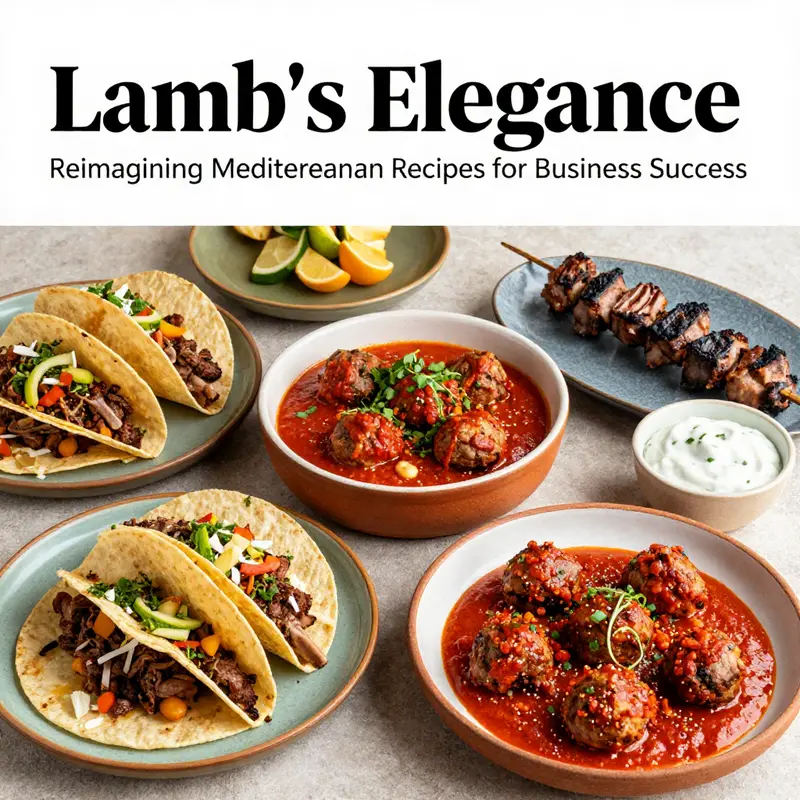
Lamb has long held a privileged place in the kitchens of the Mediterranean, where the meat carries the warmth of sunlit hills, the sea’s bright pull, and a history that runs as deep as olive groves. In traditional practice, lamb lends itself to slow, patient cooking: braises, roasts, and stews that coax tenderness and deepen flavor. Yet within that rooted cuisine, modern cooks are reimagining methods and pairings to respect the past while inviting new textures, tempos, and palettes. The result is a dialogue between time-honored technique and contemporary craft, a tapestry in which lamb remains a steadfast focal point even as its identity shifts under the hands of innovation.
The essence of the modern approach lies in how flavor is built and carried to the table. A classic Greek-style preparation might rely on long, gentle heat with garlic, oregano, and lemon brightness that lifts the richness. Contemporary reinterpretation keeps these elements but reframes them: a bright mint and garlic pesto can replace heavier marinades, coating the meat with a quick, vibrant envelope that sears on the grill and finishes with smoke. The technique is simple yet profound: a blitz of fresh mint, garlic, and olive oil coats the meat, infusing it with a green, aromatic perfume before it meets the heat. The result is a lighter, immediate flavor that still honors the region’s herb-forward pantry and keeps the meat juicy for weeknight meals or vibrant gatherings.
The use of citrus, olives, and brine also shifts in modern practice. In classic cooking, lemon zest and juice cut through fat; olives provide a briny backbone. A contemporary twist might marinate lamb medallions in a bright olive juice, lemon zest, and orange zest blend, letting citrus peel push forward while olives add soft earthiness. This approach heightens the contrast between fat and acid, creating a savory-sour balance that feels fresh yet anchored in regional flavors. The meat absorbs citrus notes as it sears, the crust browning to release rosemary, thyme, and oregano mingling with zest and brine. It is not a departure from the region’s spirit but an amplification of its linguistic palate, where boldness meets balance in a single bite.
Spice, too, has found a more articulate voice. Cumin, a cornerstone of Middle Eastern and North African kitchens, brings earthy heat that harmonizes with lamb’s gaminess. A contemporary rendition blooms cumin seeds in hot olive oil, releasing a nutty oil that coats the pan and meat as it sizzles. The aroma guides the eater toward dishes that feel exotic yet familiar, like spiced lamb meatballs baked until golden and finished with a tahini-lemon sauce that is silken and bright. The meat remains tender, carrying warmth without overwhelming the palate, while tahini adds a creamy depth that stretches the sauce into a small, luxurious moment on the plate.
A further thread is the use of sausage, reimagined for new contexts. Lamb sausage—ground meat seasoned with herbs and fat—belongs not only on skewers or in stews but also as a vehicle for surprising applications: ravioli fillings punctuating lemon-tahini sauces that thread through roasted vegetables and grains, or grain bowls where roasted vegetables, peppery greens, and pomegranate molasses join pockets of sausage for bursts of savoriness amid sweet-tart fruit. The aim is not novelty for novelty’s sake but new textures and presentations that the same ingredient can support—soft pasta, crisp edges, creamy sauces, bright citrus—without losing the meat’s richness.
Technique anchors tradition in a modern light. Techniques such as spice blooming—where spices toast quickly in oil to unlock essential oils—are not only about maximizing flavor but about telling a story more evocatively. A methodically bloomed spice mix can perfume olive oil that coats chops or meatballs, infusing the meat with layered aroma as it cooks. The dish’s plating invites lingering fragrance before the first bite. Herbs, too, can be used to bright effect: a pesto heavy with mint and garlic, draped over a sizzling skewer, offers a verdant bite that feels both Mediterranean and contemporary. The result is a dish that is visually appealing and deeply satisfying–an edible memory of summer, sea air, and hillside terraces.
Modern lamb cuisine also embraces accessibility and sustainability. Olive oil remains the unsung hero, carrying fat and flavor and acting as the vehicle for aromas during browning, simmering, and finishing. Lemons and oranges provide brightness; oregano, thyme, and rosemary lend a sense of place. When meat itself is chosen with care, the dish feels indulgent without waste. This balance is at the heart of the Mediterranean approach and underpins contemporary reinterpretations that illuminate how lamb can adapt to modern kitchens while keeping the soul of the region.
For readers seeking concrete direction within this broader conversation, a curated collection of Mediterranean lamb recipes can offer practical examples of these principles in action. A well-organized set moves along a continuum—from quick, weeknight-friendly dishes to slower, more deliberate experiences—each built on olive oil, citrus, and herbs. The most successful twists treat the pesto, spice bloom, or citrus note as a thread tying the dish together rather than the sole focal point. A link to a curated set of Mediterranean lamb recipes provides a gateway to seeing how these ideas translate into real kitchen practice across contexts and seasons: https://meatrecipesblog.com/mediterranean-lamb-recipes/.
The kitchen is a cultural crossroads, and modern lamb dishes reflect a broader consciousness: how we source, preserve, and share. A simmering sauce reduced to a glossy finish speaks to care and patience; a bright herb pesto signals speed without sacrificing depth. A meatball or ravioli pocket yields to a tahini-lemon sauce, revealing how texture can be a vehicle for memory—the markets, citrus groves, and communal meals that shape the Mediterranean table. These twists honor the old world by letting it breathe in new spaces, letting lamb travel across cuisines and continents while staying true to its core identity.
As the chapter moves forward, the thread connecting every dish is clear: lamb, treated with thoughtful technique and balance, becomes a conduit for aroma, color, and texture. Modern twists do not erase tradition but write it anew, letting innovation and memory converse at the table. This is how Mediterranean cooking evolves with time while keeping its roots visible. A wider compilation of Mediterranean lamb recipes offers inspiration and practical execution for home cooks seeking to bring these principles into daily life. The journey is as much about technique as memory, and cooking lamb in the Mediterranean tradition today is participating in a living dialogue between past and present.
Note: External resource for further context can be explored at the linked site.
Final thoughts
The exploration of lamb within Mediterranean cuisine presents an opportunity for business owners to enhance their culinary offerings. By understanding the traditional roles of lamb in classic dishes, businesses can ensure authenticity while appealing to tradition. Meanwhile, embracing innovative techniques and contemporary flavor profiles allows for menu evolution that captures modern consumer preferences. The balance of maintaining culinary tradition while exploring innovation can lead businesses toward greater success in today’s diverse dining landscape.