
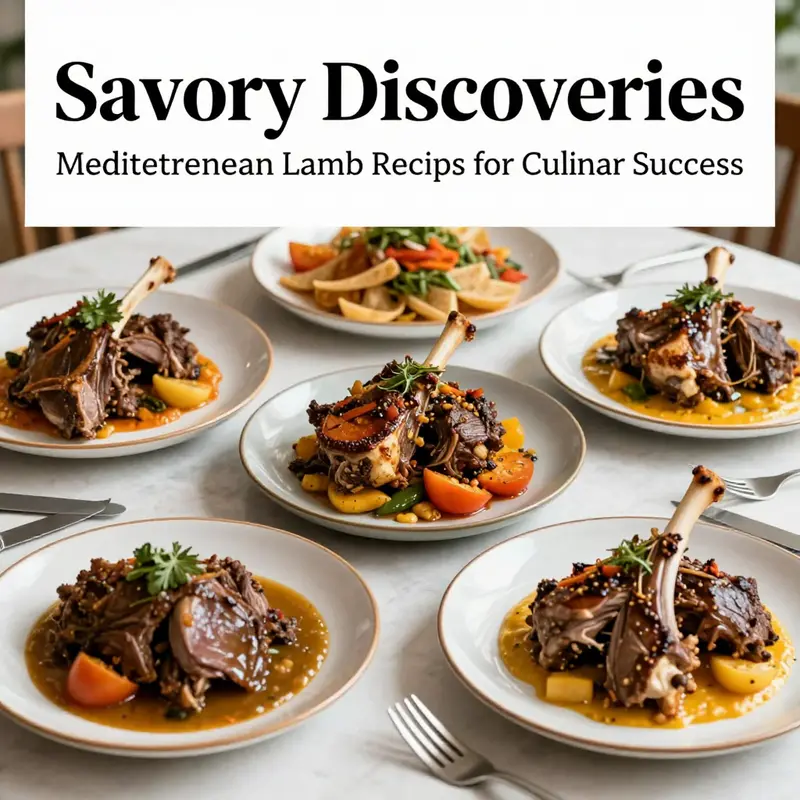
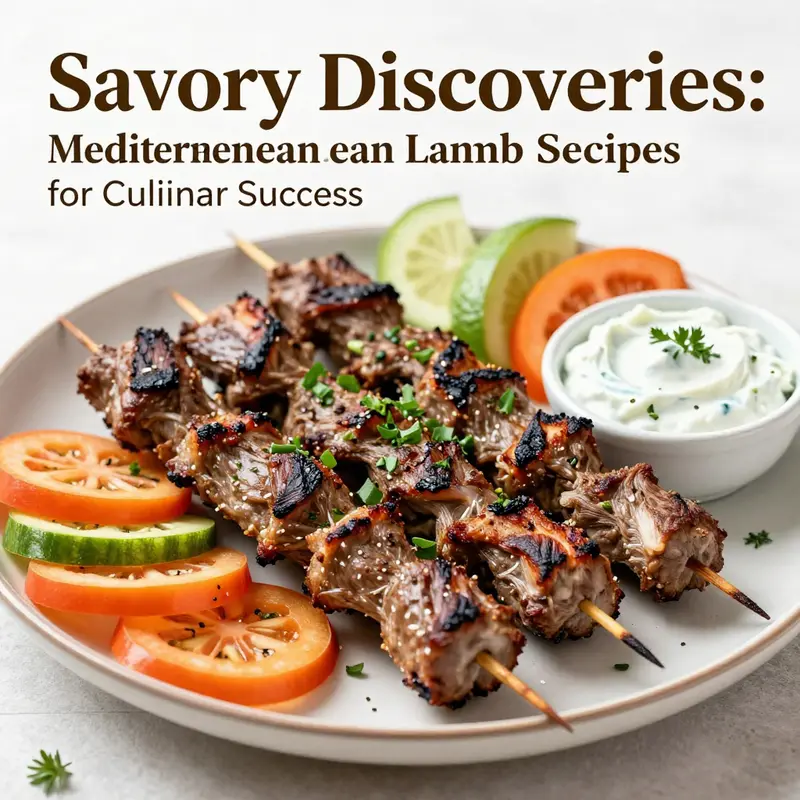
Mediterranean lamb recipes encapsulate centuries of culinary traditions that reflect the rich tapestry of cultures found throughout this vibrant region. Renowned for their bold flavors and wholesome ingredients, lamb dishes stand out as staples that not only nourish but also connect communities. This exploration into Mediterranean lamb recipes serves as a resource for business owners seeking to diversify their cuisine offerings. We will delve into the art of Greek-style grilled lamb skewers, the aromatic Moroccan lamb tagine, and the classic Lebanese lamb kibbeh—each recipe a celebration of historical significance and nutritional value. As we explore the unique preparation methods and the cultural stories behind each dish, you’ll gain insights into how incorporating these recipes into your menu can enhance your culinary identity while appealing to health-conscious consumers.
null
null
Slow-Simmered Splendor: Moroccan Lamb Tagine as a Signature Mediterranean Classic
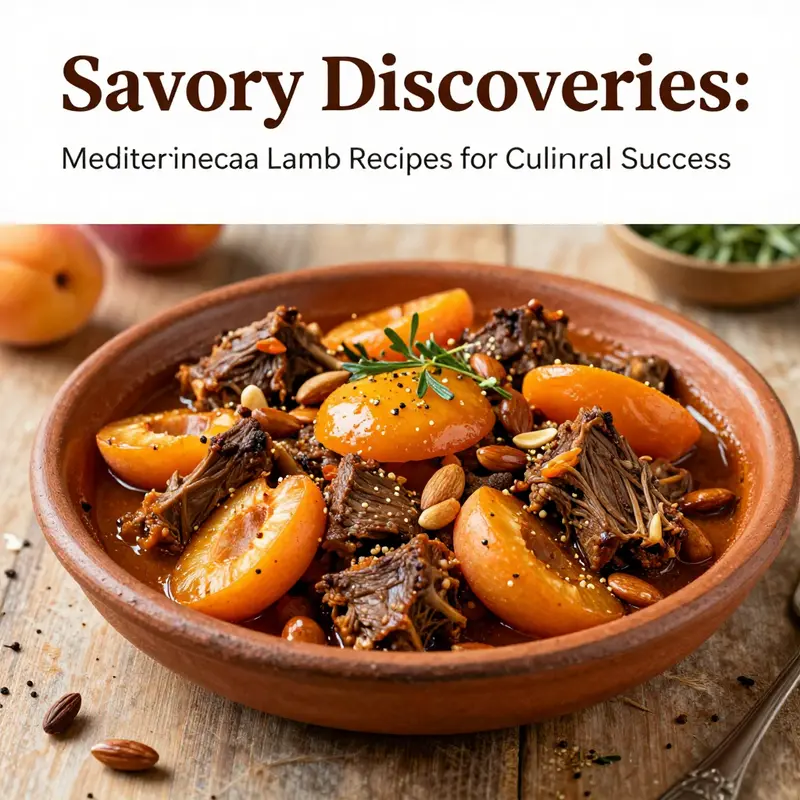
Moroccan Lamb Tagine with Apricots and Almonds sits at the crossroads of spice markets and sun-warmed coasts that define the Mediterranean diet. It is one of those signature dishes that instantly signals hospitality and memory, a recipe families have perfected and passed down through generations. The dish owes its name to the clay tagine, a shallow base with a tall conical lid. The lid traps steam, returns it as condensation, and braids aromatics back into the meat. When the lamb meets this environment, its flavor deepens in quiet, almost alchemical ways. The apricots offer soft sweetness that harmonizes with savory currents of onion and lamb, while almonds add a toasty crunch that stays with you after the last spoonful. Begin with generous olive oil coaxing the onions until they turn translucent and sweet; garlic follows, then saffron threads that color the sauce with a perfume that is hard to resist. Cinnamon and ginger join the party, warming the background without shouting over the meat. Lamb chunks are browned to a rich caramel color, a step that seals in juices while developing a crust with texture. Dried apricots plump in the simmering juices, their citrusy-peach tang cutting through the meat’s richness. Almonds, lightly toasted earlier, are folded in for crunch and nutty depth. The sauce thickens as the lamb releases juices and the fruit dissolves slightly, creating a glossy glaze that clings to every morsel. It is a deliberate layering of contrasts: the soft succulence of lamb, the chewy bite of apricot, the crisp almond, and the aromatic warmth that lingers on the palate. The technique of slow cooking matters more than most imagine; the tagine or its modern equivalent should maintain a gentle simmer, never a boil, to prevent the meat from tightening. Patience here is virtue; the low heat gives the lamb time to surrender connective tissue while the sugars from apricot and saffron intensify the glaze. The sauce reduces into a lacquer that envelopes the meat, rather than a thin braise. A subtle balance of salt, pepper, and a splash of citrus via onion’s acidity or preserved lemon keeps the sweetness from tipping into cloying. If you need extra brightness, a tiny spoon of lemon juice added near the end can lift the sauce without breaking its harmony. Cooks can adapt by swapping figs for apricots or by adding a handful of chopped parsley for color and herbal lift. For a quick reference to another beloved lamb preparation, consider the simpler, garlic-forward profile of garlic-lamb-chops. From a nutritional perspective, lamb brings protein density that supports a balanced plate when paired with the Mediterranean pantry. Olive oil, onions, herbs, legumes, and whole grains provide fiber, micronutrients, and heart-healthy fats. This tagine embodies that philosophy by turning a richer cut into a slowly coaxed, fiber-friendly centerpiece. The spice blend—cinnamon, ginger, saffron—delivers aroma with minimal need for heavy sauces, allowing the natural flavors of meat and fruit to shine. The dish’s sweet-sour balance is a microcosm of Mediterranean cooking, which often marries seasonality with a touch of sweetness to produce depth without heaviness. Serving the tagine with fluffy couscous or crusty bread makes the sauce sing, while a fresh salad or lightly dressed greens adds contrast to color and texture. Optional accompaniments like olives or a spoon of yogurt offer tang to lighten the finish. In the broader landscape of Mediterranean lamb recipes, this dish stands as a vivid representation of how regional ingredients, historical trade, and home cooking converge into a single, comforting meal. It also invites curious home cooks to explore related flavors without feeling obliged to recreate every tradition exactly, keeping the spirit of regional identity alive in today’s kitchens. Ultimately, the Moroccan Lamb Tagine with Apricots and Almonds is about more than a single recipe; it is a gateway to understanding how a continent can blend sweetness and savor, how slow cooking can transform tough cuts into jewels of texture, and how a bowl of steamy tagine can anchor a community around the table. The combination of meat, fruit, and nuts reflects a culinary conversation across the Mediterranean—one that respects seasonality, honors craft, and nourishes both body and memory. This chapter’s focus on a signature dish underscores a broader truth: Mediterranean lamb recipes are not merely about technique but about identity, health, and hospitality. The pot’s aroma becomes a signal of welcome, inviting both longtime cooks and curious newcomers to participate in a shared, evolving tradition. External resource: BBC Good Food Moroccan Lamb Tagine with Apricots and Almonds.
Kibbeh and the Heart of the Levant: Lebanese Lamb Kibbeh as a Window into Traditional Flavors
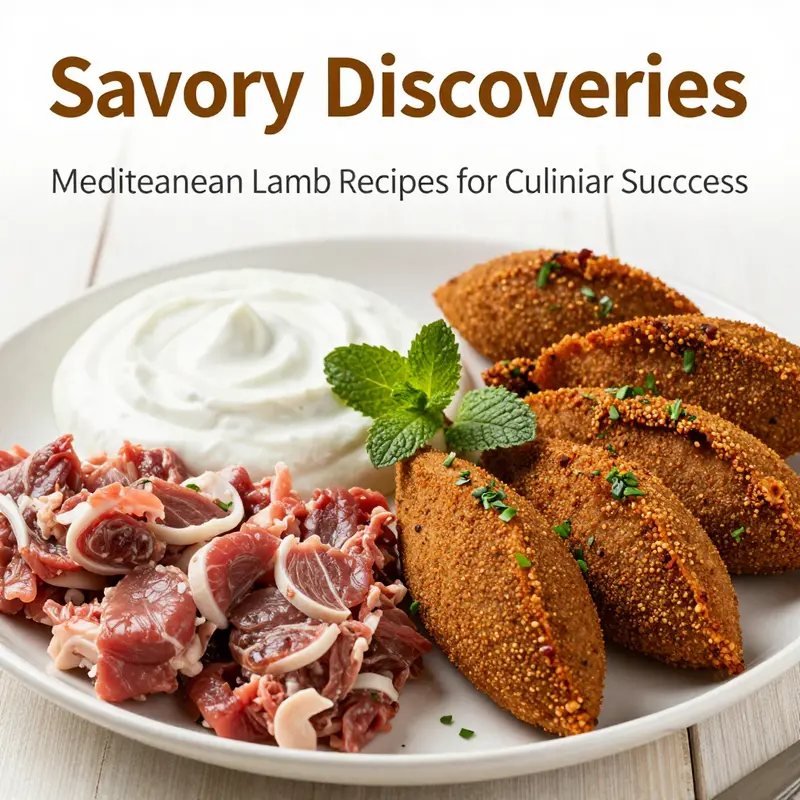
Lebanese lamb kibbeh sits at the crossroads of grain, meat, and spice, a dish that does more than fill a plate. Its core is minced lamb, bulgur, and a chorus of warm spices, bound with toasted pine nuts for crunch. The texture rests between a tender interior and a crisp exterior, a balance achieved by careful grinding, soaking bulgur, and mixing until just cohesive. Aromatic spices such as cinnamon and allspice lend warmth without overpowering the meat’s savor, while the pine nuts deliver bursts of richness and texture. The mixture can be shaped into ovals or football-like forms for sharing, or baked for a lighter, more approachable centerpiece. Kibbeh nayyeh offers a raw variation in festive settings when prepared with clean ingredients and careful handling, highlighting the dish’s roots in hospitality and tradition. Sauces—a tangy yogurt dip brightened with lemon, or a simple lemon-herb dressing—brighten the palate and balance the fat and spice. More than a recipe, kibbeh is a social act, a memory carried from markets and family kitchens into every meal that gathers around the table.
Final thoughts
Incorporating Mediterranean lamb recipes into your menu not only diversifies your culinary offerings but also elevates the dining experience by connecting customers with rich cultural narratives. Each of the highlighted dishes reflects a unique aspect of Mediterranean heritage, from the smoky hints of grilled souvlaki to the aromatic spices of Moroccan tagine and the wholesome flavors of Lebanese kibbeh. As consumers increasingly seek out not just nutrition but stories behind their meals, these lamb recipes provide a gateway to engage their palates and imaginations. Embracing these vibrant dishes can position your business as a leader in Mediterranean cuisine while celebrating the health benefits and culinary traditions that this rich region has to offer.