
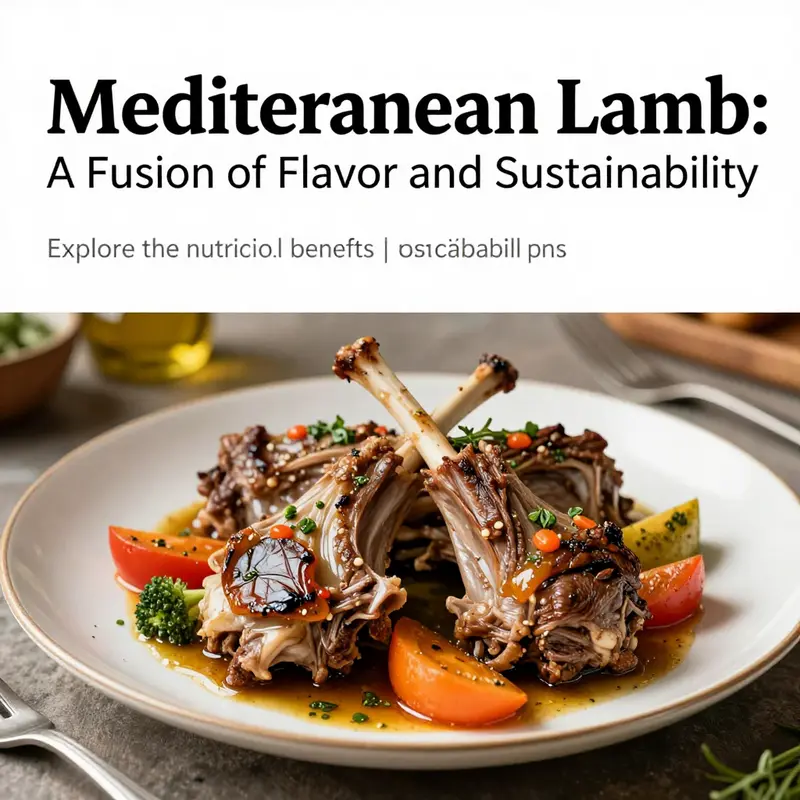
Mediterranean lamb, raised on lush pastures in picturesque landscapes, offers a rich tapestry of flavors and health benefits. Recognized for its exceptional taste and tender texture, this lamb not only elevates culinary experiences but also embodies a sustainable approach to agriculture. Each chapter of this exploration unveils the nutritional advantages of Mediterranean lamb, delves into the diverse culinary traditions surrounding its preparation, and highlights the sustainable practices that contribute to its esteemed status. Together, these insights form a holistic understanding of Mediterranean lamb, perfectly suited for businesses looking to enhance their offerings in a health-conscious market.
From Pasture to Plate: The Nutritional Rhythm and Health Promise of Mediterranean Lamb
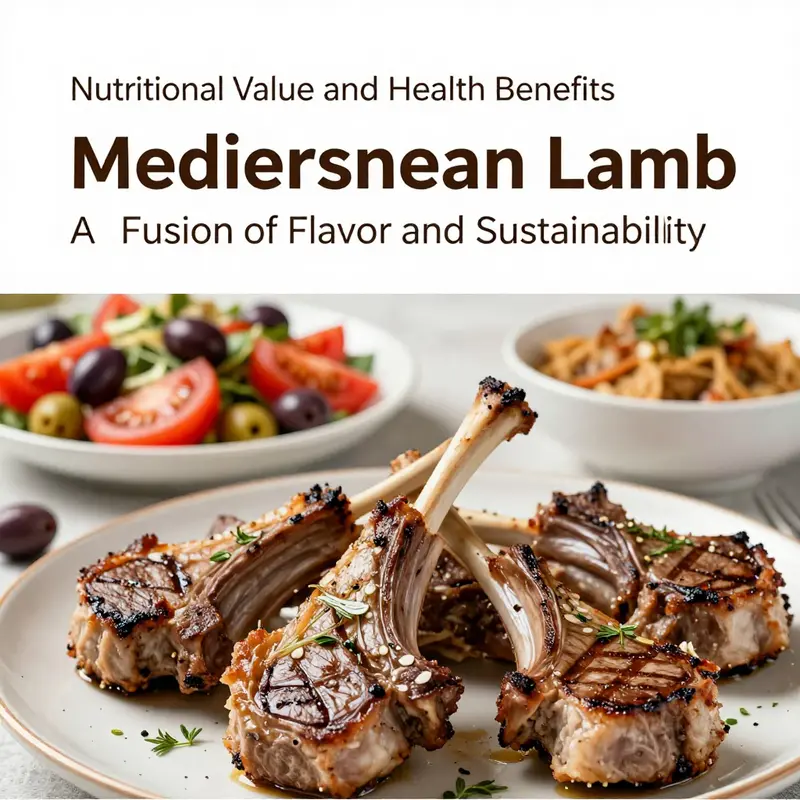
Lamb raised on the sun-drenched landscapes of the Mediterranean carries more than aroma and tenderness; it embodies a nutritional story written by diverse pastures, seasonal herbs, and time-honored farming practices. The meat’s character emerges from sheep that graze on herb-rich ranges, where wild thyme, oregano, rosemary, and a mosaic of wild greens mingle with cultivated forage. That connection to place matters not only in flavor but in the balance of nutrients that reach the table. A representative serving—about 175 grams of oven-cooked lamb fillet paired with Mediterranean vegetables—offers a compact snapshot of this balance. It delivers approximately 219 kilocalories, with a protein punch around 14.3 grams, a modest fat level near 10.75 grams, and about 15.8 grams of carbohydrate. The dish also supplies roughly 7.7 grams of natural sugars and around 3 grams of dietary fiber, with sodium hovering near 970 milligrams. Those numbers reflect a meal that is hearty yet mindful, a hallmark of the Mediterranean approach to meat that honors flavor as a driver of nutrition, not just indulgence.
The macro picture that accompanies this standard serving is telling. About 45 percent of the calories come from fat, 29 percent from carbohydrates, and 26 percent from protein. This distribution mirrors the tradition of cooking with ample herbs, olive oil, and vegetables that contribute carbohydrates and fiber while enabling lamb’s fats to play a flavorful, satiety-enhancing role. The fats themselves are notable for their composition. Mediterranean lamb tends to have a relatively low intramuscular fat content, which helps keep the atherogenic index lower than might be seen in some other red meats. In practical terms, this translates to a meat that delivers richness without an overwhelming saturate-to-lean ratio, supporting a heart-conscious eating pattern when the rest of the plate is built around vegetables, legumes, and whole grains.
A closer look at the fat profile reveals more than just reduced saturated fat. The lamb from traditional Mediterranean systems tends to have a higher proportion of polyunsaturated fatty acids, including omega-3s, compared with other sources of red meat. This fatty-acid balance aligns with what many researchers and nutrition guides associate with cardiovascular health benefits, particularly when paired with the broader Mediterranean dietary pattern that emphasizes plant foods, olive oil, and seafood. Conjugated linoleic acid (CLA) is another distinctive feature of ruminant meat. While research on CLA has primarily highlighted animal and laboratory settings, the presence of CLA in lamb is often cited as a potential factor in anticancer and anti-inflammatory contexts, alongside its contributions to fat composition and energy metabolism. Together, these fat characteristics help explain why Mediterranean lamb is frequently framed as a protein source that can fit within a balanced, heart-healthy dietary approach.
Beyond fat, the protein quality of Mediterranean lamb is a strength worth noting. The muscle tissue provides high-quality protein that supplies essential amino acids in proportions favorable for muscle maintenance, repair, and metabolic function. This makes a dish built around Mediterranean lamb not only flavorful but satisfying for longer periods, supporting energy balance and lean tissue health across meals. The protein density also complements the plate’s plant-based elements, which, when paired with vegetables and whole grains, contribute to a nutrient-dense meal that supports broader wellness goals.
Sodium, however, is a factor to mindfully consider. A serving of this type carries roughly 970 milligrams of sodium, which is meaningful for individuals monitoring salt intake due to hypertension, kidney concerns, or dietary guidelines that call for moderation. In practical cooking, this means embracing flavor strategies that reduce added salt while preserving depth: a squeeze of lemon, a splash of herb-infused olive oil, roasted garlic, or a brush of herb paste can amplify savor without driving sodium higher. Such adjustments, paired with the natural flavors of the lamb, vegetable medley, and tomatoes typical of Mediterranean preparations, demonstrate how the same protein can be enjoyed as part of a balanced plate without compromising taste or nutrition.
Culinary practices are inseparable from this nutritional story. The classic oven-cooked lamb fillet with vegetables and tomatoes embodies a synergy of texture, aroma, and nutrition that translates into a satisfying, seasonal dish. The vegetables contribute fiber, micronutrients, and complex carbohydrates that slow digestion and promote steadier energy release. Tomatoes, in particular, add natural sweetness along with lycopene and other phytonutrients that may support health beyond basic nutrition. When you marry the meat’s richness with the brightness of vegetables and the fragrant lift of Mediterranean herbs, you create a dish that speaks to both tradition and modern dietary ideals: flavor-first cooking that remains aligned with nutrient density and portion control.
From a sustainability perspective, the story of Mediterranean lamb extends beyond the plate. The pastoral systems that support traditional Mediterranean lamb production are often ecologically attuned, emphasizing biodiversity, soil health, and resource stewardship. In the long view, these practices connect meat quality to ecological preservation and cultural heritage, reinforcing the idea that food can be a bridge between palate and planet. Conservation-minded management of grazing lands helps protect plant communities and pollinators, maintain soil structure, and support resilient farming landscapes. Such stewardship is not merely a side note but a defining attribute that contributes to the intrinsic quality of the meat and the communities that raise it.
For readers curious about practical, flavor-forward ways to explore this meat, the culinary path is wide and inviting. A range of Mediterranean lamb recipes is available that highlight regional spices, vegetables, and cooking methods that preserve tenderness and depth while keeping nutrition in view. For those seeking ideas and variations, see the collection of Mediterranean lamb recipes, where traditions meet contemporary cooking and the ingredients remain true to the land that fed the flock. https://meatrecipesblog.com/mediterranean-lamb-recipes/. This resource offers accessible inspiration for weeknight meals and special-occasion dishes alike, helping home cooks translate the science of nutrition into everyday meals that satisfy and nourish.
Looking beyond the kitchen, the conversation about Mediterranean lamb invites a broader reflection on how dietary choices connect with health outcomes and ecological well-being. The combination of leaner fat profiles, favorable fatty-acid balance, and nutrient-dense protein makes this meat a compelling option for those who aim to balance flavor and heart health without sacrificing satisfaction. The sodium consideration remains a practical reminder that even wholesome meat needs thoughtful preparation and mindful seasoning to fit into a pattern of long-term healthful eating.
For readers who want to explore further the sustainability and nutritional characteristics of such meat, a foundational resource on conserving natural resources in Mediterranean lamb production provides valuable context. The European Association for Animal Production’s study on conservation practices in the Mediterranean area articulates how pastoral systems contribute to biodiversity and soil health while maintaining the unique qualities of the meat. It offers a broader framework for understanding why Mediterranean lamb can be both delicious and responsible, a pairing that honors cultural heritage while supporting ecological balance. External reading: Conservation of Natural Resources in Mediterranean Lamb Production (EAAP, 2006) — https://www.eaap.org/publications/eaap-publication-119/.
Herbs, Hearth, and Heritage: The Living Flavor of Mediterranean Lamb
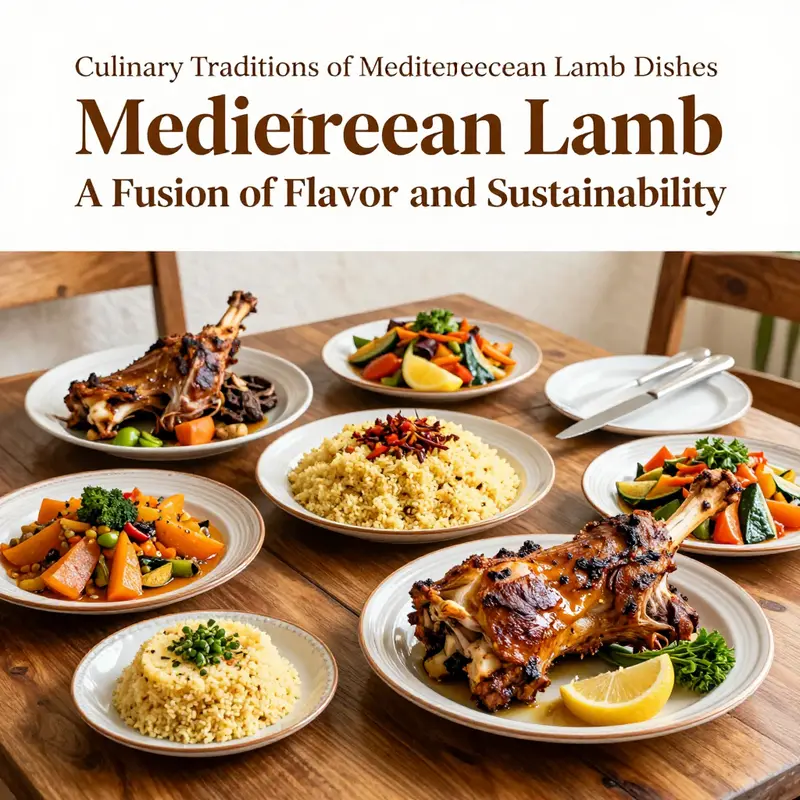
Lamb in the Mediterranean is more than a centerpiece on a plate; it is a dialogue between land, season, and memory. The animals graze on herb-rich pastures that drift across sun-warmed hills from Spain to Greece, from the Italian coast to southern France. This is a region where weather, soil, and forage converge to endow meat with a depth that is both rustic and refined. The result is a lamb that carries the scent of thyme and rosemary in the breeze, the sweetness of wild greens in early spring, and the quiet resilience of shepherds who know how to coax flavor from simple ingredients. A typical serving in this tradition—about 175 grams of lamb with vegetables—offers a compact but vivid snapshot of the diet’s balance. It can provide roughly 219 calories, with protein around 14.3 grams, fat near 10.75 grams, and carbohydrates in the vicinity of 15.8 grams. The sodium level hovers around 970 milligrams. Those numbers reflect more than nutrition; they reveal a philosophy of mindful eating where fullness comes from the careful pairing of meat, vegetables, and grains that honor texture and seasonality. The Mediterranean approach does not seek oversized sauces or heavy embellishment but rather a coherent, honest presentation of ingredients whose quality shines through when left to their own devices.
Culinary practice in this tradition rests on a few simple yet powerful ideas: the synergy of oil, herb, and heat; the patient creation of aroma through slow infusion; and the artful use of herbs as a means of flavor amplification without masking the meat’s own character. Olive oil, with its gentle sweetness, acts as both a cooking medium and a carrier of aroma. The herbs—rosemary, thyme, oregano, and mint—are more than seasonings; they are agents of chemical harmony. When lamb meets these aromatics, volatile compounds like carvacrol in oregano, thymol in thyme, and eugenol in rosemary interact with the fat and connective tissues. This interaction helps mellow what some describe as a gamey note while enhancing savory umami and the release of savory compounds as the dish cooks. The chemistry explains why certain herb combinations endure through generations. Rather than drowning the meat in a sauce, traditional cooks rely on slow infusion and layering: a roast brushed with herbs at the start, then fresh greens or a bright finish added at the end to preserve essential volatile oils. The result is both aromatic and balanced, a dish that invites a second and third helping rather than demanding attention with intensity alone.
Across the southern European littoral, North Africa, and the Eastern Mediterranean, the cuisines around lamb translate geography into flavor. In Greece and southern Italy, a lamb fillet or shoulder might be rubbed with rosemary, garlic, and lemon zest before roasting over open flame or in a wood-fired oven. The lemon’s citrus lift brightens the deeper herbal notes and helps cut through fat, producing a clean finish that lingers pleasantly on the palate. In Lebanon and Syria, parsley, mint, sumac, and cumin bring a tangy brightness that steadies the richness of the meat and adds a crisp edge to the finish. Morocco introduces warmth through slow braises and tagines, where cinnamon, ginger, and saffron weave with savory and sweet notes to create a depth that unfolds over hours. Each variation is a story told with heat, time, and the careful hand of a cook who understands how to coax flavor from a few good ingredients.
What unites these regional expressions is a philosophy of flavor that values balance, restraint, and seasonal care. The practice relies on layering rather than layering on. A roasted lamb shoulder might begin with a straightforward rub—rosemary, garlic, olive oil—so that the herb oils permeate the meat as it rests. Then, as heat works its quiet magic, cooks add parsley or mint near the end to preserve their bright, volatile scents. Vegetables such as ripe tomatoes, peppers, zucchini, and onions are chosen not to overwhelm but to echo the meat’s richness with sweetness, acidity, and texture. The vegetables themselves are not mere sidekicks; they are integral participants in the dish’s flavor ecosystem. The culinary approach mirrors the Mediterranean diet’s broader principles: seasonal ingredients, moderate portions, and a preference for whole foods that allow flavor to emerge through simple preparations.
From a dining table perspective, this approach offers a meaningful balance of nutrition and pleasure. A representational, if typical, plate can demonstrate how a leg or shoulder of lamb paired with roasted vegetables aligns with current understandings of macronutrient balance. The carbohydrates from vegetables and grains provide energy that harmonizes with the protein from lamb, while the fat from olive oil supplies essential fatty acids and helps with the absorption of fat-soluble vitamins. Such a meal becomes a microcosm of sustainable eating: it relies on whole foods, capitalizes on natural flavors, and minimizes waste by using cuts and cooking methods that extract maximum value from the meat and vegetables available in a given season.
Sustainability sits at the heart of the lamb’s appeal in the Mediterranean context. Pastoral systems, as highlighted in long-running studies of Mediterranean animal production, emphasize ecological stewardship as an intrinsic quality attribute. Biodiversity on pasture, soil health, and careful land use are not ancillary concerns but core components of how the product acquires its character. Traditional practices foster ecosystems where herb-rich forages thrive, and where seasonal migrations or managed grazing patterns support resilience in the landscape. This environmental ethos translates to the kitchen: cooks who value these traditions often seek out meat that reflects responsible husbandry, where flavor and care for the land travel from pasture to plate with integrity.
For those looking to translate these ideas into home cooking, the practical routes are straightforward and rewarding. A curated collection of Mediterranean lamb recipes offers approachable variations that honor the same principles of balance, seasonality, and respect for ingredients. Home cooks can experiment with different herb wakes—roasting with rosemary and garlic one week, marinating in parsley, mint, and sumac the next—and see how small changes shift the aroma, intensity, and finish of the dish. The approach remains faithful to the idea that great lamb emerges through thoughtful preparation, not through heavy-handed sauces. In this sense, the cuisine embodies a philosophy of mindful, sustainable eating that foregrounds natural ingredients and patient technique. For readers seeking a direct, contemporary path to these flavors, a practical collection can be browsed here: Mediterranean lamb recipes.
The chapter also keeps an eye on science without losing its sense of place. The chemistry of herbs and fat helps explain why certain pairings endure, but the sensory experience remains central. The scent of rosemary seeping into a roasting joint, the citrus kiss of lemon, the brightness of mint, and the warmth of cinnamon in a tagine—all combine to create a flavor profile that feels both ancient and alive. It is a reminder that cooking, at its best, is a continuous conversation between memory and experimentation. The dishes speak of people who learned to read a landscape and, in return, were read by it. They remind us that food is not merely fuel but a language through which culture, ecology, and nourishment converge.
External resource for further context on the resource stewardship behind these practices can be found in scholarly work that documents how natural resource conservation shapes Mediterranean lamb production. See the conservation-focused study published by the European Association for Animal Production for a deeper understanding of how ecological stewardship informs quality and sustainability in pastoral systems: https://www.eaap.org/publications/eaap-publication-119/.
From Grazing Hills to Plate: Sustainability, Flavor, and the Future of Mediterranean Lamb
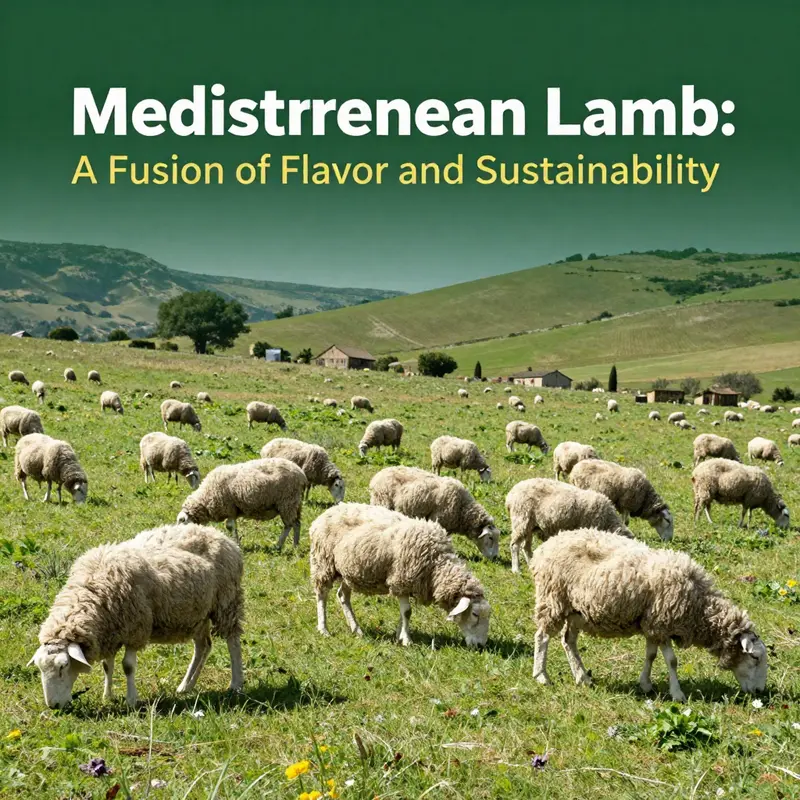
The story of Mediterranean lamb unfolds across sunlit hills and laboring hands, where traditional pastoral life meets modern curiosity about ecology, economy, and health. It is a story written in the language of aroma and texture as much as in soil health and grazing calendars. In this landscape, lamb emerges not merely as meat but as a living link between centuries of shepherding and contemporary questions about sustainable food systems. Across the Mediterranean basin, from Spain’s scrubby uplands and the rolling pastures of Italy to the Aegean slopes and the rugged, sun-burnished landscapes of southern France, lamb reared on diverse, herb-rich pastures carries a flavor that is inseparable from the land. The animal’s life is shaped by the varieties of grass, forbs, and little shrubs that nature offers in seasonal abundance, and by human choices that range from breed selection to grazing timing, from water management to market alignment. When we speak of Mediterranean lamb, the conversation naturally expands from taste to stewardship, from plate to landscape, because these animals are at once a culinary identity and a keeper of ecological rhythms. A typical serving that highlights this convergence—lamb fillet with a mosaic of vegetables and tomatoes, roasted or slowly braised—offers a microcosm of the region’s philosophy: nourishment that honors both satiety and sustainability. Nutritionally balanced and vibrant, such a meal can provide energy, protein, fats, carbohydrates, and fiber in a way that mirrors the Mediterranean diet’s emphasis on balanced portions and plant richness. A standard portion, around 175 grams of lamb with vegetables, can deliver roughly 219 calories, with protein contributing about a quarter of the energy, fats providing a little more than a third, and carbohydrates making up the remainder. This distribution—carbohydrates around 29 percent, fats near 45 percent, and protein about 26 percent—speaks to a tradition that favors sustaining meals built around flavorful lamb, vegetables, legumes, grains, and olive-oil–driven dressings, while still offering nuance in macronutrients that supports an active, diverse lifestyle. It is in this balance that Mediterranean lamb becomes a bridge between culture and health, between ancestral grazing patterns and contemporary cravings for tastier and more responsibly produced food. The ecological dimension is not an afterthought but a defining feature. In a landmark discussion of resources and landscapes, the idea that lamb production is inseparable from conserving natural resources gains traction when we look at how traditional pastoral systems operate. Bernués and colleagues, in their examination of Mediterranean animal production, remind us that the pastoral way of life contributes to ecological stewardship through biodiversity preservation, soil health, and sustainable land use. Such practices do more than sustain flocks; they anchor cultural heritage and support the ecosystem services that keep mountain and littoral ecosystems resilient. The connection between land stewardship and product quality is not merely symbolic. It is measurable in the capacity of well-managed grasslands to act as carbon sinks, stabilize soils, and support biodiversity—elements that, in turn, influence the flavor profile and nutritional value of the meat. As a result, the conservation of natural resources becomes an intrinsic quality attribute, adding depth to the lamb’s narrative beyond taste alone. To appreciate how this translates into practice, it helps to consider the structural choices that guide sustainable production. Pasture-based systems, especially in marginal or High Nature Value (HNV) zones across the basin, form the backbone of sustainable Mediterranean lamb. These systems sustain not only livestock but also the plants and wildlife that depend on open, diverse grasslands. The benefits are manifold: they reduce soil erosion by anchoring soils with robust root networks; they contribute to carbon sequestration as grasses and forbs capture atmospheric CO2; they maintain habitats for a range of species, supporting broader biodiversity. In many regions, grasslands cover nearly half of the land area, a statistic that underscores how deeply grazing practices are woven into the environmental fabric. The emphasis on pasture management invites a thoughtful exploration of how grassland species and their mixtures are chosen, how grazing is scheduled to mimic natural patterns, and how nutrition is balanced between forage quality and animal performance. Researchers point to multidisciplinary efforts to identify which plant communities and grazing strategies deliver lambs that are both healthy and well adapted to local conditions. This approach is not about chasing rapid gains through external feeds alone but about aligning animal performance with the land’s capacity to sustain it. The use of crossbreeding has emerged as a pragmatic route to enhance resilience and productivity without eroding local adaptability. The Romanov influence, for example, is examined in crossbreeding programs to improve lamb vigor and growth rates while maintaining the capacity to thrive on local forages. Such breeding strategies are integrated with grazing management to ensure that the animal’s development remains aligned with the seasonal availability of pasture. The goal is a system where lambs reach desirable weights through efficient use of forage, rather than heavy reliance on imported concentrates. This does not mean concentrates are never used; rather, it means that producers seek a balance in which forage and supplement work together to optimize both carcass quality and resource use. In many Mediterranean markets, consumer demand for high-quality, light-lamb products creates a niche that rewards growers who can maintain stable carcass weights while remaining faithful to pasture-based principles. Yet, there are clear economic challenges. In places such as Spain, profitability has been under pressure, with farm margins squeezed by fluctuating input costs, regulatory demands, and the broader economic dynamics of rural areas. Generational uncertainty and labor shortages further complicate the long-term viability of traditional pastoral systems. The appeal of Mediterranean lamb in this context rests on more than flavor. It lies in the potential to build sustainable, inclusive value chains that support rural livelihoods and regional collaboration. Initiatives aimed at promoting sustainable agrifood value chains emphasize the need for cooperation across borders and sectors, so producers, processors, and retailers can align around ecological stewardship and social resilience. Such collaboration helps ensure that the environmental benefits of pasture-based systems, the cultural value of shepherding, and the economic incentives for farmers travel together from field to fork. In this light, the Mediterranean lamb story intersects with broader questions about how to design food systems that honor place, history, and environmental limits while offering consumers the assurance that what they eat is produced with care for the landscape. The connective thread is clear: when producers manage grasslands, crossbreed thoughtfully, and engage with markets through transparent and inclusive value chains, lamb becomes a symbol of a region’s ability to steward its landscape and share its flavors without compromising ecological integrity. For readers who want to explore recipes that honor the same heritage while recognizing the resource principles discussed here, the collection Mediterranean lamb recipes offers a culinary lens into the broader narrative of pasture and plate. The link between the pasture and the plate is living and continuous, reminding us that sustainable lamb is not a single practice but a spectrum of choices, from pasture composition to breeding, from grazing calendars to market alignment. This is why research in Mediterranean lamb production remains essential: it translates ecological knowledge into practical guidance for farmers and into meaningful assurances for consumers. In the end, Mediterranean lamb stands as a testament to landscape-aware farming, to flavors born of diverse grasses and thoughtful care, and to a future where taste and stewardship grow together. External resource: Conservation of Natural Resources in Mediterranean Lamb Production (EAAP Publication 119) https://www.eaap.org/publications/eaap-publication-119/ . For further reading on how producers translate pasture management into flavorful, high-quality lamb, see the practical discussions in Mediterranean lamb recipes.
Final thoughts
Mediterranean lamb stands out not only for its rich flavor and versatility in the kitchen but also for its significant contributions to health and sustainable agricultural practices. By utilizing pasture-grazed lamb, businesses can tap into a product that aligns with consumer demands for nutrition and environmental responsibility. The chapters explored here reveal the nutritional value, culinary heritage, and sustainable methods that enhance the appeal of Mediterranean lamb. These insights offer opportunities for businesses to differentiate themselves in a competitive market, making Mediterranean lamb a compelling choice for both consumers and chefs alike.