
Lamb ground meat is a premium ingredient that can significantly enhance your culinary offerings. With its rich flavor, optimal tenderness, and numerous nutritional benefits, it presents a compelling opportunity for businesses aiming to distinguish themselves in a competitive market. In the following chapters, we’ll delve into the nutritional advantages of lamb ground meat, explore its versatile culinary uses, and analyze current market trends and quality metrics. This comprehensive overview will equip business owners with the knowledge needed to leverage this ingredient effectively.
Nourishing Ground Lamb: The Nutrition Core of Lamb Ground Meat and How It Shapes Everyday Cooking
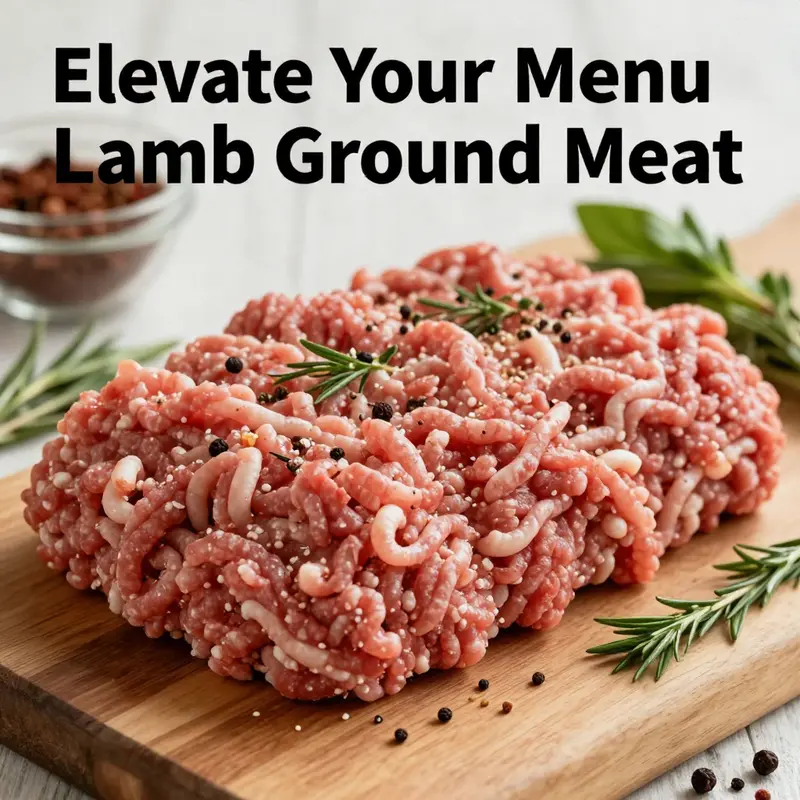
Ground lamb is more than a versatile ingredient. It represents a nutrient-dense option that combines flavor, texture, and a robust nutrient profile in a single package. When we think of lamb ground meat, the first impression often centers on its tender mouthfeel and rich dairy-like sweetness. Yet the deeper value lies in how this meat supplies high-quality protein, essential minerals, and fats that support heart, brain, and muscle health. The meat comes predominantly from lean portions such as the hind leg or shoulder, where fat is distributed in a way that yields a marbled appearance without excess heaviness. This balance helps ensure that each bite delivers not only taste but a meaningful set of nutrients that can be incorporated into a balanced diet. Cooking methods that preserve tenderness also help lock in minerals and fat-soluble vitamins, making ground lamb a practical ally for weeknight meals and weekend feasts alike. As with all animal proteins, the way we source and prepare ground lamb matters as much as the act of eating it. A lean grind with a modest fat cap offers a reliable base for burgers, meatballs, stews, dumplings, or stuffed vegetables, while also keeping an eye on how the dish integrates with vegetables rich in vitamin C to optimize iron uptake. This is not merely about flavor; it is about a nutrition-forward approach to everyday cooking that honors the animal’s natural composition and the cook’s goal of a satisfying, wholesome meal.
At the core of its nutritional profile is high-quality, complete protein. Ground lamb supplies all nine essential amino acids that the body cannot manufacture on its own. Those amino acids are the building blocks for muscle repair after training, for the synthesis of enzymes, and for immune function. For athletes pushing endurance, for pregnant women planning tissue development, and for older adults maintaining muscle mass, the protein density in lamb ground meat supports meeting daily targets without requiring large portions. The texture and moisture of lamb help it stay appealing through cooking, which in turn encourages regular inclusion in menus rather than occasional indulgence. Protein quality matters, but so does the micronutrient load that accompanies it. Lamb is particularly rich in heme iron, a form that the body absorbs more readily than non-heme iron found in plant foods. This makes ground lamb a practical choice for preventing iron-deficiency anemia, especially for individuals with higher iron needs. Paired with vitamin B12, zinc, and selenium, lamb ground meat becomes a compact nutrient package that supports energy production, immune defense, and antioxidant protection. Vitamin B12 is especially important for nerve function and red blood cell formation, and animal-based foods remain the most reliable sources of this vital nutrient. Zinc’s role in immune health and wound healing is complemented by selenium’s involvement in antioxidant enzymes. Together, these minerals help explain why a dish built around ground lamb can feel both indulgent and nourishing.
Beyond the core minerals and vitamins, the fat profile of lamb contributes meaningful health signals. Ground lamb contains conjugated linoleic acid (CLA), a naturally occurring fatty acid in ruminant fats that has drawn interest for potential anticarcinogenic properties in some animal studies. While human research remains nuanced, the presence of CLA in lamb adds another dimension to its nutritional potential rather than simply its flavor. Omega-3 fatty acids are another feature that has drawn attention, particularly in grass-fed or pastured lamb. In practice, lamb that comes from animals with early outdoor exposure tends to present higher omega-3 content, which can contribute to anti-inflammatory benefits and better heart and brain health when part of a balanced diet. This does not imply a single dietary fix, but it does position ground lamb as a meat with a richer, more nuanced fat profile than some alternatives. Alongside the fats—the fats that carry flavor and moisture—lamb provides a spectrum of B vitamins, including thiamine (B1), riboflavin (B2), niacin (B3), and B6. These vitamins help convert food into energy, support skin and nerve health, and contribute to the metabolic processes that keep daily life moving smoothly. The mineral matrix grows even more robust with selenium and phosphorus, both of which play roles in antioxidant defense and bone health, respectively. The overall effect is a meat option that delivers energy, resilience, and a distinct culinary character.
In practical terms, nutrition and cooking technique fuse when you plan how to use ground lamb in meals. Fat content can shape both flavor intensity and mouthfeel. A moderate fat level helps keep burgers tender and juicy, while leaner mixes suit lighter sauces or lighter meals, especially when balanced with herbs and vegetables. Because iron absorption from meat can be enhanced by vitamin C, pairing ground lamb with bright, vitamin-C-rich vegetables—such as bell peppers, broccoli, or citrus-savored sauces—makes the iron more available to the body. This simple pairing strategy aligns with broader dietary goals: it harmonizes taste, texture, and nutrient optimization in a single dish. It also echoes a culinary principle that cooks of all levels adopt: the most satisfying meals are those that deliver consistent flavor, satisfying texture, and nourishing value in equal measure.
From a culinary perspective, ground lamb’s versatility invites a broad spectrum of preparations. It excels in burgers that stay moist when cooked to medium; meatballs that hold together without crumble; and stews that develop depth through slow simmering. It is equally well-suited to dumplings or stuffed vegetables, where its soft bite carries spices and aromatic vegetables deeply into each bite. While fat contributes to flavor, mindful portioning and complementary ingredients prevent overreliance on fat for savor. The result is a dish that is comforting, distinctive, and nutritionally balanced, a combination that invites both daily meals and longer cooking sessions.
For readers who want to explore more applications and a wider range of techniques, consider looking into ground-lamb recipes to see how professionals and home cooks rotate methods and flavor profiles. This resource offers a practical lens on how the meat behaves in different cuisines and how to adjust seasonings to highlight its natural sweetness without overpowering it. By connecting nutrition with technique, one can approach every recipe as a chance to optimize nutrients while preserving the sensory pleasure that ground lamb provides. ground-lamb recipes can serve as an inspirational bridge between nutrition science and kitchen practice, showing how ideas translate into dinners that nourish body and spirit alike.
In the broader context of dietary planning, lamb ground meat can be a strategic inclusion rather than a mere indulgence. Its protein density supports satiety and helps stabilize appetite, which can be beneficial in weight management plans that emphasize nutrient-dense choices over empty calories. The mineral and vitamin profile helps to meet micronutrient targets without relying exclusively on supplements. When paired with a variety of vegetables and whole grains, lamb ground meat fits naturally into meal patterns that emphasize balance, flavor, and health—an approach that respects both the science of nutrition and the art of cooking. The story it tells is not simply about taste; it is about nourishment that travels from the pasture to the plate and into the daily rhythms of life, supporting energy, resilience, and well-being across different ages and activity levels.
External resource: https://www.seriouseats.com/what-is-ground-lamb
Cooking with Lamb Ground Meat: Uses, Techniques, and Flavor Pairings

Lamb ground meat brings a distinct, savory depth to dishes that benefit from richness and aromatic complexity. Its natural fat and slightly gamey flavor make it a versatile protein for global recipes, from street food to fine dining. In practice, ground lamb shines when it is treated as more than a simple swap for ground beef. Understanding how to handle, season, and pair it unlocks new textures and tastes that transform familiar dishes into memorable meals.
When working with lamb ground meat, consider its fat content first. Fat carries flavor and supports moisture, so a blend of 15–20% fat suits most pan-fried and grilled preparations. For slow-cooked stews and braises, a leaner grind can succeed when combined with slow heat and ample aromatics. Texture matters: coarser grinds deliver bite in kebabs and meatballs, while a finer grind disperses fat and integrates herbs for smoother fillings and sauces. Adjust your grind to the application rather than forcing a single style on every recipe.
Seasonings for lamb naturally lean toward warm, slightly pungent profiles. Cumin, coriander, garlic, and smoked paprika complement the meat’s earthiness. Bright herbs such as mint, parsley, and cilantro cut through richness and add lift. Acid—lemon juice, pomegranate molasses, or a splash of vinegar—balances fattiness and sharpens aroma. In Mediterranean and Middle Eastern dishes, a combination of allspice, cinnamon, and toasted nuts can create layers of sweet-savory contrast. For simple dishes, coarse salt and freshly cracked pepper enhance the lamb without masking its character.
Technique transforms ground lamb from good to exceptional. Searing in a hot pan creates a caramelized fond that deepens stews and sauces. For burgers and patties, form the meat gently to avoid packing; a light touch keeps the finished texture tender. When making meatballs or dumplings, binders like egg and a small amount of bread crumbs absorb moisture and hold shape. If you rely on grains, bulgur works beautifully with lamb in traditional recipes, adding chew while soaking up juices. Resting formed patties or loaves briefly before cooking helps them hold together.
Lamb sausages are a gateway to bold flavors. Mix ground lamb with herbs, lemon zest, and spices, stuff into casings, and quickly grill or pan-sear. The result pairs well with flatbreads, pickled vegetables, and cooling yogurt sauces. In stews and curries, lamb ground meat melts into the sauce, releasing fat and collagen. Slow cooking allows spices to bloom and the lamb to become tender. Classic examples include Greek-style braises and Persian stews where tomatoes, onions, and warm spices provide a long-simmering backdrop.
Meatballs and kofte deserve special mention. Shaped small and kissed with high heat, they develop an exterior crust while remaining juicy inside. Serve them with a tangy tomato sauce, or whirl them into soups and lentil dishes for added protein and umami. For dumplings, combine finely ground lamb with aromatic onions, herbs, and spices; the meat’s fat enriches the filling and keeps wrappers from drying. When frying or baking, turn meatballs once to brown evenly and avoid overcooking.
Burgers and meatloaves show how lamb can shift familiar comfort foods into new territory. Blend lamb with minced onion, garlic, and a touch of mustard or harissa to build complexity. For meatloaf, mix with a moist binder and bake at moderate temperature to preserve juiciness. Lamb’s richness pairs well with tangy toppings—caramelized onions, feta, or a yogurt-based sauce—rather than heavy ketchup. On pizza, small amounts of seasoned ground lamb complement melting cheeses and bright herbs without overpowering the crust.
Soups and lentil dishes gain gravity from lamb ground meat. Browning the meat first deepens flavor and adds a savory backbone to broths. In lentil soups, a small amount of lamb provides a satisfying umami note that pairs perfectly with cumin, bay leaf, and tomato. The meat’s fat dissolves into the liquid, enhancing mouthfeel and providing persistence on the palate. Use fresh herbs at the end to lift the soup and provide contrast to the rich base.
Quality matters. Pasture-raised, grass-fed lamb often delivers a cleaner, more herbaceous flavor with higher omega-3 content. Cuts like rump and shoulder produce ground meat with good marbling and a balanced flavor. When sourcing, look for meat with a pleasant, fresh aroma; avoid anything sour or overly metallic. If you buy whole cuts, grinding at home gives control over coarseness and fat ratio. Otherwise, trusted butcher-prepared ground lamb can save time and still offer great results.
Pairings and accompaniments should aim to balance lamb’s depth. Bright acidic elements—yogurt sauces, citrus, or pickles—cut richness. Textural contrasts like crispy flatbreads, toasted nuts, or charred vegetables bring interest. Starches with simple seasoning, such as rice pilaf or flatbreads, allow the lamb to remain central. For beverages, herbal or peppery wines and robust ales stand up to the meat’s flavors; alternatively, fresh herbal teas or sparkling water with citrus can refresh the palate between bites.
Practical tips keep cooking consistent. Avoid overworking the meat to prevent toughness. Salt in stages: add a bit when forming, and adjust after cooking. Sear at high heat to develop flavor, then finish gently if needed. Portion ground lamb into meal-sized amounts before freezing to make thawing simple. When substituting lamb for beef, reduce competing heavy flavors and increase bright notes to showcase lamb’s character.
For inspiration and recipes that explore these techniques and flavor combinations, explore a curated collection of ground lamb ideas in the internal recipes hub: ground lamb recipes. For a deeper dive into lamb sausage techniques and practical cooking tips, consult this external resource: https://www.seriouseats.com/lamb-sausage-recipes-cooking-tips
How Market Forces and Quality Signals Shape the Rise of Lamb Ground Meat
How market forces and quality signals shape the rise of lamb ground meat
The market for lamb ground meat is shifting from a niche specialty to a clearly defined premium segment. Buyers increasingly look beyond price. They demand transparency, welfare standards, and demonstrable nutritional value. These preferences are fueling steady growth in grass-fed and pasture-raised lamb ground meat. The change is measurable: analysts report a solid compound annual growth rate for grass-fed lamb, reflecting consumer choices driven by sustainability and health concerns.
Quality underpins that demand. Age, breed, feeding method, origin, and processing standards all shape the product on the retailer shelf and on the plate. Age matters because younger animals yield meat with fine texture and a subtler flavor. Spring lamb, harvested at three to five months, is prized for tenderness and a delicate taste. Chefs and discerning home cooks reach for it when they want ground meat that carries seasonings without overpowering them.
Breed contributes nuanced differences in fat distribution and aroma. Some breeds produce meat with a buttery mouthfeel and even marbling. Others deliver a leaner profile with a firmer bite. Feed influences fatty acid composition. Lambs finished on pasture develop higher levels of omega-3s and conjugated linoleic acid (CLA). That profile appeals to health-conscious shoppers and adds a green, grassy note to the flavor.
Region of origin shapes more than folklore. Soil, forage species, climate, and grazing practices create terroir. Lamb raised in cooler, high-altitude pastures tends to develop denser muscle and distinct mineral notes. Coastal pastures, rich in certain grasses and herbs, can impart a hint of brininess. These subtle variations give chefs creative latitude when building dishes.
Processing standards turn raw potential into reliable product. Proper chilling, supervised grinding, and strict sanitation preserve flavor and safety. Minimal additives and controlled fat-to-lean ratios let lamb’s natural character shine. For retailers, clear labeling about grind size, fat percentage, and origin helps customers choose the right product. For producers, traceability systems and third-party audits strengthen buyer trust and command higher prices.
Sustainability and ethics are no longer optional marketing lines. Consumers and foodservice buyers expect visible commitments: pasture access, low-impact feed systems, limited antibiotic use, and humane handling. These practices influence purchasing decisions and justify a premium. They also allow producers to position ground lamb alongside other differentiated proteins.
Culinary versatility is a core strength of ground lamb. It adapts to global traditions while supporting modern fusion. Ground lamb melds well with bold spices like cumin, coriander, fennel, and harissa. It balances acidic and dairy elements, too. Yogurt, lemon, and preserved lemon brighten dishes. Tomatoes or roasted peppers add warmth. That flexibility helps lamb ground meat bridge price points — from everyday family meals to elevated restaurant plates.
Chefs prize ground lamb for its capacity to carry flavors. When blended with aromatics, it creates cohesive meatballs, burgers, and sauces. In traditional cuisines, it appears in spiced sausages and stew meatballs. In contemporary kitchens, it becomes the basis for packed sandwiches, robust ragù, and inventive tacos. For cooks exploring recipes, collections of tested dishes help translate quality into great food — see curated ground lamb recipes for inspiration.
Purchasing guidance follows quality signals. Look for clear declarations on labels: spring lamb, grass-fed, pasture-raised, and no added hormones or antibiotics. Observe color and aroma. Fresh ground lamb presents a rosy hue and a clean, slightly sweet aroma. Avoid packages with sour notes or grayish-brown tints. Fat content is key: lean grinds suit sauces and stuffings, while fattier blends are best for burgers and meatballs.
Storage and handling protect both safety and flavor. Keep ground lamb at refrigerator temperatures below 4°C (40°F). Use within two days of purchase, unless frozen. For freezing, portion meat into usable amounts. Vacuum sealing or tightly wrapping reduces freezer burn and maintains texture. Thaw slowly in the refrigerator to preserve juices.
For producers and retailers, consistent quality pays dividends. Investments in controlled grinding equipment, trained butchers, and cold-chain monitoring reduce spoilage and recall risk. Transparent supply chains, digital traceability, and certified welfare claims strengthen market positioning. These systems also help meet institutional buyers’ procurement standards, opening new channels beyond traditional specialty markets.
Price remains a balancing act. Premium lamb ground meat costs more than commodity beef or mixed grinds. Yet many buyers are willing to pay for verified origin, nutrient-rich profiles, and supply chain ethics. For brands, storytelling must be accurate and verifiable. For chefs and consumers, the focus is pragmatic: match product attributes to culinary uses. When done well, premium lamb ground meat delivers both gastronomic impact and market resilience.
As demand grows, innovation follows. New packaging solutions extend shelf life. Niche breeds and heritage flocks offer flavor differentiation. Co-packing models help small farms reach larger markets without sacrificing traceability. These developments mean the lamb ground meat category will continue to diversify, satisfying both pragmatic shoppers and culinary adventurers.
Producers, retailers, and cooks all share a responsibility. Producers must maintain welfare and pasture practices. Retailers should prioritize clear, honest labeling. Cooks need to treat the ingredient with attention to fat, grind, and flavor balance. When each link in the chain delivers, lamb ground meat takes its place as a premium, sustainable protein that fits a wide range of dishes and kitchens.
For an industry outlook and deeper market metrics, see the detailed market analysis by Grand View Research: https://www.grandviewresearch.com/industry-analysis/grass-fed-lamb-market
Final thoughts
In summary, lamb ground meat stands out not only for its exquisite taste and tender texture but also for its nutritional richness. By understanding its benefits, exploring diverse culinary applications, and staying informed about market trends, business owners can successfully integrate this ingredient into their offerings. Leveraging lamb ground meat can greatly enhance your menu and attract health-conscious diners eager for high-quality options.