

For business owners in the culinary sector or those managing restaurants, having a repertoire of easy yet high-quality dishes is essential. Lamb chops, renowned for their succulent taste and tenderness, can be a standout feature on any menu. However, mastering this dish can seem daunting. This guide provides a simple, efficient lamb chop recipe, ensuring restaurant-quality results in under 30 minutes. The subsequent chapters will dive into the preparations and cooking techniques that optimize flavor and texture, followed by strategic ingredient selections that enhance the overall dining experience, making it easier for your establishment to delight customers while minimizing kitchen stress.
Sear, Rest, Shine: An Easy Lamb Chop Recipe for Restaurant-Quality Flavor and Texture

The moment you lay a row of lamb chops on the counter, you’re already in the midst of a small but meaningful kitchen story. These are elegant bites, lean and capable of tasting both refined and homey at the same time. The secret, more than any single technique, is to respect the meat’s natural character while applying a few dependable methods that coax maximum flavor with minimum fuss. Start with loin or rib chops about an inch thick, the sweet spot where the muscle carries enough fat to brown beautifully without becoming opaque or dry on the inside. Look for a bright pink hue, fine marbling, and a clean, fresh scent. Any grayish tone or a dull surface should raise a red flag and push you to select a fresher piece. Pat the chops dry with paper towels; moisture on the surface steals heat and undermines crust formation. If you trim excess fat, do so lightly, just enough to prevent flare-ups or an unbalanced bite, and leave enough fat to render. This is not a dish that benefits from trimming away all the fat; a modest amount helps deliver flavor through browning, which is the heart of the technique you’re about to practice.
Seasoning is where the purpose of a simple recipe becomes clear. A generous dusting of kosher salt and a few twists of freshly cracked black pepper on both sides creates a bare, sturdy foundation. If you want additional perfume, a whisper of minced garlic or a pinch of garlic powder adds nuance without shouting over the meat’s own aroma. The garlic, already contained in the crust, should stay in the background, not overwhelm the lamb’s inherent sweetness. For those who enjoy a more complex note, a light brush of olive oil can help the surface stay moist and ensure an even sear, but you can skip it if you prefer a drier surface that yields a crisper crust. In any case, the goal is to strike a balance between surface dryness for searing and interior moisture for tenderness.
Optional marinating can be a real upgrade, particularly when time allows. A simple marinade is a quiet, confident ride: olive oil, crushed garlic, a handful of fresh herbs such as rosemary and thyme, a touch of lemon zest, and a splash of red wine vinegar or a mild acidity. The acid helps the proteins loosen up just enough, while the herbs and garlic lay a fragrant bed that the meat can lean on as it cooks. Marinate for at least 30 minutes, up to two hours. Beyond that, especially with acidic ingredients, you risk beginning to break down the meat too aggressively, which can lead to a mushier texture rather than the intended tenderness. The marinade’s job is flavor and succulence, not to turn the chops into a different texture entirely. If you’re short on time, skip the marinade and rely on a strong dry rub and the pan’s heat to achieve a robust crust and a juicy center.
With the meat prepared, the cooking method becomes the instrument that translates intent into taste. A sturdy, oven-safe skillet—ideally a cast-iron workhorse—heats up on medium-high until it radiates heat with a quiet intensity. A small amount of olive oil or a dab of butter helps to conductor the heat and contributes a gentle sheen to the surface as it browns. When the oil shimmers, the chops meet the pan, and the magic begins. Sear each side for about three to four minutes, depending on thickness and how blue you like your crust. A deep, bronze crust should form as browning compounds, or Maillard reactions, caramelize the meat’s natural sugars and amino acids. This isn’t merely color; it’s flavor and texture evolving in tandem. A thermometer is your best ally here. Target an internal temperature of 120 to 125 degrees Fahrenheit for medium-rare. The range keeps the meat juicy and tender while preserving the delicate texture that makes lamb so appealing. If you’re cooking thicker chops or prefer them more done, you can adjust time slightly, but the principle remains the same: reach the right temperature with a crust that’s rich and crackly, not burnt.
As the surface browns, aromatic notes begin to rise from the pan. In the final minute of cooking, add a small amount of minced garlic and fresh rosemary. The aim isn’t to overwhelm but to infuse the meat with a fleeting, fragrant finish. The herbs’ essential oils mingle with the fats and the searing crust, creating a subtle herbal lift that lingers on the palate. Keep the heat steady so the garlic doesn’t burn, which would impart a bitter note. If you’ve marinated, you’ll notice the herbs already carried much of the aroma—this finish simply brightens what’s already there. When the internal temperature edges toward the target, remove the chops from direct heat and let them rest. Resting is a science as well as an art; it allows the juices to redistribute rather than flood the plate the moment you slice. A foil tent used loosely will keep warmth in while letting steam escape, and in five to seven minutes you’ll find the meat more cohesive and less prone to juice pooling on the plate.
Rested correctly, the chops offer a contrast you can feel as you bite in. The crust remains gently crisp, the interior pink and lush, and the juices stay within the meat rather than running onto the plate. As you plate, consider a drizzle of the pan drippings if you want to intensify the mouthfeel and echo the flavors that formed the crust. Those drippings are concentrated flavors, a reminder of the sear and the fat’s role in carrying aroma. A light hand here preserves balance; you don’t want the dish to lean too heavily into the fat, but a small pool of glossy, warmly flavored liquid can elevate the lamb’s natural richness.
The simplicity of this technique is the point. It prioritizes a few high-quality ingredients and a method that can be repeated with minimal supervision. Yet it yields results that feel substantial and restaurant-worthy, especially when you’re aiming for an elegant weeknight dinner that satisfies without demanding long hours in front of a hot stove. The interplay of crust, moisture, and aromatics creates a sensory experience where the first impression is the savory crust, while the second is the tender, rosy center that speaks clearly of well-handled meat. You’ll notice how the salt and pepper interact with the fat in the chop, drawing forth flavors that are at once familiar and refined. The garlic and rosemary provide a familiar aroma without stealing the show from the lamb’s own character, which is a delicate and delightful balance to maintain.
For readers who are curious about variations or who want to branch out, this approach remains flexible. If you’d like a shorter, more streamlined version, there is a quick recipe for lamb chops you can check out here. That path emphasizes speed and simplicity while keeping the essential sequence intact: dry, season, sear, baste lightly if desired, rest, and serve. The reason this works so reliably is not just the technique but the physics of heat and moisture. Patting dry reduces surface moisture, which otherwise creates steam instead of browning. A hot pan ensures the Maillard reaction proceeds rapidly, forming the crust that carries flavor deeper into the meat. Resting, often underestimated, re-centers the muscle fibers and redistributes juices so that slicing doesn’t turn the entire chop into a red, runny cascade. The result is a chop that looks and tastes like a small triumph—crisp exterior, juicy interior, and a lingering aroma that makes the idea of heat and fat feel comforting rather than heavy.
The sourcing of your meat matters as much as the method. When you choose a good chop with good marbling, you’re starting with a canvas that can take a range of seasonings and still shine. The seasoning acts as conductor, not composer; it sets the stage for the lamb’s flavor profile to rise rather than mask it. The choice of rosemary or thyme, and the decision to add lemon zest in a marinade, tunes the dish toward bright, springlike notes, echoing the seasonality of lamb that pairs well with fresh herbs and citrus. If you’re cooking in a grill-friendly climate or simply want a different finish, the same principles apply. A high heat, a quick sear, and a careful rest can translate just as effectively to a two-zone grill, where you can sear over direct heat and finish over indirect heat to preserve a juicy interior without charring the exterior. The narrative remains consistent across methods: care at the start, precision in heat, and respect for the resting period.
Seasonality matters, too. Lamb tends to be at its most tender and clean in the spring months when lambs are younger and the pasture’s aromatics are vivid. If you happen to cook this recipe during that window, you’ll notice a freshness in the meat that harmonizes with the rosemary and garlic’s evergreen scent. But while seasonality can enhance the result, the technique itself is robust enough to deliver excellent flavor year-round. The emphasis on a moderate sear, careful temperature management, and a measured rest makes the dish reliable no matter when you cook it. Pairings can stay simple: a bright herb salad, roasted vegetables, or a light potato preparation that won’t overwhelm the lamb’s delicate character. The sauce, if you choose to add one, should be restrained, perhaps a small spoon of pan jus or a touch of olive oil with a squeeze of lemon. The aim is a clean finish that spotlights the meat.
If you’re curious to explore related techniques or to see how others approach similar cuts, a few internal resources can offer further ideas without diverging from the central theme of simple, reliable lamb cooking. For instance, a guide to garlic-lamb chops expands on the garlic-forward approach, while another post explores a broader range of Mediterranean lamb preparations for those who want to extend the repertoire beyond a single, focused recipe. These internal pathways are designed to complement the main thread rather than overshadow it, offering readers a way to deepen their practice if they wish to experiment with different herbs, acids, or finishing techniques. In this way, the chapter remains cohesive, yet it also acts as a bridge—an invitation to readers to try the core method and then consider small, thoughtful deviations that respect the meat’s integrity.
In reflecting on the method, the core idea returns: cook with intention, not with speed alone. The speed here comes from streamlined steps that do not abandon discipline. The pan should be hot enough to seize, but not so hot that the surface scorches before the interior has a chance to reach its ideal texture. This balance is what makes the dish rewarding in under half an hour. The resting phase, often neglected, is the quiet hero that ensures the meat stays moist and flavorful rather than turning dry or stringy. The aroma—the mingling of seared meat with garlic and rosemary—serves as a promise that what you’re about to taste will be well-rounded and true to the meat’s character. And when you finally take that bite, you’ll feel the approach’s elegance: minimal ingredients, precise technique, maximum impact.
For those who want to reference a broader grilling perspective while keeping the Lamb Chop at the center, an external resource offers a complementary approach to flavor-building and temperature management on the grill. This resource demonstrates how the same principles translate to outdoor cooking, including how to handle different thicknesses and the effect of direct versus indirect heat on doneness and crust formation. It’s a useful comparison point for cooks who enjoy experimenting with surfaces and environments while staying faithful to the fundamentals of searing and resting that define the best lamb chops. External reference: https://www.foodnetwork.com/recipes/food-network-kitchen/grilled-lamb-chops-recipe-3396389. This link provides an established framework for understanding how heat, timing, and rest interact across cooking contexts, reinforcing the core messages of this chapter without diluting the simplicity that makes the method accessible to beginners and satisfying for seasoned cooks alike.
Lamb Chop Mastery: Selection, Seasoning, and Speed for a Quick, Restaurant-Quality Dinner
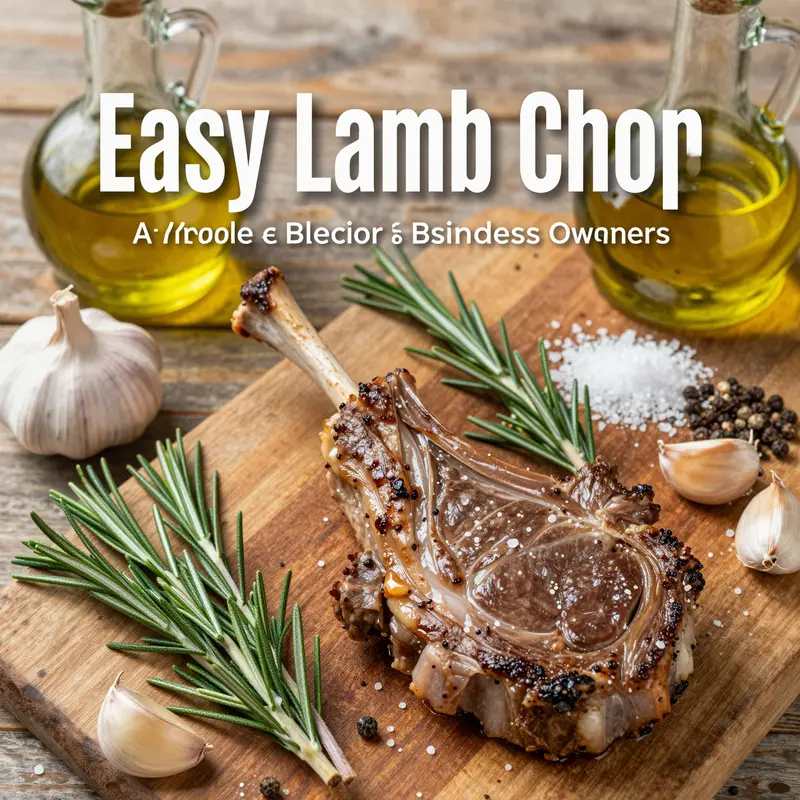
The secret to a truly satisfying lamb chop lies as much in the choices you make before the heat meets the meat as in the technique you bring to the pan. When you want a dinner that tastes like a restaurant dish but comes together in under 30 minutes, precision starts with selecting the right chop and ends with a balance of flavor that stays true to the cut’s natural richness. A well-made lamb chop is not about layering on complicated flavors; it’s about choosing high-quality meat and pairing it with thoughtful seasoning that amplifies, rather than obscures, the meat’s own character. With loin chops that are about 1 inch thick, you gain the sweet spot where the exterior achieves a deep, caramel-brown crust while the interior remains tender and juicy. Thicker chops can work, but they demand more time and precision to avoid overcooking. Lean cuts with visible marbling deliver moisture and flavor without becoming heavy, and they reward technique that respects their texture rather than fights with it.
Freshness, color, and marbling are quick tells you can trust at the market or butcher’s case. Look for a bright pink hue that hints at youthful tenderness, with fine marbling that signals intramuscular fat working to keep every bite succulent. Avoid chops that show dull gray tones or an uneven surface—the signs of aging or poor handling. While removing excess fat might be tempting, a modest amount of surrounding fat on loin chops is what helps develop flavor during sear and adds a delicate, almost buttery richness as the meat rests. The loin cut provides a favorable balance between lean muscle and fat, giving you a juicy bite without overwhelming the palate. These cues are simple but powerful, guiding you toward cuts that will shine with minimal fuss in a pan or under a quick finish in the oven.
Flavor enhancement without dominance is the aim. A straightforward trio of rosemary, garlic, and lemon juice gives a bright, aromatic lift that respects lamb’s natural sweetness. A light marinade with these elements not only amplifies aroma but also contributes a touch of tenderness when you’re aiming for that balanced medium-rare center. The acidity from lemon juice serves a dual purpose: it helps tenderize gently and brightens the overall profile, cutting through richness so the lamb remains lively rather than ponderous. If you prefer a shorter path to flavor, a simple dry rub of rosemary with a whisper of garlic powder can create a roasted-crust crust that seals in juices. The advantage of this approach is speed and simplicity—no need to worry about marinating for hours when you’re crunched for time.
Herbs and spices carry cultural echoes as well, allowing you to tailor the profile to your mood or the occasion without complicating the recipe. Fresh rosemary has a piney, resinous note that pairs beautifully with lamb’s lamb-like sweetness. Dried thyme or oregano can be integrated for a more Mediterranean lean, while a touch of cumin or coriander—used sparingly—brings warmth and depth without masking the meat’s character. When you lean into spice blends or dry rubs, the goal is to create a savory crust that contributes texture and scent while letting the meat shine through. These spice cues aren’t just about aroma; they’re about how heat interacts with the surface of the chop. A crust that forms deeply and evenly is the sign of a well-seeded sear, which locks in juices and creates the contrast that makes each bite memorable.
The science of seasoning also means timing your additions to preserve the integrity of delicate aromatics. Acidic components like lemon juice are best used in advance of cooking or in a brief marinade, so they don’t rob the chops of moisture during the sear. Fresh herbs, garlic, and citrus zest, when added toward the end of cooking, release their oils and brighten the finish without wilting into a dull paste. If you’re aiming for a no-fuss approach, salt and pepper with a light touch of garlic powder or minced garlic provide the essential flavor platform, letting the meat’s own flavors come through with clarity. Salt, particularly when used generously but evenly, is the conductor that helps proteins retain moisture and develop a robust crust. The goal is a crust that crackles and shades into a juicy center, not a dry exterior or an over-seasoned bite.
As you plan your method, consider the kitchen’s practical rhythms. The idea of letting meat come to room temperature before cooking isn’t a fancy trick but a practical step that contributes to even heat distribution and better texture. When meat starts closer to ambient temperature, the interior heats more uniformly, which translates to more predictable doneness and less risk of cold centers. This principle, echoed by thoughtful cooks and sound sources, reinforces the importance of timing and temperature in a quick-cook lamb dish. You won’t need a long waiting period; a short half-hour rest or even a 15- to 20-minute ambient period can improve heat penetration while you prepare garlic, rosemary, and the pan. It’s a small step with a disproportionately positive payoff in tenderness and evenness of doneness.
The method that yields the cleanest, most reliable crust begins with a hot pan and a dry surface. Pat the chops dry on both sides to remove surface moisture that would otherwise steam the meat and prevent browning. A hot, oven-safe skillet—ideally cast iron—accommodates the sear while also offering the option to finish in the oven for uniform doneness when you’re cooking multiple chops or want a gentler finish. A small amount of oil—enough to slick the surface—helps the meat glide and form a caramelized surface. Sear each side for three to four minutes, depending on thickness and heat level, until you see a deep brown crust that signals caramelization and flavor development. The color cues are not just aesthetics; they indicate the Maillard reaction at work, where amino acids and sugars mingle to create savoriness and crusty complexity that no amount of spice can fully replicate.
With the crust formed and the internal warmth climbing, the goal is to reach a medium-rare interior for lamb: roughly 120 to 125 degrees Fahrenheit (49 to 52 degrees Celsius). This range yields a pink, juicy center that remains tender and juicy as it rests. Resting is not a luxury but a step that matters scientifically because it allows the juices to redistribute. If you cut into the chop too soon, those flavorful juices will spill out, leaving you with a drier bite. A five- to seven-minute rest under loosely tented foil gives meat the chance to reabsorb moisture and settle into its final texture. During this interval, the flavors that have begun to knit around the surface harmonize with the interior warmth, leaving you with a unified, succulent mouthful rather than a series of disparate textures.
For those who want a more hands-off approach or who are cooking for a crowd, an oven finish can bring consistency without sacrificing the sear. After a quick initial sear, slide the pan into a preheated oven set to a moderate heat—around 400 degrees Fahrenheit—and allow the chops to finish in roughly 10 to 15 minutes, depending on thickness and your preferred doneness. This method ensures an even interior, particularly when you’re juggling multiple pans or sides. The final minute of cooking remains a favorite moment for adding aromatics: a little minced garlic and fresh rosemary dropped into the pan or spooned from the pan drippings can bloom in the residual heat, coating the chops with fragrance without overpowering the meat. The objective is a refined, aromatic finish rather than an aggressive, overpowering note. If you choose to go this route, monitor the internal temperature with a reliable thermometer to avoid overcooking, which is the enemy of tenderness in fast lamb dishes.
No talk of a quick, delicious lamb chop is complete without a nod to the often overlooked but incredibly expressive flavor of the pan drippings. After you remove the meat from the pan, deglaze with a small splash of liquid—water, wine, or broth—while the pan is still warm. Scrape up those browned bits that carry concentrated fat and meat sugars, and whisk them with a touch of butter or olive oil to create a glossy, flavorful little sauce. A drizzle over the resting chops can transform a simply seared chop into a dish with a cohesive, glossy finish that tastes like it took longer to prepare than it did. Even a few spoonfuls of these drippings on top of the chops can be a revelation, amplifying the natural lamb flavors rather than masking them.
As you refine your approach, the choices you make about flavor depth matter as much as the technique you apply. A simple, well-constructed plan begins with quality loin chops and ends with a careful balance of sear, rest, and a finishing note that complements rather than competes with the meat’s inherent sweetness. The rosemary and garlic you choose should feel like an accent, a thread that binds the experience to a larger, fragrant memory rather than a loud interruption. If you prefer a citrus lift, a quick squeeze of lemon right before serving can lift the palate and reset the entire bite, especially when the dish rests briefly after cooking. If you lean into a spice-forward crust, test your tolerance for warmth—start with a conservative pinch and build to taste, ensuring the lamb’s youthful sweetness remains the focal point.
To reinforce the practical arc of this approach, you can explore a garlic-forward variation that leans on classic aromatics without overshadowing the meat. For a garlic-forward version, see garlic-lamb-chops. The link offers a complementary perspective on how garlic can be integrated with other seasonings to emphasize lamb’s natural character while keeping the dish approachable and quick. The rhythm of preparation remains the same: dry surface, hot pan, careful sear, and mindful rest. The differences lie in when and how deeply garlic is introduced and how the aromatics are balanced with citrus and herbs to create a different but equally compelling flavor profile.
This chapter’s strategy also invites you to think of regional flavors as flexible accents rather than rigid templates. A Moroccan-inspired crust, with warm spices that echo cumin and coriander, can pair nicely with a lemony finish, while a Greek-inspired ensemble of oregano, thyme, and rosemary offers a brighter, herb-forward finish. The key is to keep a light touch; the goal is to enhance, not to bury, the meat’s natural perfume. The ingredients you assemble—the cut, the herbs, the citrus, and the spices—should all work in a chorus, not in a cacophony. When you trust the balance, the recipe becomes almost automatic, and your timing becomes second nature. In practice, you’ll find yourself reaching for the same core steps—pat dry, season, sear, rest—while varying the aromatic notes to suit your mood, the occasion, or the season.
For readers who want to deepen their understanding of seasoning techniques and ingredient selection, a broader resource offers practical guidance on balancing acidity, herbs, and warmth. See the detailed guidance here: https://www.thespruceeats.com/seasoning-lamb-chops-perfectly-4683072. This external reference provides a well-rounded perspective on how delicate adjustments in marinade time, salt distribution, and aromatic timing influence texture and flavor, reinforcing the idea that even a short-cook dish can benefit from a thoughtful, science-informed approach.
In this approach to easy lamb chops, the flow is simple and repeatable: choose a high-quality loin chop, prepare it with a quick seasoning plan that respects its flavor, sear to build a crust, optionally finish in the oven for evenness, and rest to preserve juiciness. The result is a dinner that tastes like a restaurant plate—without drama, without long marination, and with a plan that can be executed by cooks of all levels. It’s the practicality of good technique married to the generosity of good ingredients, delivered in a way that makes the most of a busy weeknight or a relaxed weekend meal. The flavor enhancements—rosemary’s piney lift, garlic’s savory warmth, and lemon’s bright counterpoint—create a palate that feels complete, satisfying, and thoughtfully composed in under half an hour. And when you’re ready to explore further, the internal link to a garlic-forward variation provides one more path to experiment with texture and aroma, ensuring you have a ready-made framework for seasonality and taste without adding complexity.
The practice of selecting and seasoning lamb chops with intention also aligns with a broader culinary habit: making the most of pantry staples to create a sense of abundance in a short time. Good salt, a handful of fresh or dried herbs, a lemon, and a modest amount of garlic can transform a lean cut into something that seems polished and carefully thought out. It is precisely this economy of means—using minimal but well-chosen ingredients, combined with precise timing and a respectful approach to heat—that makes this method reliable and repeatable. The result is not a rushed improvisation but a well-structured technique that yields consistent, desirable results. By embracing the science of browning and the art of balance, you can deliver a dish that feels elevated yet approachable, a meal that honors the meat while still feeling intimate and personal to the cook.
Internal link note: For a garlic-forward variation that complements this approach, explore the garlic-lamb-chops resource linked earlier. It provides a practical example of how a single aromatic component can shape the overall profile without changing the core technique. The shared thread is simplicity married to timing, heat management, and a respect for the meat’s intrinsic sweetness, ensuring you always land on a harmonious plate rather than a loud, overpowering one.
As you close the skillet on a successful lamb chop, remember that the best results often come from predictable routines performed with care. The process described here—careful selection, thoughtful seasoning, strategic searing, optional oven finishing, and patient resting—creates a framework you can apply across seasons and menus. It’s not about chasing novelty in every bite; it’s about crafting a dependable, delicious approach that yields consistent satisfaction. In the end, the joy of a well-made lamb chop lies in knowing you’ve let the meat speak for itself, with a chorus of supporting flavors that enhance rather than overwhelm. The technique is simple, the ingredients are accessible, and the result—tender, flavorful lamb with a crisp, caramelized crust—feels, every time, like a small triumph worth repeating.
External reference for seasoning techniques and ingredient selection: https://www.thespruceeats.com/seasoning-lamb-chops-perfectly-4683072
Final thoughts
Incorporating this easy lamb chop recipe into your menu can significantly elevate the dining experience for your customers. By understanding the preparation and cooking techniques that yield optimal flavor and texture, along with selecting the right ingredients for flavor enhancement, you set your business apart in a competitive culinary market. This method not only assures restaurant-quality results but also simplifies the cooking process, allowing your staff to serve beautifully prepared lamb chops efficiently. Ultimately, this recipe is a testament to the fact that exceptional dishes do not have to be complicated; simplicity and attention to detail can create remarkable culinary experiences.