
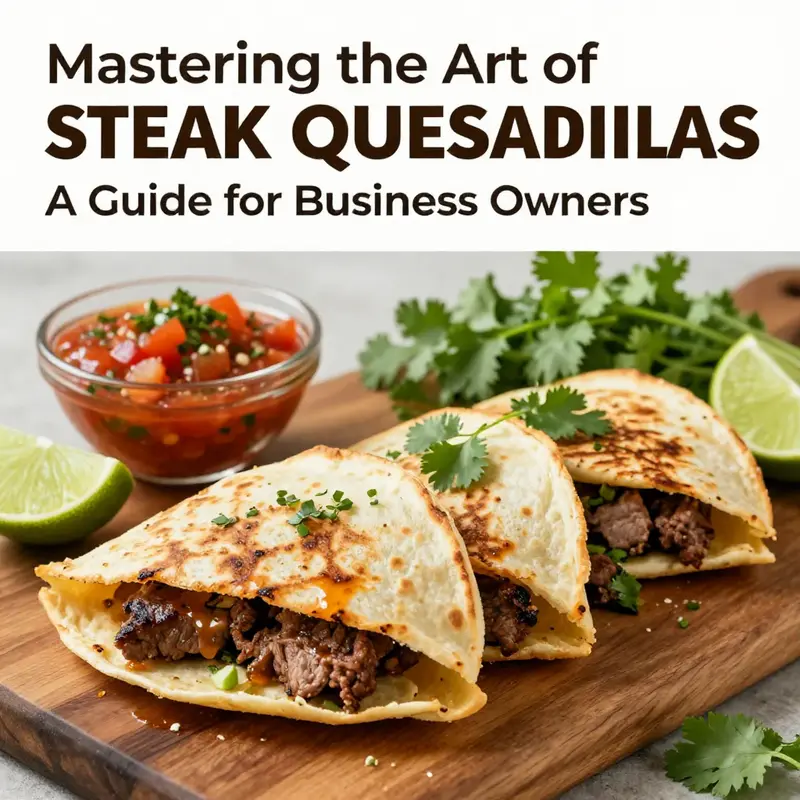
Steak quesadillas not only serve as a delicious dish but can also offer significant appeal in a restaurant or catering menu. Understanding how to prepare and cook this classic can set your business apart. This guide presents practical insights into ingredient preparation and effective cooking techniques, ensuring each quesadilla is flavorful, visually appealing, and profitable. In the first chapter, we will delve into the essential ingredients that make a steak quesadilla shine. The second chapter will highlight cooking techniques that maximize both flavor and efficiency, allowing you to serve delicious dishes quickly.
Laying the Groundwork: Mastering the Ingredients for a Perfect Steak Quesadilla
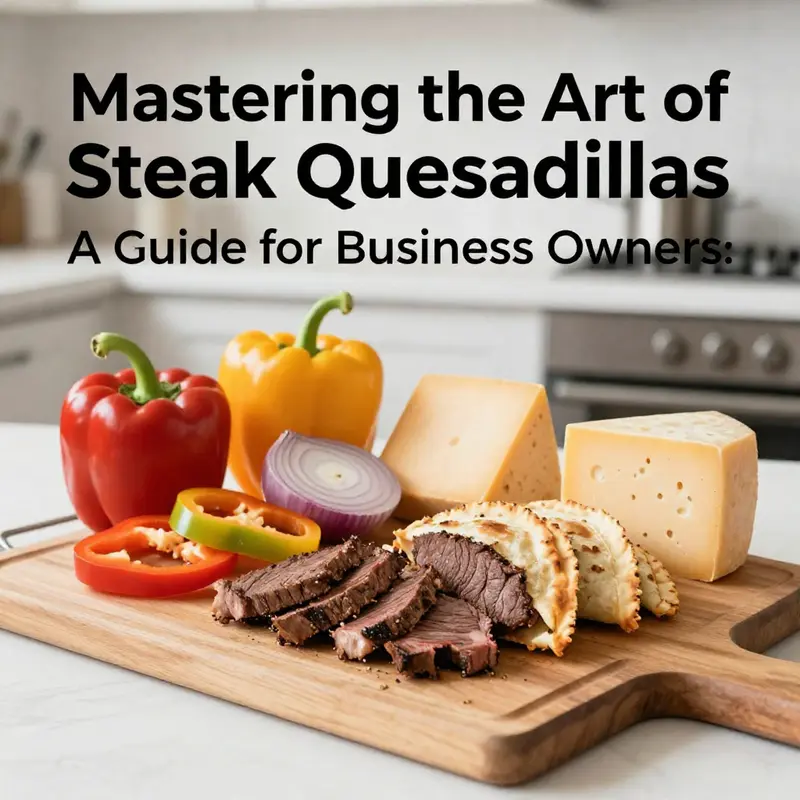
The cornerstone of any great steak quesadilla is the preparation of its parts. In this chapter we focus on choosing and preparing ingredients so the cooking that follows is simple, reliable, and delicious.
Begin with the steak. Choose a cut that finishes tender yet sears well: sirloin, flank, or skirt. Aim for about 1/2 inch thickness so you get a sturdy crust without drying the center. A light spice rub is all you need: smoked paprika for warmth, garlic powder, onion powder for aroma, cumin for earthiness, oregano for brightness, a touch of chili powder for a gentle kick, plus salt and black pepper. Marinate 15–30 minutes if you have time; overnight refrigeration deepens the flavor. Pat dry before cooking to encourage browning rather than steaming.
Cheese is the binding agent in a good quesadilla. Use a blend that melts smoothly: Monterey Jack for creaminess and mild cheddar for bite. Grate your own cheese to maximize melt; pre-shredded varieties can be drier and less cohesive. Let the cheese come to room temperature briefly before assembly for faster, more even melting.
Tortillas form the scaffold. Flour tortillas in the 8–10 inch range fold easily, hold up to the filling, and brown beautifully in a hot pan. Look for simple ingredients: flour, water, fat, salt. A slightly sturdier tortilla helps the filling stay intact as you bite through the crust. For larger batches, a two-tortilla approach adds insulation and crunch, but a single tortilla is enough for weeknight portions.
Vegetables such as a thinly sliced onion and a half-pepper add color, sweetness, and balance. Sauté briefly so they soften but retain some bite, then mix with the browned steak so every bite carries the same chorus of flavors.
Equipment and technique complete the foundation. A heavy skillet—cast iron or sturdy stainless—promotes even heat and a crisp crust. A wide spatula helps you flip and press without tearing the tortilla. Mise en place keeps everything within reach and moving smoothly. When assembling, lay a thin layer of cheese on one half, spread in the steak and vegetables, and then top with more cheese before folding. The tortilla’s edge should glisten with a touch of oil to aid browning and finish with a crackling crust.
This groundwork is about balance and restraint: the steak anchors the filling, the cheese binds, the vegetables offer brightness, and the tortilla carries it all. The next steps—assembling and cooking—build on this foundation to deliver a predictable, satisfying bite every time.
Sear, Melt, Fold: Mastering the Cooking Techniques Behind a Perfect Steak Quesadilla
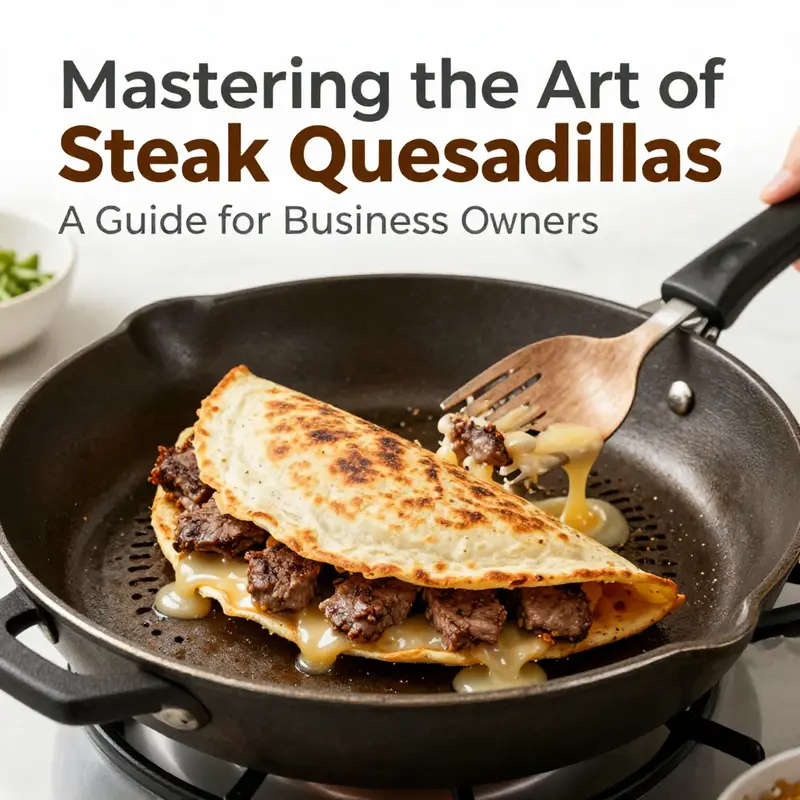
Crafting a steak quesadilla that tastes both vibrant and composed begins long before the first sizzle. The dish hinges on three steadying pillars: the steak, the tortilla, and the cheese. When you combine them with a careful sequence—marinate, sear, melt, fold, and rest—the result is a snack that feels substantial yet balanced, with crusty edges, a juicy interior, and a warm, cheesy core. The aim is not simply to pile flavors into a tortilla, but to orchestrate heat and time so that every component complements the others. As with any reliable kitchen craft, success rides on attention to detail, a respect for texture, and a clear sense of how each technique shifts flavor and mouthfeel at the moment of biting. This chapter threads those ideas into a single, cohesive process, so the result reads as a confident, restaurant-like staple you can pull from the pan on a weeknight with ease and pride.
Begin with the steak, choosing a cut that can render tenderness quickly, like flank, sirloin, or skirt. A balanced marinade does the heavy lifting of flavor and tenderness. Think of an acid to loosen fibers, a nourishing oil to carry fat-soluble notes, and aromatics that wake the meat. Common combinations include lime or vinegar for brightness, garlic and onion for savor, and a spice blend—cumin, chili powder, maybe smoked paprika and oregano—that echoes the warmth of the dish. Let the meat sit in the mixture for at least 30 minutes, and up to four hours in the fridge if your schedule allows. Time matters because the acid needs enough contact to infiltrate; too long, and you risk turning the texture toward mush. After marinating, pat the surface dry to promote proper searing. The marination step is not a mere flavor shortcut but a deliberate tenderizing and flavor-building phase that primes the steak’s profile for the quick, high-heat finish.
Heat a heavy pan until its surface sizzles with contact. A cast-iron skillet is a reliable ally here; it holds enough heat to form a crust and stay hot through several batches. Remove the marinade and any excess moisture, pat the steak dry, and lay it into the pan. Sear each side for a couple of minutes, watching for deep, caramelized color—the Maillard reaction that builds depth and aroma. Let the meat rest briefly, then slice it thin so the pieces distribute evenly in the filling. If the pan looks crowded, cook in two batches to keep the temperature high. Browning is not just about color; it locks juices and concentrates flavors, making every bite deliver a savory punch. The crusted exterior acts as a barrier that keeps the interior tender, while the sliced bits mingle with onion and pepper later, releasing their own sweetness into the cheese’s melt.
Cheese is the soul of a quesadilla, and its behavior during melt defines the experience. Use freshly grated cheese rather than pre-shredded varieties, because the finer texture and absence of anti-caking agents melt more smoothly. Let the cheese come closer to room temperature for a short period so it softens slightly and melts faster once heated. When assembling, sprinkle a generous layer on the bottom tortilla as a first barrier of gooey richness, then lay the seared steak and vegetables over it, and finish with a light scatter of more cheese to help seal the filling as the tortilla browns. The target is a sandwich where the cheese forms a molten bridge between meat and tortilla, not a separate puddle of dairy. A well-balanced cheese blend—mild cheddar, Monterey Jack, or another melt-friendly mix—adds both flavor and a silken texture that works in harmony with the steak’s savory punch.
Choosing the right tortilla matters as much as any spice. Flour tortillas in the 8 to 10-inch range provide a sturdy, pliable canvas that folds without tearing while still browning evenly. Warm them briefly in a dry skillet or microwave to make them pliable, then stack them so they stay soft as you work. Handling matters here; too much heat too soon can scorch the exterior before the interior heats through. The outside should crisp to a deft amber, not to a brittle shell. A tortilla that stays flexible yields a more forgiving fold and a neater cut when you slice the finished quesadilla. Restaurant-style tortillas with a bit more heft often yield the best balance of bite and tenderness, since they resist tearing yet still blister beautifully when hit with heat.
With the fillings prepared, the assembly becomes a quiet ritual rather than a rushed step. Place one tortilla in a dry skillet over medium heat, a thin thread of oil optional if you want extra crispness. Layer cheese on the bottom, then lay the seared steak and vegetables, and crown with a final sprinkling of cheese before folding the tortilla over to close the pocket. Press gently with a spatula to ensure contact and even browning. Cook for a few minutes on each side, flipping only once to avoid losing the setting cheese. The goal is even color, a crisp exterior, and a center that oozes with melted cheese and juicy steak. If you crave extra flavor, a light brush of oil or a whisper of paprika on the outside can boost aroma without overpowering the core ingredients. The modest act of restraint—fewer flips, steady heat—preserves the integrity of the melt and the tortilla’s structure, so every bite maintains coherence from crust to center.
Let the finished quesadilla rest briefly, a minute or two, to let the cheese set enough to cut cleanly. Then slice into wedges and serve alongside bright accompaniments that echo the flavors inside. A smooth avocado sauce made by mashing ripe avocados with finely chopped red onion, minced jalapeño, grated garlic, lime juice, and a pinch of cumin and salt offers a cool counterpoint to the heat. A fresh salsa verde or roja, sour cream, and lime wedges all integrate texture and brightness, so the meal feels complete rather than single-note. The rest stage matters; it improves the cut and the perception of tenderness as you bite through the crust and into the creamy interior. For those who enjoy a little extra zing, a few cilantro leaves or a light jalapeño relish can lift the ensemble without overpowering the steak’s core flavor.
To see a practical, tested approach that aligns with these techniques, consider the dedicated guide on steak quesadillas. It offers a complete recipe framework and a platform for experimentation within your kitchen routine. Steak Quesadillas Recipe.
For a deeper dive into the science of searing, see The Science of Searing Meat.
Final thoughts
Incorporating steak quesadillas into your menu can enhance customer satisfaction and drive sales. By understanding the intricacies of ingredient preparation and mastering essential cooking techniques, you can ensure that each dish is crafted with precision and care, contributing to your establishment’s reputation for quality. Aim to perfect your method and presentation to leave a lasting impression on your audience. The right execution will not only increase your culinary offerings but also create a loyal customer base eager for more.