

Ground turkey and rice recipes are not just delicious; they represent an ideal melding of health and convenience. For business owners in the food industry, these recipes can provide menu inspiration that caters to health-conscious consumers while maximizing the efficiency of kitchen operations. By incorporating lean ground turkey—a protein praised for its low fat content—and rice as a staple carbohydrate, operators can create balanced meals that appeal to modern diners. This article dives into two captivating chapters: first, exploring one-pan variations that simplify preparation and cleanup, and second, showcasing hearty casseroles and soups that evoke comfort in a bowl. Together, these culinary creations highlight the flexibility and nutritional benefits of ground turkey and rice, empowering food business owners to enhance their offerings without sacrificing flavor.
One-Skillet Wonders: Flavor, Speed, and Nutrition in Ground Turkey and Rice
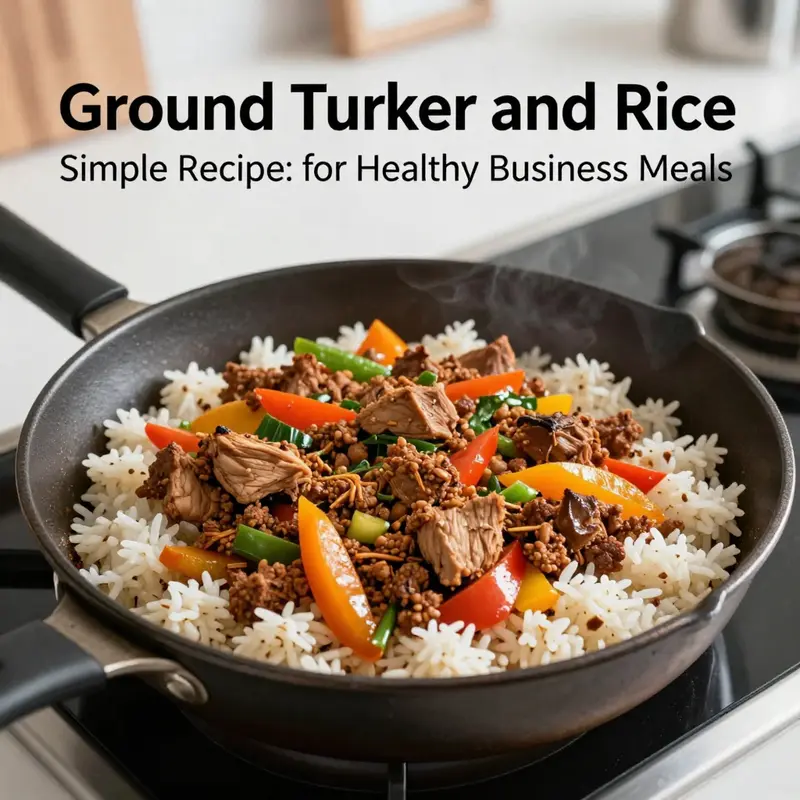
In the landscape of weeknight cooking, the skillet has earned a quiet kind of prestige. It is the instrument where lean ground turkey meets the starch of rice, where heat, time, and a handful of aromatics transform simple ingredients into something that feels both comforting and bright. The appeal of these one-pan variations lies not just in the convenience—though the promise of minimal cleanup is alluring—but in the way a single surface can coax depth from a modest lineup of ingredients. The bottom of the pan becomes a canvas for fond, those browned bits that carry concentrated flavor. As soon as the turkey meets the pan, the surface starts to sing, and each additional layer—onions, garlic, shallots, peppers—adds a note to a savory chorus. The rice, whether pre-cooked, quick-cooking, or even swapped for cauliflower rice in lighter versions, absorbs that chorus and tells a complete story in one sitting.
A core strategy in these one-pan meals is to start with the turkey first, not the vegetables. Crumbling the meat and letting it brown deeply creates a foundation of umami that carries through every other ingredient. The moment the turkey is seared to a golden crust, the pan is ready to release flavor in stages. Aromatics join the party—onions for sweetness and body, garlic for a spicy, aromatic lift, and sometimes shallots for a subtler, more complex perfume. The sizzle is more than sound; it’s a cue that the pan is ready to graduate from simple sauté to a layered, cohesive dish. The technique echoes a familiar American skillet tradition where browning, deglazing, and gradual ingredient addition build complexity without requiring a long, multi-pot process.
Rice acts as the generous, reliable backbone of these dishes. The choice of rice matters, but the principle remains steady: the starch should complement the protein, not overwhelm it. Sushi rice can lend a slightly glossy, compact texture that clings to the meat and vegetables, offering a cozy bite that feels almost spoonable. Brown rice brings chew and heartiness, a nuttier character that stands up to bold seasonings. For those seeking lower-carbohydrate options or a gluten-free frame, cauliflower rice offers a familiar rice-like texture with the lightness of greens. The flexibility here is deliberate. A one-pan method invites experimentation because the cooking physics stay the same even as you swap a base; the pan’s heat concentrates flavors, while the steam gently finishes the dish.
Spicing and seasoning are where the dish reveals its personality. A well-balanced one-pan ground turkey and rice can ride a spectrum from smoky warmth to bright, peppery brightness. Cumin and smoked paprika bring earth and a subtle char, echoing cumin’s smoky cousin without overwhelming the turkey’s lean profile. Ginger adds a brisk lift, waking the palate and steering the dish toward a more global, modern flavor. A kiss of gochujang—though it can be gentle or assertive depending on the amount used—introduces sweetness, heat, and a layer of fermented depth that makes the dish feel contemporary rather than plain. The beauty of these components is that they layer up in the pan as the ingredients cook, each addition a measured step toward a complete, satisfying plate.
Texture is an essential companion to flavor in these one-pan meals. Diced bell peppers offer crispness that contrasts with the soft, simmered rice and the tender turkey. Small cubes of sweet potato or zucchini can be folded in so that each bite carries multiple textures. Leafy greens such as spinach or kale wilt into the mixture, releasing their own mineral freshness while contributing color and nutrition. The starch in the rice holds the sauce beautifully, turning what could be a dry stir-fry into a cohesive, spoonable dish. And then there is the finishing touch—the cucumber crunch—that brings a refreshing counterpoint to the warmth of the skillet. A topping of sliced cucumbers, chili flakes, lime juice, and bright cilantro adds a zingy, crisp counterpoint that enlivens every mouthful. It’s a deliberate contrast: heat and cool, depth and lift, a meal that feels complete in a single, satisfying package.
This approach also adapts to a wide array of dietary preferences without demanding a kitchen overhaul. For those following keto or paleo plans, swapping in cauliflower rice or using a starchy base in a controlled amount helps preserve the one-pan logic while aligning with macronutrient goals. Gluten-free eaters can enjoy the same dish with confidence, since the base does not rely on gluten for flavor or structure. Diabetic-friendly cooks will appreciate the ability to control portion size and pick a rice substitute that aligns with blood sugar targets. The underlying technique—the browning, the fond formation, the careful layering of aromatics—remains intact across these variations, which is what makes the one-pan method so appealing. It rewards both chefs who like to measure and home cooks who prefer to improvise, offering a reliable framework that invites personalization.
One of the most vivid illustrations of this approach is a dish commonly described as One Pan Ground Turkey and Rice with Spicy Cucumber Crunch. In practice, the recipe begins with ground turkey hitting a hot skillet until deeply browned, then a chorus of aromatics joins the scene. Diced peppers, perhaps a little corn for sweetness, and a measured splash of stock or water loosen the fond and raise the aroma. The rice—pre-cooked or quickly cooked—slides into the pan and sizzles, absorbing the savory perfume as it heats through. The gochujang and ginger mingle with cumin and paprika, weaving a warm, nuanced baseline that holds up to the cucumber slaw at the end. The cucumber topping is not an afterthought but a deliberate, bright finish—thinly sliced or julienned cucumbers tossed with chili, lime, and cilantro. The result is a dish that offers warmth and crunch in every bite, a complete meal that comes together in under half an hour.
For cooks who crave variety, the one-pan template scales to a spectrum of global flavors. Mexican-inspired spice blends can emphasize chili powder, oregano, garlic, and lime, pairing especially well with brown rice or cauliflower rice for a satisfying plate that stays mindful of carbohydrates. Mediterranean tones—oregano, thyme, lemon zest, and olive oil—play beautifully with a cauliflower-rice base and a handful of spinach or kale, creating a lighter, herb-forward version that still feels generous and comforting. Asian-inspired accents, such as fresh ginger, a dash of tamari or gluten-free soy sauce, and a touch of sesame, can turn the dish into a savory, umami-forward skillet that complements sushi rice or rolled into a bed of jasmine rice for contrast. The core technique—build flavor in the hot pan, weave in the starch late in the process, and finish with a crisp, fresh topping—remains a reliable compass through all these iterations.
From a practical standpoint, the one-pan format respects the rhythms of busy lives. The skillet heats quickly, browns meat efficiently, and allows the cook to monitor both the texture and the concentration of flavor as the dish comes together. A well-timed addition of pre-cooked rice or a quick-cooking substitute minimizes downtime without sacrificing texture. The method also reduces dishes, which means less cleanup and more time at the table. It is a recipe strategy that speaks to modern cooking sensibilities: flavor with speed, nourishment with simplicity, and a sense of culinary exploration that never feels exotic or out of reach.
The invitation here is not to abandon tradition but to adapt it. Ground turkey pairs well with rice in classic, comforting ways, yet the one-pan format invites you to alter the mood with spices, herbs, and finishing textures. If you want a herby, lemon-kissed version, you can fold in parsley at the end and drizzle the plate with a little extra citrus. If you prefer a deeper, smoky finish, you can let the pan ride a longer sear on the turkey, then add a roasted pepper blend and a smoky paprika kick. If your pantry leans toward Asian flavors, a touch of ginger, garlic, and a splash of sesame oil can shift the whole dish toward a savory, warming note that pairs with white, brown, or cauliflower rice. And if you want a bright, palate-cleanser finish, the cucumber crunch remains a steadfast option to refresh the entire plate.
For readers who want to explore this concept across platforms or recipes, consider the broader idea of pairing ground turkey with a starch in a single skillet. If you’re curious about how ground turkey can pair with different starch bases, see Ground Turkey Pasta. This approach demonstrates how the same core technique can translate across textures and shapes, reinforcing the idea that a single skillet can be a versatile playground rather than a one-off method. You’ll find the anchor idea that the pan’s heat and the layering of flavors are what truly bind the dish together, while the starch acts as a flexible canvas that soaks up the savory notes and carries the meal to the table with ease. Ground Turkey Pasta
An external example that crystallizes this approach—one that readers may wish to study for technique and timing—appears in a well-regarded home cooking reference. It outlines a one-pan ground turkey and rice dish with a spicy cucumber crunch and demonstrates how fond-building, careful timing, and a crisp finish can yield a complete, satisfying meal in under 30 minutes. The technique, with its emphasis on direct heat, quick aromatics, and a finishing cool bite, is a testament to how a few well-chosen steps can transform lean protein and a simple starch into something distinctly memorable. External resource: https://www.thekitchn.com/one-pan-ground-turkey-and-rice-with-spicy-cucumber-crunch-481572
Comfort by the Bowl: Hearty Ground Turkey and Rice Casseroles and Soups as Everyday Nourishment
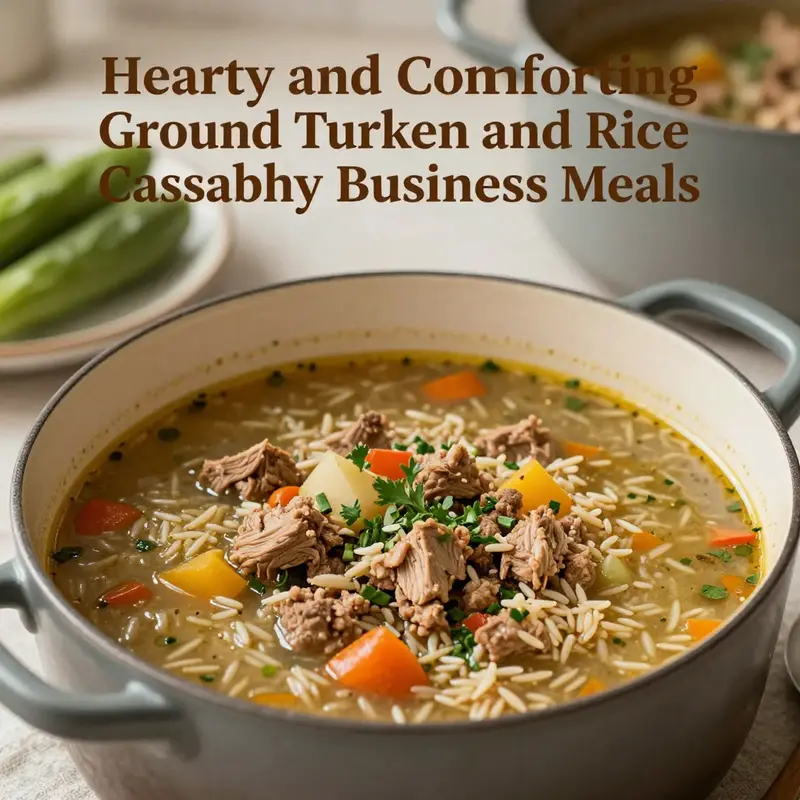
In the quiet of early evening, a casserole dish becomes a map of warmth and nourishment. The lean ground turkey and the familiar bite of rice meld with herbs, vegetables, and slow-simmered broths to form a unified portrait of comforting cooking. This chapter threads together the idea that casseroles and soups built around ground turkey and rice can be sturdy, satisfying, and adaptable enough to meet a range of needs—from heartier family dinners to weeknight meals that plan ahead and minimize waste. The beauty of these dishes lies in their ability to translate simple pantry staples into something that feels both nourishing and special, a small ritual that ends a busy day with a sense of home.
Ground turkey, with its mild, adaptable flavor and low fat content, acts as a dependable canvas. It soaks up the fragrance of onions, garlic, thyme, and bay, while developing a gentle browning that adds depth without heaviness. Rice serves as the bread crumb on a loaf of comfort, providing structure, substance, and warmth. White rice offers a quick, neutral base that lets herbs shine; brown rice adds nutty character and longer satiety; wild rice introduces an earthy chew and a slightly peppery note. When these grains are coaxed with vegetables—onions that soften to a savory sweetness, carrots that glow like tiny suns, celery that adds crispness—and bound with stock or broth, the result is a comforting bowl or a cozy casserole that invites seconds without demanding it. The transition from a straightforward skillet meal to casseroles and soups is less a leap and more a refinement: the same core components are allowed to mingle, mature, and present themselves in layers of flavor that are both familiar and unexpectedly nuanced.
Consider the first anchor in this collection: Hearty Ground Turkey and Sweet Potato Casserole. This dish nods to American Southern comfort while embracing modern nutrition. Roasted sweet potatoes bring natural sweetness and a forgiving texture that contrasts with the light, browned turkey. Onions and garlic contribute aroma and palate depth, while a modest, tangy sauce—whether tomato-based or herb-forward—binds the components without masking their individual personalities. A crisp topping of cheese or breadcrumbs offers an inviting bite on the surface, a reward that gratifies without overwhelming the lighter center. The beauty of a casserole is always in its make-ahead potential. Components can be prepared on the weekend, layered, and kept ready for baking when the family comes together. For households that crave convenience without sacrificing nourishment, this is a reliable solution that travels well to gatherings or even potlucks. If you want to explore a different angle on lean turkey and pasta, there is another route to try that still centers on turkey as the star—see Ground Turkey Pasta. You can find that idea here: Ground Turkey Pasta.
Next, the comforting rhythm shifts to a classic winter staple reimagined with the nutty profile of wild rice: Hearty Turkey and Wild Rice Soup. This is a pot that feels like a long slow hug. The wild rice, a seed of an aquatic grass, delivers a chewy texture and a flavor that is subtly earthy, echoing the land from which it comes. The soup base starts with aromatics—onions, carrots, and celery—that release their sweetness as they soften and glaze the pan. Ground turkey browns to create a gentle fond, which is then coaxed into a deeply flavored broth with thyme and a bay leaf. The wild rice swells slowly, soaking up the savory gravitas of the pot while keeping a satisfying bite that prevents the dish from turning mushy. This is the kind of soup that benefits from leftovers, since the starch from the rice continues to soften even as the flavors meld further in the fridge. And it carries with it a sense of culinary history: wild rice holds a significant place in Indigenous and regional foodways, offering a nod to tradition while standing firmly in contemporary comfort cooking. It’s the kind of dish that makes cold days feel less biting and more inviting, a reminder that nourishment can be both hearty and culturally resonant.
The third thread in this trio widens the scope to a lighter, yet deeply flavorful, approach: Hearty Ground Turkey and Rice Soup. This version leans on the comforting strength of onions caramelized to a gentle glaze, which adds sweetness and depth without relying on heavy sauces. A straightforward broth, whether beef or chicken, frames the turkey and rice with a clean, savory backbone. A splash of cream or a modest amount of cheese can lend richness if desired, but the dish remains approachable and bright, especially when finished with a handful of greens or a swirl of fresh herbs. Vegetables such as carrots, peas, spinach, or mushrooms fold in easily, each adding color and texture. A touch of tomato paste can lift the flavor, introducing subtle umami and a slight brightness that keeps the palate engaged. This soup is ideal for batch cooking because it stores and reheats well, and it scales to feed a crowd or stock up a freezer for meals on busy days. Its versatility means it can transform from a simple weeknight supper to a nourishing lunch option that travels well for work or school.
What unites these variations is their philosophy of nourishment through simplicity and balance. Ground turkey supplies lean protein without heaviness; rice anchors the dish with comforting carbohydrates; vegetables provide fiber, micronutrients, and color; and herbs and spices bring aroma and personality without overwhelming the palate. The choice of rice can tailor the dish to different needs and preferences. A quick, forgiving white rice makes for a speedy weeknight casserole; brown rice invites a nuttier texture and more fiber, which translates to longer fullness between meals; wild rice, with its distinctive chew, elevates soups to a more substantial, seasonal experience. A clever blend—such as a rice mix in a soup or a layered mix in a casserole—can deliver a richer mouthfeel while keeping prep and cook times reasonable. For those navigating gluten intake, these recipes are adaptable as well; they can be thickened with natural reductions or light, dairy-based additions rather than relying on gluten-heavy sauces.
The broader appeal of these dishes lies not only in their flavor and texture but also in their practicality. They are ideally suited for meal planning, batch cooking, and make-ahead strategies that satisfy a busy household. A Sunday bake of Hearty Ground Turkey and Sweet Potato Casserole can be portioned into individual containers for weekday lunches, ensuring that nutritious meals await at the end of a workday. A pot of Hearty Turkey and Wild Rice Soup can be prepared in larger quantities and frozen in portions, ready to be thawed and reheated when the family needs warmth on a chilly night. The lighter, broth-forward Hearty Ground Turkey and Rice Soup demonstrates how a compact ingredient list can still produce complexity of flavor. By focusing on aromatics, careful browning, and controlled simmering, the cook preserves the integrity of each component while coaxing out a satisfying, layered experience.
From a nutritional standpoint, these dishes embody a thoughtful balance. Ground turkey’s lean profile lowers saturated fat relative to many forms of red meat, supporting heart health and making it suitable for a variety of dietary goals. Rice provides sustained energy, and when brown or wild varieties are chosen, adds fiber that supports digestion and fullness. Vegetables deliver a spectrum of vitamins, minerals, and plant-based antioxidants, while herbs and spices contribute aroma, immune-supporting compounds, and depth without adding excess calories. The soups emphasize hydration and warmth, two allies in managing appetite and comfort during colder seasons. The casseroles offer a chance to enjoy generous portions with portion control and careful topping choices, ensuring both satisfaction and restraint when needed. Together, these dishes reflect a cooking approach that values nourishment, balance, and adaptability—an approach that remains practical for families, singles, and those cooking for guests alike.
Practically speaking, a kitchen plan can harness the strengths of these recipes in several accessible ways. A Sunday afternoon might begin with browning a large batch of ground turkey, then dividing it into the day’s future meals: some browned turkey for a hearty casserole with roasted vegetables, some simmered into a comforting wild rice soup, and a portion set aside for a quick skillet dinner that finishes with a measured addition of stock and a handful of rice to reintroduce texture. A casserole can be built in stages: a light sauté of onions and garlic, a layer of turkey, a spread of roasted sweet potatoes, a modest sauce, and a final topping that offers contrast in texture. This method ensures the dish bakes evenly and yields fragrant, caramelized edges. If a lighter version is desired, the cheese topping can be replaced with a crisp herb crumb or omitted altogether, maintaining color and crunch without excess richness. The soups benefit from a careful balance between simmering time and the addition of rice toward the end, which preserves the rice’s structure and avoids a mushy finish. Such attention to process turns humble ingredients into meals that are comforting, flavorful, and reliable day after day.
All told, ground turkey and rice in casseroles and soups offer more than nourishment. They provide a flexible framework for family meals, shared with friends, or simply delicious leftovers that feel like a special treat. They honor tradition while embracing the realities of modern cooking—time constraints, budget considerations, and the desire for meals that are health-forward without compromising on flavor. The pantry is a playground when you know how to combine a lean protein with a resilient grain and a handful of seasonal vegetables. In this sense, these dishes are not merely recipes; they are a living approach to everyday cooking that makes a home feel warmer, and a kitchen feel more intentional and joyful.
External resource: https://www.foodnetwork.com/recipes/hearty-ground-turkey-and-rice-casserole-3245167
Final thoughts
Ground turkey and rice recipes serve as essential tools for food business owners seeking to meet the rising demand for healthy, quick meal options. By embracing one-pan variations, operators can streamline preparation, reduce labor costs, and ensure that each dish is not only nourishing but also flavorful. Casseroles and soups expand this platform, allowing chefs to create heartwarming meals that evoke comfort and togetherness—a winning combination in any restaurant. Ultimately, integrating these versatile recipes into your offerings can enhance customer satisfaction and loyalty, driving success in today’s competitive food landscape. As diners continue to seek health-conscious choices, ground turkey and rice meals will undoubtedly remain a staple worth incorporating into menus.