
Ground lamb meal serves as a highly nutritious ingredient, rich in essential proteins and minerals, making it a valuable choice for both pet foods and culinary applications. Its unique flavor profile and health benefits underscore its significance not only in livestock diets but also in the gourmet food scene. This article explores the nutritional components of ground lamb meal, and its diverse culinary uses, providing business owners with insights to leverage its advantages for profitability and customer satisfaction.
In the Ground: A Nutritional Blueprint of Lamb Meal for Health, Muscle, and Immune Support
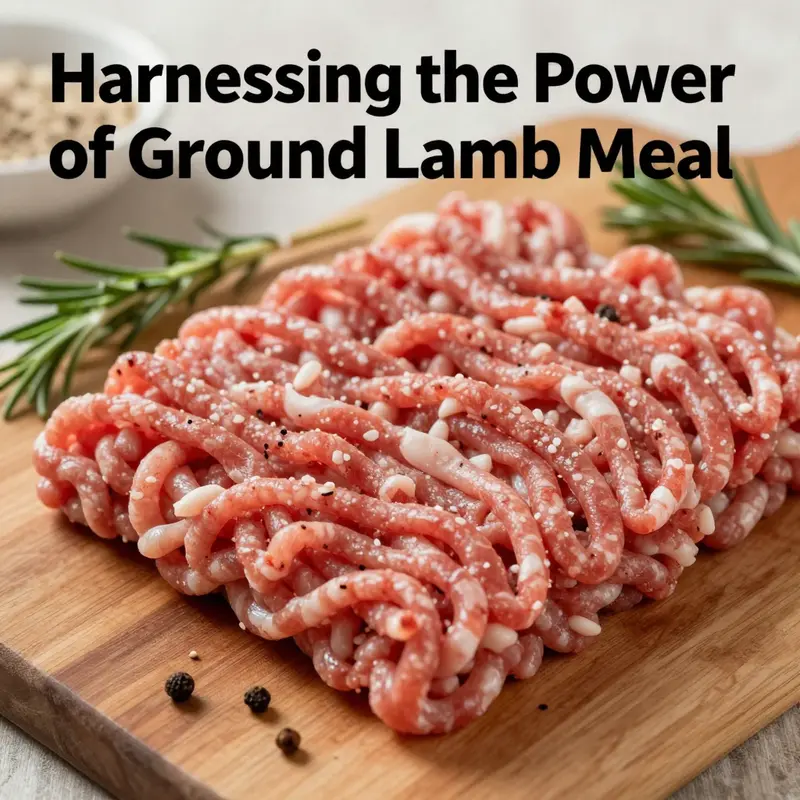
Ground lamb meal is more than a culinary staple; it is a compact, nutrient-dense ingredient whose appeal goes far beyond flavor. When finely ground, lamb meat becomes a concentrated source of high-quality protein, a foundation for muscle maintenance, tissue repair, and a host of metabolic processes fundamental to daily function. In numerical terms, 100 grams of ground lamb supplies about 16.8 grams of protein, a figure that translates to roughly the protein content of 2.8 eggs, 0.6 chicken breasts, or 1.2 cups (327 grams) of black beans. These comparisons illuminate how ground lamb meal can stand alongside other protein sources in delivering essential amino acids in amounts that the body can utilize efficiently. The quality of that protein matters, too. The amino acid profile present in ground lamb aligns well with the needs of carnivorous species, providing all the essential amino acids in a balanced ratio that supports growth, repair, and immune function. For pets like dogs and cats, that completeness translates into durable foundations for lean mass and steady energy, making ground lamb meal a favored option in formulations that seek to emulate the nutrient density of animal-based diets. Yet the story of ground lamb meal goes beyond a count of grams; it is a narrative of protein quality meeting fats, vitamins, minerals, and bioactive lipids that together shape health outcomes in nuanced ways. Grass-fed ground lamb, in particular, pushes the conversation toward a richer nutrient tapestry. A 100-gram portion of grass-fed ground lamb provides about 17.9 grams of protein, a modest uptick over conventional lamb, and it is comparable to the protein content of about 3 eggs, 0.7 chicken breasts, or 1.3 cups (348 grams) of black beans. The extra protein is just part of the picture. Grass-fed lamb tends to carry higher levels of omega-3 fatty acids, conjugated linoleic acid (CLA), and natural antioxidants, all of which contribute to a dietary profile that many researchers and nutrition-minded readers find appealing. The omega-3s from grass-fed sources can temper the omega-6 to omega-3 balance, a factor some studies flag as important for inflammatory control and cardiovascular health, while CLA has drawn attention for potential body fat modulation and metabolic benefits in animal models. In practice, these fatty acids do not exist in isolation; they interact with the broader fat matrix, influencing the overall energy density and lipid stability of the meal. Ground lamb meal also carries vital minerals that support numerous physiological systems. Iron stands out as a powerhouse for oxygen transport and energy metabolism, while zinc underpins immune function, wound healing, and cellular signaling. These minerals are not mere numbers on a label; they are active players that help sustain vitality across life stages. The B-vitamin family, particularly vitamin B12, is abundant in lamb and serves essential roles in nerve function, the production of DNA, and the maintenance of energy metabolism. Ground lamb meal thereby contributes not only to macronutrient sufficiency but also to micronutrient balance, an attribute that helps distinguish it from other protein sources that may be leaner in trace nutrients. Among the bioactive fats present, conjugated linoleic acid (CLA) garners attention for its potential to influence body composition and metabolic health in animal studies. While the precise implications for humans and companion animals remain under investigation, CLA is a recognizable component of lamb lipids that may interact with oxidative stress pathways and inflammatory mediators in meaningful ways. That connection, however, is not isolated from the broader fat matrix. The fatty acid profile of ground lamb meal shifts with rearing conditions, especially the diet of the lamb. Lambs raised on pasture typically show higher levels of polyunsaturated fatty acids (PUFAs) relative to those fed grain-based diets. Those PUFAs can enrich the meal’s nutritional value but also raise the specter of oxidative deterioration if the product is not stored under appropriate conditions. This reality places a premium on vigilant quality control and nutrient analysis throughout production and after storage—an essential practice to ensure that ground lamb meal preserves its health-promoting properties from the farm to the feeding bowl. In the balance of benefits and cautions, the antioxidant profile of ground lamb meal often appears favorable when compared with other protein sources. Antioxidants can help offset the oxidation risk associated with higher PUFA content, stabilizing lipids and supporting overall meal integrity. A more favorable antioxidant milieu complements the mineral and vitamin content, creating a synergistic protective effect that can benefit both humans who consume lamb as a culinary staple and animals that rely on lamb meal as part of their dietary program. For pet diets in particular, the chorus of benefits extends into digestibility and palatability. Animal-based proteins are generally well-tolerated and highly digestible, supporting efficient nutrient absorption and stable energy levels. This translates to consistent stool quality, steady activity, and a brighter coat for many pets. Yet even a high-quality ingredient like ground lamb meal requires thoughtful sourcing and processing. The nutritional advantage can be moderated by factors such as storage temperature, exposure to light, and the interval between milled production and final distribution. Ground meats can be susceptible to oxidative processes if not protected, so producers commonly implement packaging strategies and antioxidant stewardship to preserve nutrient integrity throughout shelf life. As such, the transformation from pasture to plate or bowl involves not only meat quality but also the stewardship of that quality through careful handling, storage, and monitoring. The diet of the animal also leaves a fingerprint on the final product, influencing not just omega-3 content but also the overall fatty acid composition and the propensity for oxidation. When ground lamb meal is incorporated into diet plans for humans or animals, the broader context matters: sourcing from pasture-based systems can improve certain nutrient dimensions but may demand more rigorous storage practices to maintain stability. Conversely, grain-fed systems may yield a different fatty acid spectrum, with potential implications for flavor, texture, and oxidative risk. The point is not to champion one system over another but to recognize that the nutritional profile of ground lamb meal is a dynamic product of rearing, feeding, and processing choices, all of which ripple through to the consumer who ends up with a nutrient-dense ingredient in their pantry or pet bowl. Within this complex landscape, the practical takeaway is clarity about what ground lamb meal contributes: a robust protein foundation with a complete amino acid profile, generous micronutrients such as iron and zinc, and a B12-rich atlas of nervous system support. The fat component, including CLA and omega-3s, adds layers of metabolic potential, especially when cheese-crusts of fat aren’t the only source of flavor but a meaningful physiological signal about diet quality. The risk of oxidative deterioration associated with higher PUFA content requires proactive management: rapid processing, protective packaging, and controlled storage conditions. In a practical sense, this means consumers and formulators should look for ground lamb meal that has undergone rigorous nutrient analysis and quality assurance steps at production and prior to distribution, ensuring that the dense nutrient package remains intact from producer to plate or bowl. When considering the broader dietary picture, it becomes clear that ground lamb meal can serve as a potent nutrient anchor in both human-focused nutrition and animal nutrition. Its balance of high-quality protein, minerals, and bioactive fats positions it as a compelling option for those seeking to optimize muscle health, immune resilience, and metabolic function through animal-sourced nutrients. Yet the narrative remains anchored in the realities of how the product is produced and stored. For readers who want to explore practical applications that connect nutrition to everyday meals and recipes, a look at the wider lamb repertoire—such as ground-lamb-recipes—can provide ideas on how to incorporate this ingredient into a varied, flavorful menu while maintaining a focus on nutrition. As one considers the journey from pasture to plate, the integrative view of ground lamb meal emerges: a nutrient-dense, palatable, and potentially health-supporting protein source whose value rests on quality at every stage—from farm management and feed composition to processing, storage, and culinary use. For a science-forward summary of the components discussed, see the external resource that outlines ground lamb nutrition in detail and offers a data-driven perspective on the nutrient architecture of this meat-based ingredient: https://www.prospre.com/food/nutrition/ground-lamb. Additionally, curious readers may follow a related culinary thread to see how ground lamb can be woven into diverse menus; for example, a collection of recipes featuring ground lamb is available at ground-lamb-recipes, which can provide practical inspiration for incorporating this nutrient-dense ingredient into everyday cooking. External resource: https://www.prospre.com/food/nutrition/ground-lamb
From Succulent Ground Lamb to Extraordinary Plate: Flavor, Fusion, and Craft in Ground Lamb Meal
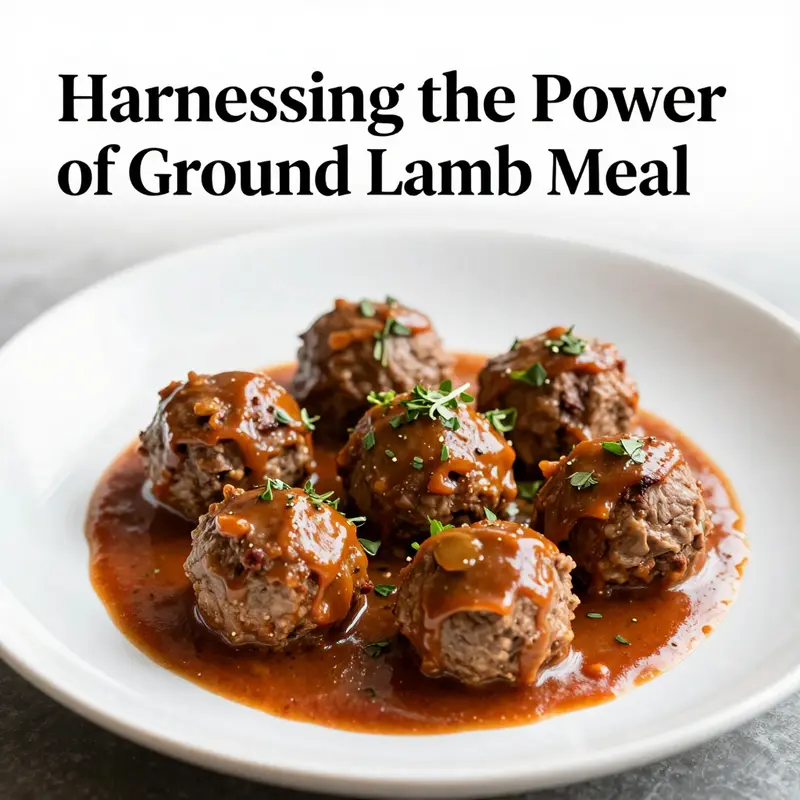
Ground lamb meal sits at a curious crossroads of nutrition, aroma, and culinary possibility. It is more than a protein source; it carries a memory of pasture and place in its fat, its amino-acid composition, and the way heat unlocks its distinctive character. The finely ground texture concentrates the lamb’s inherent legibility on the tongue, making its flavor profile immediately recognizable: a lush richness that carries a slightly sweet undertone, an earthy depth that mirrors the animal’s diet and life cycle, and a fat-driven succulence that makes every bite feel substantial. When this meat is ground, those attributes become more concentrated and more intimate, inviting cooks to explore a spectrum of techniques that honor the meat’s natural tendencies rather than fight them. The aroma of raw ground lamb is robust and resonant, a warning and a promise at once. As heat lowers the moisture level and renders fat, that aroma shifts toward a nutty, savory complexity. The transformation is part chemistry, part memory; it is the scent of a meat that has known the outdoors and the warmth of the kitchen at once. This is not simply flavor; it is flavor accelerated, a concentrated experience that rewards thoughtful preparation and careful pairing rather than bland handling. The cooking process demands respect for the fat content, which is high enough to carry flavor and moisture but enough to risk greasiness or bitterness if not managed with care. Rendering the fat properly becomes a defining step in many preparations, guiding the texture toward juicy tenderness rather than dense heaviness. The balance between fat and lean in ground lamb meal thus becomes the chef’s ally, enabling a moist interior and a browned, textural exterior through attentive heat management, gentle handling, and strategic resting. The resulting flavor is not one-note but a chorus, with the lean meat offering mineral-rich depth and the fat contributing a creamy, satisfying mouthfeel that anchors the dish. The richness is complemented by a natural sweetness that emerges as the meat caramelizes during browning, a product of Maillard reactions that intensify the aroma compounds and deepen the color. This is not incidental; it is an integral aspect of lamb’s culinary identity, amplified by the ground form that exposes more surface area to heat and encourages even development of color and flavor across the entire portion.
The flavor profile of ground lamb meal also carries echoes of the animal’s diet and age. Lambs raised on pasture often deliver a brighter, more herbaceous note with pronounced undertones that can seem grassy or earthy, especially when the meat is leaner or slightly older. In contrast, lamb from feed-regimented systems may exhibit a broader fat matrix with a deeper, more putty-like richness that still shines when handled with finesse. These nuances are not merely curiosities; they inform how cooks approach seasoning, fat management, and cooking temperature. For a traditional preparation, one might lean into the meat’s natural sweetness with a restrained use of salt and a modest blend of warm spices. The goal is to cultivate balance: enough spice to elevate the natural character without overshadowing the lamb’s inherent aroma. The dynamic between spice and meat is a call to attention to the science of flavor chemistry. Ground lamb’s fat is not simply a vehicle for heat—it is an active participant in flavor development. Its fatty acids interact with amino acids, sugars, and aroma compounds during browning, producing a layered bouquet that can be both comforting and striking. When a cook welcomes this complexity, the dish invites pareddown simplicity and controlled improvisation, letting the meat’s own strength guide the aromatic development rather than micro-managing it with overpowering add-ins.
The culinary uses of ground lamb meal reflect its versatile flavor and generous nutrition. In traditional contexts, it anchors dishes across Middle Eastern and Mediterranean kitchens—kebabs that seduce with crisp edges and juicy centers, kofta with a tactile balance of tenderness and bite, and dolma fillings where the meat’s savor lifts the vegetables and grains it surrounds. These applications harness the meat’s propensity to hold moisture while delivering a meaty bite that remains distinct from other proteins. Yet the same ingredient also travels confidently into contemporary and even gourmet territory. It can become the heart of hearty stews that benefit from long, slow simmering to coax out the meat’s maximum richness, or the focal point in richly textured sausages that braid spice, herb, and fat into a cohesive bite. Given its high protein density and fat content, ground lamb meal lends itself to dishes that crave both heft and brightness. Pairing ideas flow naturally from its flavor profile: aromatic herbs like rosemary, thyme, and oregano echo the lamb’s earthiness; warm spices such as cumin, coriander, and paprika mirror the smoke and depth of the meat’s seared crust; pungent alliums—garlic and onions—offer their signature savor without masking the lamb’s core voice; and tangy acids—lemon juice, yogurt, or a light vinegar—help cut through the richness while brightening the overall impression.
The synergy of flavor and technique finds a contemporary resonance in experiments that aim to map how seasonings transform the meat’s volatile landscape. A peer-reviewed study on flavor profiling of grilled lamb seasoned with classic salt, chili pepper, and cumin reveals how specific seasonings sculpt the volatile compounds that shape aroma and perception. The research employs advanced analytic methods—HS-SPME-GC-MS, GC-IMS, and an electronic nose—to chart how spice matrices interact with the lamb’s inherent aroma, documenting shifts in aroma intensity, balance, and the emergence of new notes during grilling. Though the study centers on grilled lamb, its findings offer practical guidance for ground lamb applications as well. The takeaway for cooks and product developers is that thoughtfully chosen seasonings can amplify desirable notes—those nutty, meaty, slightly sweet elements—while tempering any fatty rough edges that might otherwise cling to the palate. It is not just about heat; it is about orchestrating aroma release and perception in a way that respects the meat’s natural fingerprint. When a recipe embraces this philosophy, it achieves a sense of coherence, where every element—the meat, the fat, the spice, the acid—contributes to a single, confident flavor trajectory rather than a collection of disparate notes.
Storage and quality considerations accompany the flavor journey of ground lamb meal. Its profile—rich, fatty, and capacious—makes oxidation a real concern if products are not handled with vigilance. Pasture-derived lambs often offer a more fragile fatty acid balance, which can lead to faster deterioration if the product is not protected from light, heat, and air. From a production standpoint, this emphasizes the need for rapid processing, robust packaging, and careful nutrient analysis both during production and after storage. The nutrient stewardship extends beyond safety into flavor stability and aroma retention. The conjugated linoleic acid (CLA) present in lamb fat adds another layer to the nutritional narrative, with research exploring its potential benefits for body composition and health metrics. The presence of antioxidant compounds within the meat further enhances its appeal as a nutritious choice, possibly providing a more favorable profile than some alternative proteins. This is not merely a claim about healthfulness; it is a practical reminder that quality control at every stage—slaughter, grinding, packaging, and storage—affects the final sensory experience as much as it does the nutritional yield. When quality management is meticulous, ground lamb meal delivers a reliable foundation for a spectrum of dishes that honor its flavor and texture while supporting a balanced dietary approach.
Culinary technique remains the most accessible bridge between flavor potential and culinary reality. Ground lamb meal responds beautifully to a range of heat applications, from gentle pan-frying that preserves tenderness to a robust searing that transforms surface proteins into a caramelized crust. The key is to respect the meat’s strength while guiding its fat into a harmonious embrace with the accompanying ingredients. This means avoiding overworking the meat during shaping, which can toughen texture, and choosing cooking temperatures that promote browning without excessive moisture loss. In practice, a chef might opt for medium to medium-high heat, allowing a gentle initial sear to set the crust and trap juices, followed by controlled modest heat to finish. Resting the meat after cooking is not a luxury but a necessity; it permits the juices to redistribute and the flavor molecules to settle, ensuring each mouthful delivers both tenderness and depth. For more imaginative applications, the meat’s rich base invites integrations with citrus and yogurt in sauces, dairy-based emulsions to balance fattiness, or bright-green herb accents that illuminate the palate without overpowering the core taste. The outcome is a dish that remains faithful to lamb’s character while inviting a broader audience through balance, texture, and aroma.
The narrative of ground lamb meal is thus a narrative of balance. It is not a one-note centerpiece; it is a canvas for technique, seasoning philosophy, and sensory science. Its legible, meaty backbone can carry complex seasonings with grace, or recede gracefully in the presence of delicate accompaniments that highlight its natural sweetness. It is a protein that rewards curiosity and restraint in equal measure, offering a pathway to both rustic and refined plates. To cooks and creators, this means embracing the meat’s own voice when selecting herbs, spices, and acids and recognizing that the scent of fat rendering is not a flaw to hide but a sign to nurture. In product development terms, it suggests a design philosophy rooted in quality control, nutrient integrity, and a flavor map that values both stability and expressiveness. The result is a ground lamb meal that is not only nourishing but also capable of telling a story—one that begins with the animal’s life and ends on the plate as a memorable, comforting, and slightly adventurous eating experience. For those seeking inspiration beyond the familiar, exploring the nuanced dialogue between fat, aroma, and spice can yield new dishes that celebrate the meat’s unique identity while inviting readers to rethink what ground lamb can be in modern kitchens. Ground lamb meal, then, is not simply a component; it is a catalyst for flavor exploration, a bridge between tradition and modern technique, and a testament to the craft of turning primal taste into everyday feast. If you want a closer look at a collection of dishes inspired by this ingredient, you can explore related recipes such as Ground Lamb Recipes on the blog. Ground Lamb Recipes.
External resources can illuminate the science behind flavor development in lamb preparations. A detailed study on how seasonings shape the aroma landscape of grilled lamb provides a scientific backdrop to the sensory experiences discussed here. While the study analyzes grilled preparations, its implications for ground lamb applications—especially regarding the choice and balance of salt, heat, and spice—offer practical guidance for home cooks and professionals alike. Readers interested in the intersection of analytical flavor profiling and everyday cooking may find this resource a useful extension of the topics covered here: Flavor Profile Analysis of Grilled Lamb Seasoned with Classic Salt, Chili Pepper, and Cumin.
Final thoughts
Incorporating ground lamb meal into your product offerings not only enhances the nutritional profile of pet foods but also elevates culinary creations. This versatile ingredient provides a rich source of protein, essential vitamins, and distinctive flavors that can appeal to health-conscious consumers and culinary enthusiasts alike. By understanding its unique benefits and applications, business owners can strategically position themselves in the market, harnessing the power of ground lamb meal for sustained growth and customer satisfaction.