
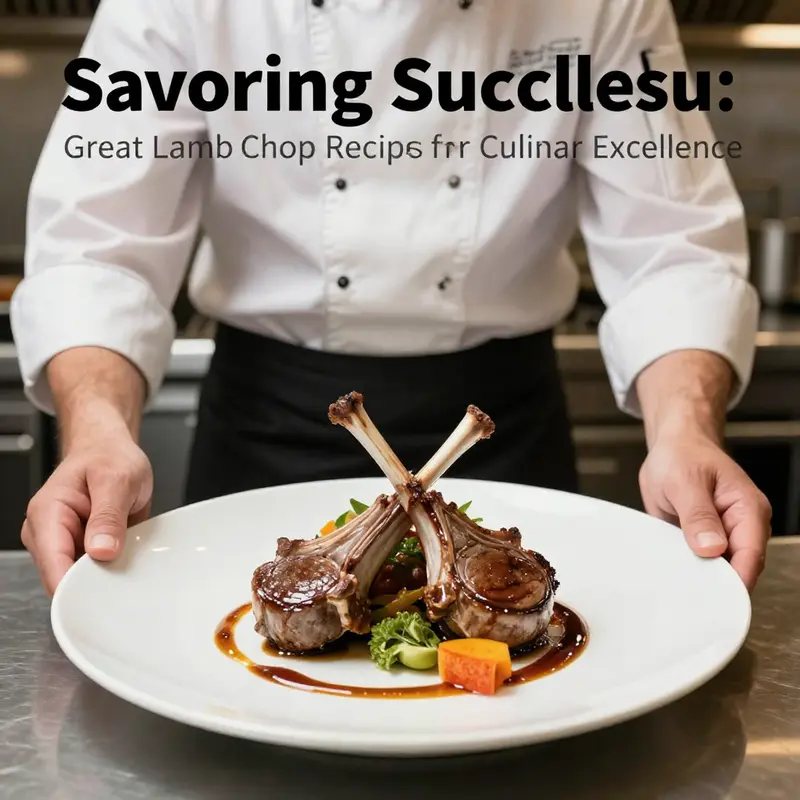
Lamb chops are a culinary delight that can redefine any meal. These tender, flavorful cuts are perfect for both casual gatherings and elegant affairs, making them an exceptional choice for business owners looking to impress clients or elevate dinner parties. In this exploration, we’ll delve into three fabulous lamb chop recipes: perfectly grilled loin lamb chops offering simplicity and elegance, herb-crusted barbecued lamb chops for bold flavor, and Mediterranean-inspired marinated lamb chops that bring a bright twist to your table. Each chapter will guide you through techniques and flavor profiles to ensure your lamb dish turns heads and tantalizes taste buds.
Seared to Perfection: Mastering Perfectly Grilled Loin Lamb Chops for Restaurant-Quality Home Cooking
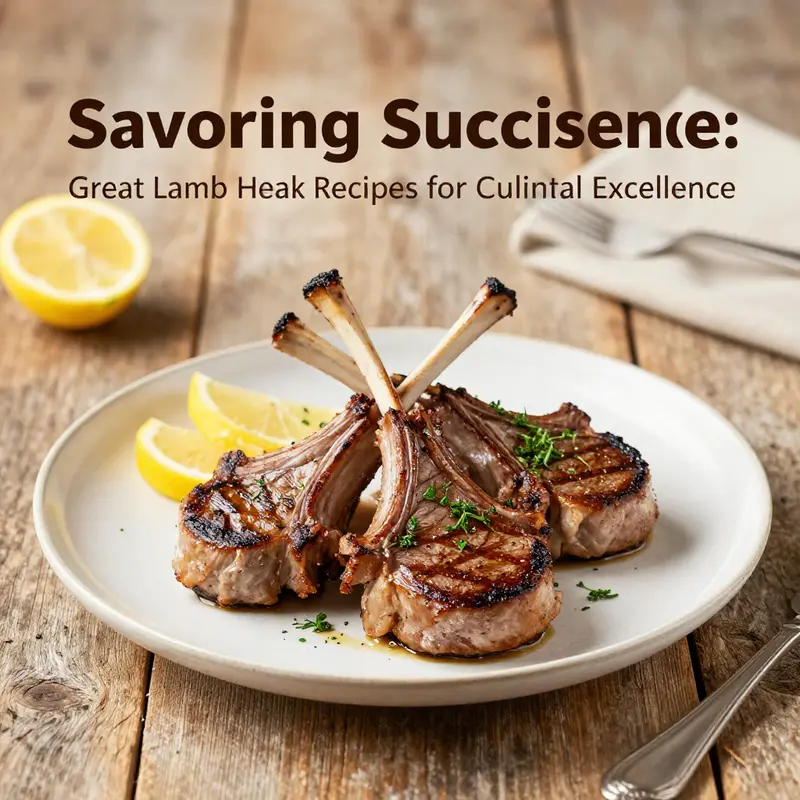
The lure of a well-grilled loin lamb chop lies in its balance of richness and tenderness, a bite that lands with a confident sear and a delicate, juicy center. When you start with loin chops, you are working with a cut whose natural flavor speaks for itself. The goal is not to mask that character with elaborate marinades, but to coax its best through high heat, precise timing, and a simple, thoughtful seasoning. The result is a dinner that feels both luxurious and effortless, a restaurant-quality moment made at home. The method that consistently delivers this result is deceptively straightforward: a careful prep, a fast, high-heat sear, and a patient few minutes of rest that lets the juices settle back into the meat rather than running off the plate.
Begin with the chops at room temperature for a short, purposeful window. The guidance, echoed by seasoned chefs, is to let them warm for about 15 minutes before they meet the grill. This prevents the interior from shocking the heat and helps achieve a crisp, evenly caramelized crust. Dry them thoroughly with paper towels; moisture on the surface is the enemy of a clean sear. A thin layer of olive oil on both sides keeps the surface glossy and aids browning, while not diluting the fundamental lamb flavor. Then comes the seasoning—humble, direct, and effective. A mixture of minced garlic, finely chopped fresh rosemary, lemon zest, coarse sea salt, and black pepper creates a bright, aromatic perimeter that respects the meat’s bold character. If you like a touch of heat, a pinch of red pepper flakes can spark the finish without overpowering the lamb’s natural chords. This combination honors the advice that the loin’s richness can shine through with restraint; you don’t need to bury the chop in complicated coatings to achieve depth.
After the rub is applied, allow the flavors to mingle for a short time—15 minutes at room temperature does the job, with an option to marinate for 30 minutes to 2 hours if you crave a deeper note. The longer marination can deepen the aroma, but the core technique remains unchanged: you honor the meat by minimizing manipulation and maximizing high heat when it’s time to cook.
Preheating the grill is where precision begins. A clean grate and high heat—ideally in the range of 450–500°F (230–260°C)—are essential. If your chops are thicker than an inch, consider a two-zone setup. Direct heat on the hot side for an intense crust, and indirect heat on the cooler side to coax the interior toward your target doneness without scorching the exterior. This two-zone approach mirrors a philosophy of control: the crust forms quickly with a fierce sear, while the interior finishes gently, preserving moisture and tenderness.
Searing the chops takes a precise 3–4 minutes per side. The goal is a deep, attractive crust with grill marks that speak to high heat, not a gray, overcooked center. Flip only once with tongs; resisting the urge to press down with a spatula helps retain precious juices and keep the surface intact for that coveted crust. The internal temperature is your compass here, guiding you from rare through medium-rare to medium. For loin chops, medium-rare—around 130–135°F (54–57°C)—is widely regarded as the sweet spot for flavor and texture. If you wish, you can push toward a gentle medium, but beyond that, the tenderness can begin to wane. A reliable meat thermometer is the most trustworthy ally in this moment of judgment.
Rest is not an afterthought but a culmination. Once the chops have reached their desired doneness, transfer them to a warm plate and rest for 5–7 minutes, loosely tented with foil. This pause lets the juices, displaced toward the center during cooking, redistribute evenly. Skipping the rest is an easy way to end up with a chop that seems flavorful on the surface but dries out with the first bite. A squeeze of fresh lemon over the finished chops brightens the richness, lifting the flavors without masking them. Pairings are wonderfully flexible: grilled vegetables, a crisp salad, or a simple grain pilaf all complement the meat’s unadorned grandeur.
Within these steps lies a thread of practical wisdom: high heat and restraint. The approach respects the intrinsic quality of loin lamb chops, letting their natural deliverables—flavor, juiciness, and a satisfying bite—shine through. The guidance offered by culinary experts nudges us toward emphasizing technique over complexity. High heat is essential because it creates that rapid Maillard reaction that locks in juices and forms a crust. Don’t overcook; medium-rare remains the pinnacle for tenderness. When in doubt, rely on a thermometer rather than guesswork. And above all, let simplicity be your ally; a well-seasoned chop needs little more than a platform that highlights its own virtue.
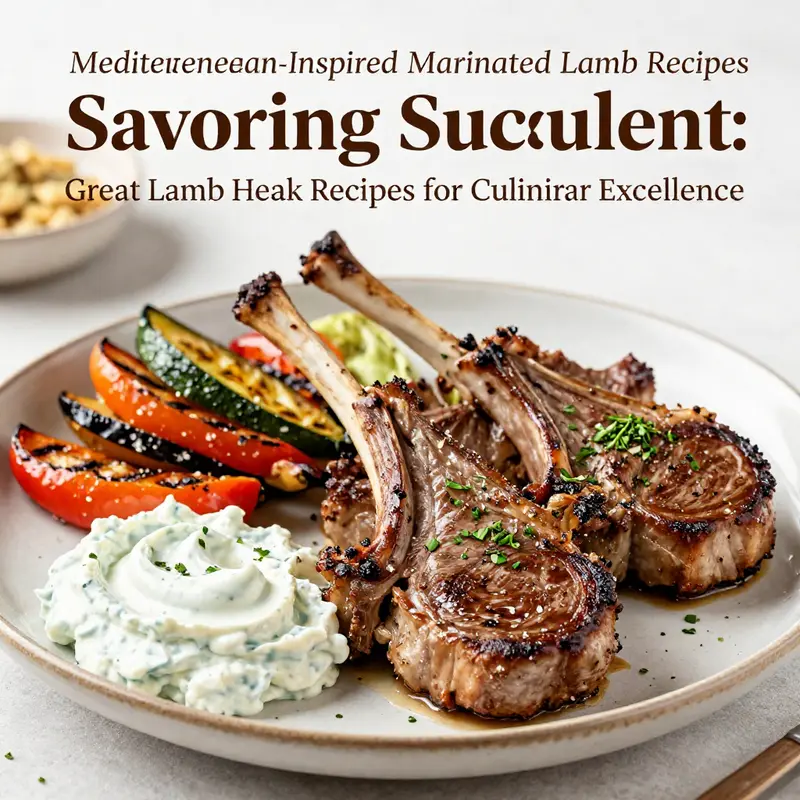
For cooks who wish to explore a touch more depth without losing the light, bright profile of lemon and herbs, there is a world of Mediterranean-inspired ideas that can live alongside this method. A simple Mediterranean-style marinade—olive oil, lemon juice, garlic, oregano, and a pinch of salt—can be used as an optional step for a longer, flavor-rich soak. Marinate and proceed with the same grilling discipline, then finish with a light yogurt sauce or tzatziki and a side of grilled vegetables for a brighter contrast to the hearty lamb. See more about Mediterranean lamb recipes for inspiration and variations.
As you perfect this technique, you’ll discover how the best results come from a balance of precise heat, minimal interference, and thoughtful seasoning. The loin’s natural allure is undeniable, and with these steps you can deliver a dish that echoes the refined simplicity of a restaurant plate, right at home. For further reading and ideas that extend beyond the grill, explore related approaches to lamb and its many delicious expressions.
External resource: for a detailed, kitchen-tested visual guide to grilled lamb chops, you can consult expert demonstrations and additional techniques at https://www.pwwb.com/grilled-lamb-chops-recipe.
Crust and Sear: Mastering Herb-Crusted Barbecued Lamb Chops for Home Kitchens
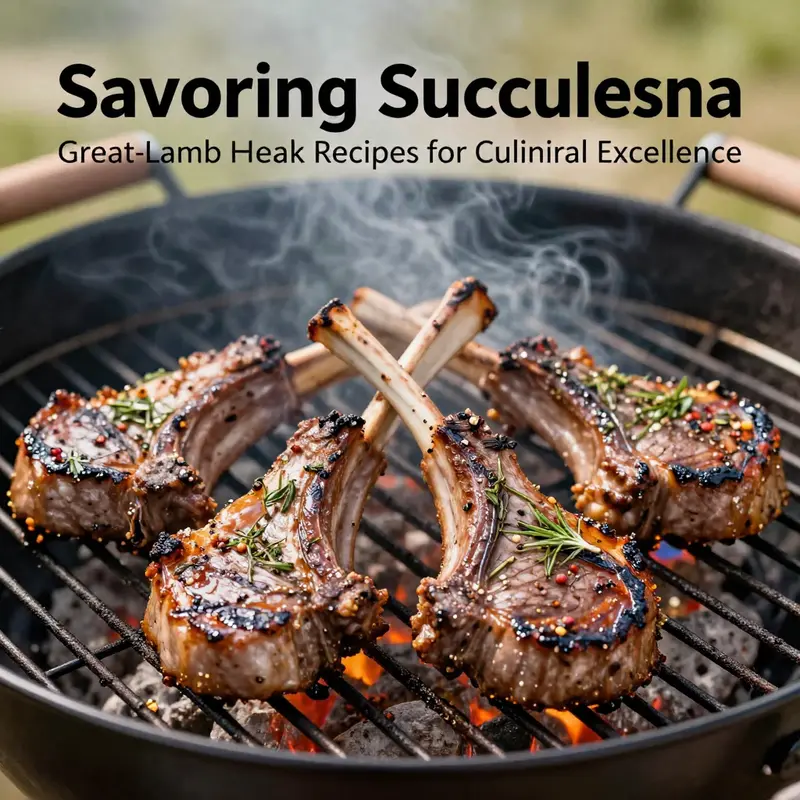
Herb-crusted barbecued lamb chops embody a balance of bold aroma, crisp texture, and juicy richness that elevates a simple weeknight meal into something restaurant-worthy. The beauty of this approach lies in the crust itself—an unfussy blend of fresh herbs, garlic, citrus, and olive oil that adheres to the meat as it hits the hot grill. This is not a marinade that slicks the surface and softens the bite; instead, the dry herb paste forms a savory shield that caramelizes into a deep, amber crust, while the interior stays tender and rosy. The technique is friendly to home cooks who want depth without complexity, and it works whether you favor bone-in chops for more flavor or lean toward boneless options for easier handling. The key is to respect the crust’s role and time the sear and resting so the juices stay put, not poured out onto the plate. The result is lamb with a bright, herb-forward perfume, a satisfying crunch, and a clean finish from lemon zest that keeps the meat from leaning too heavily into richness. The flavor profile pairs beautifully with a simple side of grilled vegetables or a light herb salad, letting the chops stay in the spotlight rather than competing with heavy sauces.
Ingredients, assembled for a crowd-pleasing yet compact method, center around a crust that relies on the aromatics of rosemary, thyme, and garlic, brightened by lemon zest and balanced with olive oil and a careful touch of salt and pepper. The herb crust base consists of three tablespoons fresh rosemary (finely chopped), two tablespoons fresh thyme leaves, four minced garlic cloves, the zest of one lemon, three tablespoons extra-virgin olive oil, one teaspoon sea salt, and half a teaspoon freshly ground black pepper. A small optional whisper of smoked paprika can add depth if you want a more duskier hue on the crust. This blend draws from Mediterranean and Middle Eastern traditions where parsley and cilantro might appear in other profiles, but here the rosemary and lemon speak of coastal kitchens and garden hedges—the herbs that perfume balconies and backyards as the grill heats.
To begin, pat the lamb chops very dry with paper towels. Moisture is the enemy of crust formation; removing it gives the herbs a sticky, clingy surface. Mix the herb crust ingredients until they come together as a paste, then generously coat both sides of each chop, pressing gently to ensure adhesion. There’s no need for a long marination here; the goal is a quick infusion that begins to perfume the meat as the crust rests briefly. Let the chops sit at room temperature for 10 to 15 minutes. This step ensures a more even sear, as the meat isn’t competing with a cold interior when it hits the flame.
Preheat the grill to high, about 450–500°F (230–260°C). For thicker chops—those over an inch—set up a two-zone fire so you can sear over direct heat and then move to indirect heat to finish. This prevents the crust from burning while the interior climbs to the ideal doneness. Place the chops over direct high heat and sear for 3–4 minutes per side, turning once. Watch closely; the herb crust should achieve a deep, golden-brown crust rather than a harsh char. If you’re working with a two-zone setup, transfer to the cooler side after searing to finish cooking through to an internal temperature of about 135°F (57°C) for medium-rare. Avoid pressing down on the chops; this splashes out valuable juices that the crust helps preserve.
Let the meat rest for 5–7 minutes after grilling. Resting distributes the juices evenly and keeps the chops succulent when you slice into them. The crust remains crisp and flavorful, a testament to the dry technique and the payoff of careful timing. Serving ideas are simple and bright: pair the chops with grilled zucchini and peppers, a light arugula salad dressed with lemon vinaigrette, or minted couscous that echoes the herb notes without overpowering the main event. A final flourish of flaky sea salt and a few fresh rosemary sprigs heighten the aroma at the table and cue the senses to the herbaceous lift of the crust.
Pro tips help lock in success. Pat the meat dry with unwavering thoroughness, as any surface moisture will steam rather than sear. Use fresh herbs rather than dried, and if you do use dried, cut the amount roughly in half and crush it between your fingers to awaken the oils. Avoid over-mixing the crust; use your hands to press the paste onto the chops to keep the texture intact and the pieces clinging evenly. And never skip the rest—resting is as crucial as the sear, letting the muscles relax and the juices settle for tenderness rather than a watery bite.
Culturally, this technique resonates with a modern fusion that honors traditional Mediterranean and Middle Eastern herb-forward cooking while adapting it to contemporary barbecue culture. The lemon zest and rosemary evoke coastal Greek and North African kitchens, where bright acidity and aromatic needles of herb cut through richness. The grilling method—crisp exterior, juicy interior—bridges the old-world philosophy with the quick-fire practicality of weekend cooks. If you’re curious to explore more Mediterranean-influenced lamb dishes that share this spirit, you can delve into a broader collection of Mediterranean lamb recipes. Mediterranean lamb recipes.
For readers seeking broader context on herb-crusted lamb chops and traditional regional variations, an external reference offers additional guidance on technique and flavor balance: https://www.bbcgoodfood.com/recipes/herb-crusted-lamb-chops. This site highlights how different herb blends respond to high-heat grilling and how lemon and garlic synergize with lamb’s bold profile, providing a useful complement to the approach outlined here.
In practice, the crackle of the crust, the perfume of the herbs, and the rosy center of the chop come together as a cohesive, satisfying experience. This is comfort turned up a notch, where simple, honest ingredients—fresh herbs, a bright lemon note, and good fire—translate into restaurant-quality flavor in the home kitchen. The crust seals, the grill lends color, and the plate feels complete with minimal effort and maximum impact.
null
null
Final thoughts
Incorporating exceptional lamb chop recipes into your culinary repertoire not only elevates ordinary meals but also enhances dining experiences, whether at a cozy gathering or a formal event. The recipes detailed here—perfectly grilled loin lamb chops, herb-crusted barbecued lamb chops, and Mediterranean-inspired marinated lamb chops—showcase the versatility and appeal of lamb. By embracing these techniques and flavor profiles, business owners can impress clients, friends, and family alike, all while enjoying the satisfaction of crafting exquisite dishes in the comfort of their kitchen.