
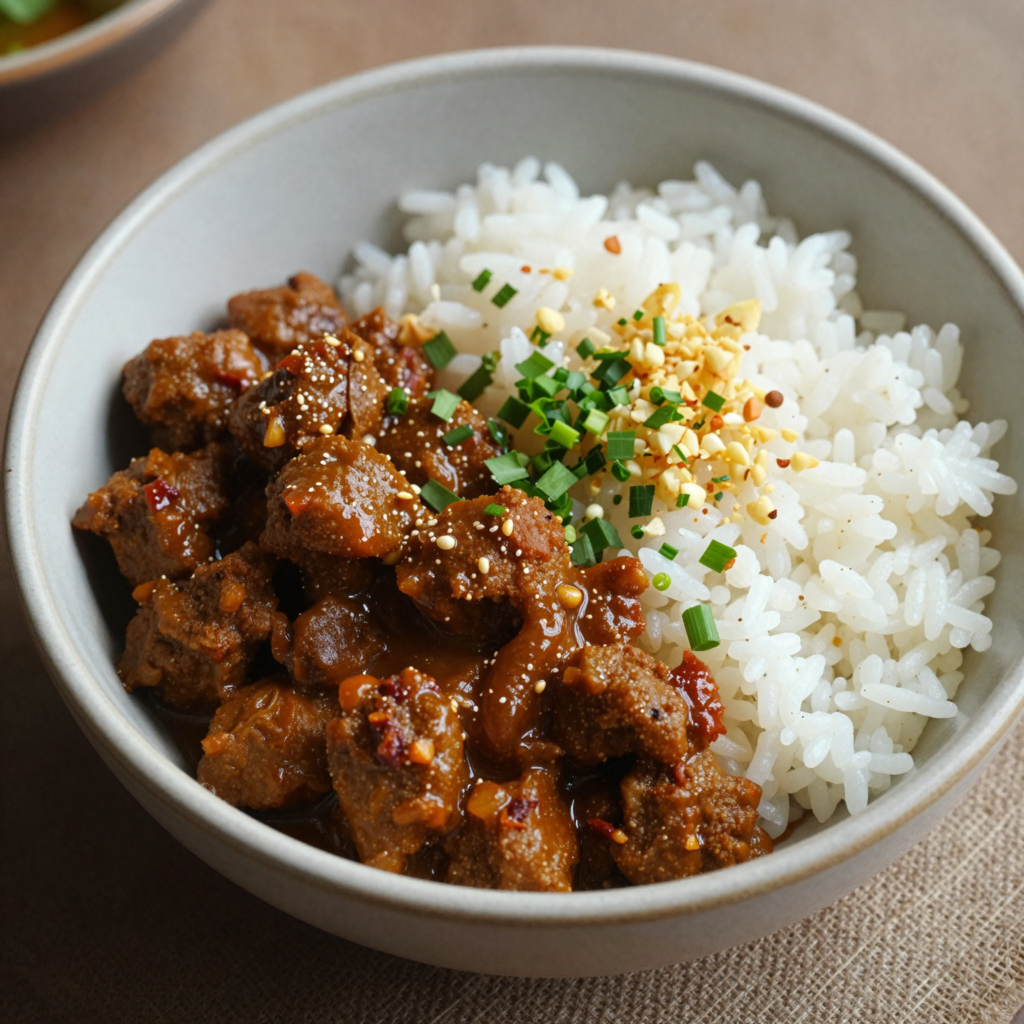
Introduction: Filipino Pares and Its Cultural Significance
Filipino pares is more than just a delicious meal; it’s a reflection of the rich history and vibrant culture of the Philippines. This beloved dish, featuring tender beef braised in a fragrant and savory broth, has become a staple in Filipino cuisine, often paired with steaming bowls of garlic rice. Its origins trace back to colonial influences that melded various culinary traditions, ultimately crafting a unique comfort food that resonates with many Filipinos both at home and abroad.
For business owners in the culinary scene, incorporating a Filipino pares recipe into their menu presents a remarkable opportunity. As the global interest in authentic Filipino cuisine continues to grow, dishes like pares can help businesses stand out by offering a slice of cultural heritage that diners are eager to explore. It’s not just about serving food; it’s about telling a story-a connection to the past that evokes feelings of nostalgia and pride.
Moreover, Filipino pares is particularly appealing as a catering option for events, bringing a taste of the Philippines to diverse gatherings. As more people seek unique dining experiences that go beyond typical fare, the incorporation of traditional Filipino dishes like pares can not only attract a broader customer base but also create lasting impressions of brand authenticity and engagement. Offering Filipino pares allows your restaurant or catering service to forge a unique identity in the bustling food market, ultimately leading to enhanced customer loyalty and satisfaction. Business owners who tap into this burgeoning trend will find that embracing Filipino cuisine, especially through treasured dishes like pares, is not only a smart business move but also a celebration of cultural significance.
Key Ingredients Needed for Filipino Pares
Filipino Pares is a cherished tradition in the culinary landscape of the Philippines, particularly enjoyed for its savory-sweet-tangy flavors. To create this delightful dish, you’ll need a variety of essential ingredients, which include:
- Beef Brisket or Chuck: This is the primary protein used, known for its tenderness when slow-cooked.
- Soy Sauce: Adds umami and depth of flavor to the dish.
- Cane Vinegar: This unique vinegar offers a subtle tanginess that balances the sweetness of other ingredients.
- Garlic: A crucial aromatic that enhances the overall flavor profile of the dish.
- Sugar: Balances the dish’s savory and tangy notes with a hint of sweetness.
- Bay Leaves: Infuse an earthy, aromatic quality to the braising liquid.
- Black Pepper: Adds warmth and mild spiciness.
- Annatto Seeds: Often used for coloring, providing a subtle flavor and vibrant hue to the sauce.
- Water or Stock: Necessary for braising the beef to perfection.
Unique Flavoring Elements in Filipino Cuisine
- Fish Sauce (Patis): A staple flavoring that introduces a salty umami character to various dishes, reflecting Filipino flavor profiles.
- Fermented Shrimp Paste (Bagoong): Common in many Filipino dishes, it enhances the umami element.
- Ginger and Turmeric: Frequently used for their aromatic properties, contributing freshness and warmth.
Together, these ingredients create the rich, layered flavors that Filipino Pares is celebrated for, appealing to both locals and adventurous food lovers worldwide. Understanding these core components can significantly broaden your culinary repertoire, allowing you to offer authentic dishes that resonate with cultural roots. For further culinary inspiration, check out our Beef Neck Bones recipe or explore our Chicken Bryan recipe.
These ingredients not only reflect authenticity but also showcase how Filipino cuisine harmonizes sweet, sour, salty, and umami elements, inviting a truly enriching dining experience.
How to Prepare Filipino Pares
Filipino Pares is a cherished stew known for its rich flavors and comforting ingredients. If you’re a business owner looking to serve this delightful dish in your establishment, follow these concise steps to ensure a successful preparation.
Ingredients You Will Need
- Pork: 2 lbs of pork belly or pork shoulder, cut into chunks
- Beans: 1 can (about 15 oz) of red kidney beans or pinto beans
- Vegetables: 2 medium potatoes, peeled and cubed; 2 carrots, sliced; 1 cup green beans, trimmed
- Aromatics: 1 large onion, chopped; 4 cloves garlic, minced
- Sauces: 1/4 cup soy sauce; 2 tablespoons tomato paste; 1 tablespoon brown sugar; 2 tablespoons vinegar (optional)
- Additional Water: As needed
- Seasonings: Salt, black pepper, and bay leaves to taste
- Garnish: Chopped green onions for serving
- Serving Suggestion: Steamed white rice
Step 1: Marinate the Pork
- Marinating Process: Begin by marinating your pork chunks in soy sauce and calamansi juice (or lemon juice) for about 30 minutes. This step not only adds flavor but also tenderizes the meat, making it juicy and delicious.
- Tip: For best results, marinate in the refrigerator.
Step 2: Sear the Pork
- Heating the Pot: In a large pot, heat about 2 tablespoons of oil over medium heat.
- Searing the Meat: Remove the pork from the marinade (discard the marinade) and add the chunks to the pot, searing them until browned on all sides, about 5-7 minutes. This locks in the flavors.
Step 3: Sauté Aromatics
- Adding Flavor: Add the chopped onions and minced garlic to the pot with the seared pork. Sauté until the onions are translucent and fragrant, approximately 3-5 minutes.
Step 4: Build the Sauce
- Incorporating the Sauce: Stir in 2 tablespoons of tomato paste, followed by the brown sugar. Mix well to combine all the flavors. This will add depth and a slight sweetness to your stew.
- Add Liquid: Pour in enough water to cover the pork, along with the bay leaves. Bring the mixture to a boil, then reduce to a simmer.
Step 5: Simmer the Dish
- Slow Cooking: Allow the pork to simmer for about 1 hour to 1.5 hours, or until it becomes tender. You might need to adjust the water level to ensure it doesn’t dry out.
Step 6: Incorporate Vegetables and Beans
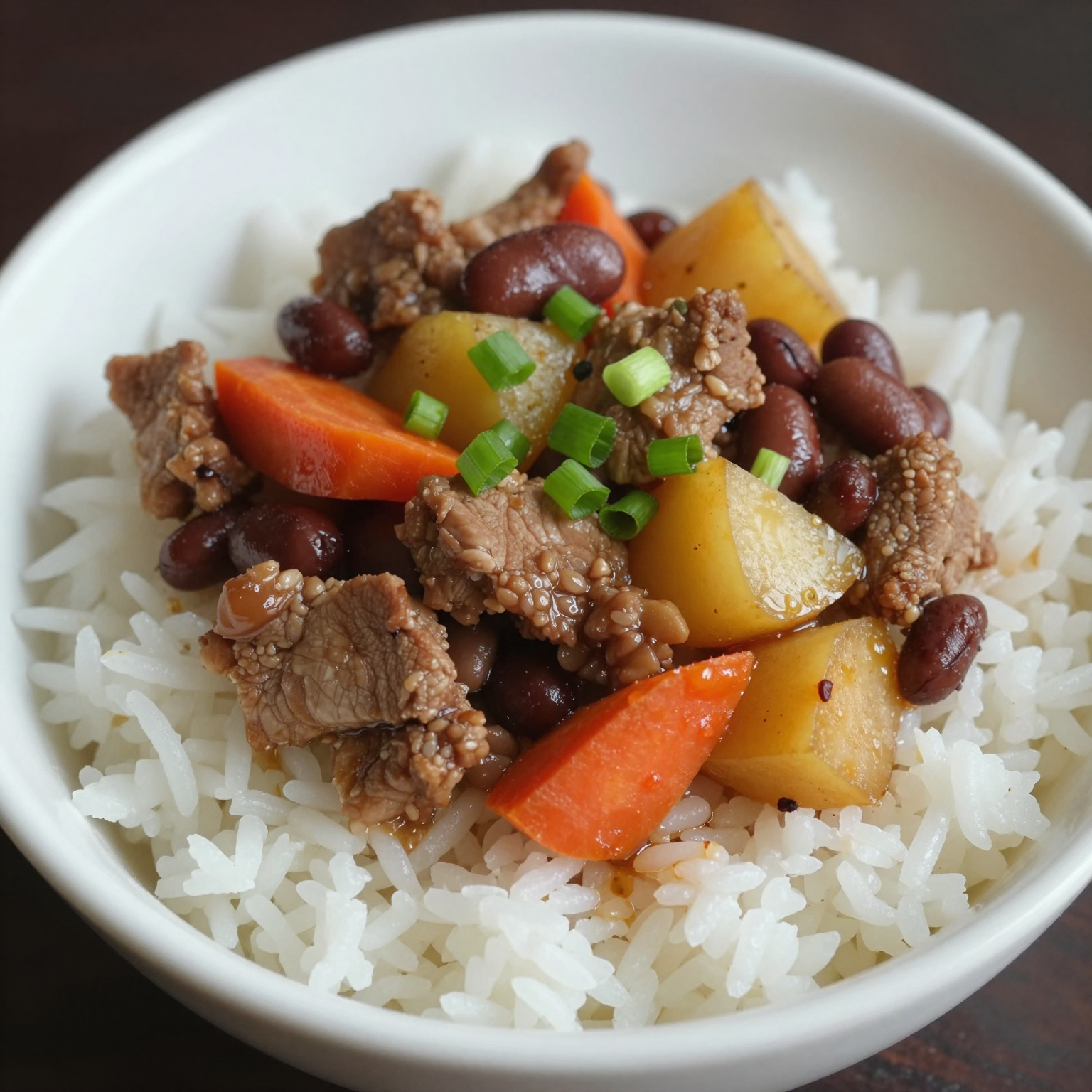
- Adding Beans and Veggies: After the pork is tender, add the canned beans (drained and rinsed), cubed potatoes, sliced carrots, and green beans. Continue to simmer for another 15-20 minutes, or until the vegetables are cooked through.
- Final Seasoning: Taste and adjust seasoning with salt and black pepper as needed.
Step 7: Serve the Dish
- Presentation: Serve the Filipino Pares hot over a bed of steamed white rice. Garnish with freshly chopped green onions for an appealing touch. You can also offer atchara (pickled papaya) on the side for added flavor contrast.
Conclusion
Pares is not just a comfort food; it brings depth and warmth to any dining experience. By preparing this dish carefully, you can provide your customers with a taste of authentic Filipino comfort food that they’ll remember. For more culinary inspirations, check out our Garlic Lamb Chops or Chicken Bryan Recipe. Enjoy cooking!
Visual Guide
The Rich Historical Context of Filipino Pares
Filipino Pares is not just a dish; it’s a story etched in the culinary fabric of the Philippines. Originating from the Tagalog word “pares,” meaning “pair” or “set,” the dish traditionally consists of a combination of rice and meat, often served with a flavorful broth or sauce. Its inception can be traced back to the practical needs of Filipino laborers and students in urban centers during the early 20th century. As the growing populace sought affordable yet hearty meals, Pares emerged as a solution that satisfied hunger without breaking the bank.
The Evolution of Pares
Pares gained popularity as a staple of street food and home cooking across the Philippines, particularly in urban areas like Manila and Cebu. Historians note that this dish flourished around the time the country experienced significant migration, which introduced diverse culinary influences to Filipino cuisine. Initially characterized by its simplicity, Pares evolved to incorporate various regional flavors and ingredients, adapting to local tastes and preferences.
Cebu, a region in the Visayas, became known for its own variation called “Pares de Cebu,” which often features lechon (roast pork). This dish is celebrated not only for its taste but also for its heartwarming significance in community gatherings and family meals, embodying the spirit of togetherness that is intrinsic to Filipino culture.
Cultural Significance
Pares is more than a meal; it represents resilience and simplicity, key themes in the Filipino way of life. The dish serves as a symbol of how Filipinos creatively blend convenience with flavor, often seen as a source of comfort food during challenging times. It encapsulates the essence of home cooking-food prepared with love and shared among family and friends.
Moreover, Pares reflects the wider historical context of the Philippines, from its Spanish colonial roots to its modern urban culture. The evolution of Filipino food, including dishes like Pares, mirrors the country’s journey through its blend of indigenous, Spanish, Chinese, and American culinary influences.
In conclusion, understanding the historical context of Filipino Pares enriches one’s appreciation of the dish itself. It serves as a reminder of the Filipino ethos of community, resilience, and the enduring love for food that brings people together. As you embark on making your own Pares, you are not simply following a recipe; you are partaking in a time-honored tradition that connects you to the heart of Filipino culture. For more culinary inspiration, check out more Filipino recipes.
| Region | Ingredients | Cooking Methods | Flavor Profile |
|---|---|---|---|
| Luzon | Beef, soy sauce, garlic, onion | Slow braising | Mild, slightly sweet and savory |
| Visayas | Beef, more vinegar, local vegetables | Stewing | Sour with a hint of sweetness |
| Mindanao | Beef, coconut milk, chili peppers | Steaming, grilling | Rich, spicy, and creamy |
| Ilocos | Beef, soy sauce, sugar | Braising, simmering | Balanced, less acidic |
| Metro Manila | Beef, soy sauce, caramelized onions | Pressure cooking | Savory-sweet, rich |
Emphasizing Authenticity in Filipino Dishes
When preparing Filipino Pares, it’s essential to consider the authenticity of the dish. Renowned chef Alvin Cailan, in his book Amboy: Recipes from the Filipino-American Dream, illustrates this sentiment perfectly:
“To me, authentic Filipino food is what a Filipino eats.”
This quote encapsulates not just the ingredients used but also the cultural and personal narratives that flavors the meal. Authenticity in Filipino cooking isn’t solely about traditional recipes; it’s about the heartfelt connection and experiences that accompany each dish, emphasizing the skill and care that goes into every preparation.
In business, embracing such authenticity can enhance culinary offerings and create deeper connections with your customers, inviting them to experience a slice of Filipino heritage with every bite. For those passionate about culinary excellence, exploring this connection is invaluable, as highlighted in other related recipes like the Kare Kare, which also reflects rich family traditions.
By focusing on authenticity, you preserve the essence of Filipino cuisine, ensuring that each dish is not only satisfying but also tells a story worth sharing.
Nutritional Information of Filipino Beef Pares
Filipino Pares, a beloved dish featuring tender beef stew served over warm rice, is not only pleasing to the palate but also boasts a range of nutritional benefits. As a hearty meal option, it positions itself as a strong candidate for cafe or restaurant menus, especially where comfort food is desired. Here’s a closer look at its nutrition and health implications.
Nutritional Breakdown
A typical serving of Filipino Beef Pares consists of about 100 grams of beef and approximately 100 grams of rice. Here’s the nutritional information derived from relevant sources:
| Nutrient | Amount per 100g Serving | % of Daily Recommended Intake (Adults, 2,000 kcal diet) |
|---|---|---|
| Calories | 240 kcal | 12% |
| Protein | 25 g | 50% |
| Total Fat | 13 g | 17% |
| Saturated Fat | 5.5 g | 28% |
| Carbohydrates | 8 g | 3% |
| Dietary Fiber | 0 g | 0% |
| Sugars | 6 g | 12% |
| Iron | 4.5 mg | 25% |
| Vitamin B12 | 2.5 µg | 104% |
Data sourced from USDA FoodData Central and the Philippine Department of Health (DOH) nutritional guidelines.
Health Benefits
-
Rich in Protein: With around 25 grams of protein per serving, Filipino Beef Pares provides essential amino acids necessary for muscle repair and growth. This is particularly beneficial for those who lead an active lifestyle.
-
Iron and Vitamin B12: The inclusion of beef not only adds flavor but also enhances the dish’s iron content, which is crucial for preventing anemia. The high level of Vitamin B12 supports healthy nerve function and red blood cell formation. With about 104% of the daily recommended intake of Vitamin B12, it is an excellent addition to your menu for diners looking for nutritional value.
-
Satiating: The combination of protein and fats provides a significant satiating effect, making it a suitable option for patrons looking for a filling meal that can keep hunger at bay for longer periods.
In conclusion, incorporating Filipino Pares into your menu can lead to customer satisfaction and encourage repeat visits, as its hearty composition and flavor profile align well with a growing consumer trend towards hearty, comfort food dishes. For related meal inspirations, check out our Garlic Lamb Chops or Steak and Beef Chili Recipe.
Conclusion
Incorporating Filipino cuisine into your restaurant offerings can be a game-changer, especially with dishes like Filipino Pares. As outlined, this dish provides a delectable combination of tender beef stew served over steamed rice, enriched with flavors that highlight the essence of Filipino cooking. Its affordability and cultural authenticity resonate with modern diners who seek unique culinary experiences that reflect diverse tastes.
Restaurants can benefit significantly from adding such an appealing menu item. Pares exemplifies a balance of good quality and good value, making it a viable option for establishments looking to attract a broader audience. Furthermore, the simplicity of the recipe allows for the use of locally sourced ingredients, promoting sustainability and supporting local farmers. This not only enhances your restaurant’s image but also addresses the growing consumer demand for responsible dining practices.
Moreover, the dish’s popularity among customers can lead to increased customer retention and loyalty, providing a profitable addition to your menu. Many diners are eager to try new and authentic flavors, and a well-crafted Pares can capture their interest and palates effectively.
If you are a business owner ready to elevate your restaurant’s menu with authentic Filipino dishes, don’t hesitate to reach out. Our team is here to provide more information or a personalized quote to help you bring this exciting menu option to your establishment. Feel free to contact us today to learn how you can make Filipino Pares a centerpiece of your culinary offerings!