

The crescent roll pot pie has become a modern staple in kitchens seeking both flavor and simplicity. With its flaky, golden crust and creamy filling, it encapsulates comfort food at its finest, offering a quick yet satisfying meal option. Featuring store-bought crescent rolls, this dish eliminates the tedious task of rolling out pie crusts, making it accessible for busy home cooks looking for efficient meal solutions. By understanding the pivotal ingredients in the filling and the straightforward steps for crafting the pie, readers will gain the necessary tools to elevate their culinary repertoire.
Flaky Foundations, Savory Heart: Understanding the Ingredients Behind Crescent Roll Pot Pie

The crescent roll pot pie is a cheerful paradox of simplicity and depth. It invites you in with a golden, butter-kissed crown, yet beneath that crown sits a filling that comforts with the quiet confidence of a well-made classic. To appreciate why this dish works so reliably, it helps to see how each ingredient plays a precise role and how those roles align to create a coherent and satisfying meal in a single pan. The approach reflects a philosophy of modern home cooking: take a few accessible ingredients, let their natural strengths shine, and trust technique to pull everything together with minimal fuss. In this light, the recipe becomes less about a single moment of assembly and more about a conversation among components that arrive at the same table knowing their parts and how to behave under heat.
First comes the crust, or more precisely, the flaky crown that tops the pot pie. Refrigerated crescent roll dough is the foundation in this modern adaptation. Its role extends beyond mere topping. The dough provides immediate texture, a crisp edge, and a layered bite that contrasts with the creamy interior. It eliminates the rolling and blind baking steps traditional pie crusts demand, delivering a golden, oven-warmed surface with little effort. When the dough bakes, the fat within the layers melts into tender pockets, creating a delicate crust that rises a touch at the center while turning deeply amber at the edges. The result is not a rigid film but a soft, edible architecture that encases the filling like a protective shell, allowing steam to escape gradually and preventing the filling from turning into a heavy mass.
Then there is the protein, the heart of the dish. Cooked meat, whether shredded chicken, turkey, or even diced ham, anchors the filling with savory depth. The meat brings substance and a familiar, comforting flavor that most readers associate with a pot pie. Using leftovers—roasted chicken from a previous night, say—adds practicality to the equation and can deepen flavor as the meat absorbs a bit of the sauce as it sits. The protein, in its shredded or diced form, integrates with the sauce so that every bite contains a balance of meat and generous, creamy richness. In this sense, the protein signals a homey meal rather than a diet of lean lines; it makes the dish approachable, forgiving, and deeply satisfying for a family dinner or a casual weekend gathering.
Vegetables follow, not as garnish but as the color, texture, and brightness that keep the filling from feeling one-note. Common choices—carrots, peas, onions, and celery—offer color, sweetness, bite, and a contrast to the soft, creamy sauce. Sautéing onions and celery first unlocks their natural sugars and softens their texture, releasing aromatic compounds that set the foundation for the sauce. Carrots bring tenderness and a hint of earthiness, while peas contribute a pop of green and a burst of sweetness that lightens the palate. The vegetables also contribute nutrition and a cheerful visual appeal, reinforcing the idea that a pot pie can be a complete meal rather than a mere comfort indulgence. The key lies in balance: vegetables should be tender but not limp, bright in color rather than dull, and integrated so that every bite includes a little of their personality without overpowering the creaminess of the sauce.
Butter serves as a supporting star in this ensemble. It provides rich flavor for the sauté and acts as the fat that carries the roux into a velvety sauce. Butter is the thread that ties the vegetables to the sauce, giving a glossy gloss to the pan and a lush mouthfeel to the finished dish. It is the conduit for flavor, enriching the base before the flour is added and helping the sauce emulsify as the liquid is poured in. The amount and timing of butter can influence the texture as well: melting it gently with the vegetables allows the flavors to bloom, while finishing with a tiny extra touch of butter at the end can nudge the gloss and mouthfeel just enough to feel luxurious without becoming heavy.
Flour is the traditional thickening agent that binds the filling into a coherent, spoonable mass. Rolled into a roux with butter, flour forms a pale, toasty base that soaks up the chicken broth and milk, creating a luxurious, creamy texture without the need for heavy cream. The flour’s role is precise: it gives enough structure to carry the chicken and vegetables, but it should not dominate the sauce with raw flour notes or become gluey. The goal is a sauce that feels substantial and comforting, yet light enough to coat each piece of filling without clumping. Achieving this balance often means cooking the roux for a minute or two before gradually whisking in liquid until it reaches a simmer and thickens smoothly. This approach helps prevent a chalky texture and yields a sauce that clings to every bite of meat and vegetable.
The liquid components—broth and milk—define the sauce’s depth and richness. Chicken or vegetable broth provides a savory backbone, delivering umami and a gentle saltiness that keep the filling from tasting flat. Milk or a half-and-half option brings creaminess and body, enriching the sauce while remaining light enough to avoid heaviness. The blend can be adjusted to taste: more milk for a silkier finish, more broth for a leaner profile, or a splash of cream cheese or sour cream stirred in toward the end for extra richness if that is your goal. The liquid ratio matters because it determines how the sauce thickens and how the crescent dough bakes on top. Too little liquid and the filling may dry out as the top browns; too much and the crust risks becoming soggy and pale. The tested approach typically aims for a filling that is creamy but not soupy, with a visible yet not overwhelming presence of vegetables and meat through the surface of the bubbling sauce.
Seasonings are the invisible threads that tie the ingredients into a cohesive profile. Salt is the conductor, bringing out the flavors of onion, garlic, and herbs while ensuring nothing tastes underpowered. Black pepper adds a hint of heat and depth, while thyme supplies an aromatic, woodland note that pairs beautifully with chicken and vegetables. Fresh herbs can elevate the dish, but dried thyme works wonderfully in a weeknight context, offering consistent flavor without the need for careful timing. Other herbs, such as rosemary or a light pinch of sage, can be introduced for a more complex aroma, but they should be measured carefully to avoid overpowering the more delicate notes of onion and carrot. The essence of seasoning in this recipe is restraint paired with attention: add a measured amount, taste the filling, and adjust with a touch more salt or pepper as the sauce thickens and the flavors meld under heat. This careful balance ensures the custard-like creaminess of the sauce remains untarnished by over-seasoning and retains classic, comforting appeal.
The interaction among these ingredients creates a synergy that is greater than the sum of its parts. The crescent dough, with its butter-rich layers, bakes into a flaky top that provides textural contrast and a gentle, toasty aroma. The creamy, savory filling anchors the dish, ensuring that the top crust does not overpower the filling but instead frames it in a harmonious finish. The vegetables contribute brightness and texture, the protein offers heartiness, and the seasonings tie it all together with an aroma that speaks of home and nourishment. The technique—sautéing aromatics, preparing a roux, gradually adding liquid, simmering until thickened, then layering crescent dough on top—creates a one-pan performance that feels both deliberate and forgiving. In practice, this means you can lean on the recipe as a reliable guide while still allowing room for personal touches, such as adding a dollop of cream cheese into the filling for extra luxe or swapping in mushrooms for a vegetarian variation. Each modification speaks to the same core idea: respect the roles of each component, and the result will be greater than the sum of its parts.
An important aside is how to approach variations without losing the essence of the dish. If you are cooking for a crowd with varied diets, the filling can be adapted with equal ease. For a vegetarian version, mushrooms, lentils, or chickpeas can replace chicken, and a little extra vegetable stock can compensate for the missing protein. The dough remains the star of the topping, and its ability to deliver a crisp, tender crown is preserved no matter the filling. If you wish to repurpose leftovers, this recipe accepts them gracefully. A roasted turkey or beef can stand in for chicken, provided the meat is already cooked and cut into bite-sized pieces that distribute evenly through the sauce. The goal remains the same: a filling that is creamy and seasoned, with the crescent top acting as a golden cap that seals in moisture and flavor.
From a practical standpoint, the dish also benefits from a few small advance steps. Sautéing the vegetables until just softened but still bright prevents a mushy texture after baking. Allowing the filling to rest for a few minutes after it comes out of the oven helps the sauce settle, making the final slice cleaner and more cohesive. If you plan to freeze the unbaked assembly, you can do so by wrapping the dish tightly, then baking from frozen with an extended time, as the filling will be cooler and require a gentle, prolonged bake to bring everything to a bubbly finish. The crescent dough top holds up well to freezing and reheating, maintaining its distinctive texture even after chilling and subsequent warming. These practical adjustments underscore the broad appeal of crescent roll pot pie: you can tailor it to your schedule and your pantry without sacrificing the comforting essence that makes the dish feel like a homemade hug on a plate.
For readers curious about how this recipe sits in the larger landscape of home cooking, consider how a single sheet of dough and a handful of pantry staples can create a dish that resembles a traditional pot pie in spirit, while delivering on speed and ease. The crescent roll top embodies a modern convenience without sacrificing the joy of a well-balanced, savory filling. It stands as a reminder that culinary innovation often lies not in overhauling a dish, but in reimagining one step in the process—turning a labor-intensive project into a quick, reliable weeknight staple. In this light, the crescent roll pot pie becomes not just a recipe but a demonstration of how thoughtful ingredient choices and smart technique can produce something deeply comforting with less effort than one might expect.
If you want to explore a closely related variation that keeps the same spirit, you can visit a dedicated post that specifically focuses on crescent roll chicken pot pie and its practical adaptations. The link below points to a resource that mirrors the approach described here, offering a tested version and community feedback that can be reassuring for home cooks seeking guidance or inspiration. crescent-roll-chicken-pot-pie. This cross-reference helps connect the general principles outlined here with a concrete, real-world example, reinforcing how the same ingredients and methods translate across different cooks and occasions.
The relationships among the ingredients—the way the dough’s flaky layers meet the creamy filling, the harmony between vegetables and protein, and the seasoning’s ability to lift the entire composition—are what make this dish not just easy but genuinely satisfying. It is a reminder that in cooking, efficiency and flavor need not be at odds. When each component is understood and treated with respect, the result is a comforting classic that anyone can pull from the oven and share with friends and family without fuss. The crescent roll pot pie, in its approachable greatness, embodies the idea that weeknight dinners can feel special, and that a simple, well-constructed recipe can carry the warmth of a home-cooked meal to the table with confidence.
External Resource for Further Reading: For a trusted, detailed version that echoes the approach described here, you can consult a comprehensive tested recipe that guides you through the same principles—building a creamy, thickened filling, then crown with crescent dough and bake until golden. This external resource provides practical steps, troubleshooting tips, and variations to suit different tastes and dietary needs while staying true to the core concept of a crescent roll pot pie. https://www.allrecipes.com/recipe/262913/chicken-pot-pie-with-crescent-rolls/
Crescent Crown Pot Pie: A Cozy Weeknight Classic
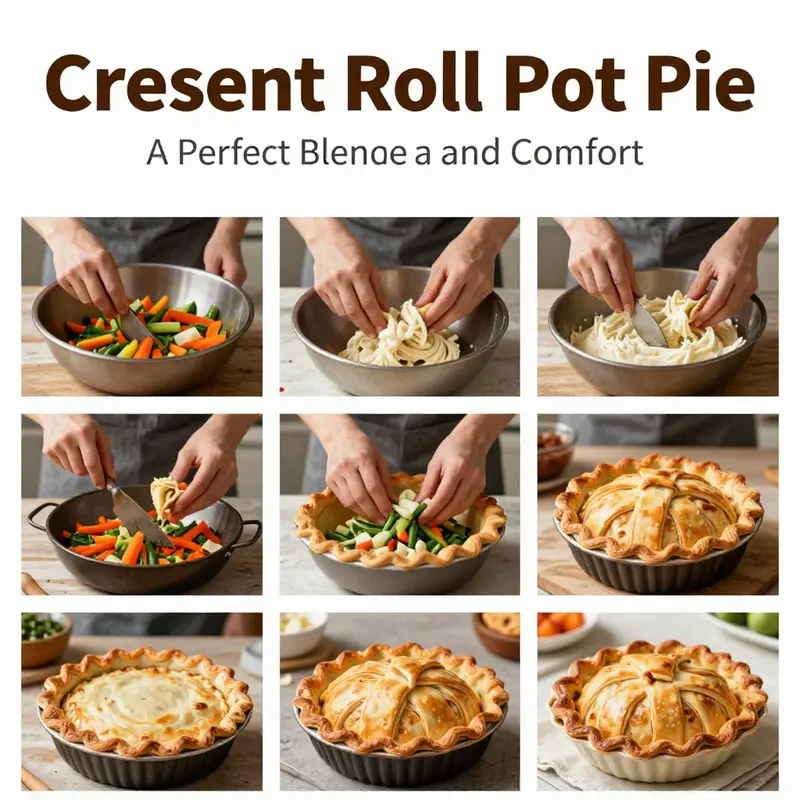
The crescent crown pot pie is a study in turning everyday ingredients into weeknight warmth. A simple filling paired with a puffed, buttery top creates something that feels special yet comforting. This chapter walks you from filling to finish with clear steps and a rhythm you can rely on.
Begin with the filling by warming a large skillet and melting four tablespoons of butter over moderate heat. Add onions and celery and cook about five minutes until they soften and become fragrant. If you like a touch more sweetness or texture, add diced carrots and potatoes; keep them a touch crisp so they finish with the bake rather than turning to mush.
Next comes the roux. Sprinkle three to four tablespoons of flour over the butter and aromatics, stirring for one to two minutes. This step cooks off the raw flour and builds the base of the sauce. Pour in about two cups of chicken broth in a steady stream, whisking until smooth and glossy. Bring to a simmer and cook five minutes until the mixture thickens.
Fold in the star fillings: about one and a half cups shredded cooked chicken, a cup of frozen peas, and a pinch of salt, black pepper, and thyme. The sauce should cling to the ingredients without feeling heavy, a balance of creamy and bright.
Prep the top pastry. Preheat the oven to 400 degrees Fahrenheit. Open a package of crescent dough and lay it out. For a single pie, pour the filling into a nine-inch deep dish and cover with the crescent pieces in an overlapping pattern, pressing edges to seal. For individual portions, arrange the pieces on a parchment lined sheet so they form a crown that can bake into separate servings.
Brush the dough with a little melted butter to help browning. Bake until the crescents are deeply golden and the filling is bubbling, about twenty to twenty five minutes. If the edges brown too quickly, tent with a light foil shield and continue baking.
Rest the pie for five to ten minutes before serving to let the filling thicken and the crust set. The result is a crisp, flaky top and a creamy, savory center that feels like a hug in a bowl.
Tips and variations: for extra richness, fold in a spoonful of cream cheese or sour cream toward the end. Leftovers can be swapped with turkey or mushrooms for a vegetarian option using chickpeas or lentils. You can also swap whole milk for lighter options while keeping the same method. The crescent top does most of the lifting, so you can keep the filling simple and use the pastry to bring the comfort.
With this method, you have a reliable framework you can adapt for weeknights, cozy gatherings, or meal prep. The crescent crown is not just a topping but a signal that a simple dinner can feel celebratory while staying easy to pull together.
Final thoughts
The crescent roll pot pie stands out as an ideal solution for busy professionals looking to provide comfort food without sacrificing time or quality. By comprehensively understanding its ingredients and following a clear set of steps, anyone can craft a delightful dish that brings joy to the dinner table. Embracing such recipes not only simplifies meal preparation but also enriches family or business gatherings with heartwarming meals that everyone can enjoy.