

The Crescent Roll Chicken Pot Pie combines comforting tradition with modern convenience, appealing to busy families and culinary enthusiasts alike. With its flaky crust and savory filling, this dish is not just quick to prepare but also resonates with our love for hearty meals. This article will delve into its comforting appeal, exploring why it has become a favorite, as well as providing insights into its nutritional values and the myriad variations available for culinary creativity.
Crescent Roll Chicken Pot Pie: Comfort, Speed, and Simplicity
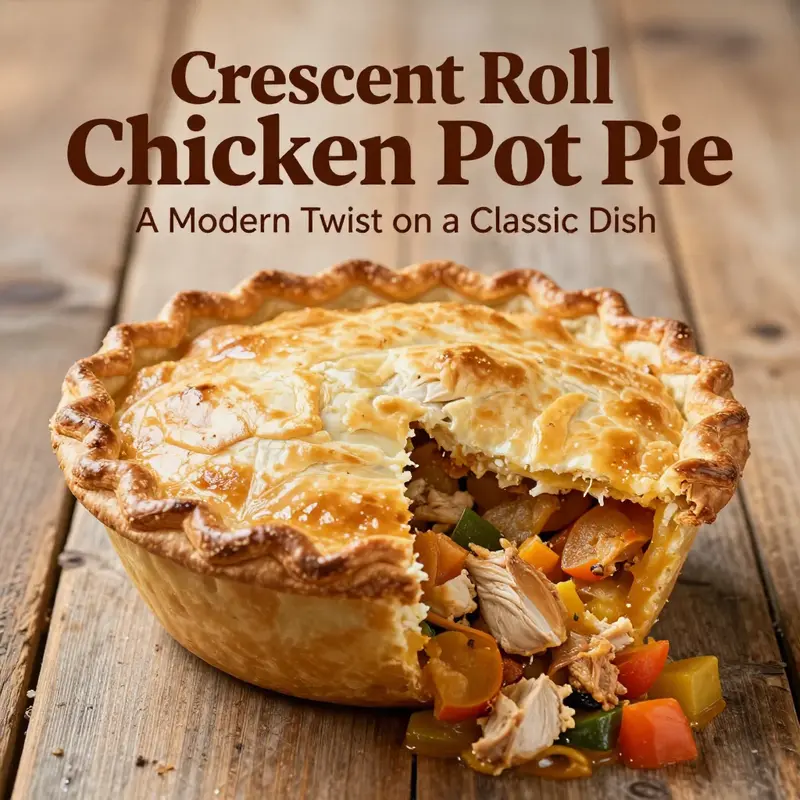
The Crescent Roll Chicken Pot Pie arrives as a modern twist on a beloved classic, honoring homestyle meals while embracing the speed and simplicity that busy kitchens demand. The core idea is elegantly simple: use refrigerated crescent roll dough as both the bottom and the top crust, creating a golden, flaky envelope that traps a creamy, hearty filling inside. In a single pan, a tradition rooted in slow-simmered stock and patient pastry becomes a weeknight ritual, delivering warmth and fullness with minimal fuss. The result is not a rushed imitation but a respectful, indulgent celebration of comfort that respects time as a factor without diluting character.
The filling is the heart of the experience. Pieces of tender chicken mingle with carrots, peas, and onions, all bound by a velvety sauce that weaves richness with the gentle sweetness of vegetables. Some cooks lean on a creamy base—cream of chicken soup or a light roux—while others blend a touch of milk or stock to reach just the right silkiness. The seasoning tends toward restraint, with a whisper of herbs like thyme or a hint of pepper to brighten the dish without overpowering the gentle midrange of savory flavors. This pairing of protein, produce, and cream honors the classic pot pie while letting the dough carry most of the aroma and texture forward.
The dough itself is a key player, its butteriness and light, airy layers delivering a satisfying contrast to the creamy interior. When the crescent dough unfurls across the dish, it becomes both crust and aroma. The bottom crust offers a crisp, toasted foundation, while the top layer browns into a caramelized cap that crackles lightly when cut. The oven does more than bake; it releases the layered scent of butter, herbs, and hot filling, transforming the kitchen into a moment of welcome and anticipation. This is where the dish earns its reputation as a crowd-pleaser: it looks homey, tastes indulgent, and requires little more than a spoon and a plate to feel complete.
The appeal rests as much in practicality as in palate. The recipe fits neatly into weeknights, providing a satisfying, hearty meal with preparation that sits well within a compact timeline. The use of a ready-made crust slashes the typical pie-making steps, cutting down on rolling, chilling, and blind-baking. Cleanup follows suit, with a single skillet or casserole and a tray—less time washing dishes means more time savoring the moment with family and friends. The dish also adapts well to a range of pantry setups: swap in a few mushrooms for extra depth, or swap herbs to echo seasonal flavors. Its forgiving nature invites experimentation, encouraging cooks to trust the core concept while embracing small, personal touches.
Beyond the pantry practicality, there is a gentle, almost nostalgic warmth to this brunch-to-dinner crossover dish. It carries the same sense of home that makes pot pies beloved in the first place—an indulgence that doesn’t demand hours in the kitchen. Its versatility makes it suitable for casual weeknight dinners, lazy weekend lunches, and informal gatherings where the emphasis is on comfort and conversation. When friends and family gather, the aroma of butter and bubbling filling becomes a signal that nourishment and company are about to blend, turning a simple supper into a memory shared over a steaming plate.
For readers who enjoy the idea of quick, flavorful chicken options that still feel special, consider the Chicken Bryan recipe, another example of how accessible ingredients can become something memorable. It demonstrates how a few clever tweaks can elevate everyday ingredients into something that feels personal and festive without requiring a long ledger of steps. This spirit of accessible creativity underpins the Crescent Roll Chicken Pot Pie, reminding us that comfort cooking can be both efficient and evocative.
As the dish sits with its crust glistening and the center set with creamy filling, it offers a quiet promise: that a modern kitchen can honor tradition while embracing speed. It is more than a shortcut; it is a reconsideration of how a familiar dish can travel with us—into crowded weeknights, into shared plates, into the sense that good food can be both uncomplicated and deeply satisfying. The crescent crust becomes a symbol of that balance, a friendly invitation to gather, taste, and linger a little longer at the table.
Craving Comfort, Pursuing Balance: Nutrition-Smart Crescent Roll Chicken Pot Pie
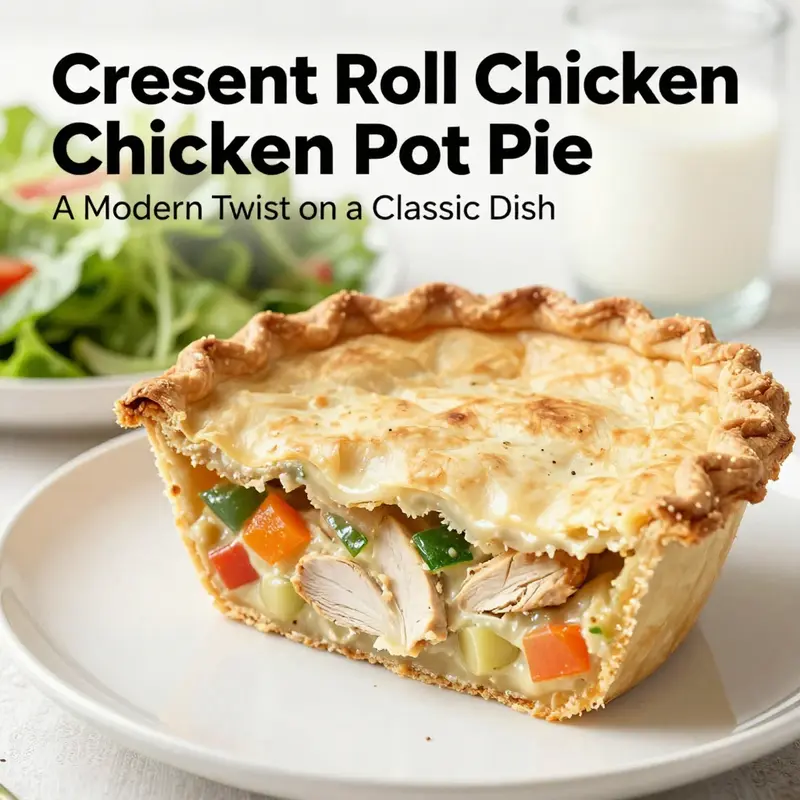
Steaming from the oven, crescent roll chicken pot pie feels like a warm hug, yet every bite carries more than comfort. It blends a creamy, savory filling with a flaky, buttery crust that crisps to a golden finish. The appeal is undeniable, but so are the nutritional considerations that come with a dish built on a rich sauce, chopped vegetables, and a doughy crown. Across traditional and modern takes, a typical serving of this pot pie can land in a wide calorie range, often around 350 to 500 calories per cup, with total fat in the 15 to 25 gram zone and saturated fat frequently 6 to 10 grams. Sodium commonly climbs past 800 milligrams per serving. These figures underscore the tension cooks face: savor the indulgent texture and creamy flavor while keeping meals aligned with heart health and daily nutrient targets. It is possible to enjoy crescent roll chicken pot pie with a thoughtful approach that honors both taste and wellness, especially when preparation choices are intentional rather than routine.
The crust is a central contributor to this balance. A crescent dough—often white flour with a generous dose of butter—provides the immediate appeal of a light, crisp top and a soft, almost pillowlike bite on the bottom. That texture comes at the cost of refined carbohydrates and added fats that can push the dish away from nutrient-dense territory. Alongside the crust, the filling’s creaminess is driven by a thickened sauce that typically relies on dairy and starches. When the sauce leans on heavy cream or multiple dairy layers, calories and saturated fat rise, while the creamy mouthfeel can still shine if portions are controlled. Understanding these dynamics empowers cooks to keep the dish comforting without tipping the scale toward excess.
To tilt the balance toward health without sacrificing the familiar flavor profile, several practical modifications shine. The first and perhaps most impactful change is dough choice. Replacing traditional crescent dough with whole-grain options or a homemade biscuit dough built from whole wheat flour can raise fiber content and lower refined carbohydrate load. The extra fiber supports fullness and moderates blood sugar responses, helping the meal feel heartier on the plate. Texture is still welcoming; a well-honed recipe can preserve that golden exterior and soft interior while improving nutritional value. For cooks who want to keep a crescent-like experience, layering a whole-wheat crust beneath a lighter top can deliver a satisfying crust-to-filling ratio with better nutritional balance.
Cream substitutes offer another meaningful upgrade. Heavy cream can be replaced with low-fat milk or plant-based milk, which cuts saturated fat and calories substantially. To preserve that luxurious texture, a small amount of flour or cornstarch can be whisked with the liquid before adding it to the vegetables and chicken, creating a smooth, velvety sauce without the heaviness. If you enjoy a hint of creaminess from dairy, a splash of evaporated milk or a dollop of plain yogurt whisked into the finished sauce can deliver richness with less fat. The key is to keep the sauce silky enough to coat the vegetables and chicken while keeping the overall fat profile in check.
Another fruitful adjustment is to boost the vegetable quotient. Carrots, peas, and onions form the classic trio, but mushrooms, broccoli, or zucchini can be welcomed additions. More vegetables not only increase fiber and micronutrients but also add volume, which can help with satiety without piling on calories. The extra color and texture make the filling more interesting and balanced, reducing the likelihood of overeating rich components. Herbs such as thyme, rosemary, and garlic can amplify savoriness without adding salt, letting you enjoy a flavorful dish with modest sodium.
Sodium control is a pivotal consideration for heart health. When possible, preparing the filling from scratch rather than relying on pre-made mixes offers the most control over salt. Fresh herbs, garlic, and a squeeze of lemon or a dash of pepper can amplify flavor and nuance. For those who do rely on packaged ingredients, choosing reduced-sodium options and reading labels for hidden salt is essential. The broader nutrition literature supports this approach: reducing sodium intake while increasing dietary fiber lowers cardiovascular risk over the long term. Such research underscores the practical value of fiber-rich, lower-sodium adaptations in familiar comfort foods like crescent roll chicken pot pie.
Convenience remains a practical factor for busy households, and the market has responded with options that emphasize healthier profiles. Reduced-sodium versions and whole-grain crusts exist, though it is important to read labels carefully to ensure that the desired balance of flavor and nutrition is achieved. Even with ready-made components, thoughtful assembly and mindful portion sizes can preserve the essence of the dish while improving its place in a balanced diet.
Incorporating these changes does not demand a complete overhaul of the pot pie ritual. It invites a conversation about how comfort foods can evolve with health in mind, allowing families to savor familiar flavors while supporting longer-term well-being. The goal is not deprivation but smarter choices that honor both craving and care. With a careful mix of whole grains, lighter dairy, and a richer vegetable backbone, crescent roll chicken pot pie becomes a more versatile dish—one that can be enjoyed as a regular weeknight staple without sidelining health goals. To explore related chicken-focused preparations that balance flavor with nutrition, visit the Chicken Bryan recipe page.
For a broader perspective on how fiber and sodium influence cardiovascular risk, see the USDA’s nutrition data. You can learn more at the external resource: https://fdc.nal.usda.gov/fdc-app.html#/food-details/170498/nutrients
Crescent Crust, Creative Flame: Innovations in Crescent Roll Chicken Pot Pie

The crescent roll chicken pot pie is a study in how a familiar, comfort-forward silhouette can welcome experimentation without losing its soul. At first bite, the dish presents a paradox: a crust that feels effortless yet indulgent, a filling that is warmly familiar, and a scent that summons the entire dinner table. The magic lies in using pre-rolled crescent dough as both the top and bottom crust, which means you skip the traditional pie-crust rituals and still achieve a golden, flaky exterior. The dough’s natural sweetness and buttery character pair with a creamy, savory filling—diced chicken, carrots, peas, and onions bathed in a velvety sauce—to create a dish that feels both anchored in memory and open to mischief. The simplicity is seductive: collect a few pantry staples, roll out the dough with a confident hand, and bake until the crust blisters at the edges and a warm, steam-laden fragrance fills the room. It’s a weeknight revelation and a reminder that comfort food can stay modern without losing its heart.
What distinguishes this dish in the broader pot-pie family is texture as much as flavor. The crescent dough brings a light, airy snap that contrasts with a filling that remains creamy and lush. Envision small, tender bites of chicken carefully folded with vegetables that still retain a hint of bite—carrots that soften just enough, peas that pop with color and sweetness, onions that carry a gentle savor. The sauce, typically enriched with a touch of cream or milk and a pinch of flour or cornstarch, binds everything into a cohesive, spoon-friendly harmony. Because the dough forms both the lid and the base, the pie becomes a self-contained package of indulgence: all the components converge in a single, satisfying mouthful. This minimal-fuss format is precisely why cooks reach for crescent dough on busy evenings; it preserves the essence of a classic pot pie while delivering the nostalgic pleasure of a bakery-perfect crust with far less effort.
As cooks push beyond the basics, the potential for variation emerges with a natural ease. A whisper of curry powder or paprika can lend aromatics that lift the dish without overpowering the core flavors. A drizzle of hot honey can introduce a gentle, spiced-sweet contrast to the creamy filling, turning the familiar into something gently thrilling. Some kitchens fold in mushrooms for earthier depth or swap in different herbs—thyme, rosemary, or even a pinch of tarragon—to echo the garden-fresh notes of the vegetables. Crushed potato chips sprinkled atop before baking can provide a surprising, crisp crunch that contrasts with the soft interior, a playful surprise that keeps the dish from ever feeling one-note. These adaptations illustrate a broader culinary truth: the crescent roll pot pie is less a rigid recipe and more a canvas for personal taste, a simple blueprint that invites boldness while still honoring the comforting foundation.
The social life of this dish in homes, blogs, and social feeds further underscores its adaptability. On platforms where home cooks share fast and flavorful ideas, you’ll find variations that take the same core idea and bend it toward whimsy. Some render mini pies that resemble little chickens, turning dinner into a visual treat for kids and adults alike. Others shape a crescent ring or a savory ring of dough that encases a pot-pie filling, offering a playful way to present a familiar favorite at potlucks or weekend gatherings. The spirit here is not to abandon the essential components—protein, vegetables, a velvety sauce, and a crust—but to reframe them with humor, texture, and color. It’s a reminder that comfort food evolved with the times, embracing quicker methods and more flexible flavor palettes without losing its core promise of warmth and satisfaction. The evolution also nods to broader culinary traditions that blend technique with improvisation; even as the crescent crust standardizes the process, the filling and seasoning often nod to regional influences and personal preference. This balance of speed, texture, and taste is what sustains the dish’s popularity across kitchens large and small.
For cooks who crave a touch of cross-pollination, the crescent roll pot pie invites connections to other quick, protein-forward dishes. A related approach—crafted with the same eye for ease and comfort—can be found in weeknight poultry recipes that emphasize bold, restaurant-style flavors without sacrificing homey charm. In exploring these links, readers can discover how a straightforward chicken preparation can echo the spirit of the pie: a confident balance of seasoning, sauce, and texture, all wrapped in a convenient crust. If you’re curious to see a related flavor journey, you might explore a recipe like chicken-bryan-recipe, which offers a different angle on quick, savory poultry and can spark ideas for pairing similar herbs or tangy elements with a crescent-based pot pie. And for those who want to widen the flavor map even further, the broader landscape of chicken pot pie variations is richly documented in culinary journalism that tracks the evolution from traditional pastry to modern shortcuts and inventive additions. The trend lines show that home cooks value both reliability and novelty, a combination that the crescent crust handles with fluency and charm.
In sum, crescent roll chicken pot pie demonstrates how a familiar mechanism—a crust that crisps and browns to a delicate crackle—can become a platform for creative impulse. The technique remains dependable: assemble a simple filling, crown it with buttery crescent dough, and bake until the edges bronze and the center steams to a creamy, cohesive finish. The result is a dish that travels well between weeknights and celebrations, offering the same cozy relief as a traditional pot pie but with a lighter lift and a wink of culinary playfulness. As cooks continue to blend nostalgia with experimentation, this crescent-based version stands as a bright, adaptable ambassador of comfort food’s enduring appeal. For readers seeking further context on how global influences and chef-tested methods intersect in chicken pot pie variations, a recent in-depth feature provides additional perspectives and inspiration that align with the spirit of this chapter.
External reference for broader inspiration: https://www.bonappetit.com/recipe/chicken-pot-pie-variation
Final thoughts
Crescent Roll Chicken Pot Pie is not just a comforting dish; it is a wonderful example of how modern cooking can adapt traditional recipes while retaining their essence. The dish’s appeal lies in its easy preparation, nutritional balance, and the array of creative variations available to suit every palate. Whether enjoyed as a weeknight meal or dressed up for special occasions, this delightful pie continues to charm homes and hearts alike.