
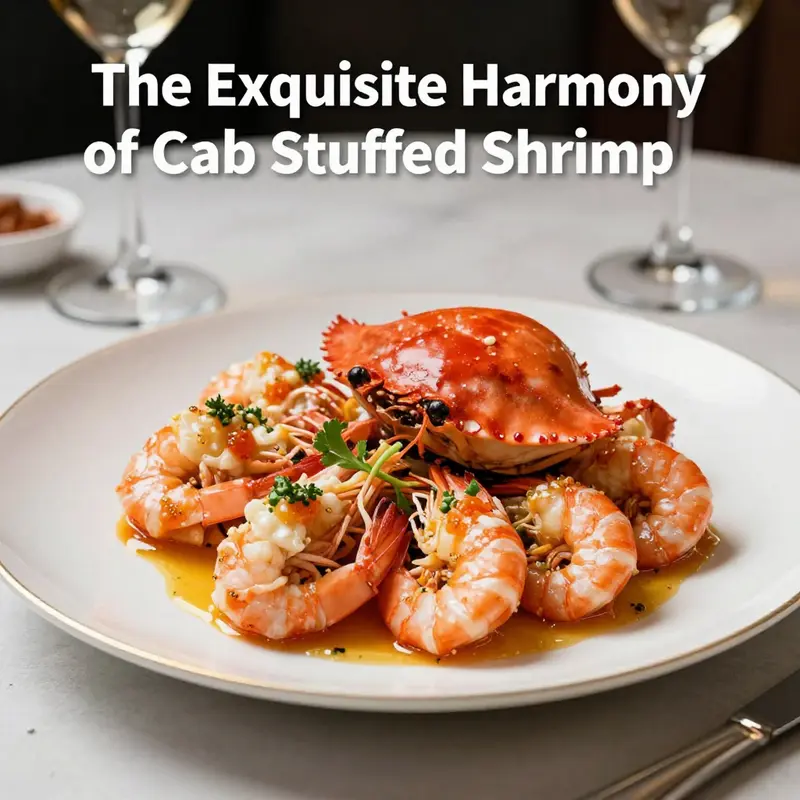
Crab stuffed shrimp is a culinary delight that marries the tender texture of shrimp with the rich flavor of crab, creating an unforgettable dining experience. For business owners in the culinary industry, understanding this dish’s appeal can enhance menu offerings and attract seafood enthusiasts. In this exploration, we will delve into the historical and cultural significance behind crab stuffed shrimp, its variations and cooking techniques, and how to present these dishes beautifully to captivate clientele. Each chapter will provide insights to elevate your culinary business and offer your customers an exceptional seafood experience.
null
null
Crab-Stuffed Shrimp as Culinary Symbol: Craft, Celebration, and Coastlines in Gastronomy
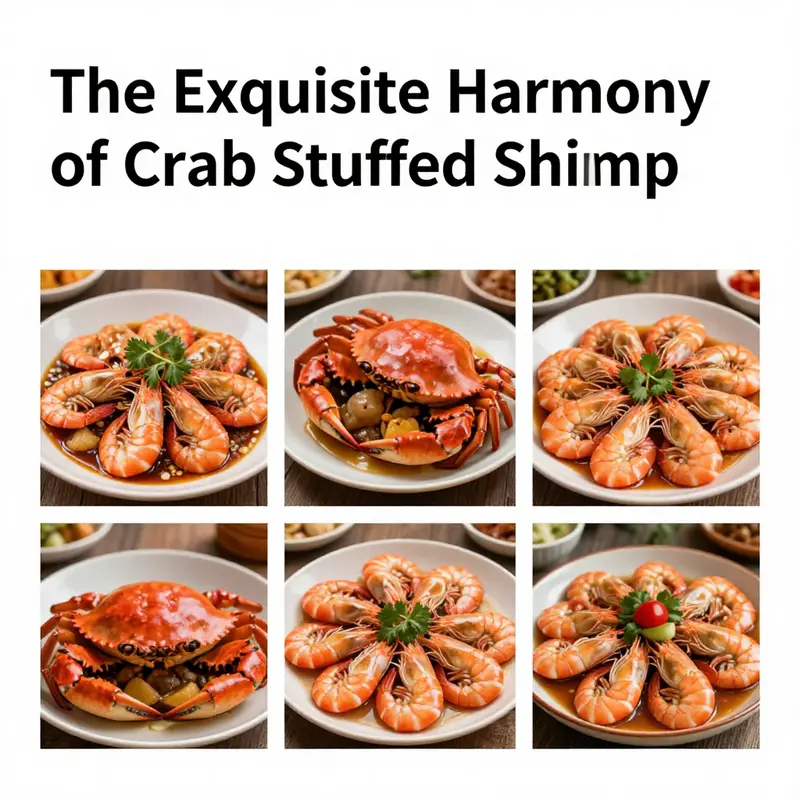
Crab-stuffed shrimp sits at the intersection of artistry and memory. In many coastal cuisines, the dish is less about novelty and more about how flavor and form tell a story of place, season, and careful hands. The shrimp, peeled and poised, becomes a tender wrapper for the crab’s fragrant sweetness. The technique itself is a dialogue between two crustaceans—one sustaining the bite with firm succulence, the other imparting the delicate, briny lift that signals a moment of refinement at the table. The cultural weight of this dish lies not only in its taste but in its ability to translate regional values into a single plate. It is a dish that travels across kitchens, bearing traces of maritime economy, festive ritual, and the craft ethos that defines a seasoned cook’s approach to seafood.
Symbolism of ingredients: Crab, historically linked with prosperity, longevity, and abundance, pairs with shrimp, which has long symbolized happiness, good fortune, and marital harmony in many East Asian and diasporic culinary circles. In the context of special occasions—Lunar New Year feasts, weddings, temple banquets—the pairing becomes a language. The crab’s firm, flaked flesh contrasts with the softness of the prawn, echoing a balance between abundance and vitality. The very act of stuffing a hollowed shrimp with crab paste represents giving form to potential: a gesture of generosity, a wish for fullness, a toast to family continuity. The presentation, often finished with a light glaze or a scatter of bright herbs, translates these wishes into color and aroma that communicate before the first bite. In ceremonial menus, the dish sits among other symbols of good harvest, the sea’s bounty, and the human skill that can coax elegance from straightforward ingredients. In East Asian culinary imagination, the shrimp-crab alliance also gestures toward regional biodiversity and coastal identities. Where crab is abundant in one coastline and shrimp dominates another, the recipe becomes a microcosm of the sea’s shared pantry, a cross-cultural handshake that acknowledges different fishing cultures while arriving at a unified, celebratory core.
Preparation and craftsmanship: The real theater of crab-stuffed shrimp occurs in the kitchen as the hands transform raw components into a coherent bite. The cook starts by extracting the most delicate crab meat, sometimes mixing it with a touch of aromatics—a whisper of ginger, scallion, white pepper, maybe a spoon of mayo or a bind of egg to create a paste that holds together yet remains yielding. The peeled shrimp are prepared as if they were tiny containers, their tails curled in invitation. The crab paste is carefully piped or pressed into the shrimp’s cavity, ensuring even distribution so every mouthful has that signature crab lift. The assembly demands patience: misalignment can cause the stuffing to squeeze out or the shrimp to lose its tenderness. The surface may be brushed with a light glaze—soy, sesame, or a citrusy sheen—and then the dish is finished with a gentle heat, either a quick broil, a steam finish, or a delicate pan-sear that preserves the shrimp’s succulence while offering a touch of caramelized edge.
beyond the technique, plating is a quiet form of storytelling. The arrangement that presents the stuffed crustacean in a symmetrical line, the negative space around it, and the way each piece catches light—all communicate care, control, and a respect for the animal itself. In this frame, cooking becomes a ritual: an homage to the sea, a nod to generations of cooks who learned to coax maximum flavor from modest components, and a reminder that the most impressive dishes often emerge from restraint. The culinary interplay of textures—the slight resilience of the shrimp against the creamy, sometimes springy bite of the crab paste—offers a tactile chorus that can be enjoyed as much with the eyes as with the palate. In some kitchens, this dish is not merely a recipe but a small statement about regional identity, a literal wrapper around a story of coastal living, family gatherings, and the careful balance between luxury and tradition.
To appreciate its cultural depth is to recognize how regional cooks adapt the stuffing to local palates and available seafood. A dash of chili or a whisper of sesame can shift the dish from a refined banquet item to one that resonates with everyday celebrations, while still preserving the core idea: a single shrimp serving as a vessel for the sea’s most cherished crab essence.
Academic perspective: A scholarly note from 2025 foregrounds crab as more than an ingredient. The review emphasizes that crab embodies cultural, archaeological, and artistic research value within Chinese culinary traditions. In this framework, ingredients become vessels for collective memory, social hierarchy, and regional exchange. Crab’s presence in festive dishes, then, marks a deliberate entry into rituals and storytelling through food. The dish’s ability to transmit meaning across generations hinges on its stylistic precision and its adaptability to different households and kitchens. This perspective helps readers see crab-stuffed shrimp not simply as a recipe but as a cultural artifact, a compact evidence of how cuisine encodes memory and aspiration.
For researchers and curious cooks alike, such scholarship invites a broader examination of how crustaceans function in cuisine beyond taste. It prompts questions about regional supply chains, artisanal methods, and how festive dishes migrate through diasporic communities while retaining core symbolic meanings. If one considers the crab-and-shrimp pairing through this lens, the dish becomes a case study in how tradition negotiates modern appetite, sustainability concerns, and the evolving palate that accompanies globalization. The 2025 review links crab to a long arc of cultural significance, encouraging deeper exploration of how crustaceans anchor social rituals in kitchens and banquet halls alike.
Linking earth and sea, tradition and technique, crab-stuffed shrimp occupies a meaningful niche in gastronomy. It invites cooks to respect both the crab’s elegance and the shrimp’s tenderness, to honor the symbolism that informs festive meals, and to cultivate the meticulous craft that makes a plate feel ceremonial rather than incidental. For a tasting lens on similar maritime preparations, see Olive Garden-inspired shrimp scampi. The conversation around this dish, when read alongside related preparations such as fried crab claws stuffed with minced shrimp or steamed crab-dumpling fillings, reveals a shared impulse: to pair crab’s briny sweetness with the pliable bite of shrimp and to present the result with artistry that nods to regional tastes and global curiosity. As readers explore how this dish travels from coastal markets to banquets, they encounter a broader reflection on how seafood can be a language with grammar, rhythm, and emotion.
For deeper context about crustacean symbolism in Chinese culture, a scholarly resource traces the connotation of crab culture across history and foodways. The connotation of Chinese crab culture: a comprehensive review
From Butterflied Seas to Golden Edges: The Craft and Variations of Crab-Stuffed Shrimp
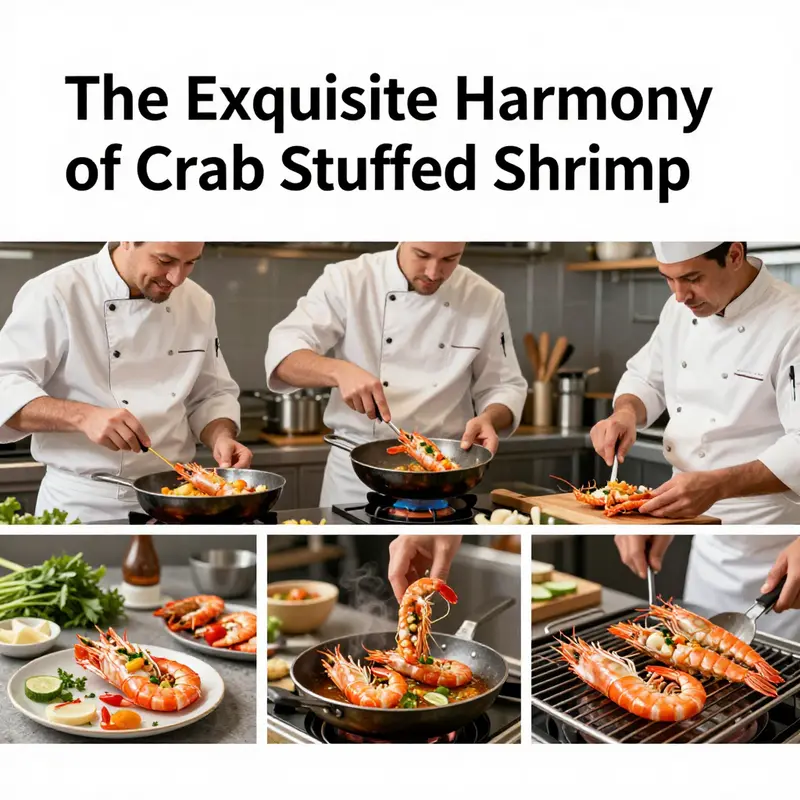
Crab-stuffed shrimp invites a sense of celebration without pretension. It begins with the unassuming shrimp, its rind of shell offering a natural vessel for a richer, more luxurious partner: crab meat. The dish plays with contrasts—the delicate bite of lump crab against the tender snap of shrimp, the soft sweetness of shallots, the brightness of parsley, and the subtle heat folded into the filling. To achieve this balance, a practical, almost meditative approach to technique matters as much as the choice of ingredients. The process starts with selecting large shrimp—ideally jumbo size—so there is ample room for a generous crab filling. Peeling and deveining the shrimp while leaving the tail intact is a visual cue as well as a practical one. The tail acts like a natural handle, enhancing presentation and making servings easier at table. A shallow cut along the inner curve of the shrimp back—this butterflying step—opens the shell so the fillet can lie flat while holding its shape during cooking. When the shrimp is pressed gently, the back forms a shallow pocket that cradles the stuffing without tearing the delicate meat. This is not merely a technique; it is the hinge on which the dish’s texture and appearance turn, ensuring that the shrimp remains succulent, moist, and evenly cooked beneath a mantle of crab filling.
The stuffing itself is a study in texture and refinement. Lump crab meat is preferred for its substantial yet fragile bite, and it is mixed with ingredients that bind and flavor without overpowering the seafood. Finely minced shallots or onions provide a whisper of sweetness that does not scream in the filling, while chopped fresh parsley adds a green lift that brightens the entire plate. A touch of Dijon mustard contributes a tangy spark, a scientific nudge that keeps the filling from feeling soft or flat. An egg white acts as a gentle binder, enough to hold the mixture together through low- to mid-heat cooking but not so much that the stuffing becomes dense. The binder’s restraint preserves the crab’s natural texture, which is the dish’s defining hallmark. Panko breadcrumbs are a modern departure from the more traditional cracker-based mixtures; they lend a lighter, crisper exterior that contrasts beautifully with the tender crab inside. Seasonings—Old Bay or Creole/Cajun blends—bring regional personality, while a pinch of cayenne adds a whisper of heat that lingers pleasantly after the first bite. It is the careful fold, not the aggressive mixing, that preserves the crab’s delicate flakes and prevents the filling from turning into a uniform paste.
The appeal of crab-stuffed shrimp also rests on the way it is cooked, which should be a process of modest heat and attentive timing. Baking is the most straightforward method and the one most likely to yield a reliable result for home cooks. After stuffing the shrimp, they rest on a parchment-lined sheet and bake at 400 degrees Fahrenheit (200 degrees Celsius) for roughly 12 to 15 minutes. The ends should be just opaque and the filling set with a golden halo—an indicator that the panko has toasted and the crab has warmed through without drying. Grilling offers a different sense of drama—the smoky aroma that pulls the flavors toward a more rustic, outdoor-meets-seafood profile. When grilled, the shrimp are skewered or placed in a grill basket and cooked over medium heat for about 3 to 4 minutes per side. The high, quick heat helps form a crust on the outside while preserving the filling’s tenderness inside. Searing in a skillet is the most restaurant-like approach at home: a hot pan with a splash of butter or oil, and 2 to 3 minutes per side until the crust turns bronzed and the shrimp just turn opaque. Broiling is a brisk, high-fire method that delivers a fast crust and a slightly crisp top, though it requires vigilance to prevent scorching. Each cooking method offers a different mood and texture, allowing cooks to tailor the experience to a gathering, a menu theme, or simply on what the kitchen can support at that moment.
Texture emerges as a central thread when considering variations of the classic. Cheese-stuffed versions, which fold cream cheese or a soft goat cheese into the crab filling, add luxurious creaminess that glazes the mouth while keeping the crab’s bite intact. A spicy kick can be achieved by introducing diced jalapeños or a dash of hot sauce, which brightens the dish and keeps the palate awake. Herb-forward profiles invite experimentation, too; swapping flat-leaf parsley for dill, chives, or tarragon can tilt the aroma in surprising directions, especially when the dish is perched on a platter that features lemon wedges and fresh herbs. Regional and international influences ripple through the stuffing as well. A hint of lemongrass, ginger, or a splash of soy sauce can thread the dish toward Asian-inspired flavors, while feta and olives can anchor a Mediterranean interpretation. Even the crust itself can shift—coating the stuffed shrimp in a light dusting of flour or additional panko just before baking creates a crisp exterior that contrasts with the tender interior. The variations are not gimmicks; they are expressions of the dish’s versatility, capable of carrying a simple weeknight supper or a festive, multi-course menu.
The technique’s elegance lies in restraint. The crab’s elegance should not be masked by overpowering seasonings, and the shrimp’s delicate sweetness should not be overwhelmed by heavy sauces. A simple, bright finishing component can lift the dish without stealing its identity. A small pool of melted butter with lemon zest served alongside invites a gentle gloss, while a dollop of a light herb-chive sauce can brighten the plate. When it comes to sauces, some chefs turn to a creamy remoulade or a light beurre blanc, but the best pairing often remains a straightforward embellishment: a lemon-butter drizzle that echoes the citrus notes in the stuffing, and a crisp, well-seasoned crust that catches every bite. For readers who crave a practical culinary shortcut, there are reliable, tested approaches to sauces that align well with the crab-stuffed shrimp, including a quick reference guide that emphasizes balance and restraint. In this regard, a concise sauce guide can be found in the broader seafood-cooking literature and is worth exploring for ideas that harmonize without overpowering.
The craft of stuffing and cooking, while rooted in technique, thrives on the cook’s willingness to taste and adjust. A gentle fold of the crab mixture preserves its flake and moisture, and a careful bake ensures the filling sets without drying. The juxtaposition of a lightly browned crust with the tender, pale interior is not merely a culinary effect; it is a sensory cue that signals a successful balance of fat, protein, and freshness. The dish’s presentation follows suit: the curled, pinkish tails, the pale, crumb-speckled filling, and a final brush of butter or a glistening glaze create a plate that looks as refined as its flavors suggest. In a sense, crab-stuffed shrimp is a study in conversion—turning two already-loved ocean flavors into a single, elegant mouthful. It embodies the culinary principle that good seafood shines brightest when kept honest and simple, then accented with just enough creativity to spark curiosity rather than overwhelm it.
For readers exploring the recipe landscape, short, practical resources can inspire experimentation without veering off course. A concise, hands-on guide to sauces and finishing touches can provide a helpful companion to the stuffing and cooking steps described above. If you’re seeking a quick, seafood-focused sauce idea to pair with this dish, you might explore a dedicated resource such as shrimp-sauce-recipe, which offers a range of complementary options without complicating the core technique. As with any seafood preparation, the best results come from starting with high-quality ingredients, giving yourself time to butterfly the shrimp cleanly, and letting the stuffing do the talking. The rest is technique, timing, and a sense of culinary rhythm that lets crab and shrimp converse across the plate.
External resource for further exploration: https://www.deliciouslyeasy.com/crab-stuffed-shrimp-recipe/
Final thoughts
Crab stuffed shrimp represents a rich fusion of flavors and textures, making it a standout dish in seafood cuisine. For culinary business owners, incorporating this dish into your menu offers the opportunity to appeal to seafood lovers looking for something special. By understanding its cultural significance and mastering its cooking techniques, you can provide a unique dining experience that will keep customers returning for more. Whether you’re innovating traditional recipes or showcasing variations, crab stuffed shrimp can elevate your culinary offerings and set your establishment apart in a competitive market.