
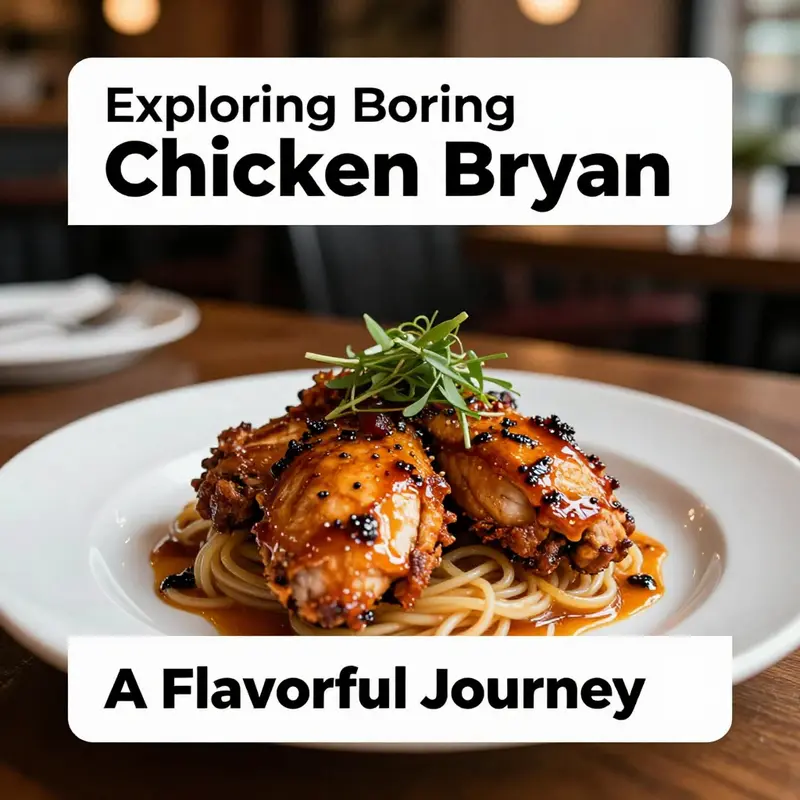
Chicken Bryan is more than just a dish; it’s an experience that captures the essence of culinary creativity through its harmonious blend of flavors. Business owners in the hospitality industry should be keenly aware of this unique recipe, especially as it highlights the importance of flavor and presentation in today’s restaurants. This article will explore the journey of Chicken Bryan, its ingredients and their nutritional benefits, and the dish’s increasing popularity and cultural significance in modern cuisine. By understanding these aspects, restaurateurs can better appreciate and possibly incorporate this dish into their menus, catering to the evolving tastes of diners.
Chicken Bryan Reimagined: A Modern Plate That Marries Bright Citrus, Creamy Goat Cheese, and Sun-Dried Tomatoes
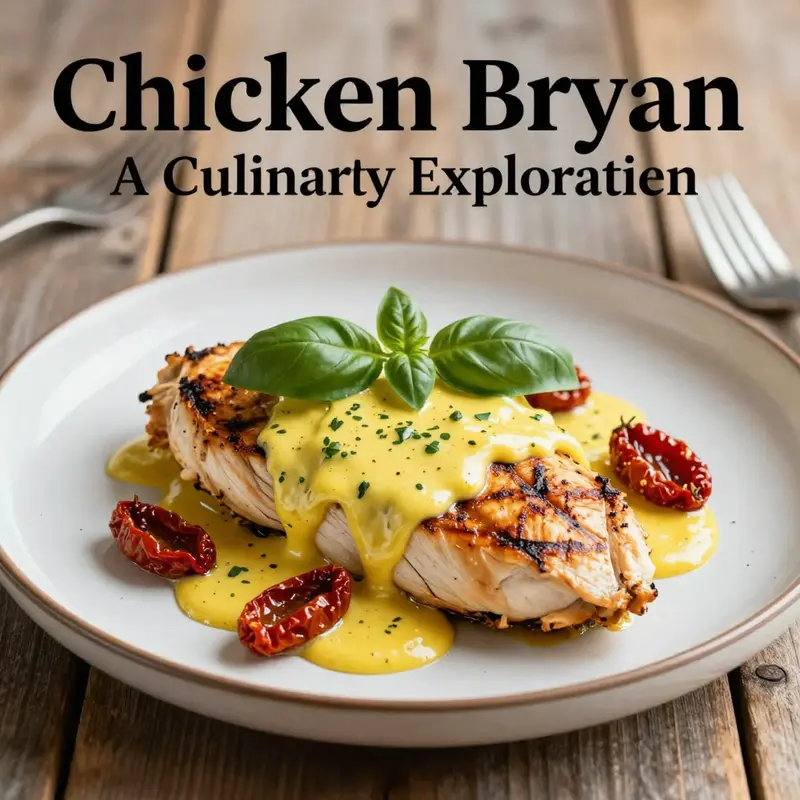
On a sunlit afternoon in Italy-inspired dining rooms and kitchen counters around the world, Chicken Bryan has emerged not merely as a dish but as a shared modern classic. Its rise mirrors how food culture travels: a signature plate from a well-known Italian-American restaurant, captured and remixed by home cooks on TikTok and saved as a glossy pin on Pinterest. The dish itself often centers a simply prepared chicken breast, seared to a bronzed crust, then coaxed to tenderness in a sauce that balances tang and richness. The hallmark flavors—lively lemon, velvety butter, bright sun-dried tomatoes, and the tang of goat cheese—arrive in a harmony that is both daring and comforting. This is the essence that makes Chicken Bryan feel celebratory yet approachable, a paradox that modern cooking frequently seeks: something that looks like a restaurant plate but tastes like a comforting home meal.
Origins remain partly myth, partly memory. The story circles around Carrabba’s Italian Kitchen and Damian Mandola, a name many cooks trace as the inspiration behind the dish’s iconic profile. The online raconteur’s videos fold storytelling into technique, turning a recipe into a narrative about family, craft, and the joy of sharing something delicious. A single clip can prompt thousands to experiment in their own kitchens, to imagine a table where lemon butter finish and creamy goat cheese melt together with sun-dried tomatoes as if they were meeting old friends. In this way Chicken Bryan becomes less a fixed set of steps and more a living conversation about balance—how brightness and creaminess can play off each other, and how a crisp chicken skin can carry a whisper of garlic and seasoning without shouting over the sauce.
From a technique standpoint, Chicken Bryan invites a confident, simple approach. A patient sear brands the chicken with a kiss of brown, while a gentle simmer in a cream-based finish gathers the sun-dried tomatoes and the cheese into a cohesive sauce. The lemon butter finish isn’t merely a bright note; it acts as a bridge, lifting the richness of the sauce and brightening the plate so that the dish remains vibrant even as it comforts. Some cooks fold in a handful of fresh basil at the end, others add a shower of chopped parsley for color and aroma. Goat cheese, with its tang and creaminess, dissolves into the sauce rather than clumping, leaving a satin texture that clings to the chicken without weighing it down. The result is a dish with a modern Italian sensibility: refined, but not aloof, and designed to be plated in a way that rewards both the eye and the palate.
An essential part of Chicken Bryan’s charm is how accessible it has become. Listeners who follow food creators online discover that you can achieve a restaurant-like finish with a single skillet and a handful of pantry staples. A typical home version might cap the process in about half an hour, especially if you use a timer and keep the sauce simmering while the chicken rests. This democratization mirrors a broader cultural shift: gourmet flavors, once the sole province of professional kitchens, are now contingent on technique, timing, and the willingness to improvise with a few bright ingredients. In practice, the dish becomes a canvas for personal taste. Some prefer extra lemon zest for zing, others favor a deeper sun-dried-tomato presence. The creaminess can be adjusted with a splash of stock or wine, and the goat cheese can be substituted with a softer cheese variant if a sharper bite is desired. And when plated, the dish offers contrast—the creamy sauce against a golden chicken breast, punctuated by ruby flecks of tomatoes and the pale green of basil—an invitation to photograph and savor at once.
For readers who want to explore the dish beyond the skillet, the community has produced reliable, tested versions under a banner of shared technique. A well-known strategy is to seek a copycat recipe that promises efficiency—often a one-pan approach that preserves the sauce’s sheen and the chicken’s moisture. If you’re curious to see a specific rendition that aligns with the flavors described here, you can explore a widely circulated take titled Chicken Bryan recipe, which has circulated online as a straightforward guide to achieving the signature balance. Chicken Bryan recipe. The link is just one doorway into a library of similar preparations, where the core idea remains the same: take a simple piece of poultry, dress it with lemon, butter, and a creamy, tangy cheese, and finish with the sun-warmed sweetness of tomatoes.
Ultimately, Chicken Bryan stands as more than a dish. It embodies a culinary moment when technique, nostalgia, and digital culture converge on the dinner table. It invites cooks to think about brightness and richness as a duet, not a duel, and to consider how a visually appealing plate can be as much a part of the experience as the flavors themselves. In that sense, the modern revival of Chicken Bryan is less about recreating a single recipe and more about continuing a conversation—one where home chefs contribute their tweaks, share their plating ideas, and connect through the universal language of good food. For those seeking a broader context on how iconic American comfort foods evolve in contemporary cooking, see The True Meaning of BBQ: A Spicy Culinary Exploration.
Flavor Framework of Chicken Bryan: Core Ingredients, Creamy Depth, and Nutritional Realities
Chicken Bryan sits at a curious crossroads where grilled restraint meets creamy indulgence. It is the kind of dish that speaks softly at first—an unassuming plate of chicken with a glossy sauce—then reveals layers of balance that make it linger on the palate. The signature idea is simple enough: lean protein touched by a dairy-forward, wine-bright sauce, folded with aromatics and mushrooms to create a comforting, almost rustic refinement. Across menus and kitchens, the specifics shift, yet the underlying architecture remains recognizable: a well-cooked chicken breast, a mushroom-onion backbone, and a white-wine cream that glides over everything like a satin veil. In some interpretations a lemon-basil butter note or sun-dried tomato accents drift into the edges, but even when those elements appear, the dish holds together with a core of restraint and harmony. The result is a modern Italian-American classic that satisfies without shouting, inviting both home cooks and restaurant guests to slow down and savor the moment.
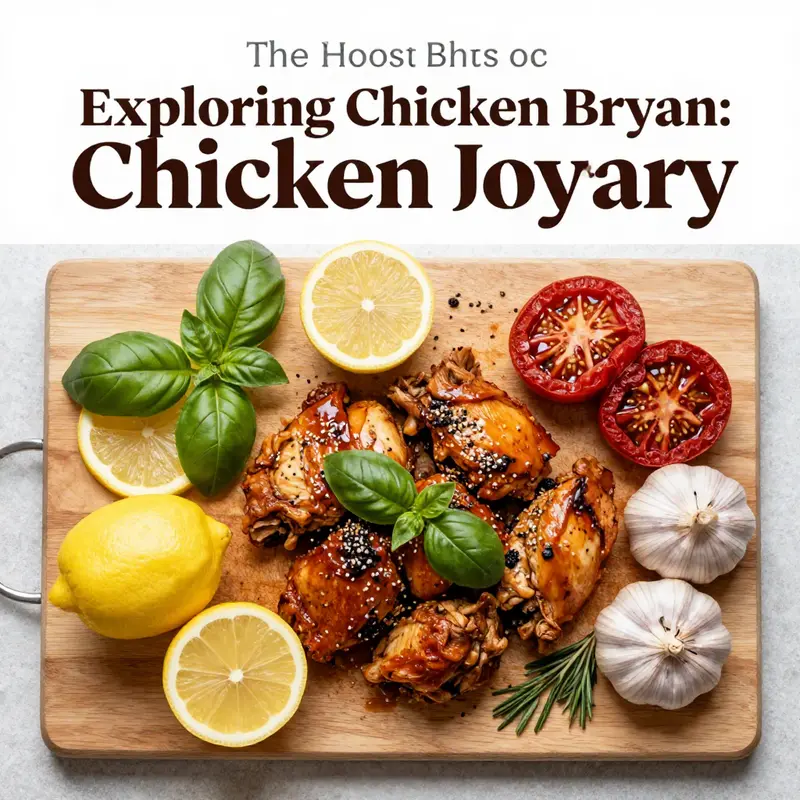
The core ingredients form a framework as dependable as it is delicious. The chicken breast is the anchor, seared to a light caramel at the surface while staying juicy inside. The pairing of mushrooms and onions creates the deep, savory foundation. Mushrooms contribute umami as they release their moisture and brown in the skillet, while onions offer a gentle sweetness that echoes through every spoonful of sauce. Garlic threads through the mix, providing aromatic lift without dominating the other flavors. The sauce itself is a delicate balance of dairy and fat—cream and butter lending a lush, velvety texture that coats the chicken and vegetables. White wine introduces brightness and acidity to prevent the dish from tipping into heaviness, a critical counterpoint that keeps the flavors fresh instead of velvety-sweet. Herbs like thyme and oregano weave in herbal undernotes that feel both familiar and comforting, reinforcing the dish’s Italian-American lineage. Salt and black pepper tie the elements together, but even in modest quantities they elevate the perception of depth. In some kitchen variations, lemon zest or a lemon-basil finish brightens the sauce, offering a spark that cuts through richness. A touch of sun-dried tomatoes can contribute a tart-sweet counterpoint, introducing a sun-soaked warmth that nods to the dish’s broader Mediterranean roots. While the exact ingredient list remains proprietary in some versions, the qualitative mix remains consistent: a protein-forward dish where dairy, wine, and aromatics are orchestrated to create a cohesive, indulgent, yet accessible flavor profile.
The flavor profile itself embodies a careful choreography of richness and balance. The baked-scented crust on the chicken gives way to a mouthfeel that is creamy but not cloying, thanks to the wine’s acidity and the brightness of the aromatics. Umami from the mushrooms lingers, meeting the subtle sweetness of caramelized onions, while the garlic injects a crisp edge that never veers into sharpness. The result is a savory, comforting profile with enough contrast to stay interesting: the dairy provides a silky canvas, the wine provides lift, and the vegetables supply texture and depth. The dish is rarely spicy, an intentional choice that broadens its appeal across a wide range of palates. Visual appeal accompanies the taste: a golden bird resting in a pale, glossy pool of sauce, punctuated by the dark, earthy mushrooms and the soft blush of onions. The plate’s color palette—light cream, rich brown, and the occasional pop of green from herbs—emphasizes appetite and sophistication without sacrificing approachability. In short, Chicken Bryan is comfort refined: a dish that invites repeated bites because every element supports the others rather than competing for attention.
From a nutritional vantage point, the dish presents a substantial, satisfying meal. A typical serving lands around 680 calories, with about 35 grams of fat, 38 grams of carbohydrates, and 47 grams of protein. This macro composition reflects the generous dairy component and the protein-packed chicken while acknowledging the role of carbohydrates from the accompanying starch or starch-like elements often found on the plate. Sodium is a notable consideration, generally around 1,650 milligrams per serving, which can push the day’s intake for some people. The saturated fat contributed by cream and butter is another factor to consider, especially for those monitoring heart health or following specific dietary plans. It’s important to emphasize that these numbers are context-dependent: portion size, the exact amount of cream, and the level of salt can shift the nutrient profile. For readers who track calories or fat, the dish can still be enjoyed in moderation or adapted through thoughtful substitutions while preserving the essential flavor and texture that define Chicken Bryan.
Healthier adaptations are not incompatible with the dish’s essence. A few practical approaches let the sauce echo its silkiness with fewer calories. Leaner chicken, lighter dairy or substitutes like half-and-half or a splash of low-fat milk can reduce fat content without sacrificing mouthfeel. The sauce can be thickened by reducing it longer, using a small amount of cornstarch, or relying more on the natural starch of accompanying pasta to carry the sauce. Garlic and onions can be caramelized with less oil, and a squeeze of lemon or fresh zest brightens the dish in a way that feels lively rather than heavy. If sun-dried tomatoes are part of the plan, they contribute both tang and depth without tipping the balance toward sweetness. For those who desire a herbal lift without extra fat, a light brush of lemon-basil herb butter on the plate or a gentle infusion of fresh herbs into the sauce can offer a refreshing note that preserves the dish’s character.
Readers who want to explore the technique in a practical, home-kitchen context can consult a straightforward Chicken Bryan recipe that demonstrates the core method while allowing room for personal tweaks: Chicken Bryan recipe.
This chapter’s focus on the ingredient matrix and the nutrition narrative helps explain why Chicken Bryan endures as a contemporary signature. It is not merely the combination of chicken, mushrooms, and a cream sauce; it is the realization that a well-balanced plate can feel indulgent and accessible at the same time. The dish invites experimentation—vary the aromatics, adjust the acidity, or scale the dairy—without breaking the essential harmony that makes the dish recognizable and comforting. The result is a meal that satisfies a craving for richness while inviting mindful choices about portion and balance. As a touchstone of modern comfort cooking, Chicken Bryan demonstrates how thoughtful technique, well-chosen ingredients, and an awareness of nutrition can converge on a plate that feels both familiar and newly satisfying. For readers seeking precise nutrient values and official data, the nutrition analysis provides a detailed benchmark to consult.
External reference for precise data: Nutrition Analysis PDF.
Chicken Bryan’s Rise: How a Grilled-Chicken Favorite Became a Modern Culinary Icon
External reference for further exploration: https://www.allrecipes.com/recipe/274561/chicken-bryan/
Final thoughts
In summary, Chicken Bryan stands out as a remarkable dish that encapsulates the art of modern cooking, emphasizing not just flavor but also nutritional balance and visual appeal. Its unique combination of ingredients—the grilled chicken, lemon-basil butter sauce, and sun-dried tomatoes—not only tantalizes the palate but also speaks to cultural trends as diners seek fresh and lively flavors. For business owners, incorporating Chicken Bryan into their menu could cater to customers’ evolving preferences and enhance the overall dining experience.