
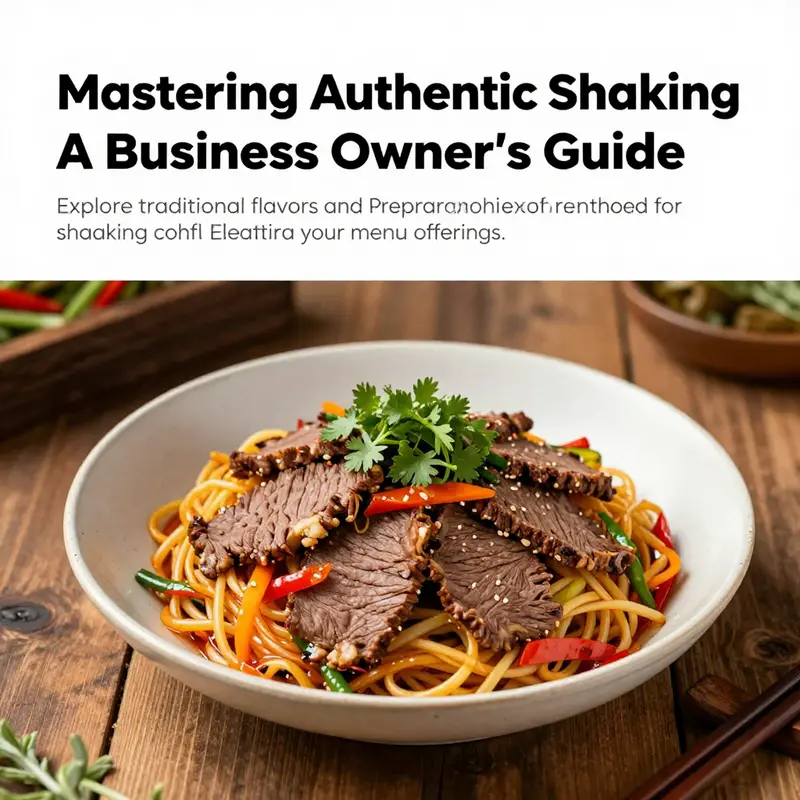
Authentic shaking beef, known as Bò Lạc or Bò Xào in Vietnamese cuisine, is not just a dish; it embodies a blend of rich flavors and advanced cooking techniques. For business owners in the culinary sector, diving into this recipe can open avenues for enriching menus and enticing patrons. This guide will outline the key ingredients and preparation steps for authentic shaking beef, followed by cooking techniques that enhance its flavors and presentation. Whether emphasizing fresh ingredients or offering unique serving suggestions, understanding this dish thoroughly can significantly impact your restaurant’s appeal and customer satisfaction.
Beyond the Sizzle: The Art and Rhythm of Authentic Shaking Beef
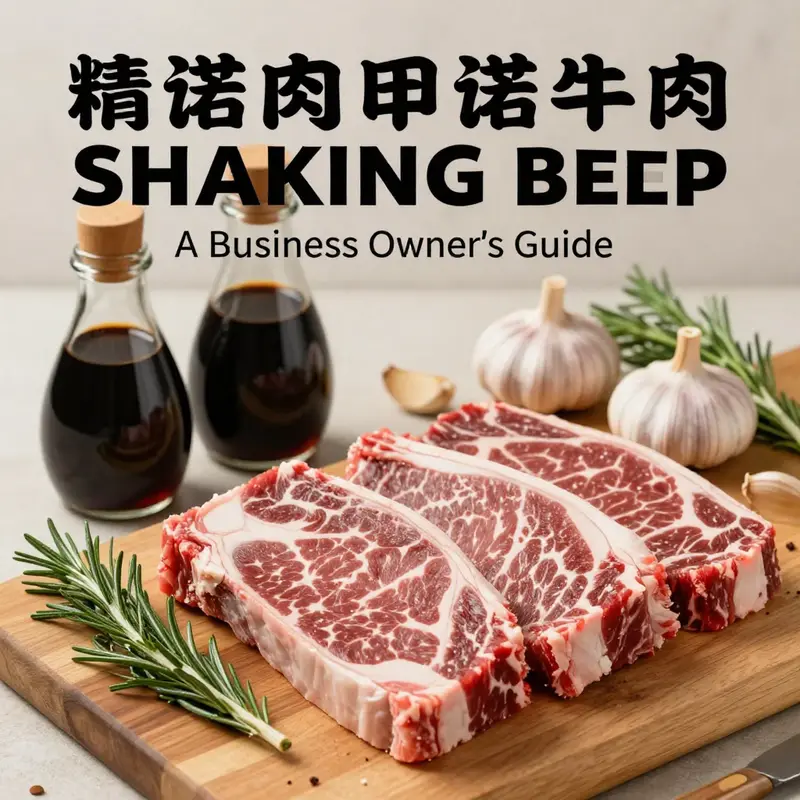
Shaking beef is more than a dish; it is a moment of pan and flame, a brisk conversation between heat, fat, and aromatics that ends in a glossy, aromatic bite. In Vietnamese street kitchens and homestyle tables alike, Bò Xào or Bò Lá Lá has earned its place not just for its flavor, but for the way it moves—how a hot skillet, a quick sear, and a deliberate shake translate into texture and nuance. The chapter that follows invites you to walk with the technique as much as with the ingredients, to hear the sizzle and feel the momentum, and to understand why this is a recipe that rewards precision, timing, and a respect for high heat. The core of authentic shaking beef rests on balance: a confident sear that locks in juices, an infusion of garlic and onion that perfumes the meat, and a final flourish of butter that lends a glossy finish without dulling the sharp edges of flavor. It is a discipline of the kitchen that rewards restraint, patience, and a willingness to move with the plate rather than against it.
At the heart of the dish lies the beef itself, most often filet mignon or a well-marbled rib-eye, trimmed and cut into roughly 1-inch cubes. The choice of beef matters because the technique hinges on a fast, hot sear that creates a crust while keeping the interior tender. The marinade is simple but essential: a measured chorus of light soy sauce for salt and umami, fish sauce to anchor the depth of seafood-derived savor, and a optional touch of dark soy for color and a hint of molasses-like sweetness. The ratio is deliberate, not overbearing—one part soy, one part fish sauce, a whisper of dark soy if you want that deeper hue. Sugar follows to coax browning, while black pepper brings edge. These elements are joined by a small amount of oil to help the beef release and to keep the pan from sticking, but the real marinade work happens during the rest period. The marinade, whether it rests for a brief half-hour or stretches to a longer interval, allows the beef to drink in aroma while the surface dries slightly, creating that ideal base for a rapid sear. A note about the aromatics: garlic and shallot bring a sharp, fragrant bite, while green onions add a springy brightness. The vegetables, if included, range from translucent onions to peppery greens that awaken when tossed in the hot pan. Some versions even add bell peppers for color and crunch; authenticity is a spectrum, and the peppers, when they appear, echo the dish’s childhood flavors as much as the beef itself.
The preparation unfolds with measured calm. Start by patting the beef dry; moisture on the surface sabotages searing, and in this dish, the goal is a crust that shows a touch of caramelization rather than a pale, steamed exterior. The beef meets the marinade in a shallow bowl, and you allow it to mingle for a window that fits your schedule—typically at least 15–20 minutes at room temperature, or up to an hour in the refrigerator for deeper flavor. The garlic and shallot are prepped in the meantime, and the green onions are cut to lengths that let their aroma travel through the pan without crowding. When the moment arrives, heat a wok or heavy skillet to a violent, almost smoking temperature. A tablespoon of oil goes in, and the marinated beef is laid down in a single layer to maximize surface contact. Searing is quick, each side flipping in a minute or two, until the exterior is richly browned and the interior still retains a hint of pinkness—timely enough to keep tenderness intact.
This is where the heart of shaking beef reveals itself. After the beef is briefly seared, it is removed from the pan so that the aromatics, garlic and shallot, can be sautéed in the residual heat. The goal is not to burn but to illuminate: the garlic should perfume the oil without turning bitter, and the shallot should soften and sweeten. Then the seared beef returns to the pan, and the stirring begins in earnest. The pan is brought back to high heat, and the ingredients are shook, tossed, and slapped with vigorous energy for a minute or two. This is the defining motion—the shake that disperses the aromatics through every bite and ensures the sauce clings to the meat with a light, even sheen. The culinary logic here is practical as well as poetic: the rapid tossing creates a glossy surface, catches the released juices, and maintains a balance between crust and juiciness. It is not about piling more flavor in but about guiding the existing flavor to the center of the plate.
The final touches elevate the dish without overpowering its clean lines. A pat of unsalted butter is introduced as the heat begins to fall slightly. As the butter melts, the flame is moderated and the beef, onions, and garlic are tossed for another half-minute. The butter imparts a luxurious gloss and a roundness to the sauce, smoothing edges without muting the character of the dish. The result is a glossy, aromatic lacquer that clings to each cube and makes the dish shimmer under the dining room light. The sauce is balanced—savory from the soy and fish sauce, a gentle sweetness from the sugar, a touch of saltiness from the salt added to taste, and a bright note from the green onions and onions themselves. This is the essence of authenticity: a restrained yet multi-layered flavor profile that does not rely on heavy sauces or artificial intensities.
Serving this dish is a ritual in itself. Traditionally, it rests atop steam-softened white rice—often colored by the presence of a tomato-based sauce that has earned the nickname red rice—or accompanies a simple green salad that delivers a crisp counterpoint to the warm richness of the beef. A fried egg on top is a beloved addition for those who crave extra richness and a creamier bite with each forkful. The choice to add peppers, onions, or extra garlic can be a matter of personal preference, but the core approach remains unchanged: keep the heat high, let the meat sear quickly, and then shake vigorously to meld the flavors. The texture should feel like a dance of contrasts: a crust that yields to a tender interior, an aromatically pungent note from garlic that never quite overpowers, and a final gloss that makes each bite gleam. If you are building a practice around this dish, consider the pan you choose as part of the technique as well. A heavy cast-iron skillet or a well-seasoned wok will hold heat longer, letting you maintain the necessary footprint of high temperature throughout the cooking sequence. It is this steady heat that makes the shake feel almost kinetic, as if the pan itself is a drum and the ingredients are a small orchestra performing a single, precise rhythm.
As with any technique carved into street-level memory, small nuances matter. The beef should be well trimmed, with the surface dry enough to form a crust promptly. Marinade ingredients work best when they are balanced to avoid oversaturation; too much soy or fish sauce can push the dish toward saltiness without adding additional dimension. The timing of the “shake” phase—1 to 2 minutes of vigorous tossing—serves to emulsify the sauce and to draw the current of flavors through the meat. If the pan cools too quickly, you risk overcooking the beef or letting the aromatics burn; if it stays searingly hot, you must be ready to move with the motion and pull the plate from the heat the moment the beef is cooked through. The aromatics, too, deserve respect: garlic scorches quickly, but when coaxed with care they release a perfume that becomes part of the dish’s signature scent. The shallot adds a subtle sweetness that deepens the overall profile, while green onions contribute a fresh lift that helps the dish feel brighter and more immediate on the palate.
For cooks seeking to connect with the broader conversation around authenticity, note how the technique mirrors a philosophy of speed, simplicity, and balance. The recipe relies on a handful of ingredients, all chosen for their ability to contribute distinct notes without stepping on one another’s toes. The high heat is not merely a matter of bravado; it is a deliberate choice to create Maillard-driven complexity and a crust that snaps when bitten. The “shaking” step is not a gimmick but a mechanism for integrating flavors and textures in a way that no long simmer or braise could achieve. And the finish with butter is not a luxury; it is a finishing gesture that transmits warmth and cohesion, a small flourish that makes the dish feel polished and complete at the moment of plating.
If you would like a visual guide to accompany this narrative, a detailed video tutorial demonstrates the authentic method step by step. The video shows the exact heat management, the tempo of the toss, and how the elements come together in real time. For those who crave a direct demonstration, the resource provides a tangible sense of the rhythm and the timing that words alone cannot fully convey. You can explore this technique through the shaking-beef page for a focused walkthrough that aligns with the principles laid out here. shaking-beef
In keeping with the spirit of practical, culturally rooted cooking, this approach emphasizes that the best Shaking Beef emerges from disciplined technique as much as from the ingredients themselves. It is about reading the heat, trusting the crust, and allowing the pan to do the work while you guide the flavors toward seamless integration. The result is a plate that looks as dynamic as its name suggests—beef that has not only been cooked but given a moment of conversation with the pan, an aroma that lingers in the air, and a finish that invites that next bite. For those who want to dive deeper, an external resource offers a close-up look at the technique in action, providing a visual complement to the careful, measured approach described here. The video demonstrates how high heat, precise timing, and the characteristic shake come together to create the dish’s iconic texture and flavor. You can access that tutorial at the following link: https://www.youtube.com/watch?v=8JQjUqoGmYw
Mastering Authentic Shaking Beef: Heat, Technique, and Serving Rituals
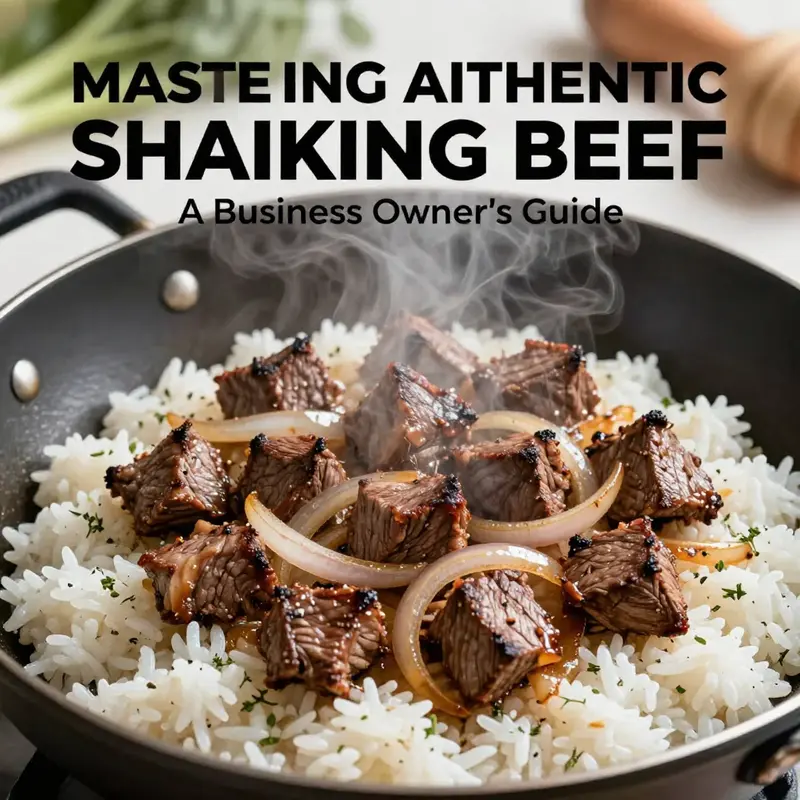
Mastering the Technique and Serving of Authentic Shaking Beef
The soul of shaking beef lies in a handful of precise actions: choosing the right cut, marinating with balance, searing over fierce heat, and finishing with a rapid, vigorous toss that brings everything together. Each step matters because this dish lives in contrast — a caramelized crust against a tender interior, a sweet-salty glaze brightened by onion and garlic, and a glossy finish from butter. To achieve that harmony at home, treat the process as a sequence of small, exact moves rather than a single long cook.
Start with the beef. Tenderloin or rib-eye are the traditional choices because they sear beautifully and stay tender in a quick cook. Trim any excess sinew, then cut the steak into uniform 1-inch cubes. Uniformity ensures every piece cooks at the same rate. Pat each cube dry with paper towels; moisture is the enemy of a proper sear. The marinade is simple but precise: light soy for salt and color, fish sauce for umami and depth, a touch of dark soy if you want richer hue, sugar to caramelize, and black pepper for heat. Add a small amount of neutral oil to help the marinade cling. Toss the beef well, cover, and refrigerate for at least an hour. This resting time seasons the meat and helps the sugars penetrate surface fibers without making the texture mushy.
A heavy pan is essential. A cast-iron skillet or a thick-bottomed stainless pan holds and distributes heat consistently. Heat it until it is very hot, then add the oil. The correct temperature is high enough to make the oil shimmer and produce an immediate sizzle when the beef hits the surface. Overcrowding is a common mistake; if too many cubes crowd the pan, they steam instead of searing. Work in small batches, searing each side for only about a minute. The aim is a deep, quick browning with a slightly pink center. Remove the seared cubes and rest them briefly while you prepare the aromatics.
The dish gets its name from the final pan work. After the initial sear, return the pan to high heat, add a splash more oil, and quickly sauté sliced white onion and minced garlic just until fragrant. The onion should soften slightly but keep some resilience. Now comes the shaking: bring the seared beef back into the pan, and with a spatula or tongs, toss and shake the contents continuously. Move briskly but controlled; the motion combines ingredients, allows the beef to finish cooking evenly, and ensures the marinade reduces into a clingy glaze without burning. This tossing also gives the beef its characteristic gleam and slightly charred edges. If you want bell peppers, add them at this stage, but keep them crisp — they should complement, not overwhelm, the beef.
A small final flourish of butter is nonnegotiable for authenticity. Reduce the heat slightly and add a knob of unsalted butter. As it melts, continue tossing to marry the butter with the reduced juices. The fat smooths the sauce and creates that luxurious sheen. Taste and adjust: a splash more fish sauce for depth, a pinch more sugar for balance, or a grind of black pepper for brightness. The final seasoning should be a tight balance of sweet, salty, and savory, with aromatics that lift rather than mask the beef.
Serving is where the dish becomes a shared experience. Traditionally, shaking beef rests on a bed of steamed rice. For an authentic touch, pair it with cơm đỏ, or red rice — rice sautéed briefly with tomato paste, garlic, and a bit of butter until the grains take on a warm color and richer flavor. The savory-sweet beef sits perfectly against this slightly tangy, buttery rice. A fried egg with a runny yolk is another classic accompaniment. Break the yolk over the hot beef and rice to create an instant, silky sauce that ties all elements together.
A crisp salad balances the richness. Serve shredded lettuce, thin cucumber slices, and fresh herbs such as cilantro and mint on the side. The cool, crunchy greens cut through the butter and sugar, refreshing the palate between bites. For a bolder contrast, add thinly sliced pickled carrots and daikon. Their acidity cleanses the palate and brightens the heavier notes in the dish.
Presentation matters because shaking beef is often enjoyed family-style. Arrange the beef over rice on a communal platter. Scatter sliced onions and a few sprigs of cilantro on top. Place the fried eggs beside the beef so guests can add one to their portion. Offer lime wedges on the side for those who prefer a citrus lift. If you want to serve it as a composed bowl, layer rice, a generous portion of beef, the salad, and a fried egg. The visual contrast of dark, glossy beef against pale rice and bright greens makes the dish irresistible.
Practical tips help when translating this restaurant technique to a home kitchen. Use a thermometer to avoid overcooking — aim for medium-rare to medium depending on cut thickness. Let the seared beef rest briefly to redistribute juices before the final toss. If you lack a heavy skillet, preheat a sheet pan in the oven, then finish the beef under a hot broiler for a quick crust, but retain the shaking step in a pan for the sauce and aromatics. If you must use bell peppers, choose red or yellow for sweetness and add them after the onions have softened slightly to keep a bright texture.
Leftovers reheat well if you mind the moisture. Warm gently in a skillet over medium heat, adding a small splash of oil or butter to revive gloss. Avoid the microwave unless you intend to accept a softer texture. For a different meal, fold leftover shaking beef into a crisp salad, top toasted baguette slices, or toss with steamed noodles for a quick stir-fry variation.
Small adjustments let you adapt the dish while preserving authenticity. Swap sugar for palm sugar if you can source it; it adds a subtler, caramel-like sweet. If you prefer a slightly tangier profile, a tiny splash of oyster sauce during the final toss brings complexity. Always taste as you finish; balance is fragile because the umami of fish sauce can dominate if not countered with sugar or acid.
For a reliable reference and inspiration for the high-heat sear and marination, consult a detailed guide on an authentic approach to shaking beef in this shaking beef recipe. For a visual step-through of the technique, the searing and shaking method is well demonstrated in this thorough recipe guide: https://www.recipetineats.com/vietnamese-shaking-beef/.
When the pan comes off the heat, you should see a glossy, slightly sticky coating clinging to each cube. That visual is your marker of success. The meat holds the crust, the interior stays tender, and the aromatics perfume each bite. Serve immediately, because the contrast of hot beef and cool salad or a runny egg is central to the experience. Keep the technique faithful: short, intense heat, constant motion in the final stage, and modest, well-placed finishing butter. Those choices make shaking beef not just a meal, but a ritual of texture, temperature, and flavor.
Final thoughts
Integrating authentic shaking beef into your culinary offerings can provide an unforgettable dining experience for customers. By focusing on fresh ingredients and mastering the cooking techniques highlighted in this guide, business owners can elevate their menus and distinguish themselves in the competitive food service industry. Embrace the vibrant flavors of Vietnamese cuisine and let this recipe serve as a cornerstone of your establishment’s culinary identity.