

Shrimp marinara is a dish that intertwines simplicity and sophistication, making it an excellent choice for business owners who want to impress clients or energize their teams during a lunch meeting. The combination of succulent shrimp with a rich tomato sauce offers a perfect blend of flavors that can elevate any dining experience. In this article, we will explore the classic shrimp and marinara recipe, delve into cooking techniques that enhance flavor and presentation, and examine the intricate flavor profiles that make this dish a true delight. Each chapter will build on our understanding of shrimp marinara as a versatile meal option, suitable for both quick weeknight dinners and elegant gatherings.
Sea-Bright Flavor in Thirty Minutes: A Modern, Elegant Take on Shrimp Marinara

The classic pairing of shrimp and marinara has long carried a promise: seafood heat and bright tomato tang, brought together in a way that feels both comforting and refined. This chapter invites you into a kitchen where speed does not sacrifice depth. In about half an hour, you can summon a plate that tastes like a celebration, yet remains perfectly suited for weeknights. The magic lies not in complexity but in balance—how the sweetness of shrimp meets the acidity of tomatoes, how garlic and onion mellow into a velvet base, and how a kiss of fresh herbs lifts the dish to something brighter than its everyday simplicity would suggest. It serves four generously, enough for a comforting family dinner or a casual gathering where a crowd expects something familiar but memorable. The approach here honors the spirit of the dish while inviting small personal touches, whether you choose to finish with a pat of butter for extra richness or a splash of wine to deepen the sauce’s character. The result is a sauce that clings to the shrimp and to the pasta with a confident, inviting sheen, rather than a heavy, cloying coat.
Shrimp marinara is as much about method as it is about ingredients. Start with the star of the show—the shrimp. Large shrimp, peeled and deveined, provide a clean bite and a quick cook time that keeps them tender and succulent. The aromatics form the backbone: garlic that releases its perfume slowly in olive oil, and, if you like, a small amount of onion or shallot to build a subtle sweetness. Red pepper flakes are optional but wise; they let you calibrate heat to taste, delivering warmth without overpowering the tomato’s voice. The sauce itself is the heart of the dish. A can of crushed tomatoes becomes the canvas, its tanginess supported by olive oil, garlic, and onion, and occasionally a whisper of tomato paste if you crave deeper color and a touch more body. San Marzano tomatoes come recommended for their natural sweetness and lower acidity, producing a sauce that tastes bright rather than sharp. Fresh basil or parsley offers a final bright note, sprinkled on just before serving to catch the steam and release a final scent of green, herbaceous aroma.
In practice, the preparation unfolds as a quiet conversation between simmer and sear. A wide skillet or sauté pan is warmed with a modest pool of olive oil. Onions and garlic are coaxed until they sigh with fragrance and become translucent, their flavors softening into the base that will support the sauce. The marinara is poured in, its acidity tempered by a pinch of salt and a slow simmer that encourages the flavors to mingle for ten to fifteen minutes. This simmer acts as a flavor blank, giving the tomatoes time to mellow, the garlic to mellow further, and the herbs to release their perfume. Meanwhile, the shrimp wait in their raw, trembling expectation. When the sauce has thickened, the shrimp join the party. They cook quickly, two to four minutes per side, turning from translucent to pink and opaque. The trick here is simple: do not crowd the pan and do not overcook. Shrimp once overdone become rubbery, breaking the ideal balance you want between texture and tenderness. As soon as they curl and space themselves in the sauce, they’re done. The final flourish can be a handful of torn fresh basil, a light splash of fresh lemon juice, and a finishing salt. A knob of butter added off heat can lend a velvety richness, smoothing the edges of acidity and bright garlic. If you crave even more luxury, a drop of high-quality olive oil right before serving or a pinch of saffron or bottarga can transform the dish into something that feels sculpted and celebratory, without losing the homey practicality that makes it so appealing for everyday meals.
The serving moment is as important as the cooking. Spoon the shrimp and sauce over pasta that holds sauce well—linguine or spaghetti are traditional favorites, but shells or paella-style short pastas also work beautifully. For a lighter route, serve over a simple crusty bread to soak up the tomato sweetness and the glossy sauce, or offer a bed of rice that catches every drop. A grating of Parmesan on top adds a gentle, savory finish, and a wedge of lemon brightens each bite, inviting the acidity to echo the sauce’s own brightness. The dish shines when plated with a clean, minimal aesthetic: let the shrimp’s pinks and the sauce’s red-orange glow tell the story, with a basil leaf or two adding a final flourish. There is a subtle magic in the way this dish invites you to taste, adjust, and savor in the moment, a reminder that good cooking can be both quick and generous.
The elegance of this approach lies not only in speed but in its adaptability. If you prefer a lighter tomato note, you can scale back the onion and rely on garlic and tomato to carry the flavor. If you crave more depth, a touch of tomato paste, simmered into the sauce early, adds color and density without thickening beyond recognition. For an even leaner profile, you can cook the shrimp separately in a little olive oil, then fold it into a bright tomato bath just before serving, which creates a more distinct seafood highlight. Likewise, the wine you might pour alongside can influence the tasting rhythm; a dry white wine with bright minerality or a light-bodied red with low tannin can pair gracefully with the citrusy brightness and the sea-salt finish of the dish.
To honor the dish’s roots while honoring today’s pantry flexibility, consider why this recipe works so well. It balances a few high-quality ingredients that are easy to keep on hand: thawed shrimp, a can of crushed tomatoes, aromatics, and a handful of herbs. It can be scaled up or down to fit different gatherings, and it lends itself to creative improvisation without losing its soul. A faithful rendition remains anchored in the idea that seafood, tomato, and herb harmony can be achieved with simple steps and attention to timing. For readers curious to explore a closely related approach that expands on tradition, a detailed variation and full method is available in a dedicated recipe at the internal link below. You can explore a closely aligned version here: shrimp-marinara-recipe. This link anchors the concept in a practical, tested framework while leaving room for personal flair in your own kitchen.
As this chapter closes, imagine a table lit by soft daylight, bowls gleaming with glossy sauce, and the scent of garlic and sea air weaving through the room. The technique is forgiving enough for cooks still learning the ropes, yet still capable of delivering a dinner that feels as if it required more time and care. The beauty of shrimp marinara is in its clarity: a tomato base that is not aggressive, seafood that remains tender, and herbs that lift rather than overwhelm. It is a dish that respects the integrity of the ingredients, honors the memory of a traditional Italian American preparation, and welcomes modern touches that make it your own. In the end, the best version will be the one you prepare with confidence, taste, and a smile, knowing that a flavorful plate can emerge quickly, elegantly, and in a way that invites seconds and conversation alike.
External resource for further refinement and inspiration: https://www.bonappetit.com/recipe/shrimp-marinarra
Precision in the Pan: Mastering Shrimp and Marinara Techniques for Flavorful Perfection

Shrimp and marinara live on the same stage, yet they demand different kinds of precision. The shrimp need to be lush and tender, the sauce deeply tomato-forward, and the moment they meet in the pan, everything should sing with timing. This chapter threads together the technique behind that harmony, guiding you from the moment you select your shrimp to the last, glistening spoonful of pasta. The central truth is simple: shrimp are quick. They respond to heat in moments, and a few seconds of overdo can turn a succulent bite into a chewy disappointment. That is why every step, from selection to final finish, matters as a part of a larger, cohesive sequence. The right shrimp, dry surface, and hot pan create a foundation that the marinara sauce can ride on, letting the aromas of garlic, oregano, and basil carry the dish forward without becoming heavy or greasy. To begin, start with shrimp that carry the whisper of ocean and sustainability in the label. Wild-caught and responsibly harvested shrimp carry a flavor that can stand up to a robust tomato base, and they’re typically available in a range of sizes. The count per pound—21/25, 26/30, or similar—tells you the size, with lower counts indicating larger shrimp that sear beautifully in a shallow pool of olive oil. Dried is preferable to moisture-filled, so look for a firm, translucent flesh with a clean odor. If you buy frozen, thaw slowly in the refrigerator to preserve texture, then pat thoroughly dry before cooking. The patting is not a ceremonial flourish; it prevents steam from softening the surface and ensures a proper sear. Once the shrimp are ready, you can approach the cooking with a calm plan rather than a rushed impulse. A brief marinade can deepen flavor without risking tenderness. A 15-minute soak in olive oil, garlic, lemon zest, salt, and a touch of red pepper flakes adds fragrance and a subtle brightness. For best results, let seasoned shrimp rest at room temperature for 10 to 15 minutes before cooking to promote even heat distribution. If you prefer, a quick, light brine—5 to 10 minutes in an easy salt-sugar solution—will help retain moisture during searing, especially if you plan to cook the shrimp a little longer in the sauce or to accommodate a one-pan method. Either approach should be followed by thorough drying; moisture wrecks the sear and can cause oil to spatter. The pan itself should be large enough to accommodate a single layer of shrimp without crowding. A heavy skillet—preferably stainless steel or a well-seasoned cast iron—heats evenly, enabling a crisp crust to form quickly. Oil should shimmer, not smoke, as you introduce the shrimp. Lay them in in one layer, giving them permission to sear rather than steam. The clock starts as soon as they touch the heat. In most cases, 1.5 to 2 minutes on the first side will yield pink, opaque flesh and a slight curl. Turn once and cook an additional 1.5 to 2 minutes on the opposite side. The goal is a firm, gently springy bite that still carries juiciness. The #1 pitfall is overcooking; even a few seconds beyond the ideal window can erode sweetness and texture. If you notice a pale, chalky color or a dry edge, remove the pan from heat promptly and let the residual warmth finish the job briefly off the flame. A brief rest off heat can help the proteins set, and it keeps the shrimp from scrambling in the sauce later. A subtle brine or marinade is optional, but it pays dividends when shrimp are the star of the dish. After searing, the shrimp can be kept warm in a low oven while you finish the sauce, or they can be folded into the finished marinara for a few minutes of marrying flavors. The next phase—building the sauce—owes much to the marinara base described in the accompanying recipe. Soft aromatics, like garlic and shallots, are sautéed gently in olive oil until they release fragrance but do not brown. The sauce grows richer as oregano, and a hint of red pepper flakes bloom like fine spices in a pan. If you’re aiming for a classic texture, crushed tomatoes (preferably San Marzano for their natural sweetness and modest acidity) mingle with a little tomato sauce and a dash of broth or water to loosen as needed. A touch of sugar can balance acidity if the tomatoes bite too hard, and salt and pepper are adjusted toward the end for a balanced finish. The simmering stage is where the sauce reveals its depth. It should reduce slowly, deepen in color, and thicken to cling to noodles or crusty bread without coating everything in heaviness. Stir in fresh basil near the end of cooking to preserve its brightness; parsley can be added as a finishing touch for color and scent. The shrimp, once cooked, join the sauce in a short, gentle integration. Because the shells contributed flavor while cooking, deglazing the pan with a splash of broth or wine can lift the fond and infuse the sauce with intensified aromatics. If you prefer a richer finish, a knob of butter or a drizzle of high-quality olive oil stirred into the hot sauce right before serving adds gloss and velvet. Pan juices from the shrimp can also enrich the sauce, tying the seafood and tomato elements into one savory chorus. In practice, the finishing act is about harmony. Freshly grated Parmesan, a squeeze of lemon, and a final dusting of chopped herbs can lift the dish from comfort to memorable. While the dish is delicious with a simple pasta such as spaghetti or linguine, you can also serve it over rice, with crusty bread to mop the sauce, or as a base for baked offerings like a shrimp marinara bake. The versatility is deliberate, allowing you to tailor the meal to the moment and the guests in front of you. The lesson here is not about clever substitutions but about fidelity to temperature, timing, and balance. You can follow a straightforward path and still produce something that feels refined: properly dried shrimp that seize with confidence, a tomato sauce that stays bright but deepens with simmering, and a final assembly that ensures each bite carries the combined sweetness of seafood and tomatoes without sacrificing the integrity of either component. For those who want to explore the topic further, a dedicated look at the linked, complete recipe offers a tested approach to shrimp and marinara together—an anchor for your kitchen practice. See the detailed recipe here: shrimp marinara recipe. If you crave external guidance on the science of shrimp cooking, a respected culinary resource explains multiple methods—from pan-searing to steaming—and how each method governs texture and flavor. For deeper technique, consult Serious Eats’ guide on shrimp cooking methods: https://www.seriouseats.com/shrimp-cooking-methods. The integration of technique, timing, and thoughtful seasoning makes this dish resilient to weeknight pressure and equally suited to a relaxed weekend dinner with friends. When you master the rhythm—the moment the pan goes hot, the shrimp curl into tenderness, and the sauce settles into a luminous, bright robe—you unlock a practical elegance. The same framework serves a broad family of tomato-based seafood dishes, but its precision remains firmly rooted in shrimp and marinara: a reminder that good cooking honors the speed of seafood as well as the patience of a simmering sauce. As with many enduring recipes, the core ideas are accessible, repeatable, and endlessly adaptable. With practice, your technique becomes second nature, and the table receives a dish that feels both homely and sophisticated, a true testament to the synergy of shrimp and marinara.
Sailing the Sauce: The Flavor Architecture of Shrimp and Marinara
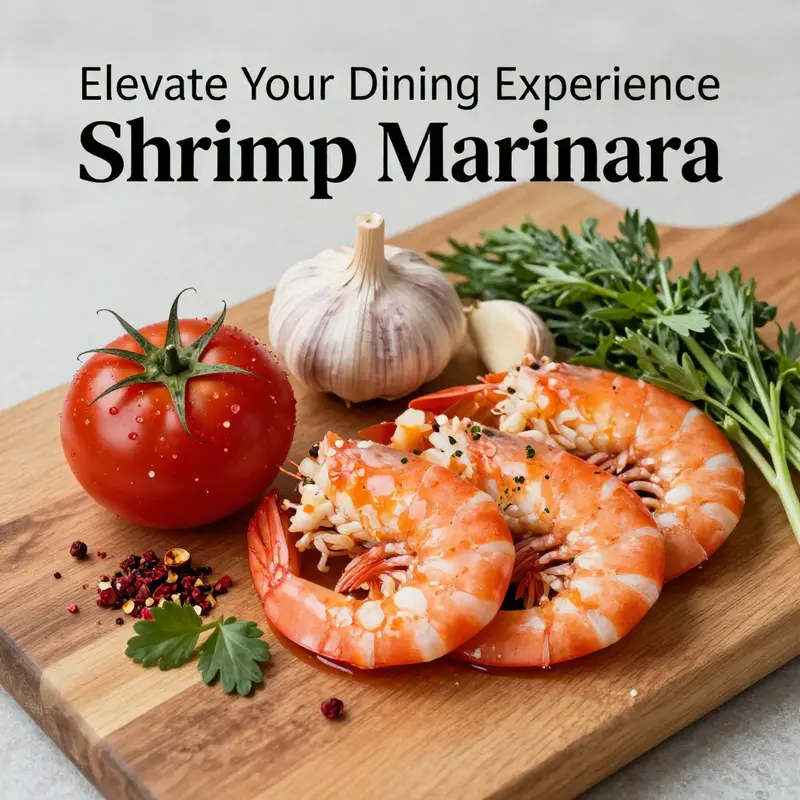
The flavor profile of a shrimp and marinara recipe unfolds like a coastal voyage, where ocean-fresh shrimp meet the bright, sunlit sweetness of a tomato-based marinara. It is a pairing that works best when each element is allowed to speak, then listen, so the final chorus remains harmonious rather than loud. At the heart of the dish, the shrimp offer a delicate savoriness and a tender-crisp texture that can carry their own faint mineral notes, while the marinara provides a canvas of acidity, fruitiness, and simmered depth. The sauce gathers natural sugars from the tomatoes, as well as citric and malic acids that lift the palate with a refreshing brightness. Aromatic compounds released from garlic, onions or shallots mingle with the tomato’s sweetness, creating a layered base that becomes more than the sum of its parts. This is the essence of a well-balanced seafood pasta: a dialogue between land and sea, sweet and tart, soft and sonorous in aroma and texture.
The tomatoes supply more than their body. They bring aromatic volatiles that awaken the senses and a natural sweetness that reads as both comforting and vibrant. When garlic and onions enter the pan, their sulfurous notes transform into a warm, savory backbone that anchors the dish. Basil or oregano, even a hint of parsley, add green brightness that ties seafood and sauce together without overshadowing either. The peppery bite of red pepper flakes introduces a controlled heat, essential for cutting through the sauce’s richness and keeping the dish from feeling indulgent without purpose. Olive oil plays a crucial supporting role, lending a fruity, unctuous mouthfeel that carries aromatics across the palate and helps the sauce cling to whatever pasta shape or bread you choose to serve beside it. A splash of lemon juice or a touch of wine acts as a small brightness burst, lifting the entire flavor field just enough to feel fresh rather than heavy.
Technique is the quiet conductor of this flavor symphony. Shrimp are best cooked quickly over high heat, just until they turn opaque and curl gently. This short, hot sear preserves their delicacy and minimizes chewiness, so their natural sweetness and briny undertones remain intact. The sauce, meanwhile, should simmer long enough to mingle the tomato’s acidity with the aromatics’ depth, but not so long that the shrimp lose their tenderness. The balance between simmer time and high-heat searing is where a chef’s intuition matters as much as a recipe’s steps. If the sauce begins to taste flat, a small amount of tomato paste can deepen sweetness and add body, while a whisper of butter at the end can round the edges of tang and heat into something silkier.
Beyond the basic elements, personal touches elevate the dish into something that feels both elegant and attainable. A knob of butter or a drizzle of high-quality olive oil stirred in at the finish enriches the sauce, smoothing acidity and giving the dish a glossy, restaurant-like finish. For those seeking a touch of luxury, saffron threads or a whisper of bottarga can transform the everyday plate into something approaching fine-dining complexity, without sacrificing the dish’s core simplicity. These tweaks are optional but rewarding, inviting cooks to make the recipe their own while maintaining the fundamental balance of flavors that makes shrimp and marinara so compelling.
The sensory journey continues as the sauce rests on the tongue. The tomatoes’ sweetness meets the shrimp’s sea-salt character, while the herbs deliver a fresh, almost herbaceous lift that keeps the finish from leaning too heavily on pepper or fat. The heat from red pepper flakes ensures that each bite remains lively; without it, the dish risks tasting flat, particularly when served with starchy pasta that can blanket flavors. The olive oil’s fruity note helps carry the aromatics, ensuring that garlic and shallot do not overwhelm the tomato’s brightness but instead become a cohesive chorus partner. A squeeze of lemon at the table can offer a final photo-finish of brightness, inviting the eater to reset the palate and return for more.
In practice, this flavor framework translates into a versatile, forgiving dish. Substitutions like using San Marzano tomatoes for their natural sweetness and lower acidity can yield a smoother sauce, while the optional tomato paste provides a deeper, more enveloping umami resonance. The dish readily adapts to different pasta shapes; long strands catch the sauce in a way that makes every bite feel cohesive, while shorter shapes or crusty bread deliver ample opportunities to savor the sauce’s texture and aroma. Garnishes of grated Parmesan and fresh lemon wedges not only adorn the plate but intensify aroma and zest with each bite, reminding us that finishing touches often deliver the most precise flavor cue.
For cooks who want a reference point that aligns with the flavor logic described above, a practical approach is to examine a well-tested shrimp-marinara method. This approach, echoed in the supporting guidance at shrimp-marinara-recipe, emphasizes balancing the seafood’s tenderness with a sauce that is bright yet deeply savory, allowing the shrimp to remain the dish’s star while the sauce gently amplifies every savory note. The interplay of heat, acidity, sweetness, and herbal lift should remain in a controlled dance rather than a shouting match; the best plates feel inevitable once tasted, as if all the components were always meant to be together.
As the plate nears completion, attention shifts to plating and perception. The final aroma—garlic, olive oil, and fresh herbs mingling with tomato and the faint brine of shellfish—should invite a moment of anticipation before the first bite. The dish’s versatility shines through again here: it can be plated with al dente pasta to ensure a little bite remains, or spooned over crusty bread to savor the sauce’s thick, silky texture. If you choose rice as a base, the sauce will cling beautifully, but the starch still lets the shrimp—delicate and briefly sweet—shine through. The overall effect is a bright, comforting, and satisfying experience that captures the essence of Mediterranean-inspired home cooking.
For those who crave a concise tasting guide, start with a clean, glossy sauce that carries a gentle snap of garlic and a whisper of onion. Stir in the crushed tomatoes with a measured hand, letting the acidity settle while aromas bloom. Introduce the shrimp last, giving them only a few minutes to cook—long enough to change color and texture, short enough to maintain tenderness. Taste, then tune with a kiss of lemon and a touch of butter or oil. Now, enjoy a dish that feels both familiar and inspired, a testament to how simple ingredients, treated with care, can yield a flavorsome, memorable meal. And as exploration continues, the shrimp-marinara combination remains a reliable canvas for personal expression, whether through herb selection, heat level, or finishing technique.
External reference: https://www.bbcgoodfood.com/recipes/shrimp-marinarasauce-pasta
Final thoughts
In conclusion, shrimp marinara is not just a meal; it’s an experience that marries flavor, simplicity, and elegance. By mastering the classic recipe, employing effective cooking techniques, and understanding the underlying flavors, business owners can serve this dish with confidence. Whether in a formal setting with clients or a casual gathering with friends, shrimp marinara adapts effortlessly to various occasions. Its quick preparation time combined with its impressive presentation makes it an ideal addition to any dining repertoire, allowing culinary excellence to shine without extensive work.