

Cooking turkey wings in a slow cooker not only produces tender, juicy meat, but also requires minimal effort, making it an ideal option for busy business owners looking to impress clients or staff alike. The low-and-slow cooking method ensures rich flavors and a fall-off-the-bone texture, enhancing both the meal experience and overall satisfaction. This article will explore three key aspects of preparing turkey wings in a slow cooker: effective flavoring techniques, optimal cooking times for perfect results, and how to complement turkey wings with complete meals that can diversify your menu offerings or cater to various events. By mastering these elements, you can elevate your culinary repertoire, optimize kitchen efficiency, and keep your guests coming back for more.
Layering Deep, Slow Flavors: Brines, Broths, and Finishes for Slow Cooker Turkey Wings
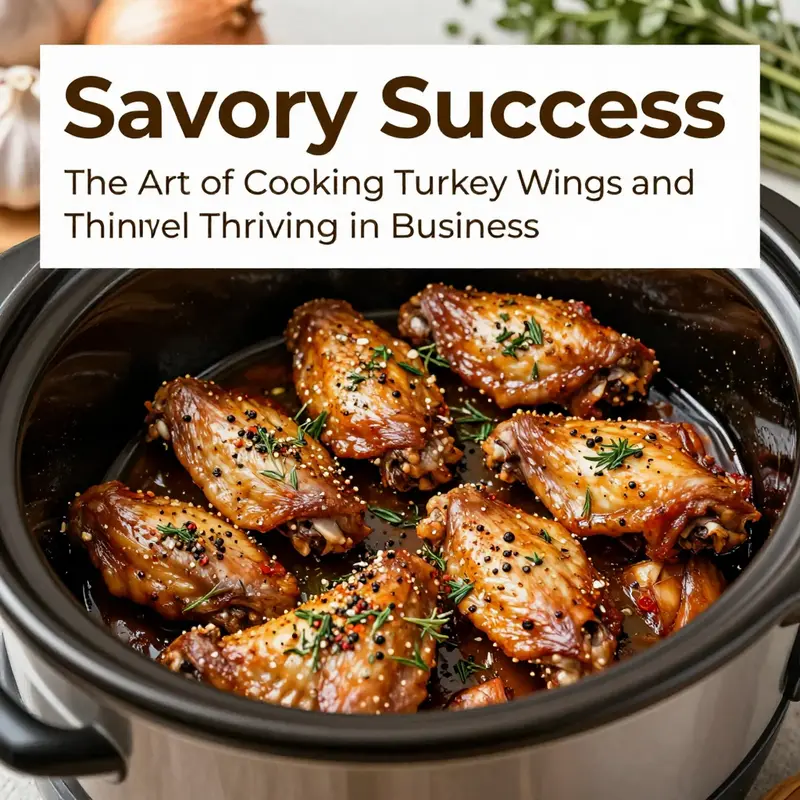
Flavor is the destination, patience is the vehicle. Slow cooker turkey wings reward time and intention with richly layered tastes that taste like they belonged in a restaurant. The wings themselves offer a unique canvas: little meat, lots of connective tissue, and abundant collagen. That collagen melts into gelatin under low heat. It turns humble wings into a silky mouthfeel. But to reach deeper complexity, you must plan flavor in stages—before, during, and after the slow-cook. Each stage adds a new dimension to the finished dish.
Begin with a thoughtful presoak. Brining is the most reliable way to season and moisten wings before the slow cooker. A wet brine built to five to seven percent salinity penetrates tissue and seasons evenly. Add a touch of sugar to balance the salt, and toss in aromatics like smashed garlic, bay leaves, split onions, and celery. Fresh thyme or rosemary give herbal lift. If you prefer less liquid, dry brining works equally well. Massage kosher salt and your chosen spices into the skin, then let the wings rest uncovered in the refrigerator for 12 to 72 hours. The initial salt draw concentrates juices, then reabsorption carries flavor inward. Both methods reduce the chance of dry, bland meat after hours in the crock pot.
Once brined, move to a broth base that does heavy lifting. Think of the slow cooker as an extraction vessel. Lay the wings atop a bed of aromatic vegetables—coarsely chopped carrots, onions, and celery. Tuck in whole garlic cloves and a few parsley stems. Add cracked black peppercorns and a couple of bay leaves. Liquids should cover the lower portion of the wings, not drown them. Use water or low-sodium stock as your foundation. A splash of apple cider vinegar, a quarter cup of white wine, or a shot of Worcestershire sauce helps coax collagen into the broth and deepens savory notes. These acidic components also brighten the final sauce, preventing a dull, one-note flavor.
Spices and smoked elements should be layered in, not dumped all at once. During the first hour of cooking, rely on whole aromatics to saturate the pot slowly. After the wings have started to give up juices, introduce dried seasonings with care. Smoked paprika or a pinch of chipotle can add warmth without overwhelming the poultry. Dried sage or oregano lends earthy balance. A bay leaf or two and a few sprigs of thyme provide quiet herbal backbone. If you like a pronounced crust or glaze later, save bold spices and sweeteners for the final phase.
Technique matters. If you want intense, concentrated flavor, sear wings briefly in a hot pan before adding them to the slow cooker. Browning creates Maillard notes that the crock pot alone won’t produce. Alternatively, wrap wings tightly in foil to trap steam and maintain moisture. But remember: sealing completely can soften any crisped skin, so use foil intentionally. For a hands-off option that still develops complexity, place wings on a rack inside the slow cooker, allowing liquids beneath to simmer and flavors to circulate.
Timing and temperature choices change final outcomes. Cook on low for six to eight hours for the gentlest breakdown of collagen and the most gelatinous broth. High for three to four hours works when time is short, but texture will be slightly firmer. Regardless of setting, ensure the internal temperature reaches at least 165°F (74°C) for safety. The meat should pull easily from bones when done. Reserve the cooking broth: it is a concentrated, savory elixir. Skim fat if desired, then reduce on the stove for a glossy sauce, or stir in a knob of butter or a splash of cream for silkiness.
Finishing touches transform slow-cooked wings from comforting to compelling. Brightness is essential; a squeeze of lemon or a few teaspoons of apple cider vinegar cut through richness. Fresh chopped herbs—parsley, chives, or tarragon—restore vibrancy and herbaceous aroma. If you want a sticky glaze, reduce some reserved broth with honey, Dijon, or brown sugar, then brush it over wings and broil briefly to set. For smoke and char, finish on a hot grill for a few minutes. If you prefer savory depth, stir in a little soy or Worcestershire at the end to boost umami.
Consider complementary condiments and serving ideas as part of flavoring. A herb-forward chimichurri or a mustard-based sauce pairs well. If you plan to shred meat, toss it with a light dressing to carry flavor into sandwiches, tacos, or grain bowls. The rich broth also becomes an ingredient: reserve it as stock for soups, risottos, or gravies, extending the wings’ flavor into other meals.
If you enjoy experimenting with seasoning blends, develop a personal signature by balancing salt, acid, fat, and aromatics. For purely aromatic wings, lean on garlic, thyme, and lemon. For bold Southern flavors, blend smoked paprika, brown sugar, cayenne, and garlic. If you want herbaceous Mediterranean notes, use oregano, rosemary, and lemon zest. For a ready-made starting point, try a classic turkey rub adapted to your taste—reduce salt if you brined, and elevate herbs when cooking low and slow.
Every stage—brine, broth, layering, finish—adds a deliberate element of flavor. When woven together, these steps create slow cooker turkey wings with depth, balance, and rich mouthfeel. The result is wings that taste like they were tended by time, not fuss, and that reward simple accompaniments with intense, satisfying flavor.
Tender by Design: Mastering Optimal Timings for Slow Cooker Turkey Wings

A slow cooker turns ordinary turkey wings into a meal that feels both effortless and deeply satisfying. The beauty of this method lies not just in the low heat, but in the way time transforms the meat’s texture and the sauce that braises with it. When you choose to cook wings in a crock pot, you’re inviting connective tissue to break down gently, which yields meat that clings to the bone and braises into richness without drying out. The clock becomes your ally, and the margins between underdone and fall-off-the-bone become deliberately narrow. The practical questions then are simple: how long should you cook, and at what temperature? The answer hinges on the setting you pick and the size of your wings, but the guidance is wonderfully straightforward and repeats across many kitchens: the high setting typically runs 3 to 4 hours, while the low setting stretches to 6 to 8 hours. In both cases, the goal is to reach a safe internal temperature while preserving juiciness, so a quick check with a meat thermometer is worthwhile. The USDA’s standard of 165°F (74°C) for poultry remains the north star, a reminder that slow cooking does not excuse neglect of safety, but it does offer a forgiving window for achieving tenderness within safe limits.
The physics behind those numbers is worth a moment’s reflection. Turkey wings contain more connective tissue than a boneless breast, and that tissue responds beautifully to slow, moist heat. As heat penetrates, collagen gradually converts to gelatin, and the meat softens from the inside out. That transformation is what makes a slow cooker an ideal tool for wings that can otherwise seem tricky—lean, quick-cooking cuts that risk drying out on the stove or in the oven. By letting the wings bathe in their braising liquid for several hours, you coax flavor deeper into the meat and push the texture toward tenderness without giving up the crisp edge you might crave. If you’re aiming for a glaze or a sauce finish, the long braise ends with a final few minutes under heat to set texture and kiss the surface with flavor. Yet even without a glaze, the aromatics you build into the cooking liquid will perfume the kitchen and the plate.
Seasoning plays a starring role in this approach. A generous rub on the surface, composed of garlic powder, onion powder, paprika, salt, and pepper, coats the skin and seeps into the meat as it braises. The rub’s salt draws out moisture at first, then the liquid returns to the meat, carrying the seasonings with it, so every bite tastes layered and cohesive. A quick reference often shared by home cooks is the turkey rub itself—the kind of foundational blend you can adapt to your pantry or mood. If you want to see a concise guide, you can explore a classic version here: turkey-rub. This internal link helps you tailor the flavor profile to your preferences, whether you lean toward smoky paprika, bright citrus notes, or herb-forward warmth.
Another practical consideration is moisture management. Some cooks wrap the wings in foil before nestling them into the slow cooker. The foil wrap acts as a moisture-lock, preventing surface evaporation that can otherwise leave the outer skin steadier but less richly glazed. It’s a helpful strategy when you’re cooking a larger batch or when you’re using a leaner wing with less intrinsic fat. If you’re cooking alongside carrots, potatoes, or onions, the foil takes on a secondary role, keeping those vegetables tender and allowing them to absorb any extra braising liquid. The result is a cohesive one-pot meal where the wing, vegetables, and sauce mingle in harmony rather than competing for space on the plate.
A single layer is ideal in a crowded slow cooker, but even if the wings crowd the pot, you’ll still see benefits from the low-and-slow method. The key is to avoid extreme overcrowding that would throttle heat and create uneven doneness. If you suspect your batch is on the larger side, you can split it into two batches or use a larger cooker to maintain consistent heat distribution. In practice, you’ll notice that the timer on its own does not guarantee tenderness; the internal temperature and the texture do. That is why the thermometer remains your most trusted ally. When the wings reach 165°F through to the bone and the meat is tender enough to yield to a gentle tug, you’re near the finish line. Resting the meat for a few minutes after cooking helps the juices resettle and makes the first bite more forgiving, especially if the sauce has begun to thicken and cling to the surface.
If you’re seeking a complete, hands-off approach for weeknights or holiday leftovers, the slow cooker delivers consistent results with very little attention. The flavor develops in quiet, patient layers—the kind of depth that makes a simple weeknight supper feel special. The choices you make—how you season, whether you wrap, and what you surround the wings with—shape your final dish as much as the cooking time itself. And while the times are a useful map, they are not a strict law; use them as a framework, then adapt based on the size of your wings and the exact performance of your cooker.
For readers who want to explore applied flavor in action, consider the role of a rub that teases out savory, smoky, and herbal notes, and think about how those notes carry into a braise that thickens into a glossy finish. The techniques here mesh with broader slow-cooker poultry practices and can be adapted to different wing sizes, variations in seasoning, and even additional aromatic vegetables that brighten the final dish. Whether you’re serving this as a weeknight centerpiece or as part of a larger holiday spread, the combination of timing, moisture management, and seasoning offers a reliable pathway to a comforting, restaurant-qual ity result right from your kitchen.
For a detailed, flavorful recipe that demonstrates these principles in action, you can consult a widely shared guide: Flavorful Slow Cooker Turkey Wings Recipe – TikTok.
One-Pot to Feast: Turning Slow Cooker Turkey Wings into Complete Meals
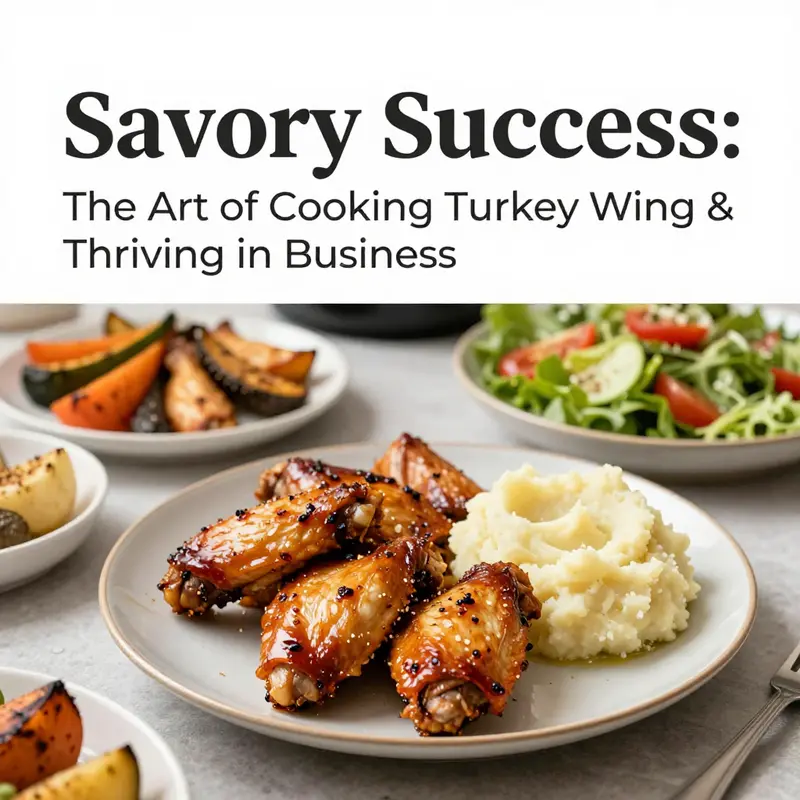
Slow-cooked turkey wings become more than a protein—they become the anchor of an effortless, complete meal. The slow cooker does the heavy lifting: low heat breaks down connective tissue, yielding meat that is tender and richly flavored with minimal attention. To build a full meal around those wings, think in layers. Start with seasoning and braising in the crock pot, move to a short finishing step to add contrast, then compose plates with complementary sides and a finishing sauce.
Season liberally before the wings ever see the slow cooker. A simple mix of garlic powder, onion powder, paprika, salt, and pepper sets a savory foundation. For a deeper profile, add soy sauce, tomato paste, or a touch of hot sauce to the braising liquid. Butter or a splash of oil helps carry flavor and promote browning later. If you enjoy a pronounced herb note, tie sprigs of thyme or rosemary together and nestle them among the wings. You can also use a dry rub; for a focused spice mix, see this easy turkey rub.
Place the seasoned wings into the slow cooker with a minimal amount of liquid. The goal is moist steam, not a soup. Cook on low for 6 to 8 hours, or on high for 3 to 4 hours. Those ranges reliably break down collagen and render connective tissue. Always confirm doneness with a thermometer: the internal temperature should reach at least 165°F (74°C) before serving. If you plan to finish the wings in the oven for texture, remove them a little earlier—aim for 160°F to 162°F—because residual heat will continue to carry them to safety during the rest step and oven time.
The finishing step transforms soft, stewed wings into a more exciting centerpiece. Carefully remove wings from the crock pot and transfer them to a rimmed baking sheet. Preheat the oven to 400°F (200°C). A 15 to 30-minute bake crisps skin and creates caramelized edges. Flip halfway to brown both sides evenly. This contrast—crispy exterior and tender interior—is what makes the dish feel deliberate and restaurant-worthy, while keeping the hands-off convenience of slow cooking.
While the wings roast, turn the remaining braising liquid into a sauce. Strain the juices into a saucepan and skim excess fat if desired. Bring to a simmer, add a touch of sugar or honey to balance acidity, and reduce until syrupy. For a buffalo-style finish, stir in more hot sauce and a knob of butter. For savory-glazed wings, whisk in tomato paste, soy sauce, and a splash of vinegar. The reduced braising liquid concentrates the flavors the wings soaked up in the crock pot. Brush this glaze onto the wings after roasting, then return them to the oven two to three minutes for a sticky, glossy finish.
Complementing sides complete the meal. Root vegetables can cook alongside the wings in the slow cooker for convenience. Carrots, baby potatoes, chunks of sweet potato, or halved onions absorb the braising flavors. If you prefer separate sides, baked potatoes or a simple, crisp coleslaw are classic pairings. Rice, mashed potatoes, or a grain pilaf make excellent vehicles for the wing sauce. For lighter meals, serve the wings with a bright salad, roasted Brussels sprouts, or steamed green beans. The key is contrast: pair tender, rich wings with something fresh or texturally crisp.
Portion and plating matter. One or two wings per person can be enough when you include two sides. For heartier appetites or fewer sides, allocate three to four wings per person. Serve family style for casual gatherings, with the sauce in a communal bowl for guests to spoon over their plates. Alternatively, deconstruct the meal: shred the wing meat and toss it with the sauce, then mound it over rice, baked potatoes, or a bowl of roasted vegetables for a composed plate.
Leftovers are an asset. Shredded turkey wing meat is ideal for tacos, sandwiches, or a quick stir-fry. Simmer leftover sauce with a splash of broth and toss with pasta for a rich, simple dinner. Bones from the wings make a flavorful stock after a long simmer, useful for soups and gravies.
Small techniques yield big results. Trim excess skin if it will prevent even caramelization. Pat wings dry before roasting to help them crisp. If you like a smoky edge, add a teaspoon of smoked paprika to the braise. If you want bold heat, fold in hot sauce or crushed red pepper. Wrap wings loosely in foil while slow cooking only if you aim to trap more steam; otherwise, braising in a shallow liquid preserves more concentrated flavor.
By combining the low-and-slow tenderness you get from the crock pot with a short, high-heat finish and thoughtful sides, slow cooker turkey wings become a complete meal. They offer versatility for weeknight dinners and enough presence for a holiday table. Use the glaze and side selections to define the meal’s character: barbecue, spicy Buffalo, or herb-and-butter comfort. With a few intentional steps, what starts as a hands-off braise ends as a memorable, full-flavored feast.
Source: Published slow-cooker hot wings recipe, August 28, 2014.
Final thoughts
Incorporating slow cooker turkey wings into your culinary offerings allows for both creativity and satisfying results with minimal effort required. Through effective flavoring techniques, precise cooking times, and thoughtful meal combinations, you can create an appealing dining experience for clients and guests alike. This hands-off approach not only enhances your menu options but also exemplifies an efficient operation, giving you more time to focus on business growth and client satisfaction. As you explore these techniques, remember that the key to success lies in your willingness to experiment and adapt, enriching the culinary journey you offer in your establishment.