
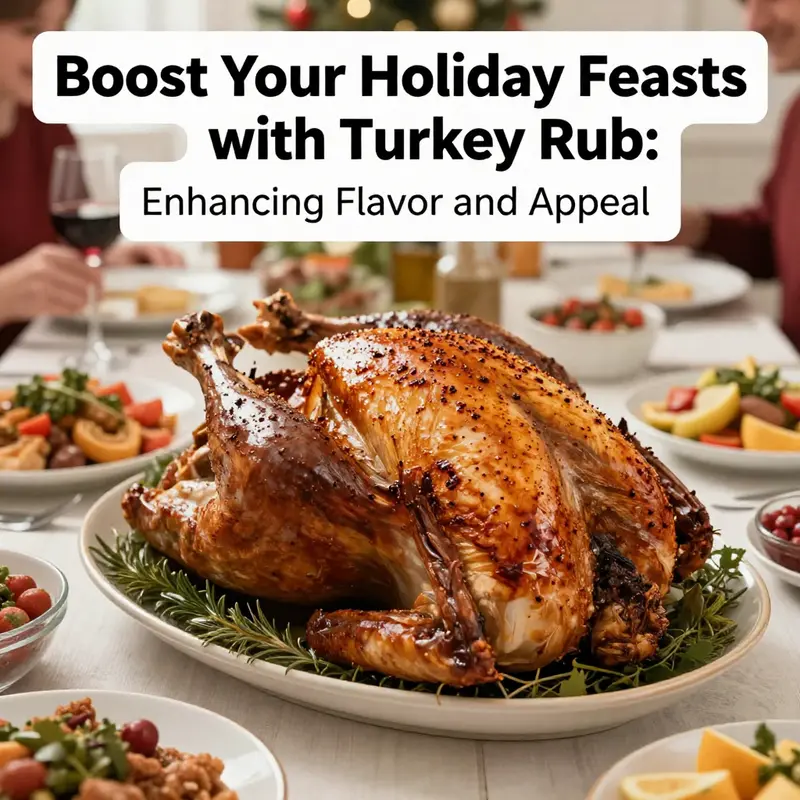
Turkey rub has become an essential seasoning blend among culinary professionals and home cooks alike, especially during holiday festivities. Designed to enhance the flavor of turkey, this blend often features herbs and spices like sage, garlic, rosemary, and thyme, which contribute distinct aromas and tastes. By understanding the effects of these ingredients, exploring various applications in culinary practices, and considering health factors, business owners can better appreciate the value of turkey rub and incorporate it into their offerings. Each chapter will provide insight into these facets, guiding you to use turkey rub effectively in your culinary ventures.
What’s Inside a Turkey Rub — Ingredients That Shape Flavor, Aroma, and Texture
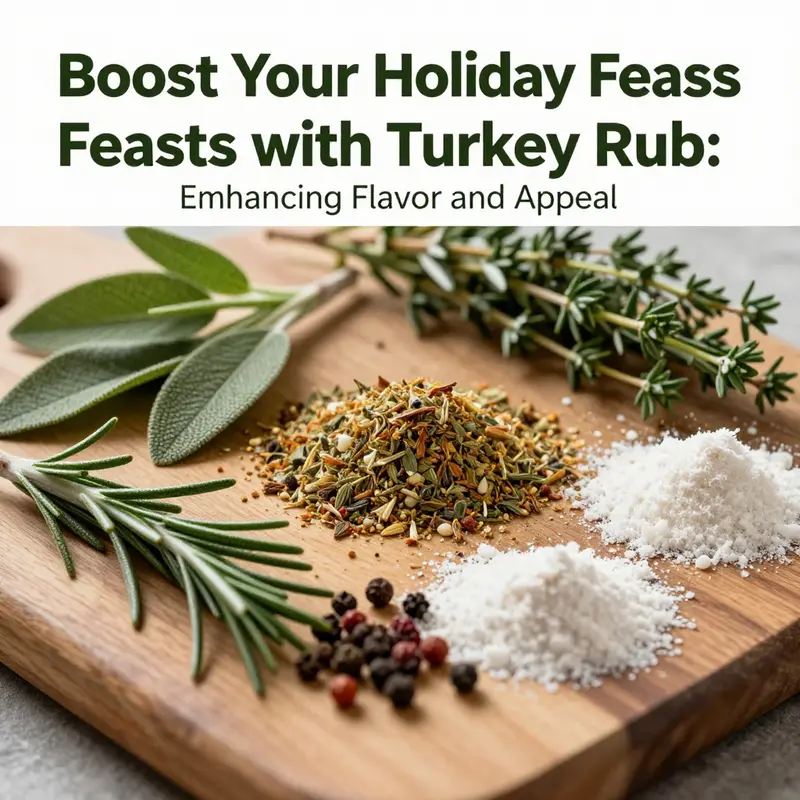
Understanding each ingredient in a turkey rub helps you control flavor, aroma, and texture. A good rub does more than add salt and heat. It creates a surface layer that browns, penetrates, and complements the bird’s natural taste. Think of a rub as a language. Each spice is a word, and the blend tells a story. When assembled with intention, that story becomes memorable at the table.
Salt is the foundation. It seasons and draws moisture to the skin, creating a brine-like effect when applied ahead of time. Salt also tightens the skin and proteins, helping the exterior crisp under heat. Use a balance of coarse and fine salt to get even coverage without over-salting. For large birds, consider applying salt hours before cooking to allow time for penetration and equalization.
Sugars play a dual role. Brown sugar, maple sugar, or granulated sugar caramelize on the skin and encourage deep browning. This creates a glossy, slightly sweet crust that contrasts well with savory notes. However, sugars burn at high temperatures. If you roast hot or over direct heat, add sugars later in the cook or mix them with fats to shield them.
Acidic components, like dried citrus zests, sumac, or a hint of vinegar powder, brighten the overall profile. They cut through richness and lift other flavors. When used sparingly, acids also help the rub adhere to skin and meat. They do not tenderize the bird deeply like marinades, but they make the taste feel fresher and more layered.
Herbs define the rub’s personality. Sage, thyme, and rosemary are classic choices. Sage gives a soft, savory warmth that echoes traditional holiday flavors. Thyme contributes subtle earthiness and pairs well with poultry fat. Rosemary offers pine-like fragrance and stands up to long roasting times. Use dried herbs for rubs that sit on the skin for hours. Fresh herbs fold better into compound butters or herb pastes placed under the skin.
Garlic and onion powders provide concentrated aromatic punch without the moisture of fresh aromatics. They deliver consistent flavor across the bird. Garlic gives umami, while onion adds sweetness and depth. Both promote that roasted-savoury backbone shoppers expect in poultry rubs.
Black pepper and other chilies add heat and complexity. Black pepper offers sharp, aromatic heat that pairs with fat. Smoked paprika or mild chili powders contribute color and smoky notes. More assertive chiles can dominate, so balance them with fats, sugars, or milder spices.
Umami enhancers amplify meaty flavors. Dried mushrooms, yeast extracts, or a small amount of monosodium glutamate deepen savory perception. These ingredients make the bird taste richer without additional salt. Use them carefully and sparingly, especially for guests with dietary sensitivities.
Fats act as carriers. Olive oil, butter, or rendered poultry fat help spices stick and promote even browning. Fats also protect delicate sugars from charring. When rubbed under the skin, a fat-based paste distributes flavor more directly to the meat.
Aromatic seeds add texture and a toasty character. Coriander seeds, fennel seeds, and mustard seeds pop when roasted. They release complex oils that lift the blend. Slightly crush seeds before mixing to unlock oils without making the rub powdery.
Tomato pastes or concentrated pepper pastes are less common in dry rubs but worth noting. Ingredients like thick tomato-pepper pastes bring savory depth and a mild tang. They are best used in mixed pastes or applied sparingly to the skin, where they can caramelize and complement herbs.
Beyond flavor, rub ingredients influence cooking behavior. Sugars and fats speed browning. Salt alters moisture and texture. Acids help adhesion and brightness. Spices with volatile oils can dull if pre-blended and stored too long; for best results, mix the dry base and add fragile elements, like citrus zest, near cook time.
If you prefer an injection for deeper flavor, you can pair a surface rub with a complementary liquid injected into the meat. That combined approach yields layered seasoning. For instructions on a compatible injection technique, see this turkey injection recipe.
Finally, build a rub around the bird and the mood. For classic roast turkey, emphasize sage, thyme, garlic, and a balanced salt-sugar ratio. For a bolder profile, include smoked paprika, pepper, and a touch of tomato or pepper paste. If you favor Mediterranean notes, olive oil, lemon zest, and rosemary work well.
Understanding each ingredient’s role lets you tweak blends with purpose. Salt for seasoning and texture. Sugars for color and contrast. Herbs for aroma. Fats to carry flavor. Umami for depth. Small adjustments change outcomes dramatically. Approach your turkey rub like a composer. Choose notes intentionally, taste often, and match the blend to your cooking method and guests’ preferences.
For more on using tomato and pepper pastes like salça as a flavor base in poultry and other dishes, see this resource: https://www.turkishfoodandculture.com/salca-turkish-tomato-pepper-paste/.
Layering Flavor and Texture: Practical Uses of Turkey Rubs for Crisp, Juicy Birds

Turkey rubs are a technique, not just a seasoning. When applied with intention they transform the bird’s skin, aroma, and depth of flavor. At their most basic, rubs sit on the turkey’s surface and season the exterior. But practiced properly, they become a tool for texture, moisture management, and complex flavor layering that carries through to gravy and leftovers.
The first, and most visible, application is surface seasoning. A balanced rub combines salt, herbs, spices, and sometimes sugar or umami-rich elements. Salt controls moisture and enhances taste. Herbs like sage, thyme, and rosemary add aromatic high notes. Ground pepper, garlic powder, and smoked paprika contribute warmth and savory depth. Apply the rub evenly to the skin, then gently work it under the breast and toward the thighs. Massaging the mix under the skin brings flavor directly to the meat without saturating the surface. This step is essential for large birds where seasoning can otherwise remain superficial.
Timing matters. For roasted birds, allow at least 4–6 hours for the rub to settle into the outer layers. Overnight is better. For deep-frying, give the rub 12–24 hours to draw out surface moisture and let salt penetrate. The drier the surface, the more crispness you’ll achieve when exposed to high heat. When frying, a dry, well-salted skin will blister and render fat quickly, producing a lacquered crust. For smoking or slow roasting, the rub forms a bark that protects the meat and concentrates flavors over long cooks.
Rubs excel when paired with other techniques. Dry-brining, where salt is applied alone and the bird rests uncovered, sets a foundation. After the dry-brine has worked, add a spice rub to build complexity. The two steps are complementary: brining manages moisture while the rub creates a flavorful skin. You can also combine rubs with compound butters or flavored oils. Smearing a butter-based paste under the skin helps distribute fat and soluble aromatics, promoting even browning and a glossy finish. A thin layer of oil on the skin before applying a dry rub improves adhesion and encourages Maillard reactions.
Rubs are versatile across cooking methods. For grilling, a rub with coarser salt and sugar creates a quick caramelized crust. Avoid too much sugar on open flames, as it can burn. For deep-frying and air frying, prioritize salt and aromatics that won’t char quickly. For smoking, include coarser black pepper and paprika, which stand up to long smoke exposure and add a desirable dark bark.
Beyond the bird whole, rubs adapt to parts. Thighs and drumsticks tolerate bolder flavors and longer rest times. Turkey breasts benefit from gentler profiles and careful massaging under the skin. Spatchcocked birds receive more even heat and allow the rub to crisp every surface. When breaking down a bird for grilling or pan-roasting, rub each piece before searing to lock in flavor and improve crust formation.
Modern cooks broaden the palette by using international blends. A pinch of garam masala lends warmth and floral notes. Adobo brings bright, smoky tang. Za’atar contributes lemony herbaceousness. These profiles open new directions for holiday menus and everyday meals. Keep base salt and fat in mind when using bold blends; adjust quantities so the rub enhances without overpowering the turkey’s natural character.
Applying a rub is also about layering through the cooking process. Reapply sparingly after an initial baste to refresh surface flavor. During resting, a final dusting of a mild herb mix can heighten aroma. For pan drippings, remember that the rub’s flavors will concentrate into the gravy. Skim and deglaze the roasting pan as you would normally. The seasoned crust imparts savory notes that lift sauces and stuffing.
If you use injections for internal seasoning, treat them as cooperative, not competing, techniques. Injected brines deliver internal moisture and flavor, while rubs provide exterior contrast and texture. For guidance on combining injection and rub work, see this practical turkey injection recipe. The two methods together give the most even, multi-dimensional result.
Finally, rubs have second lives. Leftover roast turkey carries rub-derived flavors into salads, hash, and sandwiches. When repurposing meat, consider adding a light dusting of the original rub to reintroduce those top notes and unify dishes.
Used thoughtfully, a turkey rub becomes a deliberate step in a cook’s workflow. It controls texture, intensifies aroma, and creates the visual appeal of a well-browned skin. Whether you roast, grill, fry, or smoke, the rub is the link between technique and taste, making each holiday bird more than the sum of its parts.
Reference: https://www.seriouseats.com/best-seasoning-blends-for-turkey-rubs
Salt, Smoke, and Sense: Weighing Flavor and Health in Turkey Rub Usage
Seasoning a turkey with a rub is about more than aroma and crust; it is a negotiation between flavor and health that unfolds in the oven. A well-balanced turkey rub can lift the meat with herbal notes of sage, garlic, rosemary, and thyme, turning a simple bird into a festive centerpiece. Yet the health implications of those blends matter just as much as their sensory appeal. The most immediate concern is salt. Many rubs rely on salt as their backbone, helping draw surface moisture so the skin can crisp. That crispness is desirable, but it also increases sodium exposure for the meat and anyone eating the dish. People managing hypertension or cardiovascular concerns may need to temper the amount of salt in a rub or choose blends that rely more on herbs and spices. This is not a call to starve flavor of its brightness, but a reminder that flavor and health can coexist when we tune seasoning to balance sodium with aroma and texture.
Guidance from the science of cooking is clear: a salt-based rub works best when applied at least an hour before roasting to allow some penetration and surface drying. That window, however, also gives salt more time to migrate into the flesh. Moderation becomes essential, especially for meals that include older relatives or diners with elevated blood pressure. A lighter touch can preserve the desired crisp skin while keeping total sodium within reasonable bounds. Choosing blends labeled low-sodium or no-sodium, and leaning more on herbs, spices, and aromatics, preserves aroma and color without delivering an overpowering salt punch. With reduced salt, the rub shifts from a preservative-crutch to a seasoning that respects health goals while delivering the festive scent and flavor diners expect. The result is a turkey that carries its own aroma and crunch without overselling sodium on the tongue.
Beyond salt, the other ingredients in a rub deserve careful attention. Many commercial blends contain fillers, anti-caking agents, or preservatives such as monosodium glutamate. While MSG sensitivity varies, some diners prefer to avoid it altogether. If clean labeling matters, seek out rubs built from fresh, whole spices rather than premixed blends that obscure the origin of their flavors. Quality here makes a real difference: aromatic dried herbs and spices sourced without irradiation or questionable additives deliver a deeper fragrance and natural antioxidant benefits without introducing uncertain residues. In moderation, natural sweeteners can play a role, but they should be kept in check. Maple sugar or brown sugar can heighten browning and flavor, yet when caramelized at high heat they may contribute to more complex compounds whose health implications are not fully defined in everyday cooking. Treat sweetness as a complement to the savory backbone, not the primary act, so the turkey’s natural character remains prominent while health considerations stay in view.
Another dimension of health relevance lies in the relationship between rubs and processed or cured turkey products. Rubs themselves rarely contain nitrates or nitrites; the concern often involves how a seasoned bird is processed or smoked before roasting. High-temperature cooking of sugar-rich or fatty rubs on processed meats can promote the formation of nitrosamines, compounds linked to cancer risk in some contexts. The best practice is to pair a rub with fresh, uncured turkey whenever possible and to avoid combining intense sweetness with heavily smoked or pre-cured forms. In practical terms, this means choosing a turkey that hasn’t been chemically cured, and using a rub that emphasizes herbs and bright spice notes rather than a heavy sugar load. Those choices help maintain a safer cooking profile while preserving the festive character of holiday meals. When in doubt, turn to trusted dietary guidelines from food safety authorities and heart-health organizations to align seasoning with health targets while keeping the meal enjoyable.
Putting these ideas into daily practice comes down to intention and restraint. Use a low-sodium or no-sodium rub, focusing on whole spices and bright herbs to carry flavor. Apply the rub just before roasting if you want a crisp surface, or slightly earlier to deepen aroma without overloading salt. Keep pre-cured meats out of the plan, and treat any sweet elements as accents rather than the main act. If you’re curious about how other proteins can carry similar seasoning without relying on salt, you can explore resources like Low-Sodium Chicken Recipes. This approach not only supports health goals but also encourages cooks to experiment with herb-driven profiles that stand up to high-heat cooking. For broader guidance on sodium, the American Heart Association provides evidence-based recommendations on reducing sodium intake, which can help shape how you balance holiday flavors with long-term health considerations: https://www.heart.org/en/healthy-living/healthy-eating/eat-smart/sodium
Final thoughts
In conclusion, turkey rub serves as a flavorful enhancer that can transform turkey dishes, particularly during festive occasions. By understanding the specific ingredients and their unique effects on flavor profiles, business owners can tailor their products to meet customer expectations. Furthermore, recognizing the various culinary applications and addressing health considerations ensures that your offerings remain appealing and accessible to a wide range of consumers. Embracing turkey rub can not only uplift your culinary creations but also solidify your brand’s commitment to quality and flavor.