
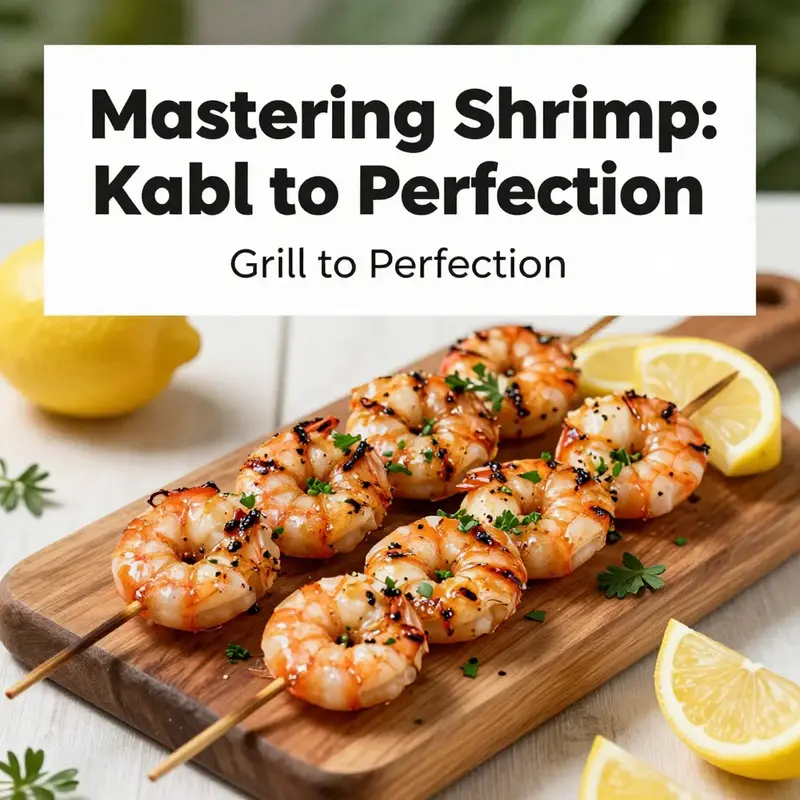
Grilling shrimp kabobs is not just a delightful culinary experience, but also an opportunity for business owners in the food industry to elevate their offerings. The seasonality and popularity of shrimp kabobs can draw in customers seeking fresh, grilled flavors. This guide delves into key preparation techniques and flavorful marinades essential for creating mouthwatering shrimp kabobs on the grill. By using high-quality ingredients and understanding proper cooking methods, you’ll be well-equipped to make an impression at your business, whether it’s a restaurant, catering service, or food truck. Each chapter will flesh out the essential steps needed to ensure your shrimp kabobs are not just good, but truly exceptional.
Prep, Skewer, Sizzle: The Art and Science of Preparing Juicy Shrimp Kabobs on the Grill
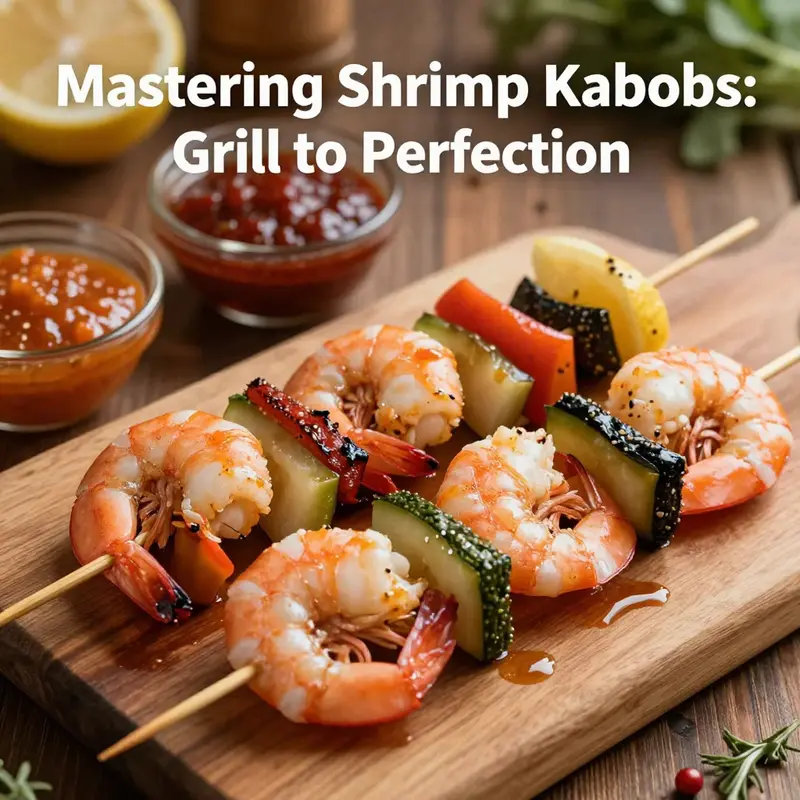
The thrill of shrimp kabobs on the grill starts long before the first flame catches. It begins with a deliberate, almost ceremonial approach to preparation, because shrimp cook fast and missteps show up immediately as dryness, toughness, or a bland, one-note bite. The goal is to respect the shrimp’s natural sweetness while layering in brightness, aroma, and a touch of warmth from smoke and char. When you start with the right shrimp—larger sizes labeled 16/20 or 21/25 count per pound—the handling on skewers becomes easier, the marinade penetrates more evenly, and the final bite remains juicy rather than drying out under a hot flame. The recommended choice of size is practical, but the real magic happens in how you treat them from thaw to plate. Thawing frozen shrimp in the refrigerator overnight is not merely a safety precaution; it preserves moisture and ensures even cooking. It’s a small, patient step that pays off in the end. Shrimp that thaw slowly in a controlled chill hold onto their moisture better and respond more predictably to heat than those that meet high heat abruptly after a quick thaw in a defrosted rush. The contrast is subtle, yet it matters when you aim to serve something that feels decidedly restaurant-worthy at home.
From the moment you begin, the choice of whether to peel or leave the shell on carries flavor implications that echo across cuisines. Peeling and deveining removes a perceived grit and bitterness and creates a smooth canvas for the marinade to cling to. But shells-on shrimp carry aroma into the cooking process, especially when you’re grilling with a bit of direct heat. The shells act like tiny flavor amplifiers, and when they loosen with the heat, a faint roasted-nut aroma can drift through the air, mingling with citrus and herbs. It’s a nod to the way Latin American and Mediterranean cooks sometimes work with shells to intensify the final impression rather than remove complexity altogether. If you’re chasing a deeper, more rustic flavor, shell-on shrimp on the skewer can be a deliberate choice rather than a default.
Brining is the step many cooks treat as optional, yet its effect on juiciness can feel transformative, particularly for lean or previously frozen shrimp. A quick 30-minute soak in a solution of 1 tablespoon kosher salt and 1 tablespoon sugar per cup of cold water helps the shrimp retain moisture during grilling. This is not about injecting flavor so much as preserving the flesh’s natural suppleness under heat. Salt and sugar work in concert to create a tiny osmotic balance, drawing minute amounts of moisture into the shrimp and then releasing them as heat loosens muscle fibers. The result is a plumper bite with a more forgiving texture when you bite through the pink, opaque flesh. If you’re short on time or prefer not to brine, you’ll still achieve excellent results with a careful brine-free approach, provided you monitor the grill closely and avoid overcooking.
A well-considered skewer is as crucial as the shrimp itself. Thread the shrimp onto skewers with vegetables, not just for aesthetics but for even cooking and moisture distribution. Uniformly cut bite-sized vegetables—bell peppers, red onions, zucchini, mushrooms, and cherry tomatoes—create a rhythm on the skewer that mirrors the shrimp’s own quick cook time. Dense vegetables like peppers and onions stand up well to the grill’s heat, while softer items such as eggplant or yellow squash benefit from being cut a bit larger to prevent them from turning to mush before the shrimp finish cooking. This is where patience pays off: spacing between pieces allows air to flow and heat to circulate, encouraging caramelization rather than steaming. It’s a small yet essential nuance that separates everyday skewers from something special.
Marinating is the next layer of transformation. A balanced marinade for shrimp includes an acid to brighten and loosen connective tissues just enough to enhance tenderness, a carrier oil to seal in moisture and prevent sticking, and a thoughtful blend of seasonings that complement rather than overpower the seafood. Lemon juice or a light vinegar adds brightness, olive oil carries flavor without making the surface greasy, and a chorus of garlic, cumin, coriander, and fresh herbs like mint or parsley can lift the aroma without smothering the shrimp’s natural sweetness. The marinating window is short—15 to 30 minutes is plenty for shrimp. Unlike proteins with tougher fibers, shrimp can begin to break down if left too long in strongly acidic marinades, which can yield a mushy texture. The idea is to let the flavors impart a gentle aroma while the heat from the grill finishes the cooking and seals in the moisture. This is not just about what you put in the marinade but how you use it: a light coat on the shrimp and vegetables helps the seasoning stick even after skewer rotation, and a restrained hand prevents a messy, clinging glaze that can burn on contact with high heat.
Soaking wooden skewers is a small ritual with outsized impact. Soak them in water for at least 30 minutes before grilling to prevent scorching or snapping. A dry skewer on a hot grill is as disappointing as an under-seasoned bite; soaking helps you maintain a steady tempo as you turn the kabobs and prevents the skewers from becoming a quick path to a charcoal-flavored disaster. The objective is balance—cohesion between shrimp and vegetables, and a skewer that holds together through movement without imparting unwanted woody flavors.
When the grill comes alive, the scene moves quickly. Preheat to medium-high heat, around 375–400°F (190–200°C). The goal is heat that sears the surface, creating a caramelized crust in a matter of minutes while keeping the interior moist. The shrimp typically cook in two to three minutes per side, depending on size, until they turn opaque and pink with a hint of char. The moment you see the first blush of pink turning into a pearl-lit whiteness, you know you’re close. Turn once; resist the temptation to flip repeatedly, which can rob you of surface browning and adequate caramelization. A well-timed turn distributes heat evenly and preserves the shrimp’s delicate texture. If a skewer begins to char excessively, you can move it to a cooler part of the grill briefly, a reminder that the balance between flame and time determines succulence.
Flavor ranges with the marinades and accompanying vegetables. A honey lemon marinade presents an accessible, bright option that resonates with the shrimp’s natural sweetness. The honey plays off the lemon’s acidity, while a dash of lemon pepper rub ties the citrus notes to a clean peppery bite. This approach is especially effective when you want a summer-ready profile that pairs with peppered vegetables and a light grain like rice pilaf or couscous. The marinade itself is a whisper, not a shout, and it’s perfectly acceptable to adjust the ratios to suit your pantry and palate. If you’d like to keep the flavors close to a classic seafood profile, a simple combination of olive oil, lemon juice, garlic, and fresh herbs gives you a clean canvas that the grill complements with its own smoky notes.
In practice, the choreography of prep, brining, threading, marinating, soaking, and grilling is a dance of timing and restraint. You’re aiming for a surface that has just enough browning to deliver a savory aroma but a center that remains juicy. That means you’ll want to avoid overcrowding the skewers, which can trap steam and dull the texture. Space between pieces allows air to flow and heat to circulate, fostering caramelization. The vegetables should be cut to hold their shape after exposure to flame, offering a crisp bite that contrasts with the shrimp’s tenderness. A careful eye is essential because shrimp reveals its readiness the moment it turns opaque and pink; it is not a long cook, and even a small overstep can leave you with a step away from perfect tenderness.
As the grill sizzles, consider how the finished dish sits with accoutrements and sides. A plate that includes grilled vegetables alongside the skewers, with a starch such as rice pilaf or couscous, creates a balanced meal where protein, vegetables, and grain harmonize. Sauces can lift the entire experience—tzatziki can bring a cooling minty dimension; chimichurri can introduce a vibrant herbal sparkle; tahini can lend a creamy, nutty backdrop. The choice of accompaniments depends on the mood and the menu you’re pairing with, but the underlying principle remains constant: the sauce should echo the bright, citrusy, and herbaceous profile of the shrimp and vegetables without overwhelming the delicate seafood.
For those seeking a practical touchstone beyond the kitchen, remember that preparation is a living skill. It’s about recognizing how the ingredients respond to heat and how the heat, in turn, reveals the ingredients’ best qualities. The shell-on method, the brine, the precise cut of vegetables, and the careful timing all become a single lesson: good results arise from a thoughtful sequence rather than a single trick. In this light, the preparation techniques outlined here are less about enforcing a rigid method and more about building a reliable framework you can adapt with confidence. When you take this approach to your grill, you’re not just making shrimp kabobs; you’re giving yourself a platform for flavor, texture, and aroma to resonate together in a simple, satisfying way. A final note on flavor exploration—if you’re curious about how to balance spices with seafood without overpowering it, you can explore a broader palette of sauces and herbs to complement shrimp, with a focus on keeping the shrimp’s natural sweetness as the anchor of the dish. For a quick, adaptable seasoning idea and sauce, see the shrimp sauce recipe.
As you plate your kabobs, there’s a natural expectation that the experience extends beyond the bite. The aroma should invite another piece, the first knife cut should reveal a glistening, succulent interior, and the plate should feel cohesive—colorful vegetables, the dusky pink of shrimp, and the gloss of olive oil catching the light. The goal is to achieve a small, memorable moment in which technique and flavor meet. You want guests to feel as though they’ve tasted a thoughtfully prepared meal rather than a hurried, throw-together skewers. That satisfaction comes from honoring the shrimp’s delicate texture and the vegetables’ crisp bite, from a grill that’s properly preheated, and from a marinade that enhances without masking. In the hands of a cook who respects those balances, the humble shrimp kabob becomes a celebration of summer, a quick weeknight triumph, and a reliable crowd-pleaser that pairs beautifully with a simple green salad or a fresh loaf of warm bread.
For readers seeking a concise reference that captures the practicalities of grilling shrimp perfectly, the techniques described here align with core guidance found in expert grilling resources. In the broader landscape of seafood grilling, the essential lessons remain constant: select good shrimp, prepare them thoughtfully, manage heat with a careful eye, and present the finished skewers with bright accompaniments that echo the dish’s light, coastal character. The combination of brine, proper threading, measured marination, and mindful grilling creates a foundation that can be adapted across many flavor profiles, from citrusy to herb-forward, from tangy to slightly spicy. The result is always the same: shrimp that are juicy, skewers that hold together, and a grill-side experience that feels both accessible and satisfying. To deepen your technique beyond these fundamentals, a careful study of reputable grill guides can offer nuanced tips on flame management, pan-searing versus direct grilling, and the interplay of different marinades with various seafood cuts. For a deeper dive into grill technique, see an external guide focused on grilling shrimp to perfection: https://www.seriouseats.com/how-to-grill-shrimp-perfectly-4687595.
Internal link: for a practical example of a complementary sauce that pairs well with shrimp and enhances the overall profile of your kabobs, see the shrimp sauce recipe.
Bright, Sweet, and Savory: Marinades and Seasonings for Shrimp Kabobs on the Grill
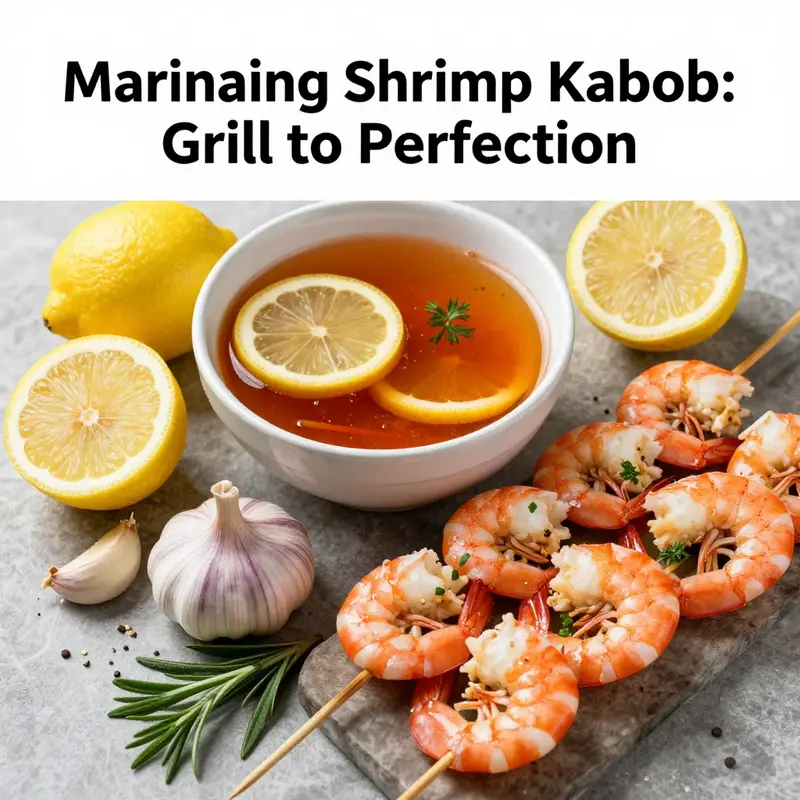
Grilling shrimp kabobs rewards you with quick-cooking seafood that crisps at the edges and stays tender inside. The difference between bland, rubbery shrimp and a kabob that sings is almost always the marinade and the seasoning. Think of a successful marinade as a short, focused conversation with the shrimp. It should communicate brightness, a touch of sweetness, and aromatic depth, while also respecting the shrimp’s delicate texture. Start the process by choosing the right shrimp. Larger sizes, labeled 16/20 or 21/25 per pound, stand up better on skewers. They hold marinade, resist overcooking, and give you a pleasing bite. If working from frozen, thaw shrimp overnight in the refrigerator only. This prevents moisture loss and ensures the marinade can penetrate evenly.
A classic and reliable choice is a lemon-honey marinade. Its balance of citrus and sweetness complements the shrimp’s natural flavor. Use fresh lemon zest and juice for brightness. Zest carries essential oils that smell vivid on the grill. Combine the zest and juice with honey, minced garlic, and a good olive oil. The oil helps carry aromatics and keeps the shrimp from sticking to the grates. Add a lemon-pepper rub for a peppery lift and finish with finely chopped parsley for a fresh, herbaceous note. For proportions, try three tablespoons olive oil to every tablespoon of lemon juice, one tablespoon honey, two cloves minced garlic, and one teaspoon lemon pepper per pound of shrimp. Adjust salt to taste. Marinate no less than 15 minutes and no more than two hours. Short marination allows flavor absorption without breaking down flesh.
If you want deeper flavor or a slightly plush mouthfeel, brining before marinating is a useful step. Dissolve one tablespoon kosher salt and one tablespoon sugar per cup of cold water. Submerge the peeled shrimp for 20 to 30 minutes, then pat dry before adding marinade. Brining helps shrimp retain moisture during intense heat and is especially helpful for previously frozen or very lean shrimp.
Beyond lemon-honey, global kitchens offer inspiration that translates beautifully to the grill. A yogurt-based marinade borrows from Middle Eastern and South Asian techniques and adds both flavor and gentle tenderizing power. Combine plain yogurt with a teaspoon each of ground cumin and coriander, a quarter teaspoon turmeric for color, and a handful of chopped fresh herbs. The yogurt’s lactic acidity softens the shrimp surface without turning it mushy. Marinate 30 minutes to one hour. Yogurt also pairs well with charred scallions or grilled flatbread when serving.
For a tangy, bright alternative, build a citrus-herb marinade. Use lime or calamansi juice as your acid if you want a sharper profile. Add olive oil, minced garlic, chopped cilantro or parsley, and a sprinkle of red pepper flakes for heat. Optional annatto or achiote gives color and a subtle earthiness. This style works especially well with sweet onion and bell pepper threaded between shrimp, creating a balance of textures and tastes on the skewer.
Salt and heat management are essential in any marinade strategy. Always marinate in a non-reactive container—glass or food-grade plastic—to avoid metallic flavors from leaching into the food. Never marinate at room temperature. Keep the shrimp refrigerated while marinating. If you plan to use the leftover marinade as a finishing sauce, reserve a portion before adding raw shrimp. Any marinade that touched raw shrimp should be discarded or boiled for safety before serving.
Seasoning beyond the marinade matters at the final stages. Right before the shrimp go on the grill, give them a light brush of oil to promote even searing and to reduce flare-ups. Sprinkle a final pinch of coarse salt as needed. A finishing squeeze of lemon or a scatter of fresh herbs immediately after you remove the kabobs from the grill brightens the entire dish.
When pairing seasonings with sides and sauces, think in layers. Grilled vegetables—bell peppers, onions, zucchini—take the same marinades as the shrimp. A lemon-honey marinated kabob matched with grilled zucchini and sweet peppers feels cohesive. For a Mediterranean leaning, serve with pita and tzatziki. For a chimichurri-forward finish, choose a citrus-herb marinade that can echo the chimichurri’s acidity. A tahini-based sauce adds creaminess and is excellent with yogurt-marinated shrimp. If you like classic garlic-and-butter flavors, an herb-forward butter sauce brushed at the end lifts the shrimp without overpowering them. For inspiration on garlic-forward shrimp preparations, see the Olive Garden shrimp scampi recipe for ideas you can adapt to kabobs: https://meatrecipesblog.com/olive-garden-shrimp-scampi-recipe/.
Texture control is a recurring theme. Leave a finger-width gap between shrimp on each skewer. Overcrowding prevents hot air from circulating, which encourages steaming rather than charring. Alternate shrimp with vegetables for visual appeal and for a built-in buffer that slows direct heat on the shrimp. If using wooden skewers, soak them at least 30 minutes so they won’t burn on the grill. Metal skewers conduct heat and help cook the shrimp from the inside out, but they can also speed cooking, so watch times closely.
Grill technique ties everything together. Preheat to medium-high, roughly 375–400°F, and oil the grates lightly. Place the kabobs over direct heat and grill for about 2–3 minutes per side. Shrimp are done when they turn opaque, curl just slightly, and show a touch of char at the edges. Avoid the temptation to leave them longer. Overcooked shrimp become firm and dry. Use a timer if needed; the entire cook for each side is often shorter than amateur cooks expect.
Finishing touches elevate the everyday to memorable. A finishing brush of melted butter blended with minced garlic and lemon adds sheen and richness. Sprinkle chopped parsley or cilantro for a fresh note. For a sweet-savory finish, drizzle a reduced lemon-honey glaze in the last 30 seconds of grilling. Whisk a tablespoon of lemon juice with a tablespoon of honey and simmer briefly until syrupy. Baste sparingly so the honey does not cause excessive flare-ups.
Sauces and condiments complete the meal by giving your guests choices. Tzatziki offers cool creaminess. Chimichurri brings herbal zip. Tahini adds savory weight. A light citrus vinaigrette or a quick yogurt-dill sauce balances char and sweetness. If you reserved a portion of the marinade, heat it to a rolling boil for a minute and use as a finishing sauce. That preserves the flavors you developed while keeping food safety intact.
If you want to broaden your skills, experiment with heat and smoke. A pinch of smoked paprika or a splash of liquid smoke anchors the shrimp with a smokier profile. Add fresh chiles or a dusting of cayenne for a noticeable kick. If you use a charcoal grill, introduce wood chips like apple or hickory for a subtle fruit or nut smoke that complements the shrimp’s sweetness.
Presentation matters. Serve kabobs on a warm platter with lemon wedges and a small bowl of sauce. Offer sides that echo the marinade notes so each bite feels coordinated. A rice pilaf or couscous tossed with parsley and lemon complements citrus marinades. For yogurt-marinated kabobs, warm flatbreads and grilled tomatoes make a satisfying plate.
Finally, treat marinades as a toolkit. Build around acid, oil, sweetness, and aromatics. Respect time limits to preserve texture. Use brining for juiciness, and choose accompaniments that reinforce the flavors on the skewer. The grill will do the rest, turning your careful seasoning into caramelized, slightly charred perfection. For a detailed, technical look at kabob grilling standards and best practices, consult A Technical Guide to Grilled Kabobs: Standards, Properties, and Applications in Practice: https://www.seriouseats.com/a-technical-guide-to-grilled-kabobs.
Final thoughts
Creating shrimp kabobs on the grill can significantly enhance your culinary reputation and attract customers eager for fresh seafood. By mastering proper preparation techniques and experimenting with flavorful marinades, your business can offer standout dishes that leave patrons coming back for more. Quality ingredients and swift grilling techniques ensure that your kabobs are tender, juicy, and bursting with flavor. As the grilling season approaches, utilizing these insights can elevate your offerings and drive sales. Take the leap to innovate and excite your menu with delicious shrimp kabobs that are sure to impress.