
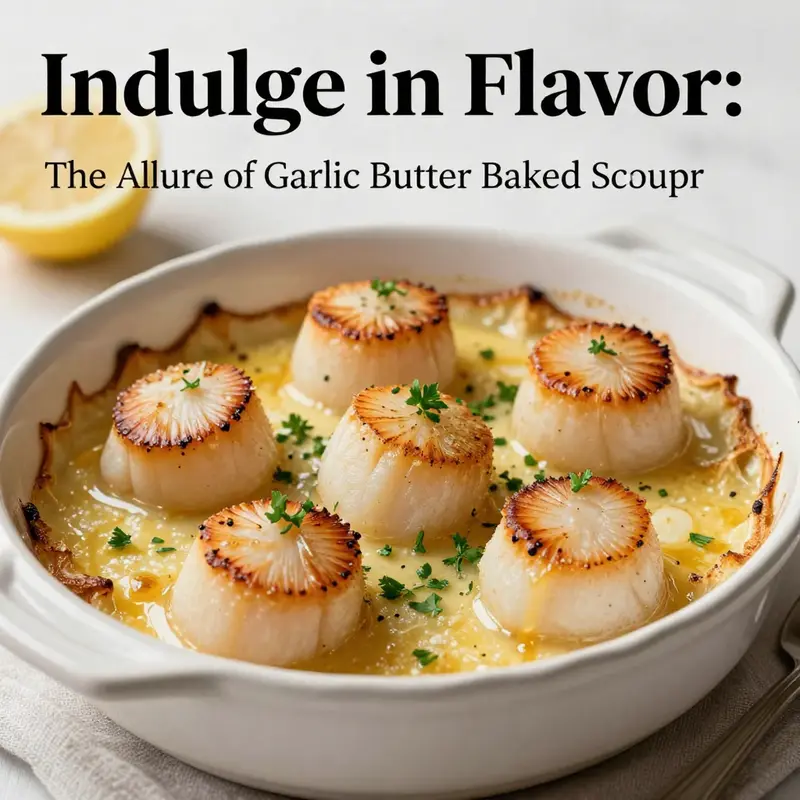
Garlic Butter Baked Scallops are more than just a dish; they represent the elegant intersection of flavor, texture, and ease of preparation. Business owners and restaurateurs should recognize that this luxurious seafood option not only delights the palate but can also elevate a menu and entice diners seeking a memorable dining experience. In the following chapters, we will delve into the intricate cooking technique that makes this dish a favorite, explore its numerous health benefits, and suggest creative serving accompaniments that will enhance its appeal on your menu.
Mastering Heat and Flavor: The Technique That Makes Garlic Butter Baked Scallops Sing
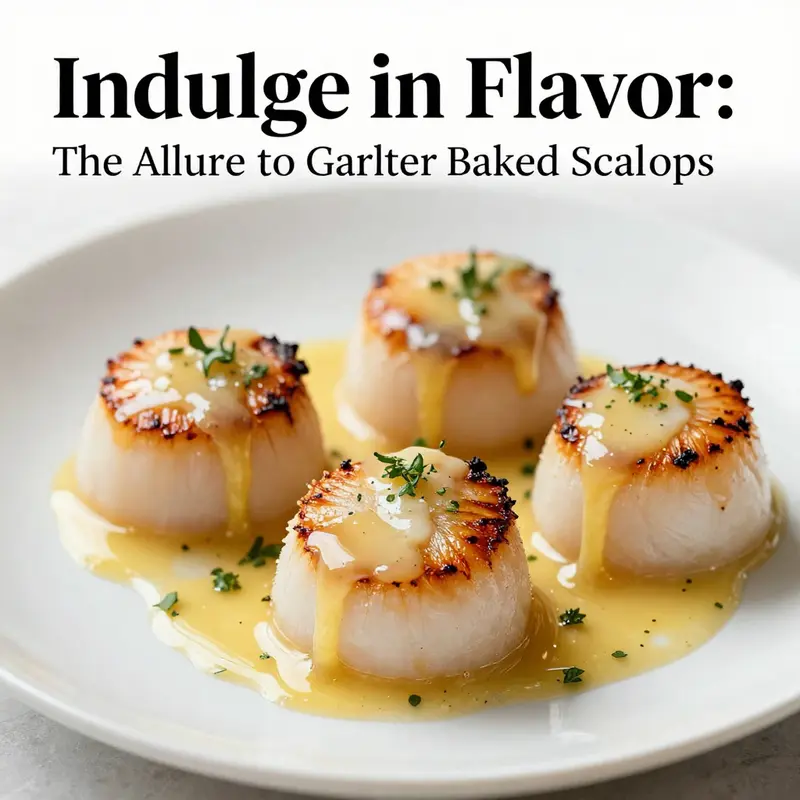
Mastering Heat and Flavor: The Technique That Makes Garlic Butter Baked Scallops Sing
Garlic butter baked scallops succeed when heat, timing, and seasoning work in harmony. The method plays to the strengths of the oven while borrowing a bit of the sear’s intensity. The goal is simple: a tender, opaque interior and a lightly caramelized surface that holds a glossy, garlicky sauce. Achieving that balance requires attention to three linked steps: scallop preparation, handling the butter-and-garlic emulsion, and the oven stage that finishes the dish.
Start with the scallops. Dry-packed scallops should be your first choice. They contain minimal added water, which helps them brown rather than steam. Whether you buy sea scallops or bay scallops, remove the side muscle that can be tough when cooked. Pat each scallop very dry with paper towels. Moisture is the enemy of a good crust. Season lightly with salt just before cooking; salt applied too early draws out moisture and prevents browning.
Next, consider whether to sear first. Searing is optional but highly effective. A quick, high-heat sear for one to two minutes per side develops a flavorful crust and caramelized notes that baking alone can’t fully replicate. Use a hot skillet and a splash of neutral oil. Transfer seared scallops to an ovenproof dish for the sauce and bake stage. If you prefer to skip searing, preheating the oven hotter—around 400°F (200°C)—helps mimic that crust by promoting Maillard reaction during the short bake.
The garlic butter sauce is the heart of the dish. Melt unsalted butter gently and sweat finely minced garlic until fragrant, taking care not to brown it. Browning will bitter the garlic and mask its sweetness. Stir in chopped fresh herbs such as parsley or thyme for brightness. A splash of lemon juice cuts through butter’s richness and lifts the whole plate. A pinch of red pepper flakes adds warmth and depth when used sparingly. If you want a silkier, more stable sauce, whisk in a touch of cream or a small spoonful of Dijon mustard; either binds the fat and liquid for a velvety mouthfeel.
Assemble the scallops in a single layer in the baking dish and spoon the garlic butter evenly over them. The sauce should coat without drowning; scallops will release little juices as they cook, and those will emulsify with the butter to form a glossy finish. Some cooks cover the dish loosely with foil for the first half of baking to trap steam and then remove the foil to allow browning. This is useful for thicker scallops or when cooking from chilled rather than room temperature.
Baking time is brief and exact. Plan on 5–7 minutes depending on scallop size. They are done when they turn opaque and firm to the touch, yielding slightly under gentle pressure. Overcooking is the fastest route to a rubbery result, so watch closely. If you seared first, err on the shorter end of the range. If you skipped searing and the scallops are large, test at five minutes and continue in one-minute increments.
For the finishing touch, a hot oil or clarified butter drizzle just before serving adds an instant flavor burst. Heat a tablespoon of olive oil or clarified butter until shimmering and pour it over the scallops. The sudden heat releases volatile aromatics in the garlic and herbs and gives the sauce a glossy lift. Finish with a scatter of chopped parsley and a few lemon wedges for guests to add fresh acidity.
Serving is flexible. Garlic butter baked scallops sit beautifully atop creamy risotto, beside lemony pasta, or alongside steamed vegetables. Their rich sauce also pairs well with crusty bread for sopping. If you enjoy garlic-butter seafood classics, you might like this take on another favorite, Olive Garden-style shrimp scampi for a related but distinct preparation: https://meatrecipesblog.com/olive-garden-shrimp-scampi-recipe/.
Small technique adjustments make a big difference. Use room-temperature scallops for more even cooking. Keep butter unsalted so you can control seasoning. Use fresh garlic rather than pre-minced for cleaner flavor. If you want a bolder top, sprinkle a light dusting of panko mixed with grated hard cheese and broil for 30–60 seconds at the end, watching closely to avoid burning.
This approach—combining a rapid surface browning with a short, high-heat bake—delivers scallops that are tender and richly flavored. The garlic butter transforms under heat, emulsifying with the scallop juices to create a sauce that clings and enhances rather than overwhelms. When you manage moisture, heat, and finishing touches, garlic butter baked scallops become a reliably elegant dish that’s easy enough for a weeknight and impressive enough for guests.
https://www.seriouseats.com/garlic-butter-baked-scallops-recipe
The Nutritional Case for Garlic Butter Baked Scallops: Rich Flavor, Real Benefits
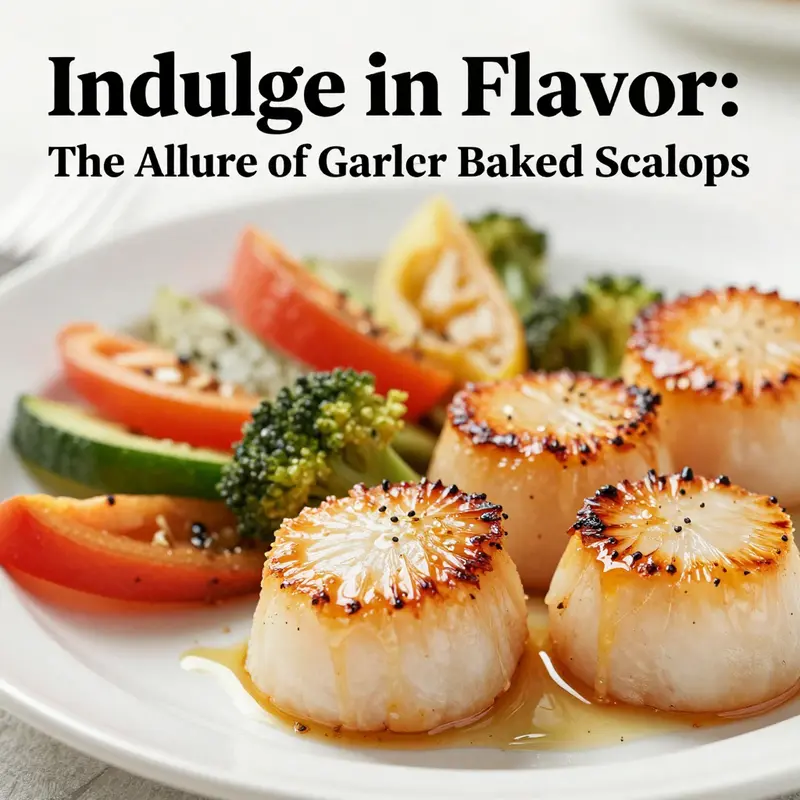
Garlic butter baked scallops deliver a rare combination: restaurant-worthy indulgence that also offers genuine nutritional value. At the center are sea scallops, lean seafood packed with high-quality protein and key micronutrients. Baking them in a garlic-infused butter sauce turns delicate meat into a silky dish that satisfies appetite and palate, while adding nutrients that support energy, immune function, and recovery.
A standard serving of scallops gives you a significant protein boost without a lot of carbohydrates. Protein in scallops contains all essential amino acids, which makes it a complete source for muscle repair. That protein also helps with satiety. A meal of garlic butter scallops will keep you feeling full longer than many carbohydrate-heavy options. For people controlling blood sugar or following a low-carb plan, the dish fits naturally. Most traditional preparations keep carbohydrates very low, often below five percent of total calories.
Fat becomes the dominant macronutrient in a garlic butter recipe. Butter and any added cream contribute the richness and carry fat-soluble flavors and nutrients. Not all fats are equal, and choices matter. Using higher-quality butter—such as from grass-fed sources—can increase levels of certain heart-healthy fatty acids. Monounsaturated fats are present alongside saturated fats, and both play roles in cooking, taste, and nutrient absorption. The fats in the sauce also help your body absorb fat-soluble vitamins that might be paired with the meal.
Scallops bring more than protein. They are a notable source of Vitamin B12, essential for nerve function and red blood cell formation. Vitamin B12 supports energy metabolism and neurological health. Scallops also contain magnesium, a mineral involved in over 300 enzymatic reactions. Magnesium helps with muscle relaxation, energy production, and maintaining healthy nerve function. Selenium is another standout: an antioxidant mineral that protects cells from oxidative damage and supports thyroid function. These nutrients work together to support general wellbeing, particularly when scallops are part of a balanced meal.
Garlic adds more than flavor. It offers allicin, a sulfur-containing compound produced when garlic is crushed or chopped. Allicin has been associated with immune support and mild anti-inflammatory effects. In a warm butter sauce, garlic mellows but retains healthful compounds. Herbs like parsley or thyme increase antioxidant content while brightening the plate. Small, strategic additions can lift the nutritional profile without washing away the dish’s indulgent character.
Portion control and pairing make a big difference. A plate of scallops drizzled in garlic butter can be calorically dense when served with heavy sides. Balance the richness by pairing scallops with steamed vegetables, a light salad, or a small portion of whole grains. For those seeking lower saturated fat, reduce the butter quantity, substitute part of it with olive oil, or finish with a squeeze of lemon to create perceived brightness. For a low-carb or ketogenic approach, keep the butter generous and pair with non-starchy vegetables.
Sourcing affects nutrition and sustainability. Wild-caught scallops and responsibly farmed alternatives vary in mineral content and environmental impact. Look for suppliers who follow sustainable practices. Freshness matters for flavor and texture; fresher scallops require less butter to achieve a pleasing mouthfeel, which subtly reduces overall fat intake.
Cooking method matters for nutrient retention. Baking offers a forgiving, even-heat environment that reduces direct high-heat exposure. This helps preserve delicate proteins and keeps the sauce emulsified. Overcooking scallops makes them tough and chewy, while gentle baking yields tender meat and keeps nutrients intact. The butter-garlic emulsion creates a glossy coating that helps retain moisture and soluble nutrients.
Consider small swaps to tailor the dish to dietary needs. Use a mixture of butter and olive oil to increase monounsaturated fats. Add a splash of low-sodium broth or a touch of cream for body while reducing overall butter. Bulk up the plate with roasted cauliflower or a lemon-herbed quinoa pilaf to add fiber and micronutrients. These adjustments maintain the essence of garlic butter baked scallops while aligning the meal with specific goals.
For inspiration and sauces that complement baked scallops, explore recipes that focus on seafood-friendly sauces. One useful reference is a seafood boil sauce recipe that demonstrates how aromatic compounds and acidity can transform shellfish, and it pairs well with the buttery base of baked scallops: https://meatrecipesblog.com/seafood-boil-sauce-recipe/.
Nutritional breakdowns from established food databases show that garlic butter scallops strike a balance between indulgence and nourishment. For a detailed nutrition snapshot of similar prepared scallop dishes, see this reference for typical nutrient values and serving facts: https://www.eatthismuch.com/foods/seapak-garlic-butter-scallops-nutrition-facts
When planned thoughtfully, garlic butter baked scallops offer more than flavor. They supply high-quality protein, important vitamins and minerals, and the comforting fats that make seafood a memorable centerpiece. Adjust portions, pairings, and ingredient choices to fit your goals, and you have a dish that can be both a culinary treat and a sound nutritional choice.
Elevating Each Bite: Smart Serving and Pairing Ideas for Garlic Butter Baked Scallops
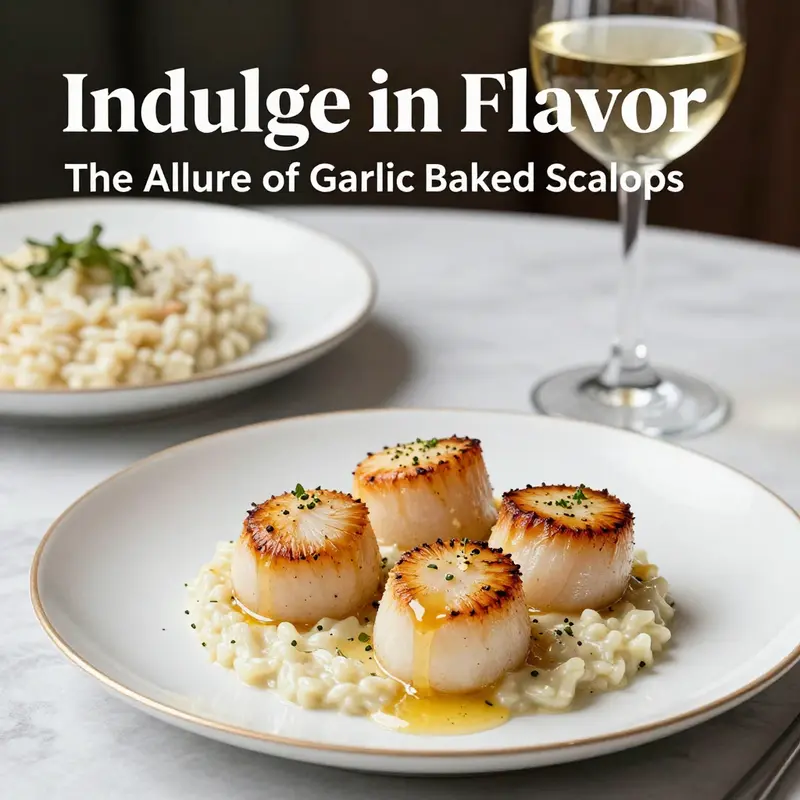
Garlic butter baked scallops arrive at the table glossy and fragrant. Their sweet, delicate flesh needs partners that respect that texture. Choose sides that add contrast in temperature, texture, or acidity. Aim for balance so the buttery sauce enhances rather than overwhelms. This chapter maps practical, elegant serving ideas so the dish shines as an appetizer or a centerpiece.
Start by thinking about contrast. Scallops are tender and rich. A crisp vegetable or a peppery salad cuts through the butter and refreshes the palate. Roasted asparagus makes a classic partner. Ashy tips and a slight bite stand up to garlic butter without stealing the show. Toss asparagus with a little olive oil, salt, and lemon zest, then roast until tender and browned. The lemon echoes the citrus notes often used to finish scallops.
A simple arugula salad provides instant brightness. Its peppery leaves, shaved Parmesan, and a light lemon vinaigrette create a counterpoint to richness. Serve the salad slightly chilled next to warm scallops. The temperature difference adds interest and prevents the meal from feeling heavy.
For a creamy base, match scallops with a well-made risotto. Parmesan risotto delivers richness, yet it differs from the scallops’ butter by offering a smooth, starchy body. Spoon a shallow bed of risotto on each plate and nestle the scallops on top. The risotto soaks up the garlic butter, yielding a luxurious bite without masking the scallops’ flavor. If you prefer compact pasta, spinach Parmesan orzo offers that same marriage of creaminess and savory green notes. Stir wilted spinach and grated cheese into cooked orzo and finish with black pepper.
Pasta is another forgiving choice. Linguine or fettuccine tossed very lightly with olive oil and lemon makes a neutral stage for the scallops and the sauce. If you want a richer pasta pairing, a light garlic cream sauce or a simple white wine pan sauce complements the scallops without creating heaviness.
Vegetables roasted or steamed provide color and nutrition. Think salsa verde–like herbed breadcrumbs for texture, or charred broccolini for snap. Seasonal vegetables work best. Their natural flavors harmonize with the scallops and help create a composed plate that feels thoughtful rather than indulgent.
When serving scallops as an appetizer, keep portions small and presentation bold. Use shallow spoons, small ramekins, or a long, narrow platter. Place two to three scallops per person with a drizzle of the garlic butter. Add a tiny salad or herb garnish. This approach fits cocktail parties and multi-course dinners without overwhelming guests.
For a main course, plan the sides to carry the meal. A creamy starch, a roasted vegetable, and a bright salad form a balanced trio. Plate with intention: a neat spoon of risotto, a fan of asparagus, and three scallops placed in a line. Finish with a scatter of chopped parsley and a squeeze of lemon. The result feels restaurant-level, yet it’s simple to execute.
Think about texture finishing touches. Toasted breadcrumbs or crushed pistachios add crunch and visual contrast. A sprinkle of breadcrumbs caramelized in butter gives a subtle nutty flavor. Microgreens, fennel fronds, or a few capers can add subtle aromatic or briny notes to lift the dish.
Consider beverages that enhance the flavors. Bright, acidic white wines pair well, as do light-bodied sparkling wines that cut through fat. For non-alcoholic options, a cold citrus-sparkling water with a lemon twist refreshes the palate.
Leftovers reheat gently and transform into new meals. Fold cooled scallops into a warm pasta tossed with garlic, olive oil, and lemon. Or layer sliced scallops over a simple salad for a lunch that tastes fresh. Avoid reheating at high heat; use a gentle oven or a warm pan with a splash of butter to keep scallops tender.
If you want to build a broader seafood menu, pair scallops with complementary shellfish dishes. A light shrimp scampi works well alongside scallops for a surf-focused spread. Try a complementary shrimp scampi recipe to expand the meal and keep flavors consistent: olive garden shrimp scampi recipe.
Small timing tips ensure success. Serve scallops immediately after baking for the best texture. Prepare sides in advance and hold them warm. Finish plates with the reserved garlic butter spooned over the scallops right before serving.
These serving strategies highlight the scallops without competing with them. Choose contrasts of texture, brightness, and temperature. Keep plating simple and intentional. Use finishing touches sparingly to elevate the dish visually and flavor-wise. For a tested step-by-step approach to the recipe itself, see the full guide here: https://www.thespruceeats.com/creamy-garlic-butter-baked-scallops-4685309
Final thoughts
Garlic Butter Baked Scallops encapsulate a refined culinary choice that appeals to discerning diners while being straightforward to prepare. This dish not only elevates any restaurant menu but also caters to a wide range of palates, making it a versatile option for various dining settings. As you explore incorporating garlic butter baked scallops into your offerings, consider their nutritional benefits and pairing suggestions to maximize their appeal. Ultimately, investing in this sumptuous seafood dish can create memorable dining experiences that encourage repeat visits.