
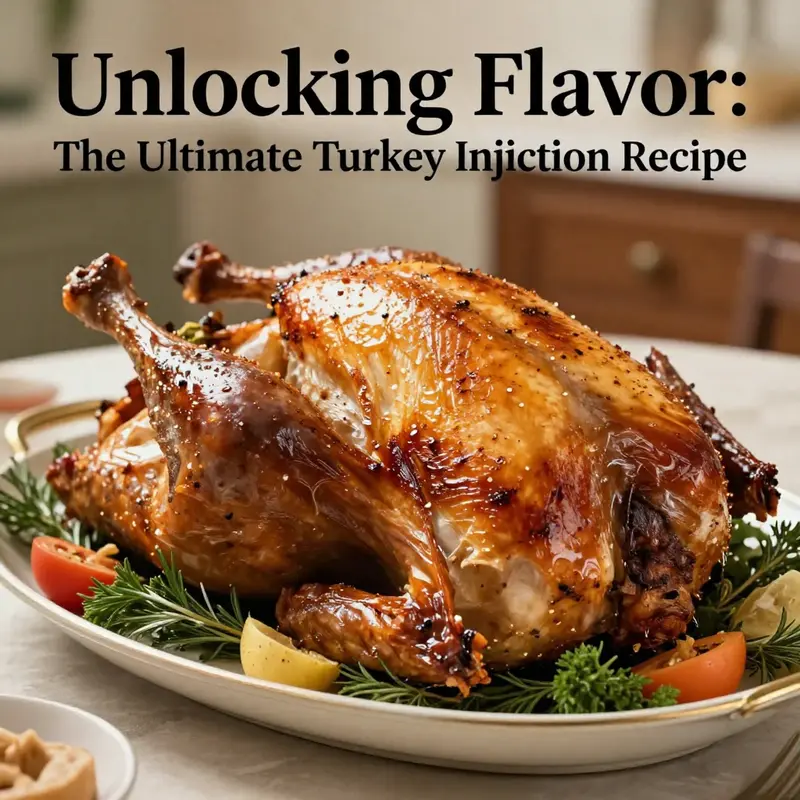
Elevate your culinary game and ensure your turkey dishes stand out by using an effective flavor injection method. With the right injection recipe, business owners in the food industry can create mouth-watering turkey that’s both juicy and packed with flavor, enticing more customers and boosting sales. The following chapters will detail a comprehensive turkey injection recipe and offer insightful tips on effectively utilizing this method to enhance the flavor of your dishes.
Under the Skin: Mastering a Turkish-Inspired Injection Marinade for Juicy, Crispy Roast Turkey
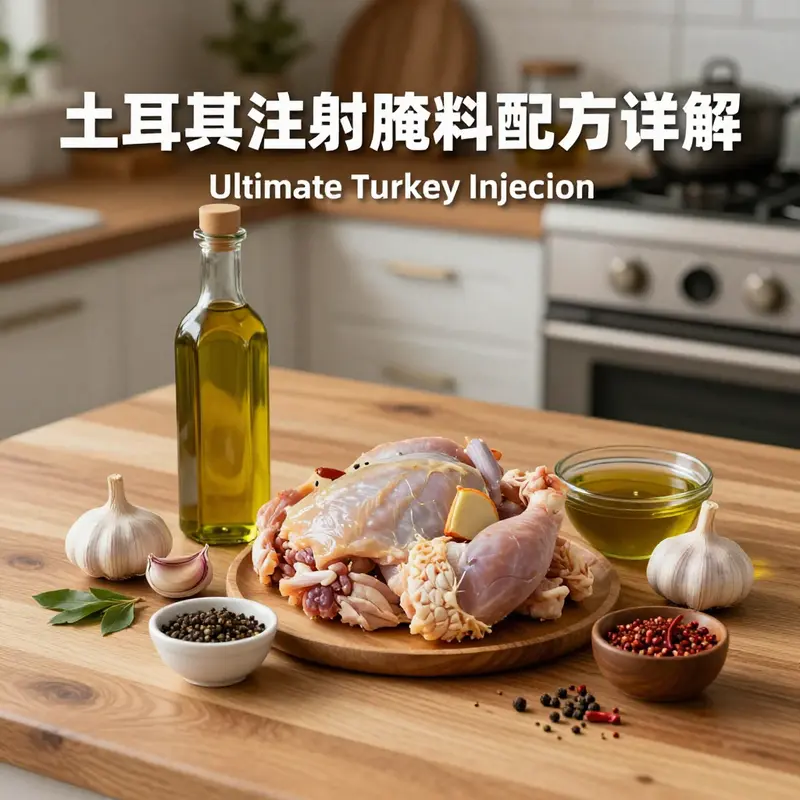
A well-made injection marinade does more than season the surface; it ferries flavor into the heart of the bird, turning what can be a dry roast into a moist, aromatic feast. When the goal is a turkey with a deep, Turkish-inspired aroma, the technique matters as much as the recipe. The approach blends a careful balance of oil, water, and savory seasoning that travels through the muscle fibers, so every bite carries a layered, lingering note. The idea hinges on two core ideas: first, that a well-distributed mixture reaches areas that a traditional brine or rub might miss; and second, that heat, timing, and texture are aligned to deliver a crisp skin without sacrificing the succulence inside. In practice, this means embracing a small toolkit of ingredients, a disciplined sequence, and a patient chill that lets the flavors fuse before heat meets meat.
The core of the turkey’s flavor begins with a simple, steady base that can carry more complex notes. A light oil serves as the carrier, helping the mixture cling to the meat and penetrate without overly weighing it down. In this approach, roughly 60 milliliters of a mild oil—olive oil or a neutral vegetable oil—forms the foundation, followed by an equal amount of water to act as a gentle diluent and flavor vector. The heart of the profile comes from a soy-based component that introduces umami and a touch of sweetness to balance salt. About 45 milliliters of soy sauce, or an equivalent blend of soy with a touch of sugar, yields the savory backbone without muting the other spices. Salt, at 15 milliliters, grounds the mixture and helps draw moisture into the muscle, which is essential when the heat of the oven arrives and you want a drinkable amount of juice to remain in every slice.
The spice cadence is where the Turkish influence is felt most clearly. Two teaspoons each of garlic powder and onion powder contribute a rounded, savory depth that stands up to the smoke and roast. Then comes a trio of dried herbs ground to a fine powder to unlock their fragrance. Ground bay leaf, thyme, and marjoram are the trio that paints the aroma with an earthy, aromatic backdrop. Grinding them into a powder ensures their oils and scents disperse evenly with the other liquids, avoiding uneven pockets of flavor. A teaspoon of black pepper adds a gentle heat that elevates rather than dominates, while a touch of smoked paprika—optional but welcome—brings a light, smoky glow that hints at char without requiring extra time on the grill. This combination yields a perfume that travels from the breast to the thigh, from the skin into the core, so the final roast carries a cohesive, Turkish-inspired character rather than a surface-level rub.
The method begins with preparing the spice base. Dry leaves and herbs are pulverized until they resemble a fine dust, a step that unlocks their essential oils and ensures the infusion is even. The ground spices then join the oil, water, soy, and salt in a low pan. Gently heating the mixture for about five minutes helps dissolve the salt fully and encourages a seamless fusion of flavors. Do not rush this stage; the goal is to coax the bright notes from the garlic and onion powders, the herbaceous warmth from thyme and marjoram, and the quiet intensity of the bay leaf into a single, cohesive liquid. After heating, the pot rests at room temperature long enough for the marinade to drop to a safe temperature for injection, typically ten to fifteen minutes. This cooling moment is crucial; injecting hot or even warm liquid can begin cooking the turkey from the inside, altering texture and reducing juiciness.
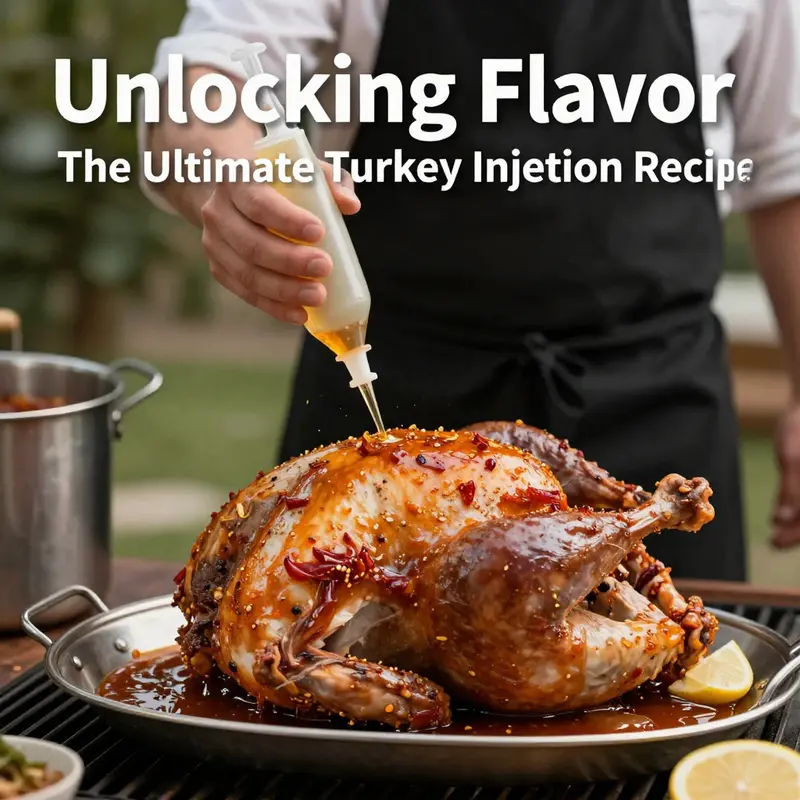
The injection itself is a careful, patient operation. A dedicated meat injector with a long needle—ideally designed to reach into dark meat—does the work. The liquid is drawn into the syringe and then inserted into thick parts of the bird: the breast, the thighs, and the wings. In each location, inject slowly, delivering small amounts—a tablespoon or two per site—while moving the needle to avoid cracking the tissue or hitting bone. The aim is distribution, not a single gush of flavor in one spot. Once the injections are complete, the bird is placed in a large sealable bag or container. The remaining marinade pooling surface-side can be poured over the exterior to cloak the skin with a glossy, aromatic layer. Refrigeration follows, with a recommended window of four hours minimum and up to eight or twelve hours for deeper flavor penetration. This step is where the magic of the injection comes into focus: the liquid travels through muscle, delivering the Turkish notes to areas ordinary brining may fail to reach.
When it comes time to roast, the preparation remains simple but attentive. Remove the turkey from the marinade and pat the surface dry with paper towels. The drying step matters because excess moisture on the skin can steam and prevent the crisping that defines a roast bird. A hot oven around two hundred degrees Celsius helps create a caramelized, lacquered exterior while the interior stays tender and juicy. The roast time will depend on the turkey’s size; a smaller bird or a half-turkey piece will require less time than a full turkey. A typical whole-turkey schedule ranges from about 1.5 to 2 hours, but always rely on a thermometer to guide you. During roasting, baste with the remaining marinade or its juices every twenty to thirty minutes. This basting creates a lacquer that deepens the color and intensifies the aroma, reinforcing the Turkish profile with every pass of the brush.
A central caution accompanies this technique. Marinading too long can risk texture changes, especially if the liquid carries acidity or enzymes that break down muscle fibers. Although this particular infusion relies more on salt, spice, and aromatics than aggressive acids, it is wise to cap the marination period at around twelve hours for a turkey, especially if you are using a wet mixer that penetrates deeply. Equipment cleanliness matters as well. Always sterilize the injector and its attachments, wash bowls and utensils thoroughly, and avoid cross-contamination with other raw foods. If you are new to injection, consider practicing with a smaller cut first to build confidence in how the liquid disperses before tackling a full bird. In the end, the success of this Turkish-inspired technique rests on balance: the interior moistness, the exterior crispness, and the aromatic, all-around aroma that lingers after carving.
For cooks who want to explore further, this approach can dovetail with other turkey-friendly techniques that also celebrate the meat’s texture. If you’re curious about a different path for similarly flavorful results, you might explore related ideas like a ground turkey pasta dish that uses similar spice logic and aromatics to build depth across a different format. You can find related inspiration here: ground turkey pasta. The key is to translate the same principles—layered aromatics, careful moisture management, and thoughtful heat—into whatever cut you’re preparing. For broader readers who crave hands-on tools, a practical injection kit can be a useful companion, enabling precise delivery of the marinade into thicker sections and ensuring the flavor saturates fully. A reference resource discussing injection techniques and equipment provides real-world guidance on how these tools perform in practice: https://www.amazon.com/Uironly-Meat-Injection-Needles-Turkey-Seasoning/dp/B0C7QXZKZT. The combination of technique, timing, and mindful seasoning makes the difference between a roasted bird that is merely cooked and one that speaks with a confident Turkish voice from breast to bone.
用注射与浸泡相结合:打造多汁有味的火鸡注射腌料实战指南
注射与浸泡:两种思路的融合
要把整只火鸡从里到外都做得多汁入味,注射腌料是一个非常有效的工具,但它并不是万灵药。传统权威资料反复强调,充分的浸泡(或表面涂抹并冷藏腌制)能让香料均匀渗透,而注射则可以在短时间内把风味直接带到鸡肉内部。把两者结合使用,你可以得到既有内里深层风味又有外皮金黄酥脆的理想效果。
这章将用连贯的叙述把配方、操作要点与实际技巧串成一体,帮助你在准备火鸡或大只鸡时既避免常见失误,又能用简单的配方达到餐厅级别的风味。配方的灵感基于经典的鸡汤基底与地中海香草,再加入少许酸性成分以帮助软化肉质:
配方(约可注入一只8–10磅火鸡并剩余部分用于涂抹)
- 1/4杯无盐鸡汤或高汤
- 2汤匙优质橄榄油
- 2汤匙新鲜柠檬汁或橙汁
- 4瓣大蒜,压成蒜泥
- 1汤匙干百里香
- 1汤匙干迷迭香(或用新鲜、切碎)
- 1茶匙黑胡椒粉
- 1茶匙烟熏辣椒粉(可选)
- 1茶匙海盐(注射份量可比表面腌料略低,防止内部过咸)
制作与使用要点应当连贯地执行。先将除盐的所有液体和香草在碗中调匀,再加入盐并充分冷却至少一小时,令香料融合。冷藏不仅能提升风味,还能让溶液在注射时更稳定,不易在注射器中堵塞。使用注射器前,务必用细筛或干净纱布过滤混合液,去除未溶解的香草碎屑和蒜渣,这会避免针头堵塞或注入过程中产生阻力。
注射技巧关键在于“浅而多点”的分布,而不是一次大剂量灌注。将注射针头插入胸肉、腿根和大腿等厚实部位,针头方向应略倾向肉心而不是指向骨头。每处注入约1–2茶匙(注意:原配方用汤匙,但注射时控制成小剂量更稳妥)。注入时慢慢按压注射器,感受阻力变化,若遇到明显硬阻应微微抽出并调整角度,避免注入到筋膜间隙或直接冲向骨头造成液体回流。
注射完成后,别急着直接烤。将火鸡放入大号密封袋或容器中,把剩余的腌料倒在表面并用手或刮刀把腌料均匀涂抹在皮下和表面。密封后放冰箱冷藏至少4小时,最佳是隔夜(8–12小时)。这一步把注射带来的内层风味与表面浸泡的风味融合,使得烤制时外皮能迅速上色且内部更丰盈多汁。需要注意,若腌制时间过长(超过15小时,尤其含柠檬或其他酸性成分时),酸会开始分解蛋白,反而使肉质变得松散而缺乏弹性。
烤制与火候控制要一气呵成。烤箱预热到190℃(约375°F)为常规起点;对于大只火鸡,开始时可用高温帮助皮层收紧并上色,随后调低温度至160–170℃以保证内部慢慢熟透。烤制全程可以每隔20–30分钟用剩余的腌料或自制的调味酱刷一遍外皮,这样能增强外皮香气并帮助保持水分,但若火候偏高需在最后几分钟进行,以免糖分过早焦化导致表皮过黑。
判断熟度不要只看颜色,最可靠的是用探针式温度计检测最厚处的内部温度:胸肉建议达到约74℃(165°F),大腿肉可略高。取出烤盘后让肉静置至少5–15分钟,视火鸡大小而定,让肉汁回流,切开时才不会瞬间流失。
在实际操作中,有几个容易忽视但影响显著的细节:先把表面擦干再注射与腌制,这能避免薄膜水分稀释腌料并使皮更易上色;注射时避开骨缝和关节,以免腌料沿骨髓回流带来杂味;如果注射器针头较粗,预先暖一下针管能让油脂类成分更顺畅通过。
和注射配套的,是对剩余腌料与风味的延伸利用。剩余腌料非常适合涂抹在蔬菜或切块土豆上,一起入炉烤制能形成和火鸡相呼应的配菜。若你偏好低钠风味,可参考low-sodium chicken recipes来调整盐量与替代方案,保持风味同时降低整体钠摄入。
最后,技术之外的原则是适度与观察。注射能快速提升内部风味,但不应试图用注射替代正确的腌制、烤制与温度控制。把注射当作加强剂,而非唯一依靠,你会发现注射与浸泡的协同作用能把普通的烤鸡或火鸡变得皮脆肉嫩、风味层次丰富。
Final thoughts
Incorporating a turkey injection recipe into your culinary repertoire can be a game-changer for your business. This method not only enhances flavor but also guarantees that every piece of turkey you serve is juicy and succulent. As your customers experience the rich flavors and moist texture, you’re likely to see increased satisfaction and repeat business. Embrace this technique, and watch your culinary offerings elevate.