
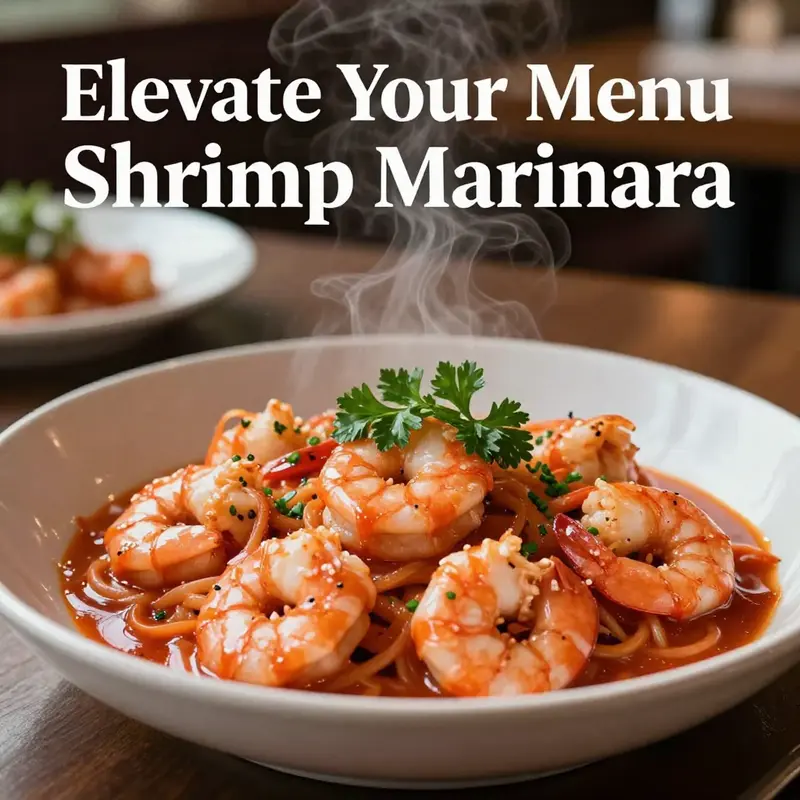
The culinary scene constantly demands innovation, and shrimp marinara stands out as a dish that marries simplicity with exquisite flavor. For business owners looking to enhance their menu offerings, mastering this recipe can attract customers with minimal effort. Each chapter unfolds crucial aspects of preparing shrimp marinara, from step-by-step instructions to nutritional insights and serving suggestions, ensuring a comprehensive understanding of this versatile dish.
Shrimp Marinara Made Simple: A 30-Minute, Restaurant-Quality Method
Shrimp Marinara Made Simple: A 30-Minute, Restaurant-Quality Method
This approach to shrimp marinara keeps the recipe honest and bright. It relies on a handful of excellent ingredients and tight timing so the shrimp remain tender while the tomato sauce gains depth. The method is straightforward: build flavor with aromatics, coax complexity from crushed tomatoes and wine, then add the shrimp at the last moment to avoid rubbery meat. Follow the sequence and small techniques here to transform pantry staples into something elegant enough for guests.
Begin by preparing your shrimp and pasta. Pat the shrimp dry with paper towels so they sear instead of steaming. Lightly season with salt and pepper; the shrimp need only a whisper of seasoning because the sauce will finish them. Bring a large pot of well-salted water to a boil for pasta. Use about one tablespoon of salt per quart of water; it should taste of the sea. Cook the pasta to al dente and reserve about half a cup of the starchy pasta water before draining. That water is the secret to a silky sauce that clings to each strand.
While the pasta cooks, make the sauce. Heat extra-virgin olive oil over medium heat until it shimmers. Add thinly sliced garlic and a pinch of crushed red pepper flakes. Sauté gently until the garlic is fragrant and a pale gold. If you like a little extra sweetness and depth, add a finely diced shallot or small onion and cook until translucent. The goal is to draw out the aromatics without browning or burning. Pour in dry white wine and raise the heat briefly to let the alcohol evaporate. The wine deglazes the pan and lifts every fond bit of flavor left by the garlic and shallot.
Next, add high-quality crushed tomatoes—San Marzano-style if available—for their balanced sweetness and low acidity. Crush whole peeled tomatoes by hand as you drop them into the pan, or use crushed tomatoes for speed. Bring the sauce to a gentle simmer and reduce it uncovered for ten to twelve minutes. Stir occasionally so the sauce thickens evenly and the flavors concentrate. Taste as it reduces and adjust salt and pepper. Fresh torn basil added at the end will brighten the sauce without muting its tomato character.
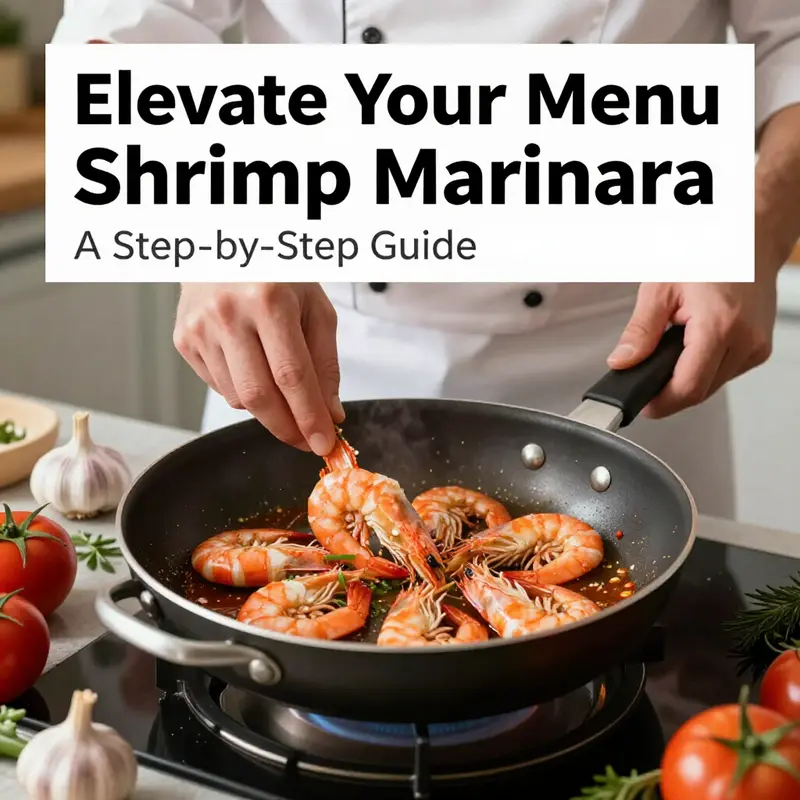
Shrimp cook quickly and should go into the sauce just before the final toss with pasta. Lower the heat to medium-low and arrange the seasoned shrimp in a single layer. Cook two to three minutes per side, until the shrimp turn opaque and pink. Remove them briefly if you prefer to finish reheating them with the pasta; this avoids overcooking. The shrimp absorb the tomato flavor but should still sing with their innate sweetness.
Tossing the drained pasta directly into the pan with the sauce is where the dish comes together. Add a splash of reserved pasta water to loosen the sauce and help it emulsify with the olive oil. The starchy water binds the sauce and creates a glossy coating. Return the shrimp to the pan and toss gently so everything heats through and the flavors mingle. Add torn basil leaves, then taste and adjust seasoning one last time. If you use Parmesan, grate it just before serving so its salty nuttiness complements the tomatoes and shrimp without dominating them.
A few practical pointers make this version foolproof. Use the freshest shrimp you can find and buy them where turnover is high. If using frozen shrimp, thaw them overnight in the refrigerator or under cold running water and pat them thoroughly dry. Keep the heat moderate while cooking aromatics; burned garlic creates bitterness that can’t be fixed. Reserve pasta water and add it slowly—one or two tablespoons at a time—until the sauce reaches the desired clinginess. Fresh basil should go in at the end to preserve its volatile oils.
This recipe is flexible. Serve the shrimp marinara over linguine for a classic presentation, or spoon it over grilled polenta or roasted vegetables for a lighter plate. Offer warm crusty bread to mop up the sauce or present it as a standalone main with a crisp green salad. Leftovers keep for a day or two refrigerated; reheat gently on the stove with a splash of water to prevent the shrimp from toughening.
If you prefer a slightly different shellfish script, compare this marinara to related seafood preparations for inspiration, such as an interpretation of shrimp scampi that focuses on butter and lemon. A useful reference is an alternate take on scampi found in this Olive Garden shrimp scampi recipe, which highlights how changes in fat and acid alter the final dish.
For regional context and technique variations from Southern Italy, consult the guidance of traditional sources. They explain small regional shifts—like using different herbs or subtle cooking times—that can influence texture and flavor. For a reputable culinary perspective rooted in Italian tradition, see this description from La Cucina Italiana: https://www.lacucinaitaliana.it/ricette/pasta-con-gamberi-e-salsa-di-pomodoro
Follow the sequence, mind the timing, and favor quality ingredients: olive oil with brightness, San Marzano-style tomatoes for balance, and shrimp that are fresh and dry. The result is a light yet deeply savory shrimp marinara. It takes under thirty minutes, but it tastes like you took much longer.
Pantry to Plate: Ingredients, Nutrition, and Smart Swaps for Shrimp Marinara
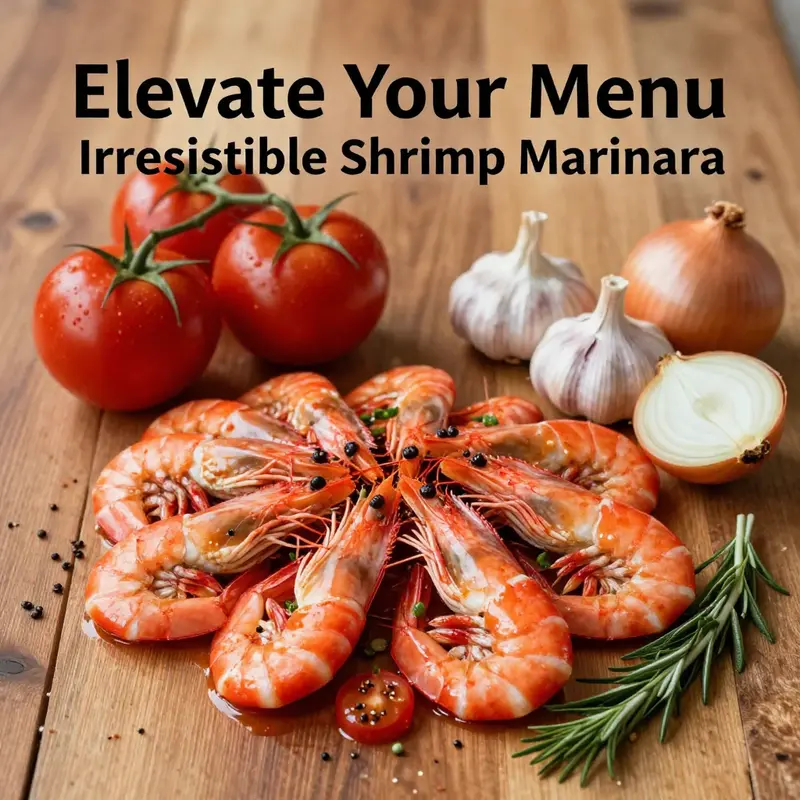
Ingredients and nutritional balance combine to make a shrimp marinara greater than the sum of its parts. Start with the essentials: shrimp, olive oil, garlic, onion, crushed tomatoes, and fresh herbs. These core elements deliver the dish’s flavor and nutritional profile while keeping preparation quick and straightforward. Choose shrimp that are peeled and deveined for convenience, and aim for large or jumbo sizes when you can. Larger shrimp hold up better in the sauce and remain tender when cooked briefly.
Extra virgin olive oil is the cooking fat of choice. Use it sparingly to bloom garlic and soften onion. It contributes monounsaturated fats that support heart health. Garlic and onion form the aromatic base. Chop the onion fine so it melts into the sauce, and mince the garlic to release its pungent, savory oils. Crushed tomatoes or a quality tomato puree bring acidity, body, and the antioxidant lycopene. Fresh basil, oregano, and parsley round out the flavor profile. Add red pepper flakes if you like a faint heat, and finish with grated Parmesan for umami and a touch of richness.
Beyond the essentials, a few thoughtful additions can elevate both taste and nutrition. Shallots offer a milder, sweeter onion note. Spinach or baby kale folded into the sauce at the end adds color, fiber, and vitamins. Mushrooms contribute an earthy depth and more chew. A splash of dry white wine adds acidity and complexity, or substitute a low-sodium chicken broth for cooking ease and lower alcohol content. Keep butter or cream out of the base if you want a lighter result; the natural sweetness of shrimp and the savory tomato base make cream unnecessary.
Nutritionally, shrimp marinara is a lean, nutrient-dense option when built from whole ingredients. Shrimp supplies high-quality protein with relatively few calories. A standard 3-ounce portion provides roughly 24 grams of protein and about 120 to 150 calories. It also contains vitamin B12, selenium, zinc, and copper, nutrients important for energy production, immune function, and antioxidant defenses. Shrimp offers omega-3 fatty acids as well, though in smaller amounts than fatty fish. Those omegas still add cardiovascular and cognitive support when eaten regularly.
Tomatoes are not just a flavorful medium; they are a source of lycopene, a carotenoid linked to lower risks of some cancers and heart disease. Cooking enhances lycopene bioavailability, so a simmered marinara delivers more accessible antioxidants than raw tomatoes. Olive oil improves absorption of fat-soluble nutrients from tomatoes and herbs, making that modest drizzle both tasty and healthful.
Be aware of sodium and cholesterol considerations. Shrimp contains dietary cholesterol, but current research indicates that for most people, dietary cholesterol has a modest effect on blood cholesterol levels. Still, those with specific medical concerns should consult a clinician. Canned tomatoes and grated cheese can increase sodium content. Opt for low-sodium canned tomatoes and measure salt carefully. Use Parmesan sparingly or choose a lower-sodium alternative if you need to control salt intake.
Portioning matters for calories and macronutrient balance. Serving shrimp marinara over 2 ounces of dry pasta will yield a reasonable carbohydrate portion for most dinners. For lower-carb options, pair the sauce with zucchini noodles, spaghetti squash, or a bed of leafy greens. Whole grain pasta or legume-based noodles increase fiber and micronutrient density, improving satiety and blood sugar control. Adding a side salad with a light vinaigrette boosts vegetables and fiber while keeping the meal balanced.
Practical swaps help tailor the dish to dietary needs without sacrificing flavor. To reduce calories, use less oil and increase aromatics like garlic and herbs. To boost protein, increase the shrimp portion or stir in white beans near the end of simmering. For added iron and folate, fold in spinach. Those following a low-sodium plan should rinse frozen shrimp to remove surface brining, choose low-sodium canned tomatoes, and skip extra salt until after tasting.
Texture and timing also affect nutritional outcomes. Overcooking shrimp makes them rubbery and less pleasant. Add shrimp to the sauce in the last few minutes of simmering. They cook through quickly, preserving moisture and nutrient integrity. Simmer the tomato base long enough to meld flavors and reduce raw acidity, but avoid excessively long reductions that concentrate sodium or sugars.
If you enjoy exploring other shrimp-centric preparations, compare techniques and ingredient lists for inspiration. For example, a light garlic-butter shrimp scampi shares elements with marinara but leans on butter and lemon rather than tomato. For a complementary take, see the Olive Garden shrimp scampi recipe for contrasts in flavor and fat profile: https://meatrecipesblog.com/olive-garden-shrimp-scampi-recipe/.
Small decisions yield meaningful nutrition wins. Use fresh herbs for flavor instead of extra salt. Choose low-sodium canned tomatoes. Embrace whole-grain or vegetable pasta alternatives. Add leafy greens or mushrooms for fiber and micronutrients. Those choices keep shrimp marinara satisfying, nutrient-rich, and aligned with simple weeknight cooking. For a science-backed overview of shrimp nutrition and what to expect from its vitamins, minerals, and fats, refer to this resource: https://www.healthline.com/nutrition/shrimp-nutrition
From Pasta Bowls to Zoodles: Smart Serving and Pairing Ideas for Shrimp Marinara
Serving the Shrimp Marinara with Confidence and Flair
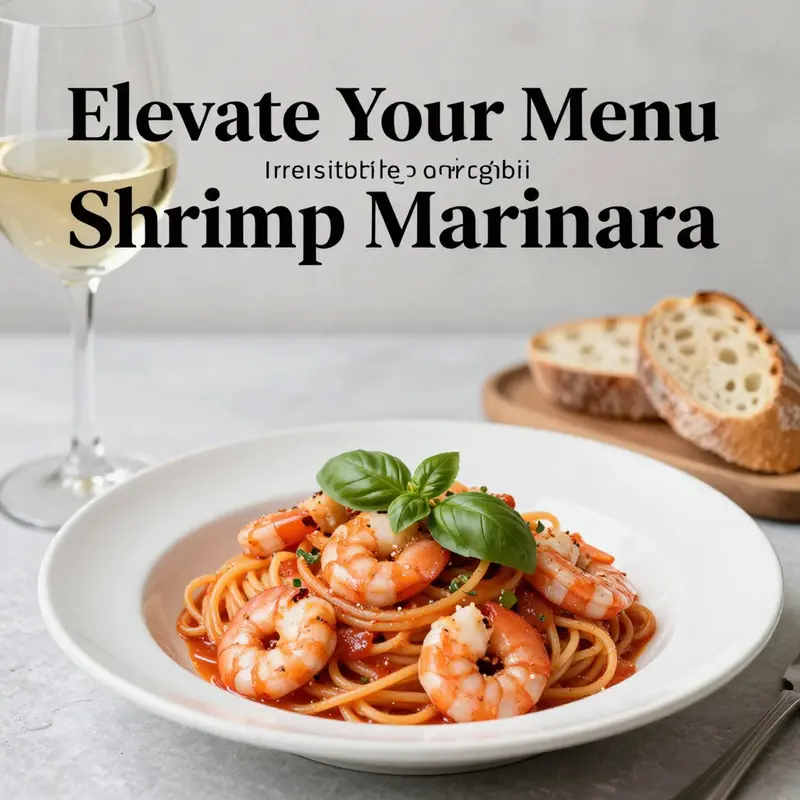
Shrimp marinara shines because it is simple, bright, and versatile. The dish finds its best expression when you match textures and tastes that complement, not overpower, the delicate shrimp and acidic tomato sauce. Start with the base: if you want a classic presentation, choose long pasta such as spaghetti or linguine. Their thin ribbons catch the sauce and let each bite combine tomato, garlic, and shrimp. For a richer mouthfeel, wide noodles like fettuccine or pappardelle add weight and make the meal feel more indulgent without requiring extra sauce.
If you’re intentionally keeping the meal light, zucchini noodles are a terrific low-carb alternative. Zoodles hold their shape and provide a neutral backdrop for the flavorful sauce. Briefly sauté them until just tender, then toss gently with the marinara and shrimp. This prevents sogginess and keeps the dish visually bright.
Bread plays a supporting role and elevates the eating experience. Offer warm, crusty slices to soak up every last drop. A rustic boule or an airy baguette works best. Toast the bread lightly and rub with garlic for extra aroma. For casual dinners, tear-and-share bread invites conversation and communal plating.
Rice is another sensible route when you want a heartier plate. Long-grain white rice lets the sauce stand out, while brown rice adds a nutty depth. For more interest, try a lemon-herb rice or saffron-infused pilaf. Spoon shrimp marinara over a shallow bed of rice so sauce remains concentrated on top, keeping textures distinct.
Balance is key. A crisp green salad with a bright vinaigrette cuts through the sauce’s acidity and the shrimp’s natural sweetness. Choose peppery greens such as arugula, or mix butter lettuce with shaved fennel for a refreshing crunch. Add a scatter of toasted pine nuts or thinly sliced radish for texture contrasts.
Cheese and aromatics finish the dish. A light dusting of freshly grated Parmesan adds umami and a subtle salty richness. For a different note, tuck torn fresh basil leaves into the finished plate. Basil’s herbaceous lift pairs flawlessly with tomato and seafood. A squeeze of lemon over the shrimp right before serving brightens the flavors and smells irresistible.
Consider heat and brine elements to enhance complexity. Red pepper flakes or a pinch of Aleppo-style pepper introduce warmth without overshadowing the sauce. Capers, chopped anchovy, or a few briny olives add savory hits that contrast with the tomatoes’ sweetness. Use sparingly to avoid overwhelming the shrimp.
When planning a menu, think about complementary sides. Roasted vegetables such as asparagus, cherry tomatoes, or bell peppers add color and oven-roasted sweetness. A simple gratin or a skillet of garlic-sauteed greens create variety on the plate. Keep side portions modest so the shrimp marinara remains the star.
Wine pairing should amplify freshness. Chilled white wines like Pinot Grigio or Sauvignon Blanc highlight the dish’s acidity and the shrimp’s delicate flavor. If you prefer red, a light-bodied option with low tannins works well. For a non-alcoholic choice, sparkling mineral water with a twist of lemon refreshes the palate between bites.
Presentation matters for both weeknight meals and dinner parties. For a rustic family-style approach, serve the marinara in a shallow bowl and pass pasta or bread at the table. For plated service, nest pasta on the plate first. Spoon sauce and shrimp on top, then finish with fresh herbs and cheese. Use deep bowls to trap aromas, and wide plates for composed presentations.
Timing is important to avoid overcooked shrimp. Add shrimp to the simmered marinara at the last minute so they remain tender and slightly springy. If making ahead, undercook shrimp by one minute. Reheat gently in the sauce to finish cooking. This keeps textures pleasing and flavors intact.
Leftovers reheat well, if handled right. Store sauce and shrimp together in an airtight container for up to two days. Reheat slowly over low heat, stirring often. If the sauce thickened, loosen it with a splash of water or extra olive oil. Serve immediately once shrimp are heated through to maintain tenderness.
For entertaining, scale easily by making the sauce in a large pan and adding shrimp just before guests arrive. Offer a simple garnish station: lemon wedges, chopped parsley, chili flakes, and grated Parmesan. This lets guests personalize their plates and keeps service relaxed.
If you want to experiment with similar flavors, consider exploring a related shrimp sauce recipe that expands on the same foundations of tomato, garlic, and herbs. That variation can inspire different pairings and plating ideas to suit your mood and menu. (See the linked recipe for more inspiration.)
For a trustworthy version of this dish, the original inspiration and technique are available online to review for proportions and timing: https://www.nourishandfete.com/shrimp-marinaras-recipe/
For another take on shrimp in a garlicky, buttery sauce, check out this internal resource on a complementary shrimp sauce recipe: https://meatrecipesblog.com/shrimp-sauce-recipe/
Final thoughts
Mastering a shrimp marinara recipe not only enhances your culinary skills but also enriches your menu with a dish that appeals to various palates. By following the step-by-step guide, understanding the ingredients, and exploring serving suggestions, business owners can deliver an exceptional dining experience that resonates with customers. This recipe serves as an opportunity to highlight quality ingredients while presenting a dish that embodies both comfort and elegance.