
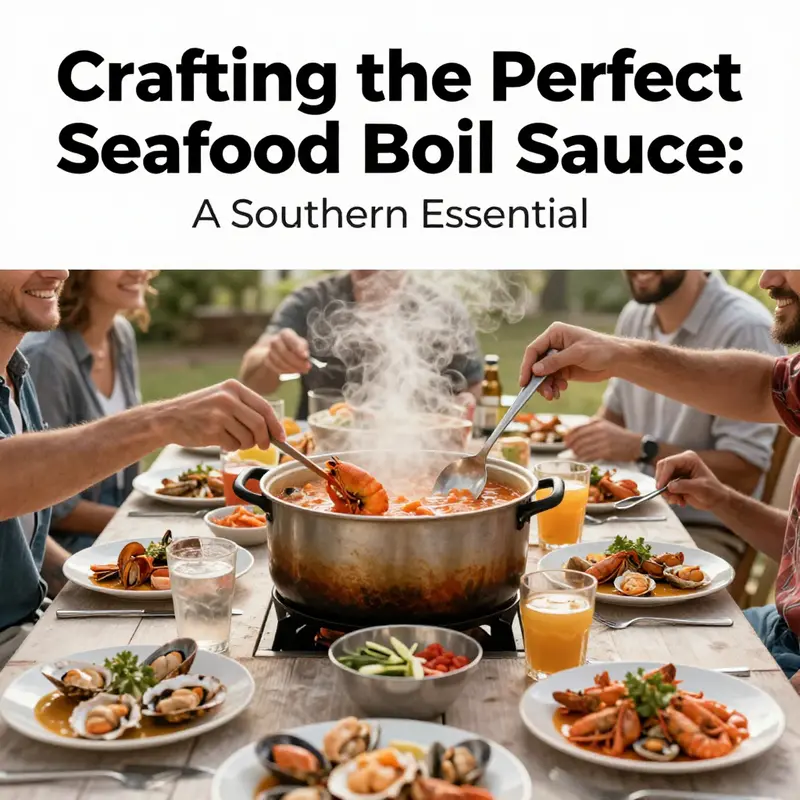
Seafood boils have become a beloved staple in America, particularly in Southern coastal regions, where flavors, sights, and sounds meld into an unforgettable dining experience. A key component of this culinary tradition is the seafood boil sauce—essential for celebrating the natural sweetness of shrimp, crab, and other shellfish. This article explores a classic seafood boil sauce recipe, rooted in the rich culinary practices of the Gulf and Atlantic Coast. We will detail the ingredients and steps needed to create this delectable sauce, as well as unpack why this particular sauce works so well with various seafood dishes, making it a valuable menu addition for business owners in the hospitality industry.
Emulsified Thunder on the Gulf: The Classic Southern-Style Seafood Boil Sauce
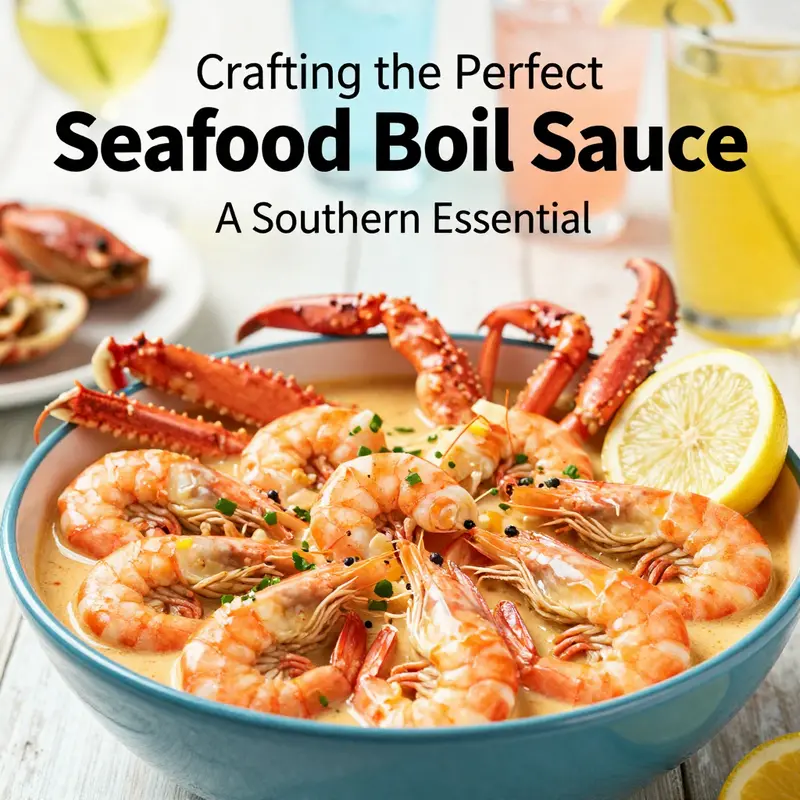
The classic Southern-Style Seafood Boil Sauce is more than a condiment; it is a liquid thread that binds the Gulf Coast’s seafood feast into a single, fragrant story. In many homes along the Chesapeake Bay and the Gulf shoreline, cooks learned early that a boil is not merely a method of cooking shellfish and corn; it is a ritual in which flavors must travel together—from smoky heat and salt air to bright citrus, then settle into the creamy, emulsified finish that coats every bite. The sauce described here is crafted to work both as the cooking medium and as a generous finishing touch. It is the kind of preparation that leaves a lingering aroma in the kitchen, a reminder of long summer evenings by the water, where the air holds the scent of butter, garlic, and lemon, and the table is crowded with steaming boatside platters. The approach leans into Gulf Coast and Creole-Cajun sensibilities: bold, aromatic, deeply savory, and unmistakably Southern in its balance of richness and heat, brightened by citrus and punctuated by herbs.
At its core, this sauce is an emulsified butter base that merges with cream to yield a creamy, velvet texture that clings to shellfish and corn alike. Begin with unsalted butter—the kind that becomes glossy and pale as it melts, carrying the garlic into a fragrant bloom rather than a sharp bite. The garlic should be finely minced, about six to eight cloves, which translates to roughly two generous tablespoons. The key is to warm the garlic briefly, just until its aroma lifts, but never to let it color or brown. That moment, when garlic releases its perfume, sets the stage for the rest of the sauce: a smooth, glossy emulsion that blends fat with liquid to hold the spices in a soft, even rhythm.
Into the melted butter, pour heavy cream or half-and-half. A lighter version with whole milk works, but the creamy backbone is what anchors the sauce’s texture and mouthfeel. The cream draws out a richness that makes the seafood sing without leaving a heaviness behind. Stir steadily to create a seamless blend; the goal is a consistency that coats the back of a spoon, not a pool of separated fat. Then come the Seasonings: Old Bay is a staple in Southern seafood boils, an easily recognizable cue that you are somewhere between Maryland crab houses and Louisiana boil pots. A teaspoon of Old Bay brings a delicate blend of celery salt, paprika, and aromatic herbs that whisper of coastal meadows and bay leaves. Smoked paprika follows, lending a gentle, invisible smoke that evokes hearth and gumbo pots, even if you are cooking in a modern kitchen. Cayenne pepper—half a teaspoon, adjustable to taste—introduces the heat that many Gulf Coast dishes are known for. It is the spark that lifts the dish without overpowering the butter’s sweetness. Dried thyme adds an herbaceous note that complements the seafood’s natural sweetness, while black pepper and a splash of lemon juice brighten the mix and carve a path through the cream.
The sauce is not a one-note affair. It carries two kinds of brightness: citrus and herb. The lemon juice is a precise instrument; too much, and the finish becomes sour and sharp; too little, and the dish loses its lift. Start with a teaspoon and adjust toward brightness as the flavors simmer. The herbs—parsley and thyme—are added near the end to preserve their fresh, green character and to prevent the sauce from tasting flat. If you want the full Southern kick, there is a place for hot sauce—one to two teaspoons can be stirred in for extra depth. The hot sauce acts like a jazz note, a bright punctuation that resonates with the boil’s other flavors. If you have a boil broth saved from the cooking pot, a quarter cup of it can be whisked in to thin the sauce and deepen its integration with the finished dish. This is a small, practical trick that allows you to tailor the sauce’s density to your liking while preserving the emulsified texture.
The technique matters as much as the ingredients. Melt the butter gently over medium heat, then introduce the garlic and sizzle briefly until you can smell its sweetness without browning. Add the cream slowly, whisking constantly to prevent lumps, then fold in the Old Bay, smoked paprika, cayenne, thyme, and black pepper. Bring the mixture to a gentle simmer, then reduce the heat to low. Allow it to rest on a low flame for five to seven minutes, during which time the flavors mingle and the sauce becomes satin-soft. The length of the simmer is crucial: too long, and the cream risks separating; too short, and the spices may not fully release their character. Taste as you go, adjusting with a touch more lemon for brightness, a pinch more salt if needed, and perhaps a touch more cayenne if your crowd enjoys heat. The goal is a balanced, multi-layered sauce rather than a single definitive flavor note.
When the heat steps down, remove the pan from the flame and stir in fresh parsley. The green herb notes should feel alive and crisp, releasing a fresh aroma that bridges the lobster-white butter and the lemon’s citrus zing. The sauce, when finished, should be creamy, rich, and aromatic, with a tang that keeps it from tipping into sweetness and a heat that lingers long enough to remind you of a boil’s energy. At serving time, there are two practical paths: use the sauce as a finish, draping it generously over the seafood, corn, potatoes, and sausage after the boil has ended; or integrate it directly into the cooking pot, letting it mingle with the boil’s juices in the final minutes to soak into everything at once. For a deeper, more integrated flavor, add a quarter cup of reserved seafood boil broth to thin the sauce slightly and coax the flavors deeper into the meat and vegetables. If you plan to serve the sauce later, keep it warm in a heat-safe dish over low heat, but avoid boiling it again, which could break the emulsion and dull the texture.
Authenticity within a Southern frame often invites a nod to culinary cousins like Cajun and Creole flavors, which means you can enrich the sauce with a pinch of another signature ingredient: filé powder. This powder, made from dried sassafras leaves, is a classic addition in Cajun dishes and can be sprinkled in at the end for a subtle, earthy texture and a hint of forest-green aroma. Filé powder imparts a characteristic grip to the sauce, a reminder of the bayou’s depth and the region’s long history of improvisation with available herbs and greens. Fresh herbs, when possible, are always preferable to dried; they deliver a more vibrant aroma and a cleaner finish that lingers on the palate as you pull shells and kernels from the boil. The interplay of fresh herbs with a butter-cream base provides a dimension that dry, vinegar-based dips simply cannot match. In this sense, the sauce embodies a bridge between the region’s tradition of crab dips and the remoulades born from crab and shrimp tables along the coast.
This sauce is designed to work with the full spread of a seafood boil. It coats shrimp, crawfish, blue crab, and Andouille sausage with a glossy sheen; it also enriches corn on the cob and red potatoes by letting its fat carry through each bite, infusing starch and shellfish with a unified taste. The preparation is also forgiving in the sense that it adjusts to family preferences. If you are cooking for kids or guests who prefer milder heat, you can scale back the cayenne and perhaps omit the hot sauce entirely, relying on the lemon and butter to carry brightness without the kick. Conversely, for a crowd that revels in spice, a sharper hand with cayenne and a splash more hot sauce can be added at the end of simmering, allowing the heat to bask in the sauce’s creamy base rather than sit on top of it.
In this way, the Classic Southern-Style Seafood Boil Sauce becomes a narrative thread—one that travels from pantry staples to a finished table ritual. The sauce does not simply accompany the seafood; it moves through it, absorbing into the crust of a crawfish’s shell or the crevices of a corn kernel, then returning to the tongue as an enveloping, buttery, fragrant memory. The preparation itself invites patience and attentiveness—the moment you start to emulsify, you are participating in a space where tradition and appetite co-exist. The result is a finished product that respects the Gulf’s hospitality and the Chesapeake’s crabby, sweet seafood past, and it remains flexible enough to welcome personal touches that honor a host’s family recipe while maintaining a shared culinary language.
For readers seeking practical inspiration beyond this specific formulation, a closely related, home-tested variation exists in linked seafood sauce resources that keeps the same spirit. For a practical example of a seafood-focused sauce recipe that complements shellfish, consider the shrimp sauce recipe, which shares the approach of emulsified dairy and fat with a shrimp-forward profile. The idea is not to imitate exactly but to see how a similar technique can be adapted to different seafood and spice profiles, reinforcing the notion that a strong sauce can define the entire boil. In cooking, the texture and aroma of a sauce can be as memorable as the shells and corn themselves, and the Southern method showcases how a simple emulsified base, thoughtfully seasoned, can transform a pot of boiled seafood into a cohesive, celebratory meal.
The chapter’s guidance and the detailed technique underscore a broader point about regional seafood cookery: great sauce is less about a fixed formula and more about a confident balance among fat, acid, heat, and herb. The emulsification keeps everything cohesive, ensuring the spices do not vanish into the background but instead weave through the fat and dairy to coat each bite with depth. The method encourages tasting, adjusting, and preserving the sauce’s bright notes while gently coaxing the richness forward. And while this chapter highlights a Southern approach, the underlying principle — that a sauce can tie together texture, aroma, and flavor to elevate a boil into a memorable experience — translates across cultures and kitchens. It is this universal truth that makes the classic Southern-style seafood boil sauce a lasting favorite, a reminder that the most comforting meals often come from the simplest, most harmonious mix of ingredients treated with patience and respect for tradition.
Why This Seafood Boil Sauce Works: The Flavor Balance Behind Every Shell
Why This Seafood Boil Sauce Works: The Flavor Balance Behind Every Shell
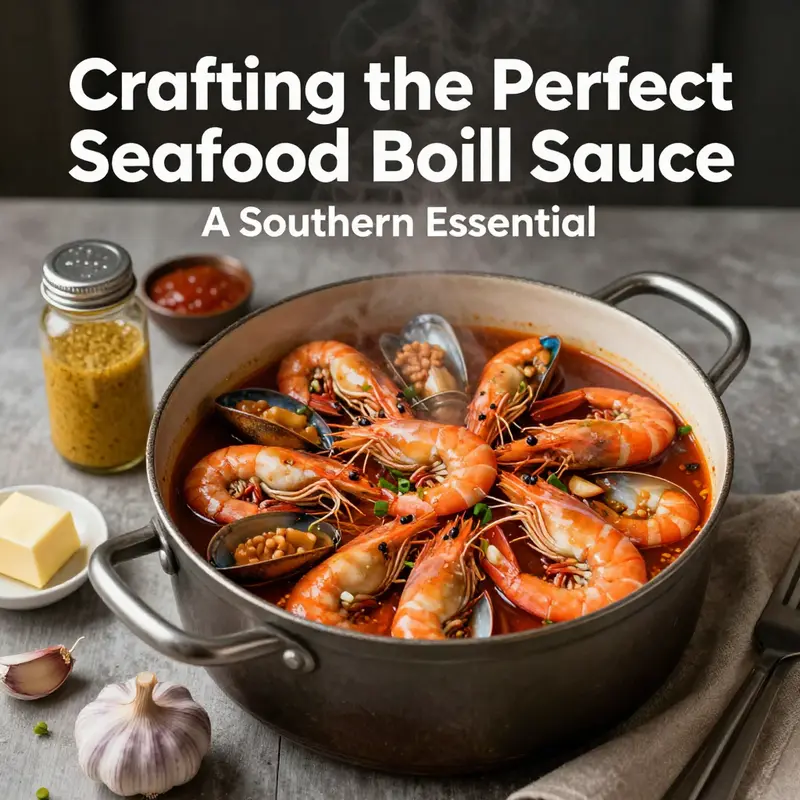
A great seafood boil sauce does more than add heat or butter. It lifts the natural sweetness of shrimp, crab, and mussels. It creates contrast. It gives each bite a purpose. At its heart, the sauce is about balance: fat to carry flavor, acid to brighten, umami to deepen, aromatics to perfume, and spice to cut through richness. When those elements come together, the sauce amplifies the shellfish without masking the ocean’s subtlety.
The first and most important role of the sauce is as a flavor carrier. Butter or mayonnaise forms the base. Both coat shells and cling to meat, ensuring seasoning reaches the palate with every pull of meat from shell. Butter brings a silky mouthfeel and a gentle richness. Mayonnaise contributes creaminess and an emulsified texture that suspends herbs and spices. Using both in moderation creates a sauce that is luxurious but not heavy. A tablespoon of melted butter swirled into a mayonnaise-based dressing gives weight and gloss. That gloss helps the sauce adhere to steam-warm or room-temperature seafood, making each forkful consistent and satisfying.
Next comes umami and seasoning. Traditional blends like Old Bay contain a complex mix of celery salt, black pepper, paprika, and other savory notes. Adding Worcestershire or a drop of fish sauce—used sparingly—introduces a deeper, meatier backbone. Umami works quietly, supporting sweetness without becoming the star. It gives the sauce a savory anchor so the lemon and hot sauce can sing without sounding thin. A pinch of smoked paprika adds another layer. Smoke pairs perfectly with shellfish, echoing seaside barbecue flavors and hinting at long, communal cookouts.
Aromatics transform a simple dip into something memorable. Garlic, whether minced raw or softened with a touch of lemon and salt, contributes immediate perfume. Green onions and fresh parsley add a bright, herbaceous note that cuts through richness. Celery salt in small amounts offers both salt and vegetal aromatics, a nod to classic coastal seasoning. Aromatics should be fresh and sharp, not dulled by overcooking. That is why the sauce is typically finished after the boil: it preserves the freshness and intensity of these ingredients.
Heat and contrast are essential. Cayenne, hot sauce, or red pepper flakes introduce a controlled burn. The heat does two things. It punctuates the buttery richness and it stimulates saliva, which enhances flavor perception. Too much heat overwhelms shellfish, so balance matters. Layering heat—using a mild hot sauce in the base and a dusting of cayenne on the finished sauce—creates a complex spiciness that unfolds rather than hits all at once.
Acidity is the bright thread tying all elements together. Lemon juice, or a splash of vinegar, cuts through the fat and refreshes the palate. Citrus also enhances the sweetness of shrimp and crab meat. Zest gives aroma; juice gives punch. A little acidity prevents the sauce from feeling cloying and helps each successive bite feel as lively as the first. Use just enough to lift flavors. Too much acid flattens the mouthfeel and competes with delicate seafood notes.
Texture matters as much as flavor. A sauce that is too thin will slide off shells and waste its impact. Too thick, and it becomes gluey, obscuring the natural texture of the meat. Mayonnaise creates body, and melted butter adds sheen. Finely chopped herbs and green onions introduce small, pleasant bites. Breadcrumbs or toasted panko are rarely used in this style but can offer a crunchy contrast when sprinkled on top just before serving. Think in layers: smooth base, tender herbs, and a light dusting of spice.
Timing and temperature are crucial for both flavor and texture. Apply the sauce after boiling. When sauce is used during the boil, delicate seafood can overcook and become tough. Adding the sauce post-cook preserves the shellfish’s tender texture and keeps aromatics fresh. If the base contains butter, use it warm enough to loosen the mayonnaise but not so hot that it cooks the egg in store-bought mayo or wilts fresh herbs. Refrigerate the mixed sauce for at least 30 minutes when possible. Chilling helps flavors meld and allows seasoning to marry; it also firms the texture so the sauce clings better. Serve the sauce cold or at room temperature with warm seafood for an ideal contrast.
Salt control is part of the craft. Shellfish carry natural salinity. Seasoning the sauce lightly prevents over-salting. Celery salt and cracked black pepper add complexity without excessive sodium when used thoughtfully. Taste the sauce before adding more salt. If the seafood was boiled in heavily salted water, err on the side of lower salt in the sauce and rely on acidity and spice to provide lift.
Cultural context gives this sauce its soul. The recipe draws on Chesapeake Bay and Gulf Coast traditions. Remoulade and crab dip techniques inform the base: mayonnaise and mustard, a whisper of vinegar, and bold seasoning. These coastal cuisines emphasize communal eating and bold flavors that travel well from pot to plate. The sauce is versatile because it borrows from both tangy remoulade and buttery Gulf Coast finishes. That makes it fit for a one-pot boil as well as for grilled shrimp or crab cakes.
Flexibility makes the sauce reliably successful. Want more tang? Add dijon mustard or a touch of mustard powder for a sharp, savory lift. Prefer smoky notes? Increase smoked paprika or add a small amount of liquid smoke. Need extra heat? Use a chili paste or a hot pepper oil. For a lighter version, substitute plain yogurt for some or all of the mayonnaise and reduce butter. Vegan cooks can recreate the texture with aquafaba-based mayo and plant butter. The structural logic remains the same: fat to carry, acid to brighten, spice to sharpen, and aromatics to perfume.
Pairings complete the experience. The sauce pairs with corn and potatoes, the classic sides of a boil. The same acidity and spice that enliven shrimp will refresh boiled potatoes and cut through the starch. Serve the sauce alongside melted garlic butter for dipping or spoon it directly over a drained pot of seafood for an integrated finish. Offer lemon wedges and a bowl of extra seasoning so guests can customize heat and salt on their own.
Small techniques make a big difference. Finely grate garlic if you want it to bloom immediately. Use a microplane for lemon zest to avoid bitter pith. Chop herbs just before mixing to preserve bright green color. Let the sauce rest so the spices hydrate and mellow. Taste often and adjust; the best sauce adapts to the quality and seasoning of the seafood.
Because it is used after boiling, this sauce preserves the integrity of delicate shellfish. The short contact with heat prevents the proteins from tightening and the meat from toughening. That means a shrimp retains its snap and crab meat stays tender. The post-boil application also gives you control. You can decide how much coating each guest prefers, and the sauce works as both dip and finishing dressing.
In short, this sauce works because it respects the seafood while amplifying its strengths. It balances fat, acid, umami, aromatics, and heat to create a multi-dimensional flavor. It uses texture to stay present on the shell. It is applied at the right time to protect delicate meat. And it remains versatile enough to adapt to taste and tradition. A well-made seafood boil sauce does not overpower; it elevates. It turns a pot of boiled shellfish into a shared feast where each bite is bright, savory, and utterly memorable.
For a modern take on the boiling technique that pairs well with this sauce, see this detailed write-up on how the method brings flavor and texture together: https://www.southernliving.com/food/seafood-boil-recipe/
If you’d like a complementary creamy dip for shrimp that shares similar principles, try this straightforward shrimp sauce recipe. It uses the same balancing act of fat, acid, spice, and aromatics to create a dip that works alongside a seafood boil.
Final thoughts
The seafood boil sauce is more than just a condiment; it’s an integral part of a communal dining experience steeped in rich tradition. By understanding the ingredients and methods that make this sauce so effective, business owners can enhance their seafood offerings, creating memorable occasions for patrons. This classic Southern-style sauce not only complements seafood but elevates it, making it a must-have for any menu focused on quality and tradition.