
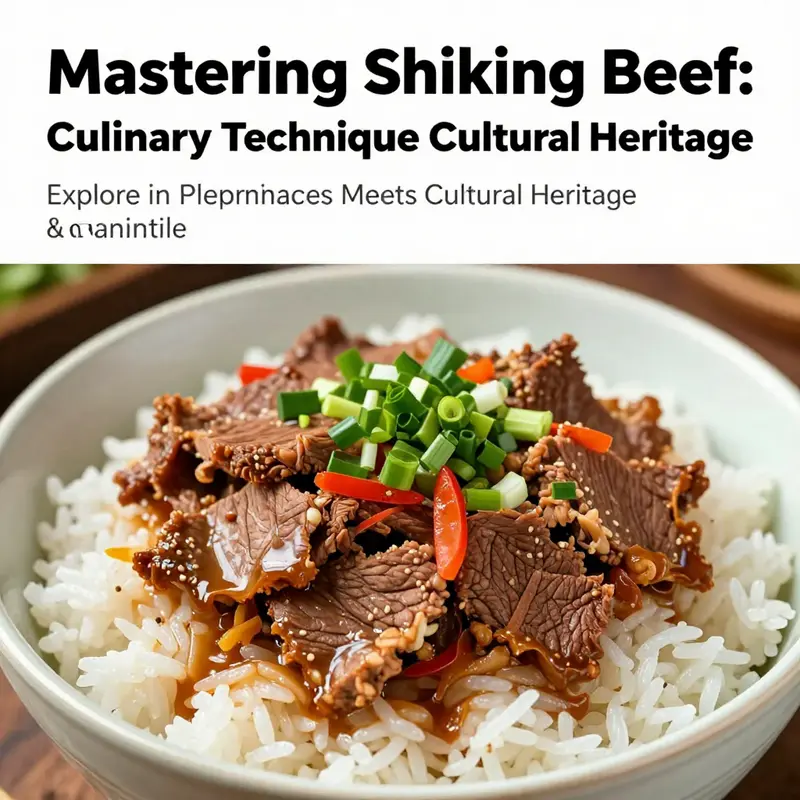
Shaking beef, known as “Bò Lạc” in Vietnamese, is a culinary masterpiece that encapsulates both sophisticated cooking techniques and the rich cultural backdrop of Vietnam. For restaurant owners and chefs, mastering this dish can elevate a menu and attract patrons seeking authentic flavors. Chapter one will dive into the art of preparing and cooking shaking beef, focusing on techniques that promote tender, flavorful outcomes while respecting tradition. Chapter two will explore its cultural significance and regional variations, showcasing how this dish connects diners to its Vietnamese roots and provides a spectrum of new tastes to explore.
Shaking Beef Mastery: Choosing Cuts, Building Marinades, and Perfecting the Shake
Shaking Beef Mastery: Choosing Cuts, Building Marinades, and Perfecting the Shake
Shaking Beef lives by a few simple truths: quick, intense heat; a lively, balanced marinade; and a decisive shaking motion that transforms seared meat into the dish’s signature texture. The name evokes movement, but the result is control. Every choice matters. The cut of beef, the way you slice it, and the moment you toss it back in the pan determine whether the dish is a revelation or a disappointment.
Start with the beef. Choose tender, well-marbled cuts such as sirloin, flank, ribeye, or tenderloin. These cuts sear quickly and keep juices locked inside. If you prefer a leaner option, select top round or eye of round, but expect firmer texture. Aim for pieces roughly 2 centimeters across. Cut across the grain in thin, even strips or bite-sized cubes. Against-the-grain slicing shortens muscle fibers. That yields tenderness regardless of the cut.
Dry the pieces with kitchen paper before marinating. Excess surface moisture cools the pan and prevents proper searing. A dry surface also allows the marinade to cling. For marination, balance matters. The classic profile blends savory, salty, sweet, and acidic notes. Fish sauce provides a distinct umami backbone. Light soy sauce rounds the saltiness and adds color. A touch of sugar caramelizes on contact with the hot skillet and deepens flavor. Freshly minced garlic gives aroma, while freshly cracked black pepper offers warmth. Lime juice or a mild vinegar brings the brightness that lifts the richness.
A small addition of cornstarch in the marinade smooths textures. Cornstarch creates a thin film that seals surface juices and helps the sauce cling. A spoonful of oil in the marinade also encourages caramelization during sear. Marinade time can be brief. With tender cuts, thirty minutes to an hour suffices. If you want deeper flavor, refrigerate for up to four hours. Avoid overnight marination for delicate cuts, which can become mushy.
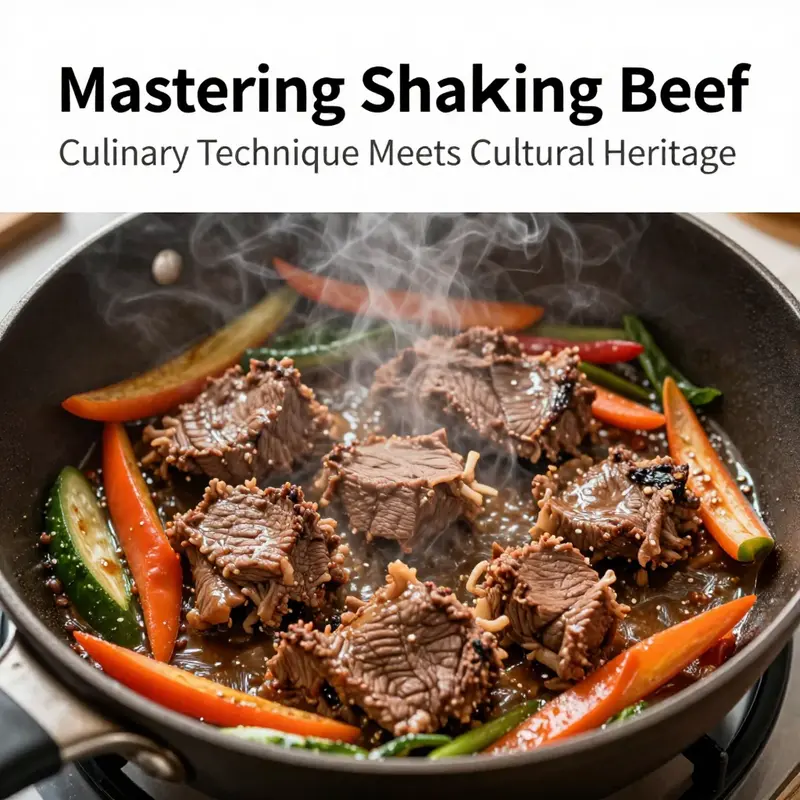
Heat control is the heart of the technique. Use a heavy skillet, cast iron, or a well-seasoned wok. Preheat it until very hot. If the pan lists any visible smoke, you are ready. Add a small amount of neutral oil and then the beef in a single layer. Sear fiercely and quickly. Each side needs only seconds to color. The goal is to produce a defined crust while keeping the center pink and juicy.
The signature “shake” follows. With the beef seared and briefly tossed, remove it from the pan into a large bowl. Cover and invert the pan or use the bowl lid to shake the meat several times. This step might seem theatrical. It is practical. Shaking redistributes hot juices and residual marinade. It equalizes temperature and allows carryover cooking without prolonged heat exposure. When you return the beef to the pan, the exterior keeps its sear and the interior stays tender.
While shaking may be the most talked-about step, tossing continuously in the skillet matters too. Stir and flip during the initial sear to promote even browning and to prevent sticking. After the first sear, add crunchy vegetables. Thick-sliced onions, bell peppers, or watercress provide contrast. Vegetables should be added when the meat is about halfway cooked. Brief contact with high heat softens them slightly but preserves a good bite. If you prefer mushrooms or other heartier veg, add them earlier to release their moisture.
Sauce composition should echo the marinade but with added nuance. Finished sauce needs to balance savory, sweet, acidic, and umami layers. A splash of oyster sauce introduces depth. A small spoon of fermented black beans will add earthy complexity if desired. If you use lime juice in the marinade, add a fresh squeeze at the end. That bright final hit sharpens the overall profile. To bind the sauce, mix a teaspoon of cornstarch with cold water and pour it in at the last second. The heat will thicken the sauce just enough for it to cling to the beef.
Timing remains paramount. High heat preserves tenderness. Keep searing bursts short. Avoid overcrowding the pan, which reduces overall heat and prevents caramelization. Cook in batches if necessary. Rest the meat briefly after cooking, but serve immediately. The contrast of hot beef and crisp vegetables tastes best fresh from the pan.
Textural contrast also elevates the dish. Crisp lettuce or a handful of fresh herbs serves both function and flavor. Traditional presentations often include tomato slices and thin onion; these cool the palate and balance richness. A soft fried egg, runny in the center, makes a luxurious pairing. Spoon the beef and sauce over steamed rice or tomato fried “red rice” for a heartier meal. If you savor bold beef flavors across your cooking, explore recipes like the steak and beef chili recipe for complementary techniques and seasoning ideas.
Small technique notes matter. Use high smoke-point oil for searing. Keep aromatics like garlic from burning; add them later in the cooking process or briefly toast them at the very end. If the pan develops too much fond, deglaze with a small splash of lime juice or broth. That dissolves stuck bits and folds their flavor into the sauce. If you prefer a slightly thicker glaze, reduce the sauce by simmering for a minute over medium heat after adding the cornstarch slurry.
Troubleshooting is simple when you understand the principles. If your beef is tough, you likely overcooked it or cut with the grain. Slice against the grain and shorten the sear time. If the meat tastes flat, increase acidity or salt. Brightness corrects heaviness. If your sauce tastes too salty, add sugar or a bit of acidity. If it lacks body, finish it with a small knob of butter off the heat for sheen and mouthfeel.
Presentation is part of the appeal. Scatter thinly sliced onions and wedges of lime on top. Offer a small dish of lemon, salt, and pepper for dipping. Serve with steamed rice, crusty bread, or a bed of mixed greens. A runny egg nested on top invites diners to mix yolk with sauce. The textures of crust, tender interior, crisp vegetables, and silky yolk make each bite compelling.
Shaking Beef rewards experimentation. Swap lime for tamarind for a tart edge. Add toasted sesame oil sparingly for a nutty finish. Try fermented chili paste for heat and complexity. The technique remains constant: hot pan, quick sear, decisive shake. The variations keep the core method interesting and adaptable.
Mastering this dish takes practice. The first attempts teach heat management and timing. Note your pan’s behavior and adjust portion sizes to maintain high temperature. Keep your mise en place ready. Shaking Beef moves fast once the pan heats. With practice you will hit the sweet spot where crust meets juice. Each forkful will show a glistening exterior and a tender center.
For a complete, step-by-step recipe and additional cultural context, consult a trusted guide that walks through ingredient ratios and timing in detail. A helpful external resource with measurements and method notes is available here: https://www.thespruceeats.com/bo-luc-lac-vietnamese-shaking-beef-4782538
Armed with the right cut, a balanced marinade, and confidence over heat, you can deliver Shaking Beef that thrills. The shake is the flourish; the technique beneath it is what makes the flourish sing.
Bò Lúc Lắc: How Shaking Beef Became a Culinary Emblem
Bò Lúc Lắc: How Shaking Beef Became a Culinary Emblem
Shaking Beef, or bò lúc lắc, is more than a recipe. It is a compact story of technique, history, and adaptability folded into tender cubes of beef. The name hints at movement — a rapid shaking of the pan that seals textures and concentrates flavor. That single motion gives the dish its signature contrast: a thin, caramelized crust surrounding meat that remains juicy and yielding. The technique is simple, but it demands precision. High heat, the right cut, and a short, confident cooking time produce the effect home cooks and chefs prize.
The dish traces much of its identity to Vietnam’s history of culinary exchange. French influence during the colonial era introduced elements such as butter and a European approach to steak, while indigenous Vietnamese techniques and seasonings reshaped those ideas into something distinct. Fish sauce replaced salt as the principal seasoning in many dishes, and the bright balance of sweet, sour, and savory flavors evolved to suit local palates. The result is a dish that reflects cross-cultural conversation: the tenderness and pan-sear of Western steak, fused with Vietnamese aromatics and the punch of fish sauce.
Choosing beef matters. Tenderloin and ribeye are common choices, but the goal is the same: a cut with a fine grain and enough marbling to stay tender after quick cooking. Cubes about two centimeters on a side cook evenly and get maximum surface contact with the pan. Excess moisture will steam the meat instead of searing it, so thorough patting dry is essential. A short, flavorful marinade follows. Fish sauce, light soy sauce, sugar, black pepper, a little oil, and minced garlic form a compact flavor base. These ingredients do more than season. They help the meat develop its crust and supply an umami backbone without overwhelming the natural beef flavor.
Technique elevates the dish. The pan must be hot — often to the point where oil shimmers and a small drop of water sizzles and evaporates immediately. Cast iron or heavy-bottomed nonstick pans are ideal. The beef is added in a single layer, and the goal is to sear each face for mere seconds. Overcrowding cools the pan and prevents browning, so work in small batches. Once the meat is seared, it is common to remove it briefly, then return it to the pan with aromatics like sliced onions. At this stage, the titular “shaking” can occur: with the pan off the heat or briefly on it, the cook flips or gently jiggles the pan to toss the meat. Historically, cooks have even used a covered bowl to shake the beef, ensuring the pieces toss without sticking and that juices redistribute evenly. This action reduces the need for prolonged stirring, which can toughen the meat, and it encourages a consistent glaze over each cube.
Sauce and finishing touches define the dish’s personality. A balanced glaze often includes a low amount of liquid so the beef remains the star. Sugar caramelizes quickly under high heat and helps form a thin sweet-savory coating. Fish sauce contributes saltiness and depth, while light soy adds color and an extra layer of umami. Garlic and thinly sliced onions add aroma and texture. Some versions introduce a splash of oyster sauce or a hint of dark soy. A squeeze of lime or a simple vinegar-sugar dressing finished on top brightens the palate and lifts the richness, creating that gratifying push-and-pull of flavors.
Accompaniments complete the experience. Traditionally, bò lúc lắc pairs with rice that has absorbed tomato and butter notes, a preparation known as “red rice.” The rice carries a gentle sweetness and a touch of fat, which complements the caramelized beef. A fried egg is a common addition; its runny yolk melts into the rice and beef, adding silkiness. Fresh greens — lettuce, watercress, or thinly sliced cucumber and tomato — provide contrast and refresh the palate. A simple dipping condiment of salt, pepper, and lime is served alongside for those who prefer a direct boost of acidity on each bite.
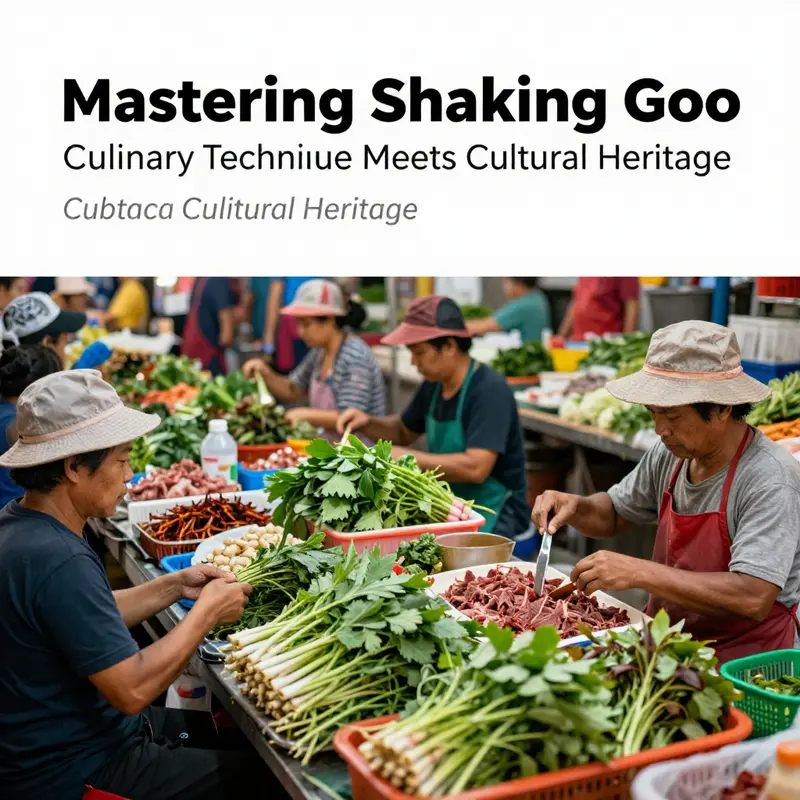
Beyond the plate, the dish holds cultural weight. In Vietnam, it is a flexible crowd-pleaser. Families prepare it for special meals and casual gatherings alike. Restaurants showcase it on menus as both a comfort dish and a gateway for diners seeking familiar textures with distinctly Vietnamese seasoning. The dish has become emblematic of resilience and improvisation in Vietnamese cookery. It demonstrates how a community absorbs foreign techniques and reshapes them using local ingredients and taste preferences. That narrative of adaptation gives bò lúc lắc cultural resonance, especially among Vietnamese diasporic communities where food acts as memory and identity.
Regional and individual variations enrich the dish. In urban centers, cooks often favor a glossier, thicker glaze and tend to serve the beef over rice or alongside salad greens. In home kitchens, simpler versions prevail, with fewer additions and a focus on quick preparation. Spice levels vary regionally; some areas introduce chiles or chili oil for heat. Pickled vegetables sometimes appear as a side, adding acidity and crunch. Different cuts of beef are chosen based on availability and budget, expanding the dish’s accessibility without losing its essence.
In modern kitchens, chefs and home cooks continue to experiment. Some fuse the shaking technique with other proteins. For readers who enjoy exploring beef in new forms, there are complementary recipes that offer different approaches to searing and saucing, such as a robust, chili-forward beef stew that shares the same desire for concentrated flavor. Compare techniques and textures by trying a hearty beef chili recipe, which also emphasizes bold seasoning and meaty satisfaction: steak and beef chili recipe.
The dish also adapts to dietary preferences without losing its defining traits. For a lighter version, leaner cuts and minimal oil reduce richness while preserving sear and speed. Plant-based approaches use firm, textured proteins and shorter cooking times to mimic the exterior caramelization and interior tenderness. Marinade and finishing sauces remain the pillars; they transform the protein beneath and make the dish unmistakably Vietnamese in taste.
Presentation is part of the pleasure. Serve the beef on a bed of warm rice, scatter herbs and thinly sliced onions on top, and place wedges of lime nearby. Let guests unwrap lettuce leaves and create their own bites, or present the beef alongside a composed salad for a plated meal. Small touches — a drizzle of reserved pan sauce, a dusting of cracked black pepper — elevate the dish from home-cooked to restaurant-worthy.
The story of shaking beef is also one of memory and transportability. It travels well from Hanoi family tables to metropolitan dining rooms worldwide. Each iteration retains the core ideals: fast, high-heat cooking; balanced seasoning; tender meat; and a lively finish. Its simplicity invites interpretation, while its technique imposes discipline. That balance explains its enduring appeal.
For those who want deeper context on the dish’s cultural journey and contemporary significance, an insightful recent profile explores how shaking beef has evolved and why it matters. That piece offers additional perspective on how the dish moved from household favorite to culinary symbol: https://www.nationalpost.com/food/this-vietnamese-shaking-beef-offers-something-extra
Within the larger landscape of Vietnamese cuisine, bò lúc lắc occupies a practical and symbolic niche. It is a dish that honors the beef itself, respects quick, precise technique, and showcases how flavor can be concentrated through controlled heat and measured seasoning. Whether plated simply with rice and greens, or reimagined in a modern kitchen, shaking beef continues to tell a succinct story about tradition, adaptation, and the quiet power of technique.
Final thoughts
Shaking beef is more than a dish; it’s a testament to Vietnamese culinary traditions and techniques. By understanding the preparation and cultural significance behind this iconic meal, restaurant owners can provide a unique experience that delights guests and creates lasting connections to the food’s rich background. This dish embodies not just flavor, but a narrative that enriches any dining experience, making it a standout choice for menus worldwide.