
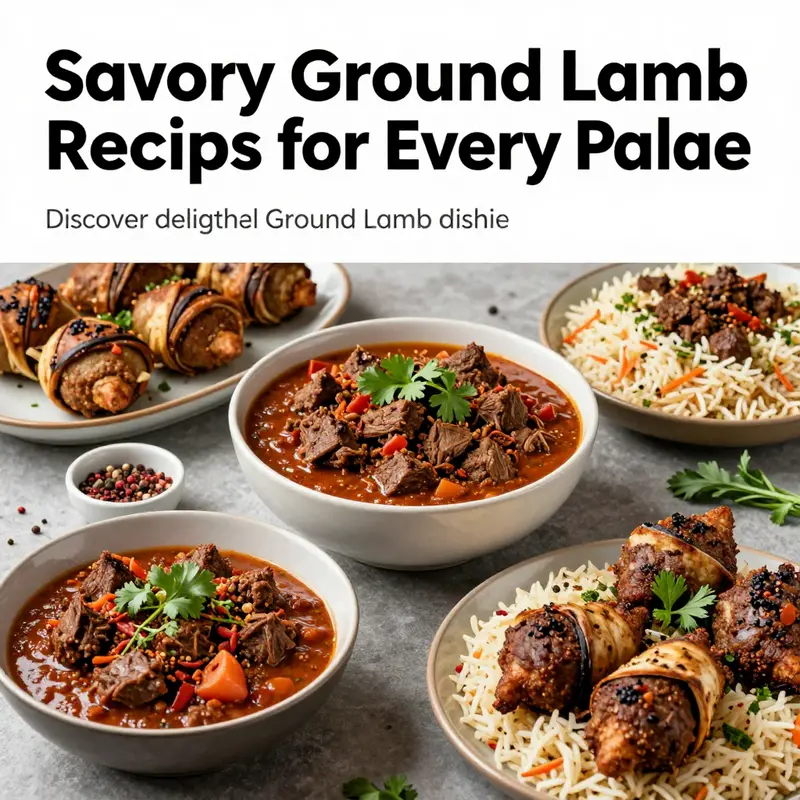
Ground lamb is an increasingly popular ingredient in culinary traditions around the globe, providing a delightful alternative to more common meats like beef and chicken. Rich in flavor, high in quality protein, and packed with essential nutrients like iron, ground lamb is not only delicious but also offers myriad health benefits. For business owners within the food industry, incorporating ground lamb recipes can separate your offerings from competitors and provide unique options that appeal to an adventurous clientele. This article delves into mouthwatering recipes such as Crock Pot Lamb Chili, Mediterranean Lamb Kofta Wraps, and Iranian Lamb Rice, each showcasing the versatility of ground lamb in different cuisines. We aim to empower you with innovative ideas that can elevate your menu and impress your customers.
Slow-Cooker Lamb Chili: Ground Lamb Comforts for Hearty Weeknight Meals
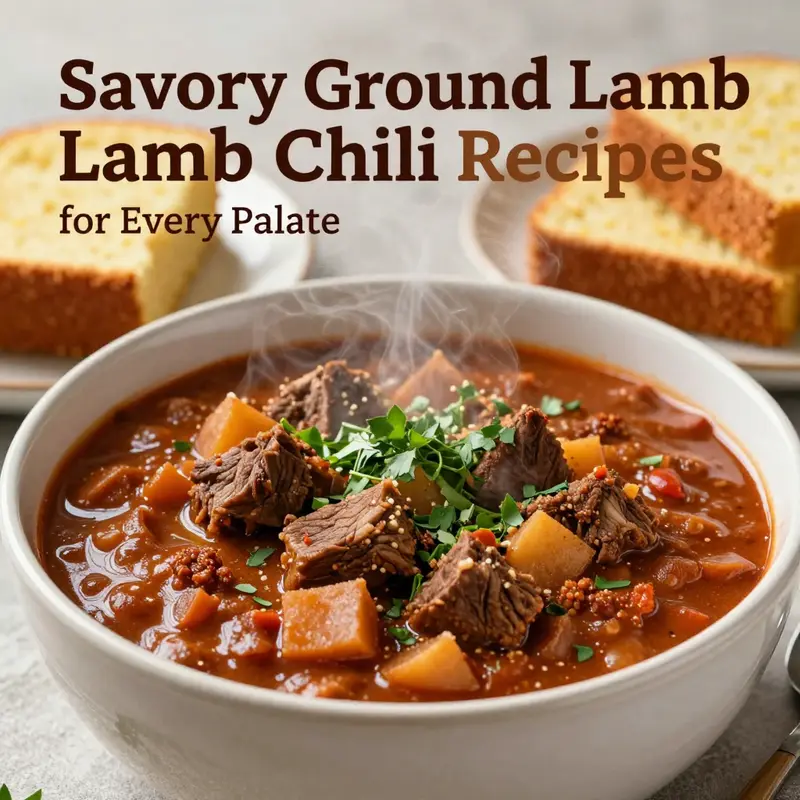
Slow-cooker lamb chili turns ground lamb into a warm, savory centerpiece. Using low heat and time transforms lamb’s bold flavor into a silky, layered chili. This dish asks for little hands-on work and rewards you with deep, complex taste. The method suits weeknight dinners, meal prep, and cold-weather gatherings.
Start with good aromatics. Sauté onions and garlic briefly for sweetness. Browning ground lamb first adds a caramelized crust and richer flavor. Deglaze the pan with a little stock or red wine to lift those flavorful bits. Transfer everything to the slow cooker and add tomatoes, beans, and your chosen spices. Let the chili simmer for four to eight hours, until flavors meld and lamb becomes tender.
The character of lamb chili comes from spice selection. Cumin, smoked paprika, and chili powder provide a warm backbone. A touch of cinnamon or cocoa deepens the savory notes without being sweet. For heat and smoke, add chipotle in adobo or a dried smoked pepper. Fresh herbs like cilantro or flat-leaf parsley, added at the end, brighten and balance the richness.
Beans are optional, but they add texture and fiber. Kidney, pinto, or black-eyed peas work especially well with lamb. If you prefer a thicker chili, puree a portion of the beans or mash some in the pot. Root vegetables such as sweet potatoes make the chili heartier and introduce gentle sweetness that complements lamb.
One advantage of slow cooking lamb is texture. The crock pot breaks down connective tissue in tougher cuts. If you use stewing meat rather than ground lamb, expect a more rustic bite. Ground lamb delivers a faster cook time and is ideal when you want the dish to stay cohesive. For a lighter option, choose a leaner ground lamb and drain excess fat before adding liquids.
Season early and adjust later. Salt draws out moisture and deepens flavor, so a first round at the start is important. Recheck seasoning toward the end, as slow reduction concentrates flavors. Acid brightens rich lamb. Finish with lemon juice or a splash of vinegar to lift the dish right before serving.
Serving suggestions vary with mood. Spoon chili over mashed potatoes for a comfort-food feast. Cornbread, toasted pita, or rice also absorb the sauce nicely. Top bowls with chopped scallions, crumbled feta, or a dollop of yogurt to add tang. For a Mediterranean twist, serve with roasted red peppers or a cucumber salad for contrast.
Slow-cooker lamb chili is a perfect template for variation. Swap in lentils or bulgur for added texture and nutrition. Add winter squash in small cubes for a seasonal spin. For a smoky Greek edge, finish with olives and a sprinkle of fennel seed. These adaptations let you emphasize global flavors while still keeping the dish simple.
Make-ahead is one of this recipe’s strengths. The chili often tastes better the next day, once the flavors have fully married. Refrigerate in an airtight container for up to four days. Freeze portions for up to three months. When reheating, add a splash of stock to restore moisture and soften the texture.
Nutrition is straightforward. Ground lamb provides high-quality protein and iron. Beans add fiber and sustained energy. By controlling the fat content of the lamb and the amount of oil used, you can tailor the dish’s richness. Adding vegetables improves micronutrient balance while stretching servings.
If you enjoy Mediterranean flavor profiles, consider exploring other lamb recipes for inspiration. For more ideas that highlight lamb’s versatility, see this collection of Mediterranean lamb recipes. These can inspire toppings, spice blends, and side dishes that pair beautifully with lamb chili.
Practical tips for success: don’t overfill the slow cooker, as circulation matters. Use low heat for longer when possible; flavors develop better than with a short high-heat cook. Stir once or twice during cooking to ensure even mixing. If the chili is too thin near the end, thicken by uncovering and cooking on high for 30 minutes.
Slow-cooker lamb chili shows how one ingredient can shift a classic into something memorable. Ground lamb introduces a rich, slightly sweet profile that stands up to bold spices. With a few pantry staples and low slow-cooker attention, you can produce a satisfying, layered meal. For more recipe ideas and visual inspiration, browse this Pinterest collection of lamb chili crock pot recipes: https://www.pinterest.com/ideas/lamb-chili-recipe-crock-pot/957556266505/.
Wrapped in Flavor: A Mediterranean Lamb Kofta Wraps Masterclass in Ground-Lamb Cooking
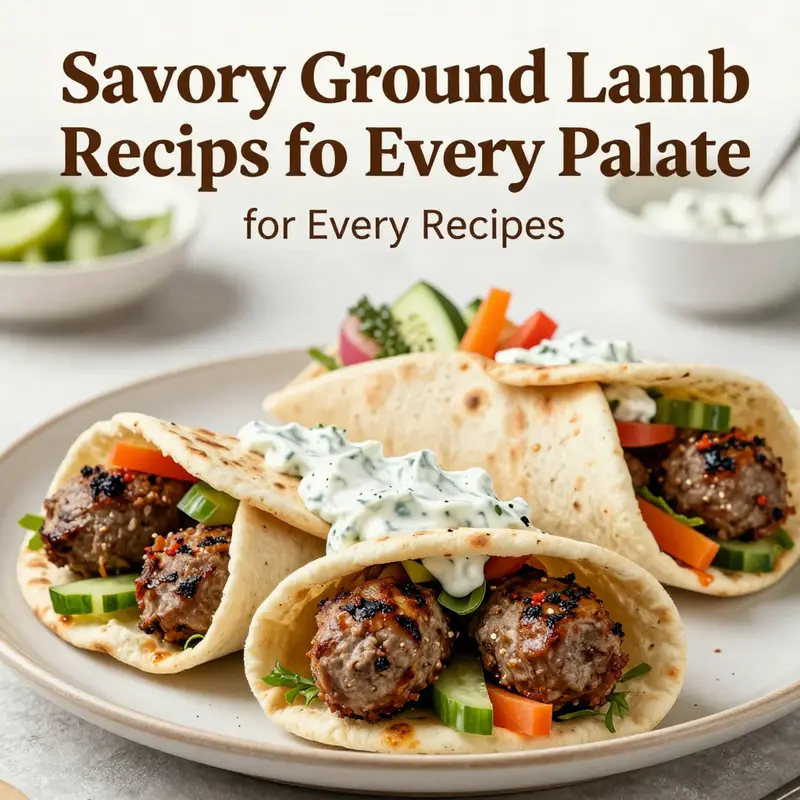
Ground lamb is a storyteller on the stove, a protein that lends itself to a spectrum of textures and spice profiles. In the Mediterranean kofta wraps, that versatility becomes a narrative you can hold in your hand. The meat, finely minced and kept just barely cohesive, carries the warmth of cumin and coriander, the gentle heat of paprika, and a whisper of cinnamon that hints at faraway markets and sunlit afternoons. The balance is not about masking lamb’s natural sweetness but about inviting it to speak more clearly. When minced lamb meets aromatics such as parsley and mint, the dish graduates from simple meat into a fragrant, three-dimensional experience. The kofta here is not a burger patty or a standard meatball; it is elongated and shaped to cling to a skewer or to sit snugly in a pita, allowing the spices to perfume each bite as the bread gives a soft, forgiving cradle for the meat’s juiciness.
The seasoning is the living heart of the preparation. Cumin and coriander anchor the flavor with earthiness, while paprika adds a smoky, ruby note that brightens as it cooks. A touch of cinnamon threads through the mix, bringing a hint of sweetness without tipping into dessert territory. Fresh herbs—parsley and mint—cut through the richness with bright, grassy notes that linger on the palate. The result is meat with depth that feels both rustic and refined, the kind of dish that invites you to lean in and taste the layering rather than seeking a single dominant spice. The structure of the kofta matters too. Light binding with onion and garlic helps cohesion without creating a dense grind. The idea is to keep the mixture loose enough for a juicy bite when cooked, yet firm enough to shape into its traditional oval or oblong form that cooks evenly on a hot surface.
Fresh, vibrant accompaniments are essential to the kofta wrap’s success. Ripe tomatoes in crisp dice, cucumber for a cool snap, and thinly sliced red onions provide a refreshing contrast to the lamb’s warmth. A generous swirl of tzatziki—creamy, tangy, and herbaceous—brings a cooling balance that complements the meat’s spice profile. When these elements come together in a pita, the experience becomes more than just eating; it becomes a sensory journey: the soft bread giving way to a succulent, spice-warmed center, the herbs releasing their oils with each bite, and the tzatziki providing a dairy-soft counterpoint that makes every mouthful feel light and bright even as it satisfies with richness.
Traditional preparation methods bring another layer of authenticity. Many cooks gravitate toward grilling the kofta over charcoal or a hot grill pan to coax a smoky edge that echoes coastal markets and seaside grills. The char is not merely visual; it adds a whisper of complexity that echoes the wood and flame used in traditional Mediterranean cooking. Some cooks also explore variations in bread, where pita is gently warmed and, in some regional interpretations, slowly fermented to achieve a lighter, airier pocket. It’s a reminder that even within a single dish, regional and personal techniques can influence texture and aroma, enriching the overall impression without diluting the core lamb flavors.
Regional variations underscore how a shared technique can morph into distinct traditions. Greek-inspired versions often lean on lemon brightness and oregano, turning the wrap into a sunlit, herb-forward experience. Levantine iterations may lean into sharper notes like sumac or a more pronounced mix of spices, aligning with broader spice palettes found across the eastern Mediterranean. These differences are not contradictions but invitations to taste how a single ground-lamb preparation adapts to local pantry staples and cultural preferences, revealing the adaptability at the heart of this ingredient.
For readers seeking a broader map of related ideas, the hub of Mediterranean lamb recipes offers a natural next stop—a curated collection that expands on the flavors that make kofta wraps sing while preserving the integrity of the meat’s profile. Explore the broader Mediterranean lamb recipes to see how different regions approach lamb with a common curiosity about balance, moisture, and aroma. Mediterranean lamb recipes.
As a serving strategy, kofta wraps shine when you consider texture, temperature, and portioning. Grill marks and a lightly charred exterior give way to a tender interior, while the cool tzatziki and crisp vegetables offer refreshing counterpoints to the meat’s warmth. A generous squeeze of lemon over the finished wrap can brighten the entire plate just before the last bite, lifting the overall impression without overpowering the lamb’s inherent sweetness. This is the essence of good ground-lamb cooking: let the meat’s natural qualities lead the way, season them with restraint and precision, and finish with accompaniments that echo and elevate rather than compete.
In the larger arc of ground-lamb recipes, kofta wraps symbolize a philosophy of cooking that values balance, regional authenticity, and practical technique. They remind us that the Mediterranean kitchen rewards careful seasoning, thoughtful sourcing, and attention to how a dish sits on the plate and in the memory. The wrap embodies a compact, portable celebration of meat that can be prepared ahead for meals, yet still feels freshly cooked at the moment of assembly. It is a dish that travels well—from weeknight dinners to casual gatherings—because it respects both tradition and the everyday appetite for something vibrant and comforting at once. For a detailed, tested rendition, many cooks turn to trusted guides and seasoned interpretations that echo the spirit of these wraps and the larger family of ground-lamb dishes.
External resource: https://www.bbcgoodfood.com/recipes/mediterranean-lamb-kofta-wraps
Saffron, Tahdig, and Ground Lamb: Reimagining Iranian Lamb Rice Classics
Bringing Iranian Lamb and Rice to Your Ground Lamb Repertoire
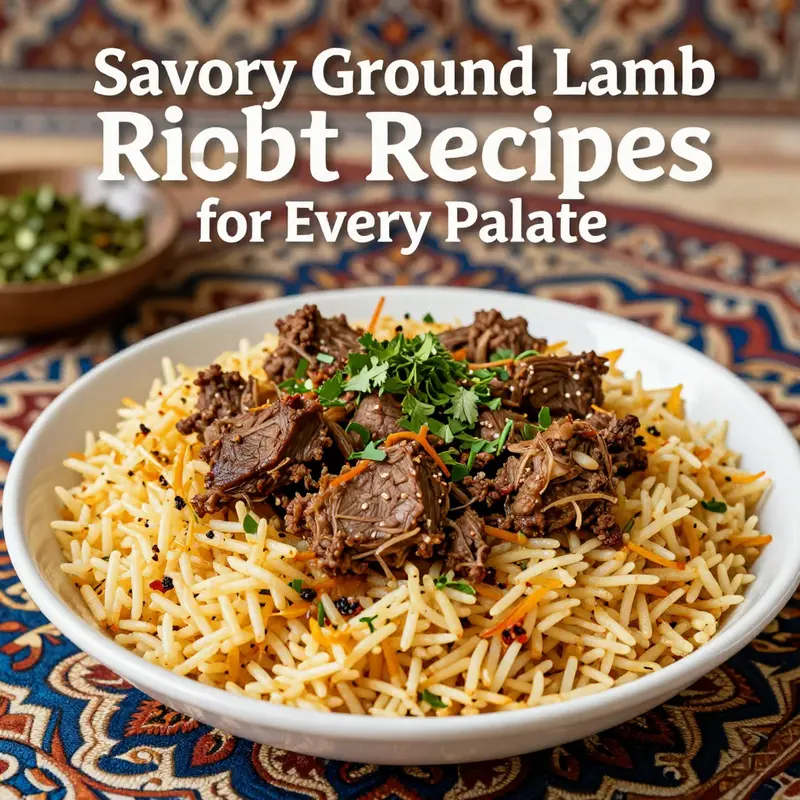
Iranian lamb-and-rice dishes celebrate contrasts: the velvet of slow-cooked meat, the lift of fresh herbs, the crunch of tahdig. These contrasts translate beautifully when you use ground lamb. Ground meat shortens cooking time and absorbs spices quickly, while still honoring the aromatic profile of Persian classics. This chapter shows how to adapt traditional techniques and flavors for ground lamb, and how to layer textures and tastes to produce a satisfying, authentic-feeling meal.
Start with the flavor base. Toasted turmeric, warm cumin, a whisper of cinnamon, and the floral lift of saffron form the backbone. Ground lamb benefits from bold aromatics because its texture is denser than chunks of shoulder or leg. Finely diced onion and plenty of garlic are non-negotiable. Sweat them slowly until translucent to coax out sweetness. Add ground lamb and break it up gently. Browning in stages develops depth and leaves behind fond for deglazing with a splash of stock or water.
Herbs are essential. Persian rice dishes rely on parsley, cilantro, and scallions to brighten the food. For a khoresh-style adaptation using ground lamb, fold a generous amount of chopped herbs into the cooked meat. This keeps the lamb juicy and provides contrast against rice. Consider adding chopped spinach or chard for color and a hint of earthiness. If you want the distinct sour note common in Persian stews, include dried limes, a teaspoon of tamarind paste, or a squeeze of lemon during the final simmer.
Grains and texture deserve attention. Traditional recipes sometimes use barley or lentils alongside rice. When using ground lamb, a mix of long-grain basmati rice with a small portion of pearl barley or brown rice yields interest in each bite. Parboil the rice until slightly al dente, then layer it above the lamb mixture in a pot. The layered steaming method concentrates flavors while producing the treasured tahdig, a crisped bottom crust. To encourage tahdig, coat the base with a thin layer of oil or butter, a few tablespoons of yogurt for tang and tenderness, and a sprinkle of crushed saffron mixed with a little hot water.
Spices and seasoning should be balanced carefully. Ground lamb carries more fat than lean cuts, so seasoning must cut through without overwhelming. Salt early but adjust later. Add ground turmeric and cumin during browning. Use ground cinnamon and a touch of ground cloves sparingly to echo classic Persian notes. Saffron is the headline. Bloom a generous pinch in a tablespoon or two of hot water and drizzle a portion into the rice before steaming. Reserve some saffron water to fold into the lamb for harmony.
Cooking method suggestions emphasize control. For a quick weekday version, braise the browned ground lamb in a shallow pan with stock and aromatics for 20–30 minutes. Add beans or lentils early if using. Finish with the herb mix and a bright acidic element. For a festive approach that mimics longer stews, assemble the browned lamb and parboiled rice in layers in a heavy-bottomed pot and steam on low for 45–60 minutes to allow flavors to marry and tahdig to form.
Serving is part of the ritual. Present the rice mound with the tahdig revealed, and spoon the herb-studded ground lamb over the top. Garnish with fried onions, toasted slivered almonds, or barberries for a tart pop. Offer plain yogurt or a cool cucumber-yogurt sauce on the side to balance richness. These dishes pair well with simple salads of cucumber, tomato, and fresh herbs.
Adaptations invite creativity. Transform the lamb mixture into meatballs and nestle them into the rice before steaming for a kebab-inspired presentation. Swap pearl barley for lentils to deepen the texture. Add roasted eggplant and pomegranate molasses for a richer, tangy profile. Ground lamb burgers can borrow the same spices and saffron oil for an Iranian twist on a grill favorite.
Practical tips for home cooks reduce risk. Choose 80/20 ground lamb for flavor and moistness. If fat content is higher, briefly render excess and drain before adding spices. Rinse basmati rice until the water runs clear to avoid gummy grains. Bloom saffron in hot water for the most fragrant infusion. Give the tahdig time and a low flame; hurry causes burning rather than crisping.
Using ground lamb in Iranian rice dishes offers accessibility without sacrificing authenticity. You preserve the cuisine’s key elements—saffron, herbs, slow flavors—and gain quicker preparation. For inspiration that bridges regional lamb techniques, see these broader Mediterranean lamb ideas in this curated collection on Mediterranean lamb recipes.
For a reliable, detailed recipe and technique notes on a classic lamb-and-barley rice dish, consult this authoritative guide from BBC Good Food: https://www.bbcgoodfood.com/recipes/persian-lamb-and-barley-rice
Final thoughts
Incorporating ground lamb recipes into your offerings can significantly enhance your culinary repertoire and draw in customers seeking unique dining experiences. The versatility of ground lamb, whether it’s in a slow-cooked chili, a fresh Mediterranean wrap, or a fragrant Iranian rice dish, allows for diverse flavor profiles that can cater to various tastes. By embracing these recipes, business owners can not only delight their patrons with delicious meals but also position their establishments as innovative and adventurous dining destinations.