
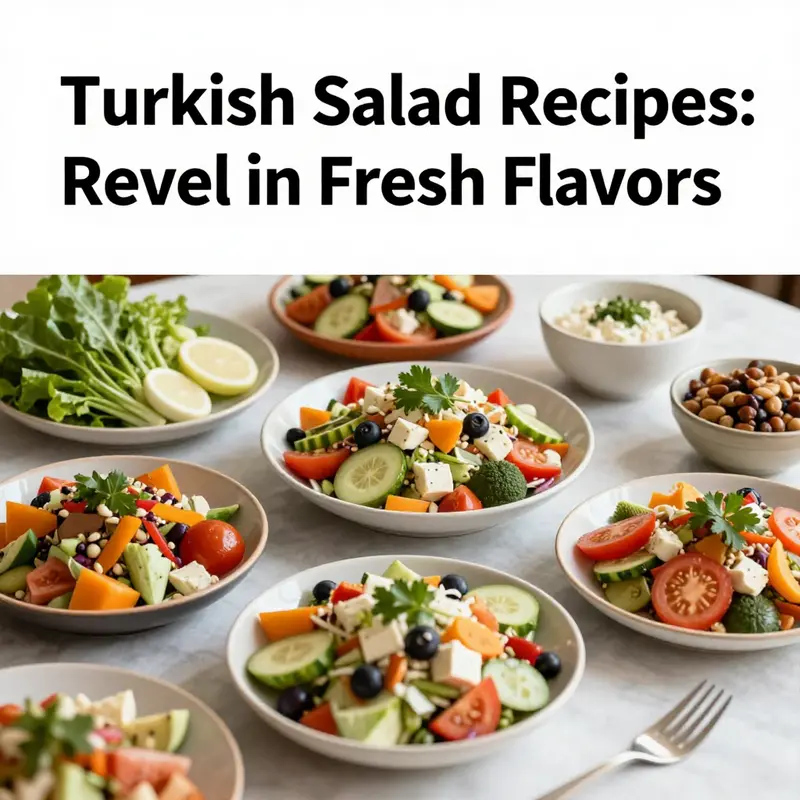
Turkish salad recipes encapsulate the heart of Turkey’s culinary culture, highlighting fresh and vibrant ingredients that reflect seasonal availability. Business owners in the food industry can find inspiration in the authenticity and diversity of these salads, which serve not only as individual dishes but also as communal experiences. In the following chapters, we will delve into the beloved Çoban Salatası and explore the hearty variations of Turkish salads, including the classic Egg and Potato Salad, showcasing how these recipes can enrich your menu and reinforce connections amongst diners.
Çoban Salatası — Turkey’s Quintessential Shepherd’s Salad: A Guide to Freshness and Balance
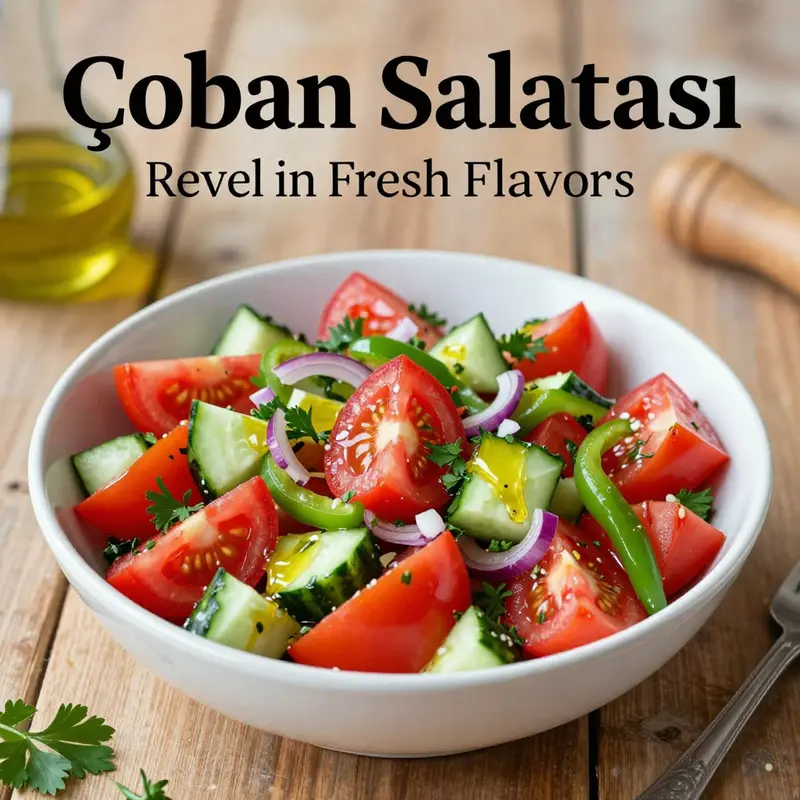
Çoban Salatası as a Living Recipe
Çoban Salatası, often called the Shepherd’s Salad, is a lesson in restraint and clarity. It proves how a handful of excellent ingredients can produce a dish with depth, brightness, and irresistible texture. The salad reads like a summer manifesto: sun-ripened tomatoes, cool cucumbers, sharp onion, and the soft, grassy bite of parsley. A ribbon of olive oil and a squeeze of lemon finish the dish. That simplicity is its strength. The salad doesn’t try to hide flavors; it frames them.
In Turkey this salad appears alongside grilled meats, follows home-cooked stews, and anchors meze spreads. It is common on picnic blankets and on dinner tables where family and friends gather. The name evokes the countryside and a shepherd’s quick, practical meal assembled from what was on hand. Yet, because the components sing when they are fresh, Çoban Salatası also finds its place in more deliberate meals. It can be a side, a palette cleanser, or the bright counterpoint to richer dishes.
Start with vegetables that feel alive. Tomatoes should be fragrant and yielding, not mealy. Choose cucumbers with firm skin and seeds that haven’t swollen. If you use local produce in season, the salad becomes markedly better. Red onion adds bite; soak it briefly in cold water if you prefer a milder note. A mild green pepper is optional but welcome for crunch and a faint peppery sweetness. Parsley is the herb of choice, chopped fine and scattered in a way that brings freshness without taking over.
The dressing is intentionally humble: extra virgin olive oil, fresh lemon juice, salt, and black pepper. The goal is balance. Too much oil mutes the acidity. Too much lemon bites into the vegetables. A good ratio to begin with is about three parts olive oil to one part lemon juice. Taste and adjust. If your tomatoes are especially sweet, add more lemon. If your lemons are pale, reach for a splash of vinegar instead. Avoid heavy or creamy dressings that mask the salad’s crispness.
Texture matters. Aim for uniform, bite-sized pieces so every forkful contains tomato, cucumber, and onion. Dice tomatoes and cucumbers into similar-sized cubes. Finely slice the onion so its flavor disperses without dominating. Toss the vegetables gently but thoroughly in the dressing so every surface gleams. Letting the salad rest for ten minutes softens the edges and melds the flavors slightly, but do not let it sit for hours. The vegetables should remain lively.
Variations across Turkey show how adaptable the salad is. In coastal areas people may add a scattering of feta or beyaz peynir for salt and creaminess. Some recipes call for a pinch of sumac for a tangy, citrus-like note. A few regions include chopped mint for a cooling lift. These changes keep the spirit of Çoban Salatası intact while introducing local character. When serving alongside smoked, grilled, or roasted proteins, a small addition of crumbled cheese or olives can create a pleasant bridge between salad and main dish.
Use Çoban Salatası as a framework for pairing. It works beautifully with lamb chops, grilled fish, and charred vegetables. It also cuts through heavier stews. On a warm evening, set a platter of succulent kebabs beside a bowl of this salad, and the contrast will brighten every bite. For seasonal inspiration and menu ideas that emphasize fresh plates like this salad, explore curated collections of summer dinner recipes to build balanced meals around it. The salad’s acidity and crunch help tame rich flavors and refresh the palate.
Practical tips make the preparation quicker and more reliable. Salt the salad just before serving; salting early draws juices and can make the salad watery. If you prep any ingredients ahead, keep them separate and assemble at the last minute. Use a shallow bowl or plate to present the salad; the wider surface area helps the dressing spread evenly. For a prettier plate, scoop the salad into a ring mold then scatter parsley on top. Serve with good crusty bread to soak up any leftover dressing.
Storage is straightforward but limited. Because the vegetables release moisture, the salad is best eaten within a few hours. If storing, keep it refrigerated and expect some loss of crunch. You can store the dressing separately for a day or two. If you want to scale the salad for a gathering, double the vegetables but prepare the dressing in proportion and add it gradually while tasting.
Respecting seasonality elevates the dish. In spring, use early tomatoes and tender cucumbers for a delicate version. In peak summer, when tomatoes are at their most aromatic, the salad can stand up to more assertive dressings and accompaniments. In cooler months, though fresh tomatoes may be less flavorful, choose vine-ripened varieties or consider mixing in roasted peppers to add depth.
Cultural notes remind us the salad is more than food. In Turkey meals are communal, and shared plates promote conversation as much as nourishment. Çoban Salatası fits this social grammar perfectly. It is easy to prepare for a crowd, adaptable to different ingredients, and forgiving if quantities vary. It encourages tasting, sharing, and returning for another forkful.
A few finishing touches can transform the familiar into the memorable. Use a grinder to freshly crack black pepper over the top. Drizzle a tablespoon of very good olive oil just before serving for an aromatic lift. Add a light shower of sumac or a few torn mint leaves for complexity. Keep additions minimal. The salad’s charm lies in its restraint.
Çoban Salatası teaches a core principle for all turkey salad recipes: treat each ingredient with respect. Choose produce at its peak, season carefully, and aim for harmony among textures. Whether you serve it as a cooling side or as part of a broader meze spread, the salad offers refreshment, color, and clarity.
For a tested, step-by-step version to follow in your kitchen, see this reliable guide: Turkish Shepherd’s Salad – BBC Good Food.
Robust Turkish-Inspired Turkey Salads: Hearty Egg-and-Potato Journeys and the Shared Table
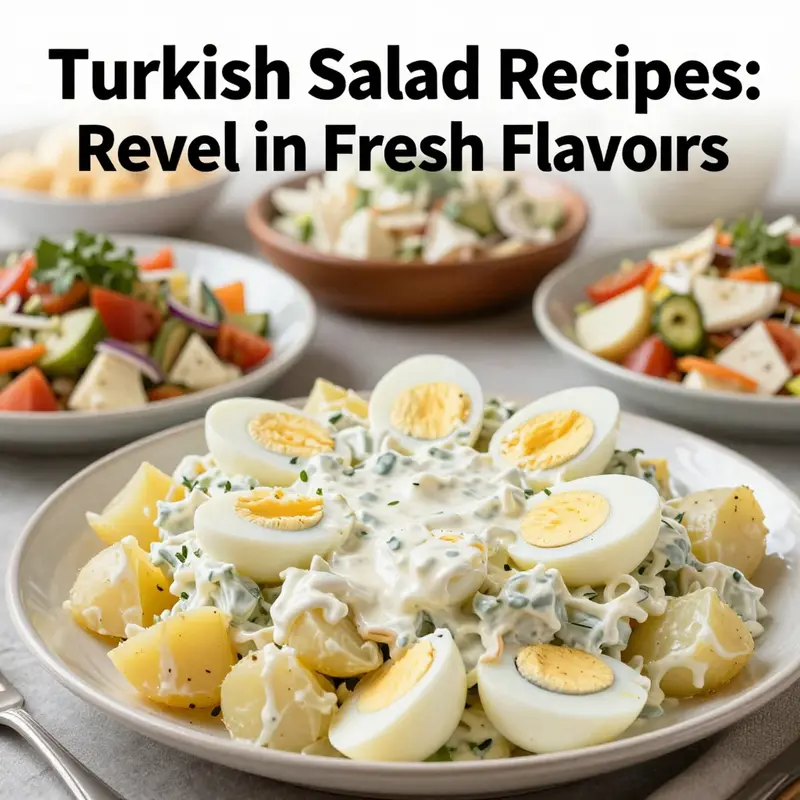
In Turkish kitchens, salads are not merely a bright counterpoint to heavier dishes; they are an everyday philosophy of balance, seasonality, and generosity at the table. Fresh vegetables and herbs shine, yet the palate is not averse to heartier notes that nourish as much as they refresh. When the conversation turns to turkey, the conversation often stays practical and satisfying: how to transform lean proteins into meals that feel complete, comforting, and capable of feeding a crowd. The result is a continuum where light vegetable-forward salads sit alongside substantial, warm preparations that pair ground turkey with potatoes or eggs. This is not a departure from the Turkish salad tradition so much as an expansion of it, a respectful adaptation that preserves the core values—quality ingredients, thoughtful seasoning, and a sense of communal eating—while welcoming a broader repertoire of textures and temperatures. The heart of these variations lies in letting turkey do the heavy lifting, then pairing it with elements that bring structure, warmth, and a touch of nostalgia to the plate.
Consider first the Hearty Ground Turkey and Potato Bake, a casserole-style dish that exploits the connective tissue between a traditional pie and a robust Turkish kitchen staple. In this approach, browned ground turkey forms the savory backbone, its flavor deepened by sautéed onions and garlic and lifted by bell peppers that offer bright color and a subtle sweetness. Potatoes, either boiled to tenderness or roasted to a honeyed edge, are folded in with chopped herbs—parsley and oregano for their Mediterranean lift—and a binding sauce. The sauce might lean tomato-based, its acidity bright but not sharp, or it can lean creamier, where a gentle embrace of dairy or dairy-like binder coats each piece. The magic happens as the dish weds a one-pan practicality with the generosity of a home-cooked meal: the potatoes thicken and carry the sauce, the turkey stays juicy, and the surface develops a golden kiss from the oven that invites a scoop with crusty bread. This bake is not merely a dish; it is a shared moment, something to portion out for a family dinner or a potluck where everyone brings a memory of comfort along with their appetite. Its texture plays off the softness of potato and the slight chew of ground turkey, while aromatics—garlic, onion, perhaps a hint of paprika or black pepper—provide a lingering warmth that can carry into late autumn or winter evenings when the table feels especially hospitable.
If the oven-baked approach feels too anchored to cooler seasons, the Hearty Ground Turkey and Sweet Potato Skillet offers a parallel path that remains deeply Turkish in its sense of savor and homey practicality. Here, browned ground turkey meets cubes of sweet potato, a nod to the kitchen’s fondness for caramelization and the way the starches absorb the savory pan juices. The skillet is a canvas for aromatics—onions softened to a translucent sweetness, garlic releasing its perfume, and peppers offering a counterpoint of brightness. Warming spices—smoked paprika for a gentle heat, cumin for earthiness, perhaps a pinch of coriander—layer into the mix, echoing regional flavors while staying adaptable to various pantry profiles. The beauty of a one-pan skillet is how it concentrates flavor without compromising texture; the potatoes develop a crust at the edges while the turkey remains juicy and the vegetables stay bite-friendly. A finish of fresh lime or lemon juice brightens the dish, while herbs such as cilantro or flat-leaf parsley tie the flavors back to the Turkish preference for green, fresh notes. Sweet potato’s natural sweetness is not tamed but tempered by these spices, creating a dish that feels both rustic and refined—a modern comfort dish fit for a weeknight and a celebration alike.
Yet the heart of the concept extends beyond these warm, skillet-based or baked variations. The Egg and Potato Salad, while not always categorized as a turkey salad in the strictest sense, sits at the intersection of comforting tradition and protein-forward nutrition. Boiled potatoes and hard-cooked eggs bring a familiar, family-friendly texture, and the dressing—creamy, tangy, or a bright vinaigrette—grounds the dish in a culinary space where Turkish cooks often flirt with European influences. This salad becomes more than a side; it is a practical, adaptable centerpiece that can anchor a lighter lunch, accompany grilled meats, or stand in for a sandwich filling when bread is scarce. Its versatility invites a chorus of additions: dill or chives for herbaceous lift, pickles for a citrusy bite, capers for a sharp saltiness, or smoked fish for a Mediterranean flair. In this way, the Egg and Potato Salad embodies a philosophy that Turkish cuisine shares with many culinary traditions—that simple ingredients, prepared with care and balanced with the right echoes of acidity, fat, and salt, can become deeply satisfying meals.
The warmth of these heartier preparations does not erase the traditional Turkish salad’s emphasis on freshness. In fact, the two poles—bright raw vegetables and robust, cooked combinations—coexist gracefully at the table. A plate of Çoban Salatası with sun-ripened tomatoes, cucumbers, peppers, onions, and a simple, generous drizzle of olive oil and lemon juice sits alongside a comforting bake or skillet, inviting diners to choose their preferred texture and temperature. Across a seasonal arc, this pairing reveals a culinary culture comfortable with contrast: crisp greens and juicy tomatoes, the smooth creaminess of an egg-based dressing, and the satisfying chew of potatoes. The sociocultural message is clear—sharing meals is an act of care, and versatility is a sign of hospitality. In a nation where gatherings may center on large tables and long conversations, such dishes support a spectrum of appetites and occasions, from casual family dinners to more formal suppers during holiday times.
Texture, temperature, and technique become the language by which these dishes converse with Turkish foodways. The bake and the skillet demand a certain confidence with heat: ground turkey should brown richly, not gray; potatoes must hold their shape while soaking up flavor; herbs and spices should resonate without overpowering. The Egg and Potato Salad asks for restraint and balance: the potato should be fork-tender, the egg yolk creamy but not runny, the dressing glossy and well emulsified. In both lines of recipes, the quality of ingredients matters as much as technique. Waxy potatoes keep their structure in salads; Yukon Golds or similar varieties lend a buttery texture and hold up well against heartier dressings. Leafy or crisp vegetables, when folded into a serving, preserve a note of brightness that keeps the dish from tipping too far into heaviness. In Turkish households, these choices are often guided by seasonal availability—the bright brightness of spring herbs, the earthy sweetness of autumn root vegetables, or the comforting starchiness of winter staples—ensuring each preparation feels rooted in the present moment as well as in tradition.
An important thread running through these variations is their shared purpose: to provide nourishment with minimal fuss, to invite conversation with a single, well-composed dish, and to honor the value of community around the table. The ground turkey-based preparations demonstrate how lean protein can anchor a heartier meal without resorting to heavy sauces. They offer the flexibility to adjust for dietary preferences or ingredient access, whether by swapping peppers for zucchini, choosing a tomato-based or a cream-based sauce, or adding a sharper finish with lemon and herbs. In a culinary landscape where salads can sometimes be too spartan or too indulgent, these Turkish-inspired, protein-forward compositions strike a balance. They remind us that a well-made turkey salad can be substantial enough to stand on its own, while still playing the role of a bright side in a larger, festive spread.
For readers who want to explore further how ground turkey can be woven into comforting, culturally resonant dishes, these approaches sit alongside other comforting uses of ground turkey in the collection of Ground Turkey and Rice Recipes. This broader family of recipes demonstrates how texture and temperature shifts—whether through a bake, a skillet, or a cool salad—offer a versatile toolkit for shaping meals that feel local yet contemporary. The goal is not merely to fill a plate but to tell a story about how simple ingredients—turkey, potatoes, eggs, herbs, and spices—work in harmony to create something greater than the sum of their parts. The chapter invites home cooks to experiment with the idea of heartiness within the context of Turkish flavors: to toast cumin until it sings, to let lemon juice brighten the richness, to balance the earthiness of potatoes with the freshness of onions and herbs, and to savor the way a shared dish can turn a routine meal into a memory.
Final thoughts
The richness of Turkish salad recipes is a testament to the importance of fresh, seasonal ingredients in creating not just meals, but experiences that foster community. Exploring salads like Çoban Salatası and hearty variations such as Egg and Potato Salad can elevate your culinary offerings, encouraging patrons to savor and share. By integrating these recipes into your menu, you not only enhance nutritional options but also embrace a cultural narrative that resonates deeply with diners, inviting them to partake in the vibrant tapestry of Turkish culinary tradition.