
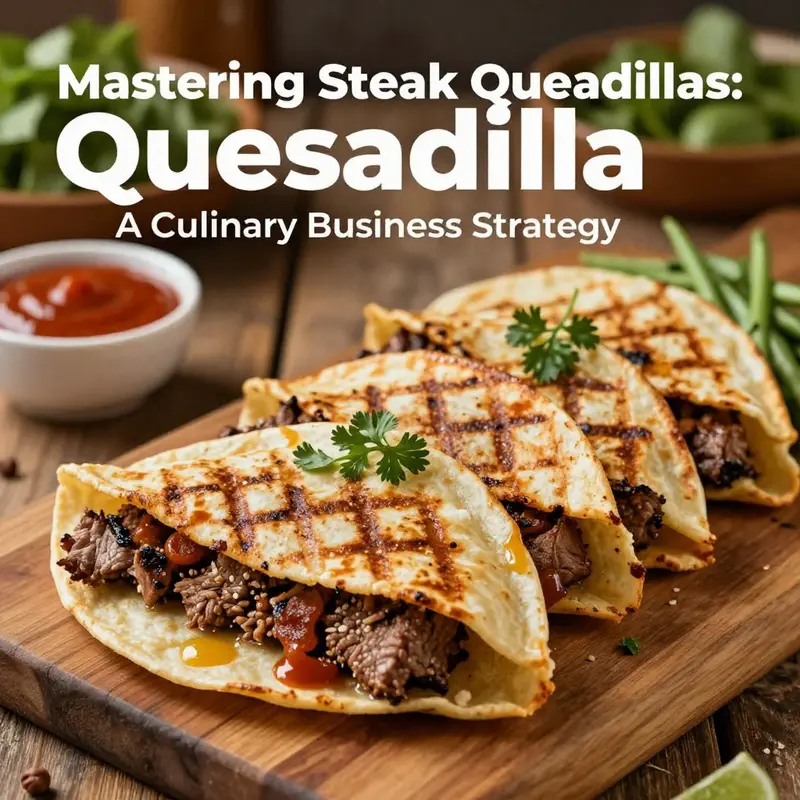
In the competitive landscape of the culinary business, offering standout dishes can significantly impact customer satisfaction and retention. Among various enticing options, steak quesadillas provide an exciting opportunity for restaurants and food entrepreneurs. These flavorful creations blend the rich, savory taste of expertly seasoned steak with the comforting appeal of melted cheese and warm tortillas. This article delves into three critical aspects of steak quesadillas: understanding their key ingredients and preparation methods, exploring effective cooking techniques, and uncovering the flavor dynamics that make these quesadillas irresistible. Each chapter is designed to enhance your knowledge and cooking skills, enabling you to elevate your culinary business offerings.
Building Perfect Steak Quesadillas: Ingredients, Seasoning, and Prep Techniques
Ingredients and Preparation: the Heart of a Great Steak Quesadilla
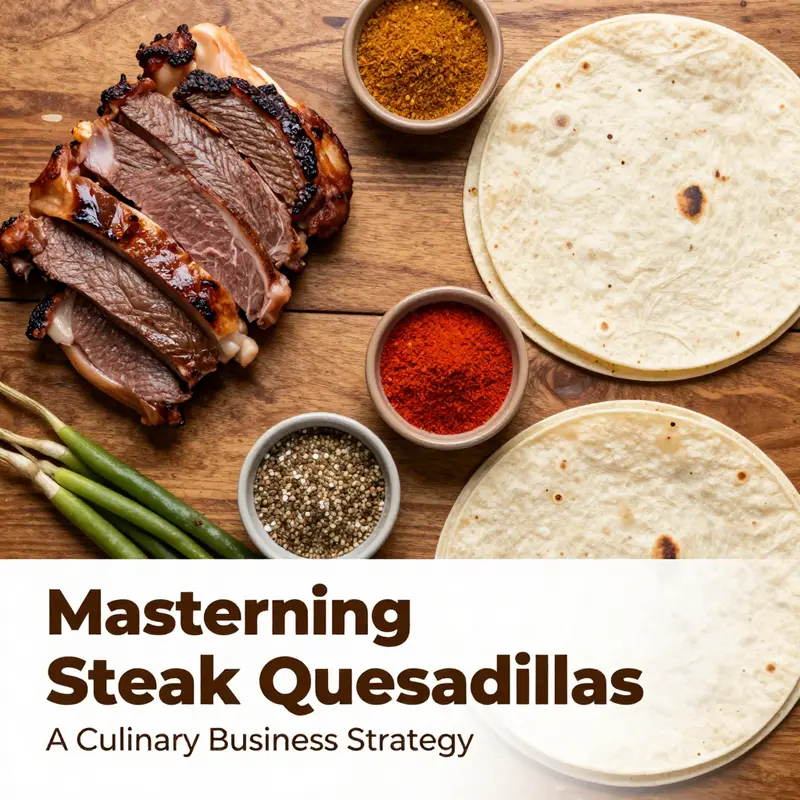
A standout steak quesadilla begins with decisions made before the pan heats up. Choose good meat, pair it with the right cheeses, and embrace bold seasoning. These choices shape texture, melt, and flavor. The technique that follows turns those raw parts into a cohesive, craveable whole.
Start with the protein. Skirt, flank, and ribeye are the common choices. Skirt and flank have robust grain and bold flavor. Ribeye brings extra fat for richness. Slice the steak thin and always cut against the grain. That simple step keeps every bite tender. For the recipe proportions, 1.5 pounds serves four generously when combined with cheese and tortillas.
Marinating is about more than time in a bowl. Olive oil carries spices into the meat and helps develop a caramelized crust during searing. A bold spice mix is essential. Think chili powder, ground cumin, smoked paprika for depth, garlic and onion powders, and a touch of cayenne for heat. Salt and freshly ground black pepper are non-negotiable. Toss the strips evenly in oil and spices and let them rest at least 15 minutes. If you refrigerate, allow extra time to come back toward room temperature before searing.
The cheese matters. Monterey Jack melts beautifully and stays mild. Oaxaca offers stringy texture and authenticity. Blending these two gives you meltability and mouthfeel that single cheeses rarely match. A cup and a half to two cups of shredded cheese balances 8-inch to 10-inch flour tortillas without making the quesadilla floppy.
Tortilla choice affects crunch and heft. Large flour tortillas crisp evenly and fold reliably. Heat transforms a soft disk into a golden, crackling shell that contrasts with the tender steak. Use fresh, pliable tortillas and warm them briefly before assembly if they feel stiff. That prevents tearing when you flip.
Optional fillings add dimension but should not compete with the steak. Sautéed bell peppers and onions bring sweetness and color. Mushrooms add earthiness. Pickled jalapeños and a splash of their brine inject tang and brightness. Fresh cilantro scattered at the end refreshes the palate. Keep additions measured so cheese and steak remain the focus.
Technique begins with heat. High heat sears meat quickly, locking juices while building Maillard crusts. Use a heavy skillet or griddle and get it smoking hot before adding steak. Work in batches to avoid crowding. Two to three minutes per side is enough for medium-rare to medium, depending on thickness. Remove the steak and let it rest briefly; resting redistributes juices and prevents a soggy quesadilla.
Vegetables, if used, are best sautéed in the same pan after the steak. They pick up fond—the browned bits at the bottom of the skillet—and gain concentrated flavor. Cook peppers and onions until softened and slightly caramelized. This step takes five to seven minutes and produces sweetness that contrasts the savory beef.
Assembly is simple but precise. Lay one tortilla flat and sprinkle cheese evenly to the edges. Cheese forms the glue that holds the layers. Top with a thin layer of sliced steak, add vegetables sparingly, then another light shower of cheese. Cap with the second tortilla. The extra cheese on top of the filling helps both bind and brown.
Griddling is not a passive stage. Melt a tablespoon of butter or a splash of oil in a clean skillet over medium heat. Place the assembled quesadilla and press gently with a spatula. Pressing ensures even contact and accelerates melting. Cook three to four minutes per side until both tortillas are golden and the cheese is fully melted. Flip carefully; a wide spatula and steady motion prevent spills.
Timing affects texture. Let cooked quesadillas rest for a minute before cutting. That brief pause prevents cheese from running out and keeps wedges intact. Slice into two or three diagonal pieces for easy handling. Serve immediately with simple accompaniments: guacamole for cream, pico de gallo for acidity, and lime wedges for brightness. Sour cream or a dollop of crema adds cool contrast.
Seasoning inside the quesadilla is what separates memorable bites from forgettable ones. Because quesadillas often travel light on condiments, the filling must be bold. Use a balanced spice mix, but adjust heat to taste. Taste and tweak the mix on a spoonful of cooked steak before committing to a full batch.
Small technique choices yield big rewards. Let meat rest after cooking. Slice thinly against the grain. Keep the skillet hot for searing but moderate heat when griddling to avoid burning the tortilla before the cheese melts. Use a cheese blend to marry melt and texture. And remember that the tortilla’s crispness is as important as the steak’s seasoning.
If you want to explore other beef-forward dishes that pair well with quesadilla night, consider hearty recipes like a classic steak and beef chili. That recipe offers complementary flavors and can inspire your spice choices for the quesadillas: https://meatrecipesblog.com/steak-and-beef-chili-recipe/.
These preparation choices transform a simple idea into a restaurant-quality meal. Careful seasoning, high heat for searing, a judicious cheese blend, and mindful assembly produce quesadillas with crisp exteriors, molten interiors, and evenly seasoned steak in every bite. For a close reference and additional technique notes, see this vetted guide on steak quesadilla technique: https://www.thekitchn.com/steak-quesadilla-recipe-279858.
Mastering Heat and Layering: Techniques for Restaurant-Quality Steak Quesadillas
Mastering Heat and Layering: Techniques for Restaurant-Quality Steak Quesadillas
The difference between a good quesadilla and a restaurant-quality steak quesadilla lives in technique more than in exotic ingredients. Choose the right steak, build a bold seasoning profile, control the heat, and assemble with restraint. When these elements come together, the result is a golden, crisp exterior and a molten, well-seasoned interior that tastes far more complex than the sum of its parts.
Begin with ingredient selection. A thin, well-marbled cut—skirt, flank, or ribeye—gives flavor and tenderness when sliced thin against the grain. Freshly shredded cheese matters; a blend of Monterey Jack and Oaxaca melts smoothly and strings satisfyingly. Use fresh flour tortillas sized 8–10 inches; they need to be pliable enough to fold and strong enough to hold fillings without tearing. Each choice reduces friction during cooking and maximizes flavor payoff.
Seasoning is not an optional flourish. It is foundational. A simple dry rub of salt, pepper, garlic powder, onion powder and a touch of smoked paprika creates a savory backbone. Apply this seasoning at least 15 minutes before cooking. If time allows, refrigerating overnight gives the spices real depth. The goal is not to mask the beef, but to let spices penetrate the meat and form a fragrant crust during searing. Underseasoned steak will make every bite feel thin, regardless of the tortilla or cheese.
Marination and resting are distinct steps. A light oil-based marinade helps the spices adhere and promotes even browning on the pan. Letting the steak rest briefly off the heat after searing allows juices to redistribute. That rest preserves juiciness when you slice the meat into thin strips for the filling. Slice against the grain so each bite pulls apart cleanly, and the texture remains tender rather than stringy.
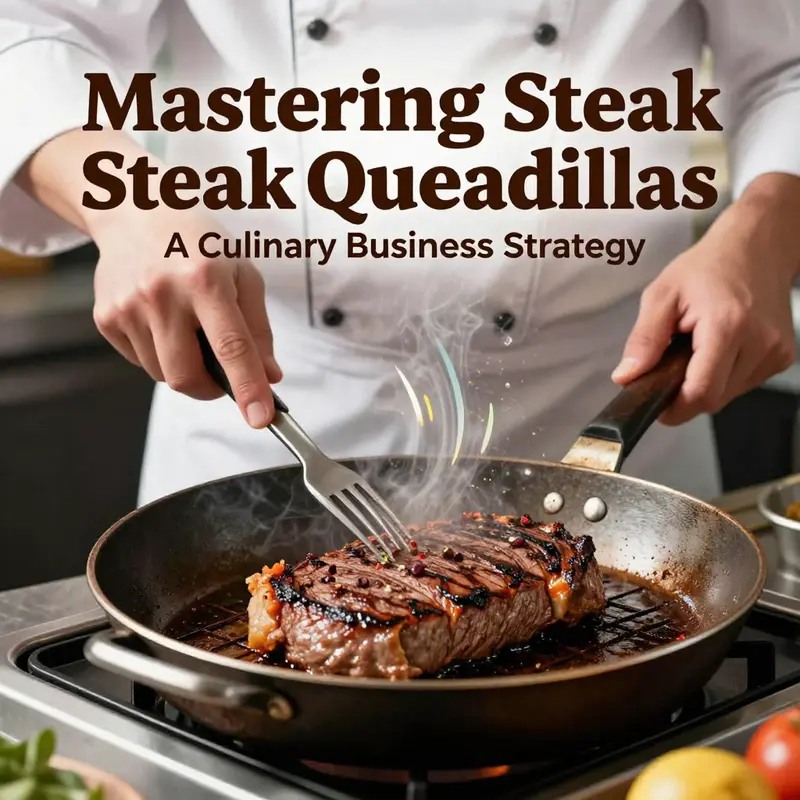
High heat is non-negotiable. Use a heavy skillet—cast iron or thick stainless steel—for even heat distribution. Heat the pan until it radiates dry heat; a very hot surface triggers the Maillard reaction, creating that dark, savory crust in two to three minutes per side. Work in batches to avoid overcrowding the pan. Overcrowding drops the pan temperature, steaming the meat instead of searing it, and you lose both texture and flavor.
Sear with intention. Pat the steak dry before it hits the pan to prevent excess steam. Add oil with a high smoke point, swirl to coat, then lay the steak away from you to avoid splatter. Resist constant flipping; let one side develop color before flipping to the other. Remove seared pieces to a sheet pan and let them rest five minutes before slicing. This short rest keeps juices from running immediately into the quesadilla and ensures the filling stays cohesive.
Sautéed vegetables should be treated separately. If you use peppers, onions, or mushrooms, cook them until they begin to caramelize. That subtle sweetness contrasts the smoky steak and melted cheese. Keep vegetable pieces modest in size; large chunks create cold pockets and uneven texture inside the tortilla.
Assembly is strategic, not creative chaos. Too much filling makes a soggy, hard-to-flip disc. Layer in this order for best results: tortilla, cheese, steak strips, vegetables, more cheese, then top tortilla. Placing a thin layer of cheese on both the bottom and top tortillas helps bind the quesadilla. Cheese against the skillet forms a glue-like seal that prevents fillings from escaping and encourages even melting.
Griddle technique is simple but precise. Preheat the skillet over medium heat for tortilla grilling; too hot and the exterior will burn before the cheese melts, too cool and the tortilla will go limp. Place the assembled quesadilla in the pan and press gently with a spatula. Cook until the underside is golden and crisp, about two to four minutes. Flip carefully with a wide spatula; if the quesadilla resists, give it a few more seconds. Press again to ensure full contact and help the cheese finish melting.
A gentle press is an important, often overlooked step. Pressing reduces air pockets, improving heat transfer to the cheese and creating a uniform crust. Use the spatula, or a heavy lid or another pan for a few seconds if you prefer a crisper finish. Avoid constant heavy pressing that squeezes out juices and flattens fillings into an unappetizing paste.
Rest briefly after cooking. Let the quesadilla sit for one to two minutes before cutting. This short pause lets residual heat finish melting the cheese and allows juices to redistribute. Cutting immediately will cause cheese and juices to spill, robbing the final presentation of its clean, layered look.
Timing matters across the process. Aim for steak that’s medium-rare to medium for tenderness inside the quesadilla. Cook vegetables until just caramelized; they will continue to soften slightly in the warm quesadilla. Keep tortillas at room temperature and stack them under a damp towel if they start to stiffen. Plan your workflow so steak and vegetables finish within minutes of each other. Serve the quesadillas while still warm and the cheese is at its best.
Tools and small techniques make a difference. A sharp chef’s knife slices steak cleanly and helps maintain the thin strips that pack neatly inside the tortilla. Use a bench scraper or wide spatula for confident flips. If you own a cast-iron griddle, it can speed up cooking and improve browning across multiple quesadillas.
Finally, think about balance. The steak should sing, but not overwhelm. Cheese should bind, not dominate. Vegetables should add texture and brightness. Sour cream, pico de gallo or guacamole serve as finishing accents, not main events. If you want to explore other steak recipes that emphasize similar seasoning and heat-control principles, check this detailed steak and beef chili recipe for complementary techniques and flavor ideas: steak and beef chili recipe.
For a deeper look at the science and practical steps behind stovetop quesadillas, a thorough guide explains why high heat and careful layering matter so much: https://www.seriouseats.com/the-perfect-stovetop-quesadilla-recipe
Layered Heat and Seasoning: How Steak, Spice, and Sear Make Quesadillas Sing
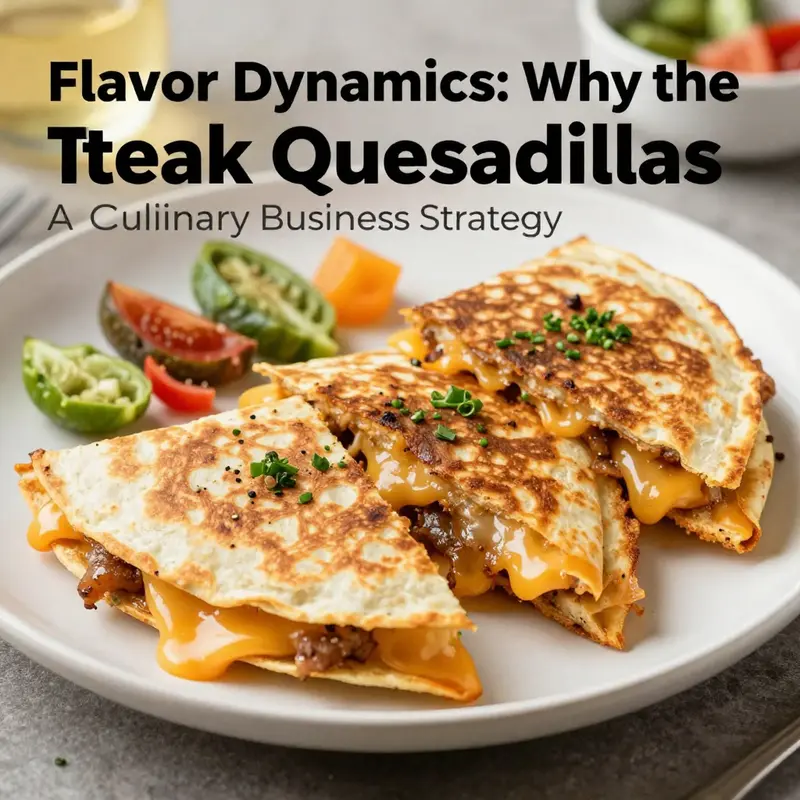
A truly memorable steak quesadilla depends on more than good ingredients. It depends on relationships—how spice meets meat, how heat meets tortilla, and how texture meets timing. When each element plays its role, the result is a compact, powerful bite: savory, smoky, creamy, and bright. This chapter breaks down those relationships and explains why the recipe works, so you can reproduce the same balance at home without guesswork.
Start with seasoning as architecture, not an afterthought. In a quesadilla, the filling carries the story because accompaniments are usually minimal. That means the steak must be seasoned to the core. A bold spice mix—cumin, garlic, smoked paprika, and chili powder, with a touch of salt—creates layers. Cumin lends earth; smoked paprika adds woodsmoke; garlic provides savory lift; chili powder brings background heat. These simple elements interact during both marination and searing to produce a complex flavor profile that sings under melted cheese.
Marinade is the engine of flavor infusion. A brief soak in oil, acid, and spices does three things. First, the acid—lemon or lime juice, or a splash of vinegar—begins to tenderize the muscle fibers. Second, oil acts as a carrier for fat-soluble aromatics, helping spice bind and cling. Third, time lets those aromatics penetrate deeply. You do not need a long, overnight cure for success. Even fifteen minutes at room temperature will start the process. For greater depth, refrigerate for up to an hour. The marinade also aids in forming a seasoned crust when the meat hits a very hot pan.
High heat delivers two transformative reactions. One is the Maillard reaction on the steak. That browning creates new, savory compounds that taste roasted, nutty, and intensely meaty. The other is the crisping of the tortilla. A hot griddle gives quick browning and crunch without drying the filling. The trick is temperature control: sear the steak in a screaming-hot pan for short intervals to keep it juicy. Then grill the assembled quesadilla over medium-high heat so the tortilla crisps and the interior cheese melts evenly.
Cheese choice is vital for more than taste. Melting quality controls texture and cohesion. A blend of a high-melt cheese, like Monterey Jack, and a stringy cheese, such as Oaxaca, gives both creamy spread and pull. This combination lets the cheese act as glue, binding meat and vegetables while adding richness. Too much sharp cheddar will dominate and separate the flavor layers. Balance the ratio so the cheese supports the steak rather than overrules it.
Texture contrasts make every bite interesting. Think of three textural notes: the crisp tortilla, the tender steak, and the silky melted cheese. Add an optional crunch with charred peppers or quick-pickled onions. Add a pop of freshness with cilantro or a squeeze of lime after cooking. These contrasts prevent monotony and allow the dominant flavors to shine.
Precision in cutting and resting matters. Rest the steak briefly after searing. Resting lets juices redistribute, keeping the meat moist. Slice thin against the grain to maximize tenderness. Thin strips fit neatly into each quesadilla, ensuring even distribution. When building the quesadilla, place cheese on the bottom tortilla first. Cheese acts as a buffer, insulating the tortilla from meat juices and helping the top tortilla adhere during grilling.
Layering is intentional. Start with an even blanket of cheese, then add steak, then vegetables, then a lighter sprinkle of cheese. This order prevents the filling from sliding and ensures the top tortilla melts to the bottom. Press lightly while grilling to encourage contact and rapid melting. Flip with care, using a wide spatula to preserve the crisp edge.
Seasoning the steak deeply reduces reliance on heavy sauces. Many quesadilla recipes hide behind salsa or crema. Here, the aim is a complete flavor experience within the tortilla. That means tasting and adjusting the raw spice blend before it meets the meat. Salt is a primary control. Under-salted steak will taste flat even when grilled perfectly. Add a pinch more salt to the marinade than you would for a roast. The cheese will contribute salt, so account for that when seasoning.
Global spice twists are practical and rewarding. Incorporating a dash of za’atar, a whisper of cumin-forward ras el hanout, or citrusy lemongrass will shift the direction of the quesadilla without complicating the process. These accents should be modest; they act like a compass needle pointing the overall flavor rather than a spotlight stealing attention. Use them to create variations that keep the base technique intact.
Timing is the silent seasoning. Cook components separately when necessary. Quickly caramelize peppers and onions first. Sear steak in a hot pan in batches so the pan temperature remains high. Let cooked items rest briefly while you assemble. Then grill the assembled quesadilla so the cheese melts thoroughly while the tortillas crisp to a golden brown. This choreography keeps textures and juices where they belong.
Finish with fresh elements for clarity. A squeeze of lime, a scatter of cilantro, or a few slices of ripe avocado brightens the rich interior. If you prefer a sauce, offer it on the side. Serving condiments separately preserves the integrity of each bite and lets eaters customize intensity.
The recipe succeeds because it treats every component as essential. Seasoning is not an afterthought but the framework. Marinade and heat work together to intensify and concentrate those flavors. Cheese and tortillas deliver texture and cohesion. Fresh finishing elements add lift. When you follow this logic, repeated successes follow. If you want additional steak-focused ideas and inspiration, consider trying a complementary steak and beef chili recipe that uses similar spice principles in a different format.
For a deeper dive into how seasoning choices and technique affect steak quesadillas, consult the chef-tested guide that inspired these principles: https://www.seriouseats.com/steak-quesadilla-seasoning-tips
Final thoughts
Mastering the art of steak quesadillas not only enhances your culinary repertoire but also engages and satisfies your customers. Incorporating high-quality ingredients, exacting cooking techniques, and a deep understanding of flavor dynamics will lead to remarkable quesadillas that are memorable and beloved. By investing in these essential skills, your culinary business can stand out in a crowded market, ensuring that your customers think of your establishment when they crave a delicious and fulfilling meal.