

Steak and beef chili stands as a cornerstone of hearty cuisine, ideal for business owners looking to enhance their offerings. This dish not only satisfies the culinary cravings but also acts as a canvas for creativity in variation and presentation. The following chapters delve into delicious alternatives to the classic recipe, the importance of advanced cooking techniques that enrich flavor profiles, and the nutritional benefits this dish brings to your patrons. By understanding these elements, business owners can transform this traditional favorite into a standout menu item that complements their brand while appealing to health-conscious customers.
Meat-First Magic: Exploring Rich Variations on Steak and Beef Chili
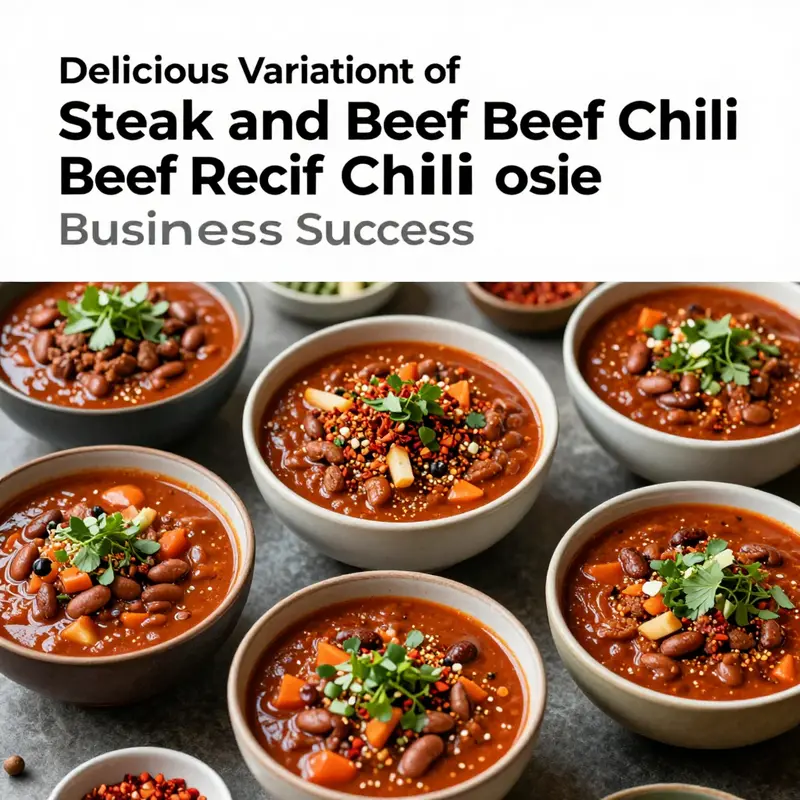
Steak and beef chili is a study in meat-first philosophy. Here, the beef isn’t merely a supporting actor; it sets the stage for texture, aroma, and heartiness that linger long after the bowl is empty. The same patience that deepens flavors through the Maillard reaction and the slow breakdown of collagen into gelatin also invites culinary risk-taking. If a traditional chili relies on a steady simmer and a balanced blend of spices, a steak-forward version rewards technique and courage. The following variations grow out of a shared belief: when premium cuts meet the right heat and timing, you unlock layers of savor that sing across breads, bowls, and plates, from weeknight dinners to weekend gatherings. Each approach aims to honor the dish’s Texas-leaning lineage—meat as king—while inviting textures and aromas that surprise without divorcing themselves from comfort and warmth.
Classic steak and beef chili with a twist begins with a more deliberate conversation between textures. Start with the familiar foundation—ground beef, kidney beans, tomatoes, a generous onion, and garlic—yet elevate it by searing cubes of sirloin or flank steak separately. The goal is to lock in a caramelized crust on these larger bits, then fold them into the simmering pot during the last 15 minutes. That brief finish preserves tenderness and gives the dish a final lift of savor, a contrast to the softer, slower collapse of the beans and the meat’s interior. The result reads as deeply rooted in tradition but with a modern, almost bite-sized surprise in every mouthful. The bewitching trick is not to overcook the cubes in the initial sear; you’re chasing texture rather than uniform tenderness, letting the crusted edges carry roasted notes that echo a well-seared steak while the sauce thickens into velvet.
Texas-style steak chili, or a bold no-beans rendition, reinforces the booze-and-fire ethos that many associate with the Lone Star state. Here the focus stays on meat’s flavor and mouthfeel. Opt for chuck or skirt steak, slow-cooked with a lean hand on chili powder, cumin, garlic, and smoked paprika. Because there are no beans to anchor the texture, the sauce must carry the weight with roasted depth and a peppery backbone. The aroma shifts toward roasted meat and smoke, with a sheen of rendered fat keeping the chili glossy and luscious. Serve with a simple accompaniment—cornbread or grilled onions—to complete the meal without crowding the beef’s star turn. This variant invites you to savor the primal appeal of meat-forward cooking: each forkful is a small, satisfying claim that flavor lives in the beef itself.
Mexican-inspired beef chili that channels fajita sizzle introduces peppers and a bright, zesty counterpoint to the meat’s richness. Sear thin strips of flank or skirt steak with onions and bell peppers, then fold them into a tomato-based chili that carries a spicy heat and a tangy finish. The thin strips stay toothsome, a different texture than the larger cubes, creating a dynamic bite that makes the bowl feel almost like a cross between chili and a fajita skillet. When plating, offer warm tortillas, slices of avocado, a dollop of sour cream, and a scatter of cilantro. The result is a fusion-worthy pot that respects regional technique while inviting a playful assembly at the table, as if a cook’s skillet had hopped onto a communal bench of bowls and shared warmth.
Beef and steak chili with beer and chipotle takes the bravado of smoky heat to a new plateau. A dark beer—stout or porter—adds depth to the sauce as it deglazes the pan and lifts the fond into the chili, while chipotle peppers in adobo introduce a smoky, fiery edge. Add tender cubes of ribeye or strip steak for a luxurious mouthfeel that complements the roasted notes in the liquid. The beer’s malt sweetness softens the spice’s punch, creating a balanced, mature heat that lingers rather than shouting. The final texture remains substantial, almost viscous in its finish, with the beer and chipotle performing like a chorus that rounds out the cast rather than dominating it.
Slow-cooker steak chili offers a different kind of magic: a long, unhurried embrace of flavor that yields fall-apart meat and a cohesive, deeply seasoned sauce. Layer in ground beef with chunkier stewing steak—such as chuck—and arrange them with diced tomatoes, beans, onion, garlic, and a trim blend of spices. Set the cooker to low and let it coax the beef into tenderness over eight hours. The slow method reduces active hands-on time while producing an indulgent texture and a sauce that clings to the meat with a glossy, satisfying gloss. The openness of this variant invites home cooks to prepare a generous pot in the morning and come home to a ready treasure that tastes like a weekend celebration, even on a weekday.
A spicy Korean-style beef chili, or kimchi chili, translates heat into an exciting, fermented dimension. The gochujang paste, kimchi, and a touch of soy sauce introduce a bright, tangy, and deeply savory backbone that complements ribeye or brisket’s marbling. The kimchi offers acidity and crunch, while the gochujang contributes a coherent, peppery sweetness that remains balanced rather than overwhelming. Thinly sliced ribeye or brisket soaks up the bold flavors quickly, and a final shower of green onions and toasted sesame seeds adds color and a light, nutty finish. This version is a reminder that chili can be a cultural palimpsest—one pot, many memories, and a shared sense of heat that travels across borders as naturally as across meals.
The common thread among these variations is not simply adding different ingredients. It is about respecting the meat’s voice while inviting textures to play against it. The Maillard-reaction crust, the slow dissolution of collagen into gelatin, and careful spice blooming all work in concert to craft sauces that are thick, velvety, and deeply concentrated. When you balance fat with lean, sear with simmer, and temper heat with acidity, you coax a chorus from a single pot: beef’s depth, restrained spice, and a comforting finish that makes the eater reach for a second bowl without a second thought.
As you move through these options, the choice of cut becomes part of the story. A sturdy chuck or skirt steak delivers bold, meaty structure; a ribeye or strip lends richness and a luxurious mouthfeel; sirloin or flank offers a firmer texture that stays distinct in the final bite. Beans, when used, contribute body and texture; when the recipe calls for no beans, the sauce must carry the viscosity and a sense of nourishment that still satisfies. If you crave a touch more brightness, a squeeze of lime at serving can light the finish without erasing the chili’s deep character. If you crave a hint of smoke, a small amount of smoked paprika adds complexity without overpowering the beef’s natural sweetness. These choices empower cooks to tailor a pot that speaks to mood, season, and company.
For readers who want a quick touch of variety without losing the integrity of the base technique, consider a cross-pollination of ideas: sear the steak first for texture, then fold in for the final stretch, as in the Classic with a Twist. Or lean fully into meat—no beans, more smoke, big spice—and serve with corn bread, onions, and a cold beer. A fajita-tinged version invites a party plate that doubles as a humble bowl of chili, with tortillas offering a soft, flexible vessel for the chunks and sauces. A Korean-inspired variant invites curiosity and conversation, with kimchi providing a tangy counterpoint that makes the dish feel fresh rather than heavy. Each approach honors the dish’s essence—beef first, flavor layered, finish smooth—and still offers a sense of discovery on the same table.
If a reader wants to explore even more technique and flavor ideas that stay in the same family, a related meat-forward exploration can be found at garlic-lamb-chops. That resource shares another way to think about sear, fond, and finishing sauces that pair beautifully with a beef chili’s richness. For a reliable, classic base with a proven track record, you can also consult a widely loved slow-cooker benchmark that demonstrates how to achieve deeply seasoned meat with minimal active cooking time. External inspiration can help refine your own version, and the joy comes from adapting it to your table, to your pantry, and to the people you cook for.
External resource: https://www.allrecipes.com/recipe/237950/slow-cooker-steak-and-beef-chili/
From Maillard to Melt: Mastering Techniques for a Steak and Beef Chili

Technique is the backbone of this steak and beef chili, turning humble ingredients into a layered, velvety dish that still feels rooted in its Texan lineage. When you start with the right cuts and a deliberate sequence, the flavors build like a well-rehearsed chorus: the initial sizzle, the slow simmer, the final balance of heat and acidity. This chapter threads together the key practices that elevate the recipe from a weeknight pot to a simmering, deeply satisfying centerpiece. It begins with careful ingredient selection, moves through the quiet, practiced steps of browning and bloom, and ends with finishing touches that refine texture and brightness. The goal is not to overwhelm with spices but to allow the meat’s character to lead while the aromatics and aromatics’ allies whisper the harmonies into place. In this approach, the meat is king, and technique is the crown that helps it glow without tipping into heaviness. To that end, the execution remains faithful to the idea that slow, patient work yields the richest results when searing, simmering, and seasoning are handled with restraint and purpose.
The foundation rests on thoughtful ingredient choice, where the flavor and texture of the meat set the tone. For a robust, multi-textured chili, combine beef chuck with lean ground beef, totaling about 1.5 pounds, and include a lean 0.75 pounds of a premium cut such as sirloin or flat iron if you want a leaner bite. The blend creates a dynamic contrast between the succulent, gelatin-rich bites and the more compact, browned morsels that hold shape. The salt, fat, and connective tissue in chuck release collagen as they gently break down, giving the sauce its characteristic velvet thickness. Sourcing matters as much as timing; high-quality beef that’s well trimmed but not overly lean will render fat without drying the meat, and its intrinsic beefiness forms the core of the dish’s umami. In addition, a full pound of lean ground beef helps the texture stay cohesive while contributing additional depth. The aromatics, too, play their part: a large yellow onion plus garlic, with a pepper that adds a subtle sweetness, set the stage for layers that unfold as the pot warms.
Spice and substance walk hand in hand. A careful blend of smoked paprika, cumin, chili powder, oregano, and garlic powder provides a classic chili base without masking the meat’s character. The option to include dried ancho and guajillo chiles, rehydrated and blended into a paste, introduces a smoky complexity that echoes traditional methods while remaining balanced. Tomato paste helps build body and intensity, while crushed tomatoes or diced tomatoes deliver brightness and a hint of sweetness to contrast the savory meat—an essential counterpoint to the peppery heat. The liquid component, typically beef broth, not only deglazes but also sustains the low, patient simmer that draws out the meat’s flavors. Worcestershire sauce, optional but effective, rounds out the umami, bringing a subtle tang that ties the ingredient notes together without letting any single element shout too loudly.
Preparation begins with a deliberate browning of the meat, which is where the Maillard reaction begins its quiet work. A hot pot, a small amount of oil, and a careful, steady sear on the cubed beef or ground portions produce a mosaic of browned bits, the fond that will later perfume the entire dish. Once the meat has a good crust, it’s removed briefly to avoid crowding and to ensure each piece browns rather than steams. The aromatics—onions first, then garlic—sauté until just translucent, releasing their sugars and inviting the spices to bloom. The timing matters here: aromatics should illuminate without browning too deeply, preserving their delicate sweetness for the later notes of acidity and smoke. This is where the order of operations matters, a nuance drawn from broader lessons in pan cooking: you want the aromatics to contribute, not dominate, and their mild sweetness helps temper the heat from peppers and chili powders later.
Layering flavor is where the dish gains its backbone. Stirring in tomato paste allows it to darken and caramelize slightly, a signal that it’s moved from raw sweetness toward concentrated umami. The paste also acts as a binder, giving the final sauce greater body as the liquid reduces. Deglazing with beef broth or water lifts the browned fond from the pot’s bottom, creating a pocket of concentrated flavor that would otherwise be lost. With the pan deglazed and the spices warmed in the fat for a brief bloom, the dry seasonings release their essential oils, releasing aroma that coats the meat and vegetables. The spices are not sprinkled in as afterthoughts; they are toasted briefly to unlock volatile oils that would otherwise lie dormant. This technique is mirrored in many cooking traditions, including those that emphasize a controlled bloom to create a fragrant, multi-layered base rather than a one-note heat.
The simmer itself is a slow, patient practice. For chunks of meat, a long, gentle simmer of 1.5 to 2 hours allows collagen to break down and the meat to surrender its bite without disintegrating. Ground beef, while quick to cook, benefits from a shorter, yet thorough, simmer of 45 to 60 minutes, letting the flavors meld while keeping the texture cohesive. A partially open lid is a smart compromise: it reduces liquid gradually, concentrates flavors, and prevents the sauce from becoming too thin. The texture is a defining feature; for a chunky chili, keep the beef in generous pieces and resist the urge to stir constantly, which would turn the mix into a homogenous mass. If you desire a thicker, more robust sauce, a touch of masa harina whisked with water or mashed beans can help, giving the chili a traditional, rustic body without relying on heavy creams or flours.
As the flavors deepen, finishing touches become the final brushstrokes on the canvas. A measured pinch of salt, a touch of sugar to balance acidity from tomatoes, and perhaps a small splash of vinegar or a citrusy brightness toward the end can lift the entire plate. A final tasting guides the adjustment, ensuring the balance remains true to the steak-forward narrative of the dish. Garnishes can range from shredded cheese and sour cream to avocado slices and chopped cilantro, each bringing a contrasting texture and temperature to the bowl. If you want a little extra texture, a handful of crushed tortilla chips or a sprinkle of chili crisp adds a welcome crunch and a scatter of heat.
Serving this chili with cornbread, rustic bread, or warm tortillas completes the experience. It’s a dish designed to carry through a crowded table or a quiet weeknight with equal grace. The careful orchestration of browning, blooming, deglazing, and slow simmering creates a sauce that is thick, velvety, and deeply savory—an ode to the beef’s presence rather than a mask for it. The method honors the tradition that meat takes center stage, while a chorus of aromatics, tomatoes, and spices supports it without overpowering. If you’re exploring other techniques to expand your toolkit, you might find related methods worth reviewing, such as deeper pan-browning and precise sear–rest cycles in related articles like garlic-lamb-chops, which offer parallel insights into how timing and temperature shape flavor across different proteins. The shared principle is clear: good technique gives you bigger flavor with less guesswork.
Storage and safety considerations round out the practice. After cooking, allow the chili to cool minds at room temperature for no more than two hours, then refrigerate in airtight containers for up to four days. For longer preservation, freeze the batch in portions for up to three months. Reheat gently on the stove, stirring to reincorporate any separated fats and to rewarm evenly. If the sauce thickens too much after cooling, a splash of broth restores the seasoning and texture without diluting the core taste. A small surface oil seal before sealing and refrigerating helps preserve color and freshness, echoing the same preservation logic that keeps a well-seared piece of beef juicy when saved for later.
The disciplined execution of these techniques — from careful selection and precise browning to thoughtful deglazing and patient simmering — is what keeps the steak and beef chili grounded in its culinary roots while inviting modern refinements. It’s a dish that rewards restraint, balance, and attention to texture as much as it does to spice. In the end, the pot becomes a study in how meat, heat, and time can come together to produce a chili that is deeply satisfying, richly flavored, and remarkably versatile for various dining occasions.
Muscle, Flavor, and Fiber: The Nutrition Story Behind Steak and Beef Chili
A bowl of steak and beef chili is a compact study in nutrition, texture, and the way careful cooking amplifies the value of everyday ingredients. This dish honors the meat-forward spirit of chili while pairing premium steak with lean ground beef and a chorus of supporting players—beans, vegetables, and spices—that together create a balanced profile. The recipe’s backbone is simple: high-quality beef, cooked with patience to coax flavor from the Maillard reaction and to dissolve connective tissue into a silky sauce. It’s this fusion of technique and ingredient choice that elevates the dish from a simple one-pot meal to a nutrient-savvy option worth keeping in weekly rotation.
Beef provides high quality protein and essential amino acids, including leucine, which helps support muscle protein synthesis. It also brings iron in the heme form, which aids oxygen transport to muscles and reduces fatigue. Vitamin B12, zinc, and selenium in beef support nerve function, immunity, and antioxidant defenses. Together, these nutrients help make steak not only flavorful but functionally valuable for active individuals.
Beans in the chili add dietary fiber and plant-based protein, supporting digestion, satiety, and steady energy. Tomatoes contribute lycopene, an antioxidant linked to heart health, while peppers, onions, and garlic supply vitamins and minerals, including vitamin C, which supports collagen formation and immune defense. Spices such as chili powder and cumin add warmth and anti-inflammatory compounds that can aid digestion and nutrient absorption. The dish combines protein from meat and beans with vegetables and fiber to deliver a balanced macronutrient mix in a satisfying portion.
From a cooking perspective, browning the beef first creates fond and depth of flavor, while slow simmering allows collagen to break down and the flavors to meld. The result is a hearty, comforting meal that still fits into many balanced eating patterns. With lean cuts, measured oil, and mindful seasoning, steak and beef chili can be a weeknight staple that fuels workouts and everyday activities without overshooting calorie targets.
Final thoughts
Incorporating a well-crafted steak and beef chili into your menu can enrich your dining offerings significantly. This dish not only highlights the robust flavors of premium beef but also allows for an array of variations, ensuring it meets diverse customer preferences. Utilizing advanced cooking techniques ensures the dish’s complexities are properly developed, while the nutritional components cater to health-savvy consumers. By embracing these elements, business owners can create a memorable dining experience that puts your establishment at the forefront of gastronomic excellence.