
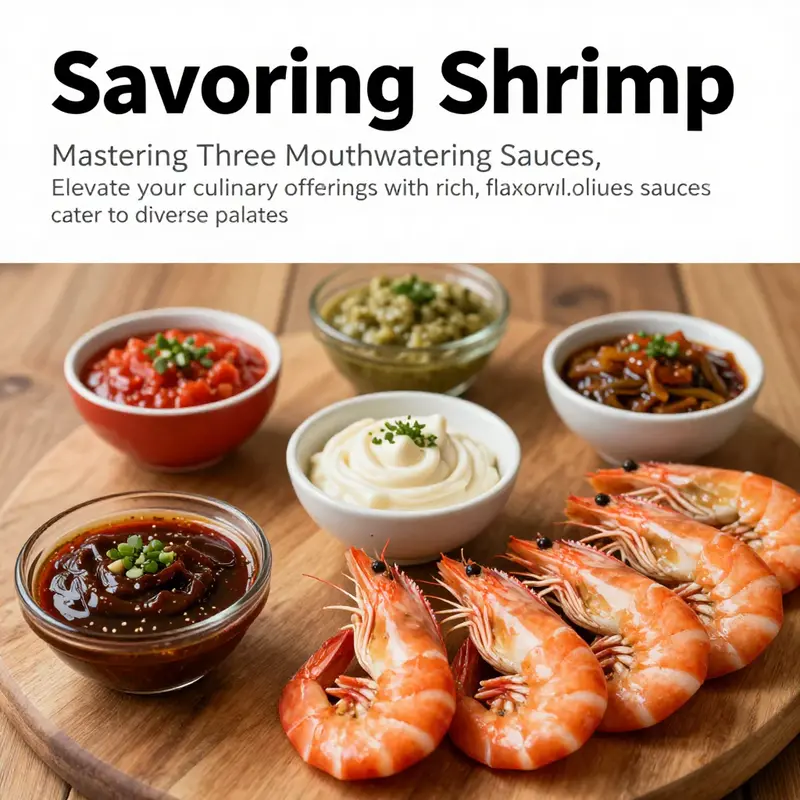
Harnessing the incredible versatility of shrimp sauces can significantly boost your culinary repertoire and provide unique selling points for your business. Each of the three standout recipes presented here not only showcases a distinct culinary tradition but also provides an appealing contrast to help meet your customers’ varying tastes. From the bold flavors of Chinese-style shrimp in garlic sauce to the comforting embrace of creamy garlic shrimp, these recipes are designed to help you create standout dishes that elevate your menus and captivate your clientele.
Golden Garlic, Wok-Hei, and Quick-Toss Shrimp: A Chinese-Style Garlic-Sauce Masterclass
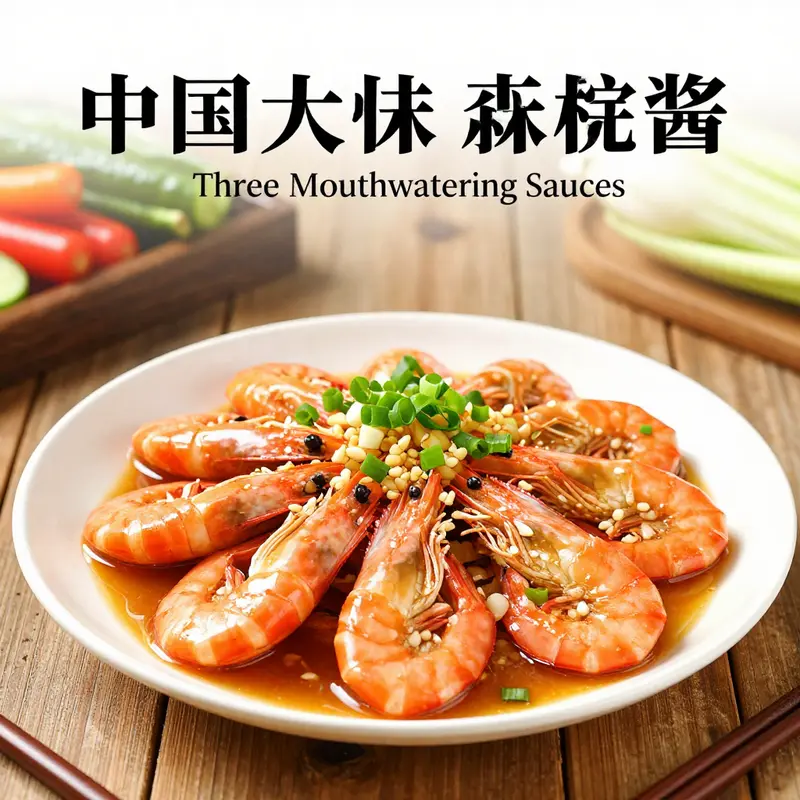
In the realm of quick, confident cooking, the Chinese style garlic sauce for shrimp rewards speed and clarity. It is a dish built on balance: garlic that perfumes without bitterness, a glossy lacquer that clings to each shrimp, and heat that finishes the seafood while preserving its natural sweetness. The result is not just a sauce; it is a moment of wok craft at home, a fragrance that fills the kitchen before the first bite.
The technique rests on a few precise decisions—the amount of oil, the timing of the garlic, and the way the shrimp meet a hot dry pan to form a crust that seals in juices. With practice, the method becomes almost ritualistic, a choreography that delivers both the drama of high-heat cooking and the simplicity of a one-skillet dish. Think of the pan as a tiny stage where the garlic performs in two acts: a deep, nutty perfume, then a bright, almost blistered note that stays sweet rather than burnt.
To assemble this version for two servings, gather fresh large shrimp, a full head of garlic, green onions, and a small amount of red chili if you want heat. The sauce base is simple but potent: cooking oil, salt, white pepper, a pinch of sugar, soy sauce, and oyster sauce, with sesame oil as a final lift.
The secret technique is the two garlic stages. Heat four tablespoons of oil in a sturdy pan over medium heat until shimmering. Add the larger portion of minced garlic and cook slowly, stirring constantly, until it becomes a deep golden brown, about three to five minutes. Do not let it burn. When it reaches color, remove the pan from the heat. The oil will stay hot enough to lightly cook the raw garlic in the smaller portion, preserving its brightness while integrating with the warm, nutty base.
Return the pan to medium-high heat, stir in the sugar, salt, white pepper, soy sauce, and oyster sauce to create a glossy sauce. Slide the dry shrimp into the coating and toss for two to three minutes, just until the shrimp turn opaque pink and glossy. The shrimp should stay plump and tender; overcooking will rob them of sweetness. Finish with sliced green onions and, if you like, a whisper of sesame oil for aroma.
Serve immediately with steamed rice or greens. The sauce should cling like lacquer, the garlic two tones harmonizing with the shrimp, and the heat providing a quick, bright finish. If you wish to vary the profile, you can add a touch of chili oil or a few sesame seeds as a final accent without masking the garlic’s character.
Silken Garlic Butter: Crafting a Luxurious Shrimp Sauce
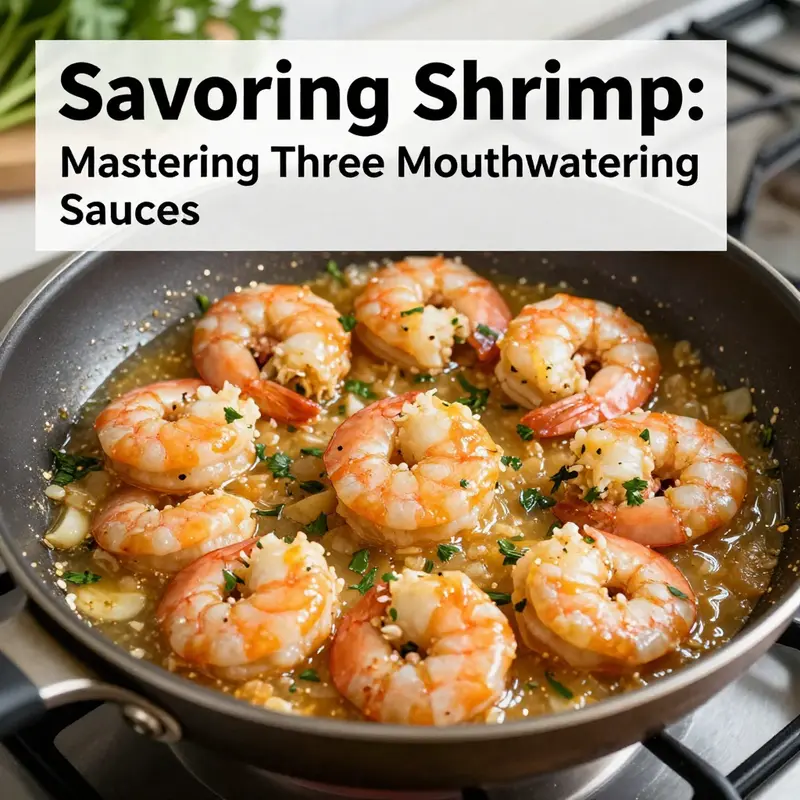
The garlic butter sauce for shrimp is a quiet masterclass in balance, a technique that transforms simple pantry items into a silk-coated, restaurant-grade centerpiece. It rests on a single, sturdy idea: fat and acid can mingle with heat to create a glossy emulsion that clings to delicate shrimp without overpowering their sweetness. In the tested methods that define this approach, the core ingredients are straightforward—unsalted butter for richness, fresh garlic for fragrance, a splash of dry white wine or a squeeze of lemon for brightness, parsley for an emerald lift, and a touch of red pepper flakes for quiet heat. The shrimp themselves are not garnish but the main event; they contribute their own sweetness, and they demand a respect that begins with the dry pat of a towel and ends in a precise sear that seals the texture. The result is a sauce that feels both luxurious and practical, suitable for weeknights and capable of standing up to a plate of al dente pasta, a crusty slice of bread, or a roasted vegetable medley.
The technique is anchored in a careful sequence that preserves the shrimp’s natural tenderness while coaxing out the garlic’s perfume. Begin with a pan that sings but does not scorch, then melt the butter until it foams modestly. Into that foam goes finely minced garlic, cooked gently and stirred continuously for a brief moment—just long enough to release aroma but not so long that the garlic browns into bitterness. This is where many cooks stumble: the line between fragrant and burnt is razor-thin, and a few seconds can tilt the balance. Once the garlic releases its scent, a measured deglaze follows. A small pour of dry white wine or a squeeze of lemon acid lifts the fat, loosening any browned bits from the pan’s bottom and beginning the emulsification that makes the sauce cling. The liquid reduces slightly, leaving behind a glossy, pale veil that coats the spoon when swirled. Lemon juice enters next, followed by a shower of chopped parsley that brightens the dish and threads a note of clean herbal sweetness through the butter’s richness. A pinch of salt and a crack of black pepper draw the flavors into sharp focus, ensuring the dish remains appetizingly sparkly rather than flat.
The shrimp join the choreography in a single, confident layer. They hit the pan with a hiss, searing for about 1.5 to 2 minutes per side until they turn opaque and blush pink at the edges. The risk here is overcooking, which makes the meat tough and dries the delicate sweetness the recipe aims to protect. When the first side has formed a shallow crust, they are flipped and allowed to finish their brief turn in the heat, then set aside on a warm plate long enough for the timing to align with the sauce’s final phase. The pan’s heat is then adjusted back to medium, and the sauce is coaxed back to its glossy state by a splash of water or broth if necessary. Returning the shrimp to the pan, a quick toss coats each piece in the emulsion, the butter wrapping the shrimp in a velvet kiss that makes every bite feel indulgent rather than heavy.
What makes this sauce so reliable is not merely the ingredients but the texture it achieves. Emulsification is the quiet magic here: the butter acts as a carrier for fragrance and acidity, while the garlic’s oils bind with the wine and citrus to form a cohesive glaze. If the sauce seems too thick, a delicate dilution with a small amount of water or broth rebalances the consistency without diluting the flavor. If it threatens to separate, a quick whisk with a drop of cold liquid stabilizes the emulsion, restoring that satiny gleam that coats the shrimp in a way that makes the plate look as polished as it tastes. The dish is finished with a final whisper of parsley and, if desired, a final pinch of pepper flakes for a heat note that lingers on the palate without turning the dish aggressive.
Beyond the essential technique, this garlic butter base invites a series of personalized twists that stay faithful to the plate’s core. A richer finish can be achieved by whisking in 1 to 2 tablespoons of heavy cream at the very end, which broadens the sauce’s mouthfeel and softens the edge of acidity while preserving the garlic’s presence. For cooks drawn to a more Mediterranean or Italian mood, a hint of dried oregano or thyme can be added with the parsley, lending a herbaceous backdrop that complements seafood without overpowering it. A teaspoon of harissa paste offers a whisper of warmth that pairs especially well with a squeeze of lemon and a handful of parsley for a North African twist. For those chasing maximum umami, dissolving a small amount of white miso paste in a splash of warm water and whisking it into the sauce can lend depth without introducing a strange flavor, instead enhancing the butter’s natural sweetness and the garlic’s bite.
This technique is a study in restraint. It thrives on the cook’s ability to control temperature, maintain a steady simmer, and keep the garlic from burning. It also rewards a thoughtful plating approach: the sauce becomes the star when poured sparingly over a modest bed of pasta or spooned over crusty bread, allowing the shrimp’s pink brilliance and the sauce’s gleam to speak for themselves. The dish can be a simple, elegant supper or a refined course in a larger tasting menu, proving that a handful of well-chosen ingredients, handled with care, can deliver a culinary moment that feels both comforting and sophisticated. The potential for pairing is broad—black pepper and lemon over a delicate pasta, a light salad dressed with olive oil and citrus, or even a roasted vegetable platter where the garlic butter broth doubles as a bright, luxurious glaze.
If you seek further inspiration that remains within the same culinary orbit, you can explore a familiar take on garlic and butter with a popular shrimp scampi template. For a familiar, olive-tinged take on shrimp with garlic and butter, you might explore the Olive Garden Shrimp Scampi Recipe for ideas on how others translate this simple pairing into a plate that diners recognize and enjoy. And for cooks who want a professional, kitchen-tested standard to compare against, a trusted external reference demonstrates how chefs balance flame, fat, and acidity to coax a restaurant-grade gloss from a similar set of ingredients. The result is a versatile, dependable technique that makes garlic butter shrimp a go-to choice on a weeknight, a quick supper on a busy evening, or a refined dish for guests seeking something that sounds simple but tastes spectacular. For a comprehensive, professional demonstration of the technique that underpins this home-friendly method, see the external resource linked here: Food Network Garlic Butter Shrimp Recipe.
Silky Seas: Crafting a Creamy Garlic Shrimp Sauce That Elevates Everyday Dining
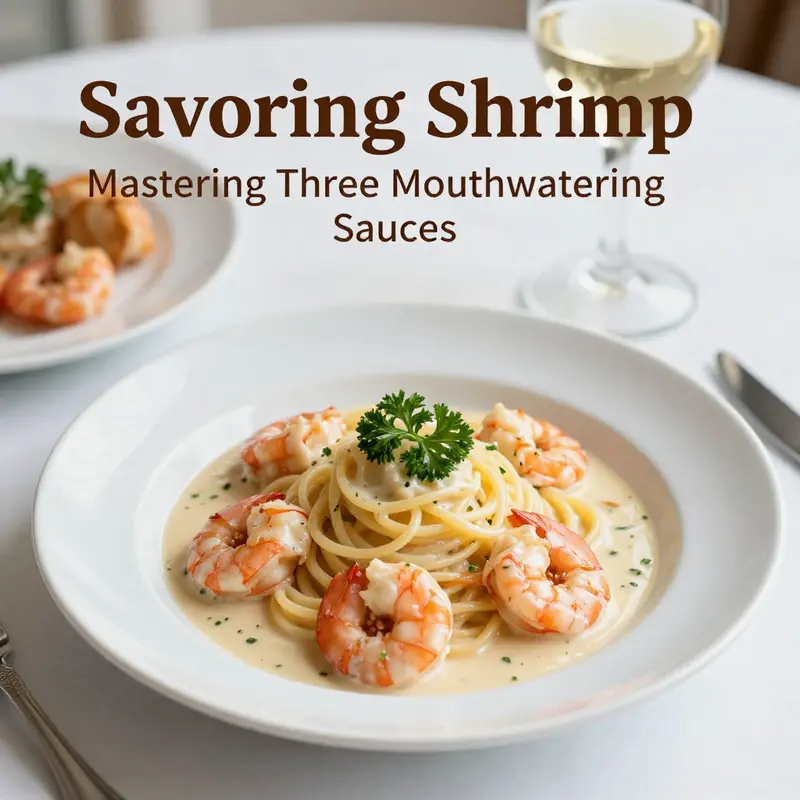
Creamy garlic shrimp sits at a crossroads of culinary tradition and mid-century American dining. The dish draws on French techniques of emulsified sauces, Italian coastal flavors, and the practical, approachable sensibility that home cooks bring to the stove. The result is a velvety sauce that clings to each shrimp, a glossy mantle that balances garlic’s bright bite with the richness of butter and cream. This chapter treats that sauce as more than a recipe—it is a study in texture, balance, and how a few well-chosen ingredients can transform a plate of shrimp into something at once comforting and refined. The journey through its making reveals not only technique but the way flavor compounds interact when heat, fat, and dairy meet the sea-sweet shrimp in a single pan.
At the heart are nine core ingredients: plump shrimp, unsalted butter, heavy cream, fresh garlic, Parmesan cheese, a dry white wine, lemon juice or zest, fresh herbs, and a pinch of salt and pepper. The shrimp are best when they are large, peeled, and deveined, their sweetness still bright and unmasked. The butter should be unsalted so you can modulate the richness with precision, while the Parmesan offers depth and a slight nutty bite that plays off the lemon’s acidity. The wine is optional but highly recommended, not for alcohol alone but for its acidity and its ability to round the fat in the sauce as it reduces. The garlic is the dish’s compass—a sharp, aromatic note that must be tempered. When all these elements come together, the pan becomes a small theatre where heat, timing, and texture perform in harmony.
The cooking sequence follows a simple rhythm, yet the execution matters as much as the list of ingredients. The shrimp are seasoned lightly and seared briefly to develop color and a bit of caramelization, then removed so the pan remains ready for building the sauce. In the same skillet, garlic is gently coaxed in a knob of butter until it releases its perfume without burning, a moment that defines the dish’s aroma. The shrimp return only after the sauce shows that satin sheen of emulsification beginning to form—this is where the magic happens: a shorthand for French-Italian fusion realized in a few minutes of careful technique. If you choose to add wine, it is poured after the garlic blooms, allowed to reduce to about half, and then cream is whisked in to thicken and mellow the flavors. The Parmesan is stirred in gradually, turning the mixture from a loose cream into a cohesive, clingy glaze that coats the shrimp and the plate alike.
An important step is the emulsification itself. Butter and cream can separate if the heat climbs too high, so the sauce must ride a gentle line between simmer and heat. A quick, off-heat finish with a small knob of cold butter is the secret that achieves gloss and texture—hardly a trick but a culinary utility that elevates the dish from good to restaurant-worthy. The lemon’s bright squeeze or a touch of zest cuts through the richness, lifting the sauce with citrus clarity. Fresh parsley or thyme at the end adds color and a fresh, herbaceous lift that makes the dish feel buoyant rather than heavy. This balance—garlic’s warmth, cream’s softness, Parmesan’s umami, and lemon’s snap—defines the creamy garlic shrimp and makes it a versatile canvas for variations.
Serving this dish hot is essential. It pairs beautifully with long strands of pasta, where the sauce drapes like silk, or with crusty bread to mop up every last drop. A light salad with vinaigrette provides a counterpoint to the richness, letting the shrimp take center stage. If you want a one-pan method that holds up for weeknight dinners, you can savor it with a simple side of steamed greens or a bed of rice that absorbs the sauce without dulling its shine. The technique is forgiving enough for home cooks yet refined enough to evoke a bistro aura, the kind of comfort that still feels special when guests arrive.
Pro tips for success simmer near the heart of the method. Do not overcook the shrimp; a quick sear preserves their tenderness. Do not boil the cream; keep it at a gentle simmer and allow it to reduce gradually so the flavors coalesce rather than separate. Use cold butter at the finish to emulsify, a small trick that smooths any risk of separation and gives that museum-soft gloss. If you include wine, opt for a dry white that you enjoy drinking because its acidity will balance the dish’s richness. Finally, keep your garlic bright by choosing fresh cloves and slicing or pressing them evenly so every bite carries aroma rather than bitterness.
For a touch of creative contrast, you can fold in spinach toward the end for a green echo of the emerald tints in Italian coastal cooking, or add sun-dried tomatoes for a dot of brightness and a nod to Mediterranean warmth. If you prefer a deeper cheese note, a touch more Parmesan can help, though you risk masking the delicate garlic if overdone. The beauty of this recipe lies in its adaptability: it holds up whether you serve it over linguine in a pool of lacquered cream or alongside roasted vegetables and crusty bread. In one skillet, with a handful of ingredients, it becomes a statement of how modern cooking can reconcile luxury with approachability.
This creamy garlic approach sits at an interesting intersection when you compare it with other shrimp sauces. There’s the punchy, quick garlic sauce from American-Chinese cooking—bold, savory, and glossy from a cornstarch-thickened finish—where garlic leads with a smoky backdrop. There is the simple but glorious garlic butter version that thrives on high aroma and a bright finish from white wine and lemon. And there is the indulgent, plate-coating luxury of a cream-based sauce that borrows from French and Italian techniques to deliver a velvet texture that clings to every shrimp. The creamy garlic shrimp acts as a bridge across these traditions, allowing texture and richness to be foregrounded while keeping the delicate sweetness of the shrimp intact. It invites experimentation, yet it also rewards precise timing and sustained heat control, reminding us that the right sauce can elevate seafood without stealing its natural character.
For readers who want a connection to further explorations, a related approach can be found in a well-loved take on garlic-forward seafood in a closely related preparation. The Olive Garden Shrimp Scampi Recipe offers a familiar lineage of garlic, butter, and wine, adapted for a crowd-pleasing table experience. You can explore that version here: Olive Garden Shrimp Scampi Recipe.
And for those seeking a benchmark of technique and refinement, a professionally tested reference is available in a renowned culinary guide that walks through the creamy garlic method with steady hands and exacting standards. This external resource offers methods, troubleshooting, and timing guidance that can sharpen home practice. See it here: Bon Appétit’s Creamy Garlic Shrimp recipe.
Final thoughts
Incorporating these shrimp sauce recipes into your menu can help diversify your offerings and enhance the dining experience for your customers. Each sauce provides unique flavors and serves different culinary traditions, ensuring there’s something for everyone. By investing in the quality of your dishes and emphasizing fresh, bold flavors, you create memorable meals that can set your establishment apart in a competitive industry.