
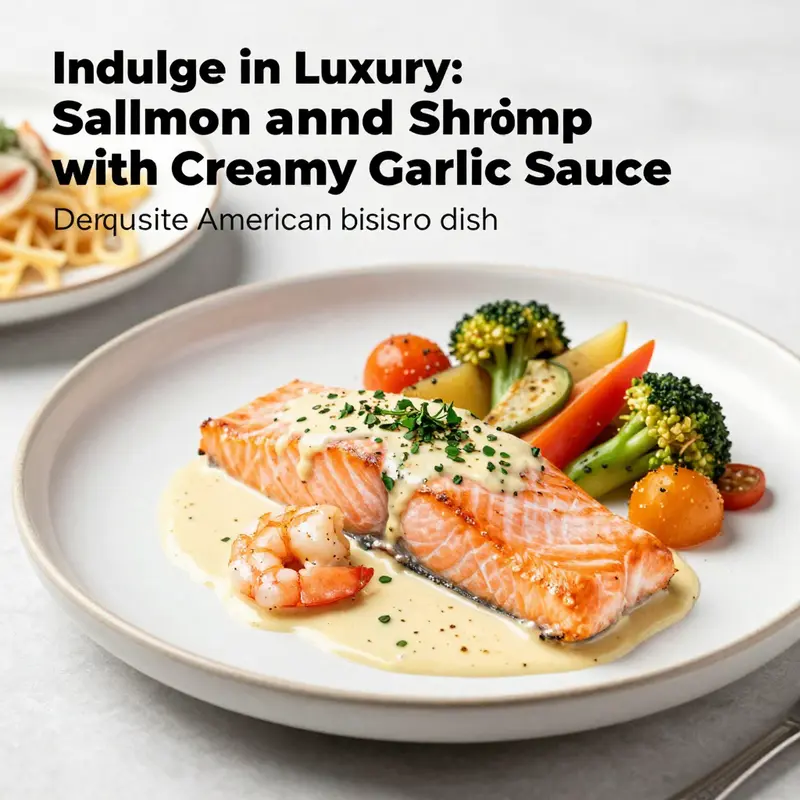
Salmon and Shrimp with Creamy Garlic Sauce represents the pinnacle of modern American bistro cuisine, combining rich flavors and elegant presentation. Succulent salmon and tender shrimp come together in a luxurious creamy garlic sauce that promises to elevate any dining experience. As business owners in the food industry, understanding the intricacies of this dish—from cooking methods to nutritional analysis—allows for informed menu design that resonates with discerning diners. This article explores effective techniques for preparing this dish while also diving into its health benefits and nutritional components, ensuring it meets the trends and demands of today’s health-conscious consumers.
null
null
Creamy Garlic Elegance: Nutrition, Texture, and Technique in Salmon and Shrimp with a Velvet Sauce
There is a quiet luxury in salmon and shrimp dressed in a garlic-cream robe, a dish that reads as both intimate supper and refined celebration. It brings together two ocean treasures—the buttery, flaky salmon and the sweet, bracing shrimp—then cloaks them in a velvet, aromatic sauce that feels at once indulgent and balanced. The beauty of the preparation lies as much in restraint as in bravado: the garlic must invite the palate without turning bitter, the fats must emulsify into a satin coating, and a touch of acidity must lift the richness so the dish never sits heavy. In this form, the plate becomes a conversation between technique and appetite, a modern American bistro kind of cohesion that tastes both timeless and current.
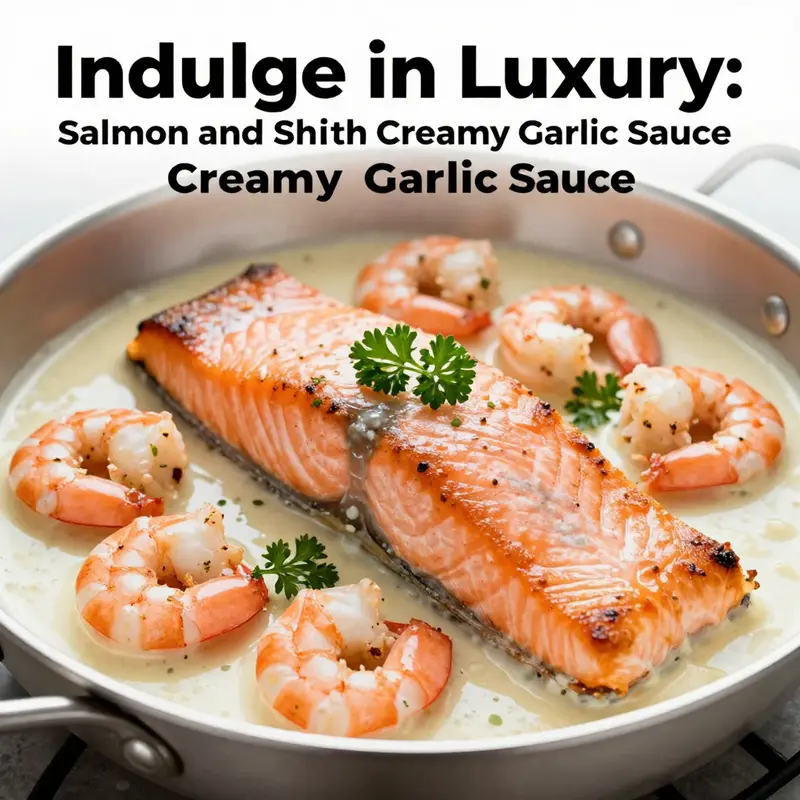
At the heart of the sauce is the careful handling of garlic. A small amount of minced garlic is heated gently in a splash of butter until it’s lightly golden and fragrantly nutty, not pale and grassy or scorched. That color is a signal: it announces depth rather than heat. Into this base go heavy cream and a splash of liquid—white wine or a squeeze of lemon—to introduce brightness and balance. The wine’s acidity or lemon’s lift cuts through the richness, keeping the texture luxurious while preventing the palate from closing in on itself. The mixture rests on a steady simmer, patient but not passive, as the fats begin to emulsify with the dairy until they form a glossy, clingy surface that coats everything it touches. A final knob of unsalted butter refines the sheen, smoothing any last harsh edges, and a modest grating of Parmesan can be added for a quiet, savory tang that hints at umami rather than shouting saltiness. Fresh herbs—parsley or chives—finish with a pop of color and a clean, aromatic lift that makes the dish feel new rather than tired.
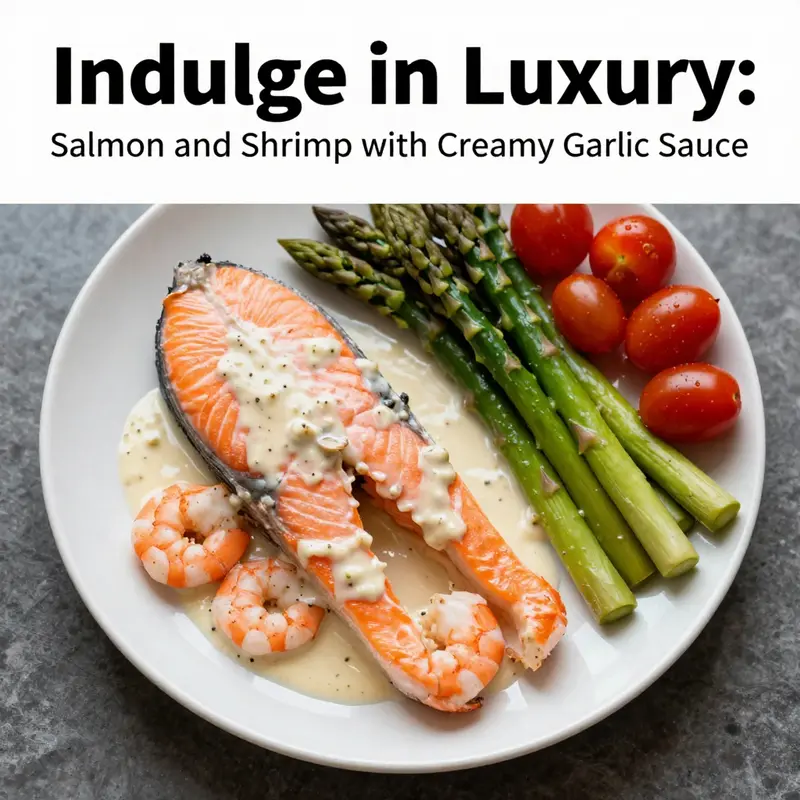
The proteins follow with their own story. Salmon, when seared properly, develops a crust at the edges while remaining moist at the center, thanks to the fat within the fillet that melts into the sauce as it cooks. Shrimp, added afterward, stay tender and succulent, their sweetness intensified by a brief sear that seals in juices and gives a bit of bite. When the three components come together in the pan, the result is a unified chorus: the salmon flakes into delicate ribbons, the shrimp retain a satisfying snap, and the garlic-cream glides over every piece in a luxurious sheath. Plating choices reinforce this harmony. A bed of fettuccine or linguine lets the sauce cling to the strands, turning each mouthful into a continuation of the last. Risotto offers a creamy counterpoint that echoes the sauce’s richness, while a simple arrangement of steamed asparagus or roasted baby potatoes introduces a welcome contrast in texture and a touch of verdant acidity that refreshes the palate between bites.
From a nutritional vantage, this dish presents a compelling mix of protein density, essential fats, and controlled carbohydrates, all tempered by the sauce’s richness. A three-ounce portion of wild-caught salmon delivers roughly 175 calories, about 39 grams of protein, and eight grams of fat, with a notable contribution of omega-3 fats that support heart and brain health. Shrimp, at the same three-ounce portion, contributes around 84 calories and 20 grams of protein with minimal fat, alongside minerals like selenium and B vitamins. The creamy garlic sauce, estimated at a quarter cup per serving, adds roughly 150 to 200 calories, with fats in the 12 to 18 gram range, carbohydrates around 6 to 10 grams, and a modest 5 to 7 grams of protein. Sodium can vary widely depending on salt level and the use of stock or processed dairy products. When these elements are combined into a single plate—3 ounces of salmon, 3 ounces of shrimp, and a quarter cup of sauce—the overall profile generally lands in the vicinity of 400 to 500 calories, with protein totaling about 65 to 70 grams, fat around 25 to 30 grams, carbohydrates in the 6 to 10 gram range, and sodium often between 800 and 1,200 milligrams. Of course, exact numbers shift with every ingredient choice and portion, but these benchmarks offer a practical framework for cooks who want to savor richness without losing sight of nourishment. It’s also worth noting that commercial, pre-made sauces can alter this balance, typically increasing sodium and refining fats in ways that may not align with home-cooked ideals.
For readers who track intake with care, the big takeaway is that portion size and sauce depth wield the most influence on nutrition. If you want to preserve the gloss and mouthfeel while trimming calories, a few thoughtful tweaks work well: use one half heavy cream and one half low-sodium chicken stock to maintain emulsification without overreliance on cream; choose a lighter cheese option or skip it entirely; and scale the butter slightly, letting it finish the sauce rather than serving as its primary fat. These adjustments demonstrate the delicate choreography between texture and nutrition, where every reduction in fat must be compensated by careful technique to keep the sauce stable and satisfying. The dish thus becomes a practical canvas for mindful cooking that still delivers the lush dining-room experience.
Culinary technique, quite simply, is the bridge between nutrition and delight. The garlic’s fragrance, the sizzle of the seafood, the way the sauce thickens at the edge of the pan—all these cues guide the cook toward the plate that feels both seasoned and serene. The inclusion of a bright acidic note—whether from wine or lemon—ensures the richness remains vibrant, preventing the dish from tipping into heaviness. When Parmesan is used sparingly, it lends depth without veering into saltiness, allowing the seafood to remain the star while the sauce acts as conductor. The final herb garnish is not merely decorative; it restores color, adds a fresh aroma, and invites another look at a dish that is as much about balance as it is about decadence.
In the broader menu language, this preparation exemplifies the modern American bistro approach—technique-forward yet approachable, richly flavored yet composed with restraint. It tells a story of ingredient-driven cooking: the sea’s two proteins are allowed to stand as individuals, but the garlic-cream sauce binds them in a shared texture and flavor world. It is a dish that invites conversation and celebration in equal measure, one that can anchor a weeknight dinner or elevate a special occasion without feeling fussy. The plating, the aroma, the way the sauce glides across the fork—these are details that remind us why seafood and cream pair so well when treated with care. They also offer a reminder that nourishment and indulgence can coexist when technique and portioning are thoughtfully aligned.
To reinforce the practical side, consider a simple reference to a classic technique that underscores how a sauce like this evolves. shrimp sauce recipe.
These noodles or grains, often dressed with a whisper of olive oil and lemon, catch the sauce and carry it through the plate, adding an inviting al dente bite or a creamy, grainy cushion that appreciates the sauce’s thickness. When asparagus or baby potatoes accompany the plate, they introduce freshness, color, and textural contrast—an important counterpoint to the sauce’s richness. The entire dish thus becomes more than a sum of its parts; it is a guided experience of aroma, temperature, and texture, designed to leave a lasting impression with every bite. The creamy garlic sauce is not merely a garnish but a vehicle for flavor, a lever by which the cook can modulate depth without sacrificing the bright, oceanic notes of the seafood. The result is a dish that, while luxurious, remains accessible to home cooks who invest in quality ingredients and patient technique.
For detailed, science-backed data on seafood nutrition, see https://fdc.nal.usda.gov.
Final thoughts
Salmon and Shrimp with Creamy Garlic Sauce is not just a dish; it’s a culinary experience that combines richness with elegance. By mastering both the cooking methods and understanding the nutritional value, restaurant owners can craft a dish that not only appeals to the palate but also aligns with the dining trends that emphasize health and quality. This dish embodies the sophistication and flavor desired by modern diners, providing an opportunity for businesses to enhance their menu while delighting customers with a touch of culinary luxury.