
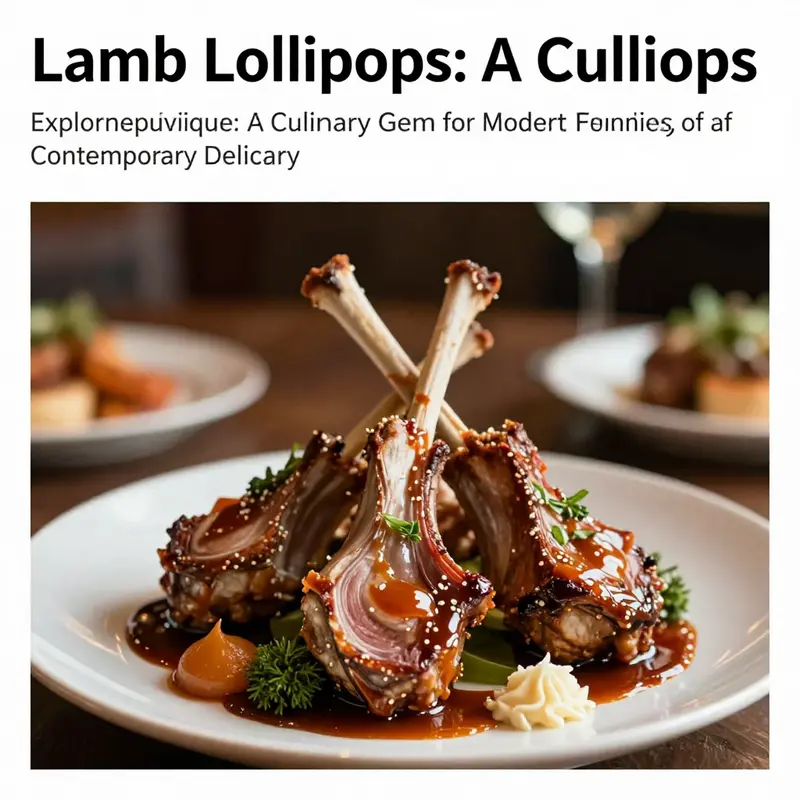
Lamb lollipops, often celebrated in gourmet kitchens, present a unique synthesis of flavor, presentation, and market potential. As a cut from the rack of lamb, these boneless chops are appreciated for their tenderness and exquisite taste, making them a staple in high-end dining establishments. The preparation techniques such as grilling, roasting, and pan-searing, along with complementary herbs and marinades, elevate their gastronomic appeal. This article delves into the culinary significance of lamb lollipops in the first chapter, alongside various preparation methods that can enhance a restaurant’s menu. In the second chapter, we will examine the nutritional profile of lamb lollipops and the growing market trends, illustrating their role in the evolving meat industry aimed at health-conscious consumers. Together, these chapters will equip business owners with insights needed to leverage lamb lollipops within their culinary offerings and tap into the growing demand in the market.
Mastering Lamb Lollipops: Techniques, Timing, and Flavor Pairings

Lamb lollipops transform a simple rack of lamb into an elegant, handheld centerpiece. They arrive at the table with a clean, French-trimmed bone and a compact, tender medallion of meat. That visual appeal matters, but so does the method behind it. Successful lamb lollipops depend on a sequence of careful choices: precise trimming, sound seasoning, controlled heat, and finishing touches that highlight—not mask—the natural lamb character.
Techniques, Timing, and Flavor Pairings
Begin at the butcher block. A proper cut matters. Each lollipop is taken from the rib section, bone intact, with meat shaped into a round chop. Remove excess fat and the silver skin to prevent curling and uneven cooking. When frenched, the exposed bone provides a handle and a dramatic silhouette on the plate. Work cleanly and deliberately; neat trimming reduces flare-ups and yields uniform portions that cook evenly.
Seasoning is simple but intentional. Salt and freshly ground pepper form the baseline. Herbs like rosemary and thyme pair naturally with lamb’s gentle gaminess. Use them sparingly so they complement the meat rather than dominate it. A light brush of olive oil promotes even browning and helps herbs adhere. For a bright counterpoint to the richness, consider adding citrus zest or a splash of lemon juice shortly before serving.
Marinades and rubs offer different outcomes. A short, acidic marinade—yogurt with lemon and garlic—tenderizes surface fibers and adds tang. A dry rub with crushed garlic, chopped herbs, and a hint of paprika creates a savory crust when seared. If you plan to grill, avoid heavy, sugary marinades that can burn under high heat. Instead, opt for oil-based mixtures or a quick herb paste applied just before cooking.
Heat management sets the final texture. Lamb lollipops benefit from high initial heat to develop a caramelized crust. Sear on a scorching grill, a smoking hot cast-iron skillet, or under a broiler. That crust locks juices and adds depth through the Maillard reaction. After searing, move the chops to a cooler part of the grill or reduce stovetop heat to finish cooking gently. For many chefs, medium-rare is ideal. Aim for an internal temperature near 125°F (52°C) before resting; carryover heat will bring the meat to the perfect doneness.
A meat thermometer is essential. It removes guesswork and prevents overcooking. Insert the probe into the thickest part of the meat, avoiding the bone. Pull the chops a few degrees below target to allow for rest. Resting for five to ten minutes lets juices redistribute. Cutting too soon wastes those juices on the plate, while resting yields a moist, tender bite.
Cooking methods shift flavor subtly. Grilling imparts smoke and crispness. Pan-searing delivers an intense crust and a fond useful for pan sauces. Roasting a whole frenched rack, then cutting into lollipops, offers uniform browning and an elegant presentation for a larger gathering. Each method requires slight technique adjustments but follows the same principles: high heat to build crust, careful temperature control to reach desired doneness, and a brief rest.
Sauces and garnishes should enhance the lamb, not overwhelm it. Classic mint offers a bright foil to lamb’s richness. A mint-garlic yogurt sauce, with lemon and olive oil, cuts through fat and adds cooling contrast. Red wine reductions, balsamic gastriques, or rosemary-infused pan sauces provide savory depth. Consider texture too: toasted pine nuts, charred scallions, or a crisp herb salad introduce contrast. Plate with restraint so each lollipop remains the focal point.
Pairings extend beyond sauces. Serve lamb lollipops with sides that echo or temper the main notes. Creamy polenta, roasted baby carrots with honey and thyme, or a simple pea purée complement lamb without competing. For a Mediterranean touch, roasted tomatoes and tender couscous bring balance. When temperature and texture align, the meal feels cohesive and intentional.
Precision extends to portioning. One lollipop makes a striking appetizer; two or three create a satisfying main dish. A standard serving of three pieces provides approximately 320 calories and a substantial protein contribution. This makes lollipops a good choice for menus focused on protein-forward dishes. When planning service, account for pairing sauces and sides that scale with portion sizes.
Seasonality and menu context shape final decisions. In spring and early summer, lighter preparations highlight tender, younger lamb. Bright herbs, yogurt-based sauces, and quick grilling feel appropriate. In cooler months, richer reductions, root-vegetable accompaniments, and roasted preparations speak to comfort. Lamb lollipops adapt readily to menu shifts, making them a reliable choice for both casual and formal settings.
Kitchen tools matter. A sharp boning knife speeds clean trimming and yields a professional finish. A heavy skillet retains heat for consistent searing. Reliable tongs protect the crust when turning. A probe thermometer prevents overcooking. For presentations that demand flair, skewers or ring molds help arrange lollipops in an attractive pattern.
Small technique choices yield big differences. Pat the meat dry before seasoning to promote browning. Let chops come to near room temperature before cooking for even doneness. If flames flare, move the meat to a cooler zone and finish slowly. When using butter for basting, add it near the end to prevent burning and to lift the sauce with a glossy finish. If you marinate, avoid acids for more than a few hours, or the texture will soften excessively.
From a practical perspective, breaking a rack into lollipops is efficient. It allows precise portion control, reduces waste, and offers diners a tactile eating experience. The shape invites casual, interactive service and elevates presentation in fine-dining contexts. For cooks seeking inspiration, a clear set of steps—trim, season, sear, rest, and finish—creates consistency across service and achieves repeatable quality.
For a tested recipe that illustrates these techniques in practice, see this rack of lamb resource: rack of lamb recipe. For a practical example of grilling lollipops with a complementary gastrique, a detailed overview can be found here: https://www.ocdailydispatch.com/food-and-drink/grilled-lamb-lollipops-gastrique/article_8f3b0d9a-4e1f-11ef-b19e-d7c33733b69f.html
These elements together form the craft of lamb lollipops. Attention at each stage, from the initial butcher cut to the final garnish, determines the outcome. When technique, timing, and flavor balance align, lamb lollipops become more than a cut of meat. They become a signature dish that showcases skill, respect for the ingredient, and a memorable dining moment.
Lamb Lollipops: A Nutritious Bite and a Growing Gourmet Market
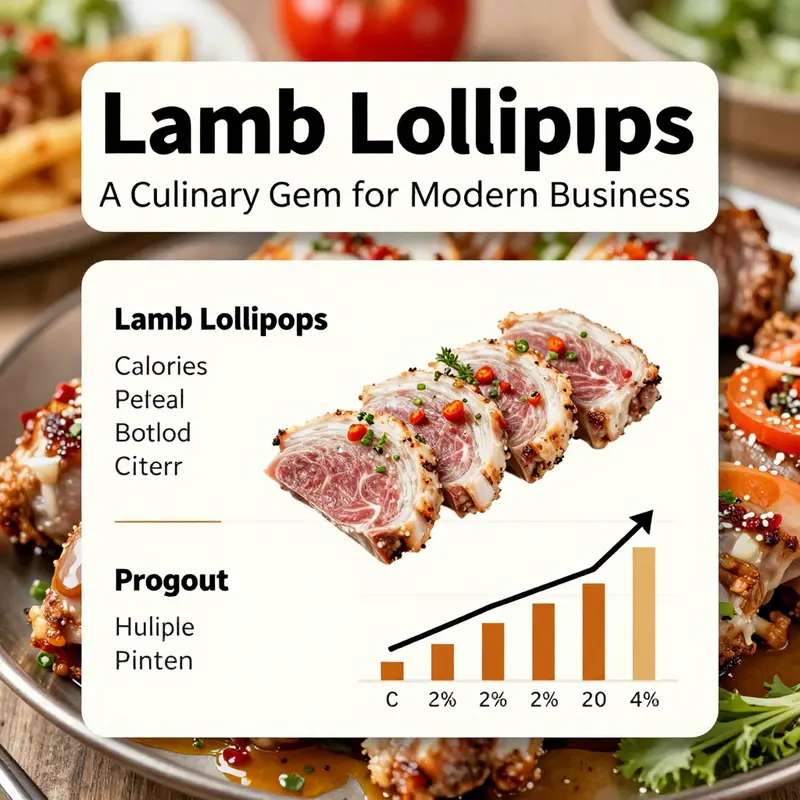
Lamb lollipops emerge from the same primal urge that makes a chef treasure a well-trimmed rack: the urge to transform a singular cut into a memorable, hand-held moment. In the dining room, they sit upright on the plate like miniature trophies, their bones streaked with a gloss from a careful sear, the meat itself veering between blush and caramel where heat has kissed fat into flavor. The shape—pale bone rising from a compact, meaty crown—invites a tactile, almost ritual eating experience. Diners lift, twist, and bite, savoring the immediate tenderness that comes from a well-rested, properly aged animal and from a crust that yields to a resonant chew. This is not merely presentation for show; it is a culinary technique in miniature, a compact platform for confidence in roasting, grilling, or pan-searing. The cut asks for precise handling so that the texture remains juicy and the external crust remains crisp, a balance that holds together even as the portions disappear from the plate.
In the kitchen, the preparation often foregrounds aromatics that sing with the meat’s natural savor. Rosemary and thyme, garlic, a whisper of citrus, and perhaps a hint of black pepper or cumin can lift the lamb without veering into overpowering. Because the bones are a visual cue and a practical handle, cooks lean into familiar, restrained flavors that let the meat speak. High-heat strategies—quick sear followed by a gentle finish in a hot oven or on a well-heated grill—concentrate the Maillard reaction where it matters most, around the outer layer, while leaving the interior tender and moist. A well-executed finish might involve a brush of herb-infused butter or a splash of pan jus that collects in the curve of the bone, turning the whole bite into a small, savory lyrical line.
From a nutritional perspective, lamb lollipops offer a concentrated, protein-forward option that can fit into contemporary eating patterns without resorting to heavy carbohydrates. A representative serving of three pieces, typically around 100 grams, comes in at roughly 320 calories. The energy profile tilts toward fat as the primary contributor, with a substantial portion of calories—about 60%—derived from fat, while protein accounts for roughly one-third of the energy, and carbohydrates occupy a small fraction, around 8%. That distribution makes the snack appealing to those who pursue high-protein, lower-carbohydrate choices, including athletes and people following ketogenic or clean-label regimens. Beyond calories, the cuts deliver essential amino acids in ample measure and contribute notable amounts of iron and zinc, nutrients that support muscle recovery and immune function. The overall profile positions lamb lollipops as a savory, energy-dense bite that satisfies hunger efficiently while offering a flavor punch that is hard to replicate with plant-based proteins or heavily processed snacks.
Market observers describe lamb lollipops not as a mass-market confection but as a premium snack within the gourmet segment. They occupy a niche space where quality, sourcing, and culinary craft trump mass consumption. The growth narrative mirrors broader shifts in consumer expectations: a willingness to pay for provenance, for clean labels, and for products that offer tangible protein without added sugars or fillers. In this context, the lollipop-like presentation becomes a signaling device—an invitation to a dining experience that can be shared in social settings, gifted to a foodie audience, or featured as a centerpiece in tasting menus. The premium positioning is reinforced by distribution channels that emphasize specialty grocers, online shops, and curated gift assortments. While the category is not yet a staple in every kitchen, it has gained traction among chefs and home cooks who seek to elevate weeknight meals into occasions, and who understand that a single, well-prepared chop can anchor a broader menu built around quality, technique, and balance.
Beyond taste and texture, the market trajectory of lamb lollipops is tied to the larger outlook for premium meat products and convenient proteins. The profit calculus for producers and retailers hinges on delivering consistent tenderness, predictable sizing, and reliable sourcing. As consumer interest in convenient proteins grows, the appeal of an easy-to-eat cut that does not require extensive preparation becomes more pronounced. The rising interest in lamb products across regional markets, including areas with growing disposable incomes and a penchant for global flavors, supports a longer-term demand for ready-to-cook or ready-to-eat formats that preserve the integrity of the cut. In regions where frozen meat products are expanding, the category gains access to broader consumer bases seeking premium options that combine convenience with culinary sophistication. Industry outlooks project continued expansion of the frozen lamb segment as retailers invest in better packaging, improved freezing techniques, and clear labeling that communicates quality and provenance. These dynamics collectively push lamb lollipops from a chef-centric novelty toward a recognized choice for both entertaining and everyday premium meals.
For cooks and menu planners, the practical takeaway is that lamb lollipops can anchor a narrative about flavor integrity and responsible sourcing while still delivering in a modern, fast-paced dining culture. The cut pairs well with a spectrum of accompaniments—bright herbs, citrus, nectar-like reductions, or earthy roots—that can be prepared in parallel to keep the cooking rhythm tight and efficient. A single, well-timed sear can be followed by a quick rest before plating, a moment that preserves juiciness and ensures the outer crust remains crisp. The hand-held aspect invites a social, almost festive tempo—guests or family members can gather around a shared dish and talk through the tasting notes as they chew. This engagement is not incidental; it is part of the value proposition, connecting culinary craft to a sense of occasion and a communal dining experience.
As authenticity and provenance become more central in consumer choices, many cooks look to reliable, detailed guidance on pairing and technique without overcomplicating the process. The lollipop cut offers a straightforward canvas: seize the moment with a clean sear, a gentle finish, and a touch of herbaceous brightness. For those exploring the broader spectrum of lamb preparations, a related approach to a larger rack of lamb can be instructive. See the Rack of Lamb Recipe for a perspective on applying similar techniques to a more expansive cut, illustrating how the same principles of heat, timing, and seasoning translate across scales. rack-of-lamb-recipe
Finally, the nutritional and market insights converge on a simple truth: consumers are increasingly drawn to meat-based snacks and entrees that honor both taste and wellness. The appeal lies not only in satiety or macronutrient balance but in the storytelling that accompanies a well-prepared bite. A small plate of lamb lollipops can become a microcosm of modern dining—an edible lesson in texture, aroma, and care. The focus on quality ingredients, precise technique, and thoughtful presentation resonates with audiences who value flavor as much as function. In this sense, the lamb lollipop is more than a cute shape; it is a strategic vehicle for delivering a premium culinary experience that aligns with contemporary priorities around protein, provenance, and polished, restaurant-grade performance in the home kitchen.
External resource: https://www.eatthismuch.com/nutrition/eddie-vs-lamb-lollipops
Final thoughts
Lamb lollipops not only provide a sophisticated culinary experience but also contribute significantly to contemporary dining trends and nutritional advantages. Their appeal extends beyond gourmet establishments into the realm of health-conscious consumers, making them an integral offering for any restaurant aiming to enhance its menu. Business owners can capitalize on the rising interest in lamb products by incorporating these flavorful cuts into their offerings, adapting preparation methods to highlight their unique qualities, and positioning themselves effectively to meet the growing market demand. By understanding both the culinary and commercial aspects of lamb lollipops, food entrepreneurs can create memorable dining experiences that cater to an evolving clientele.