
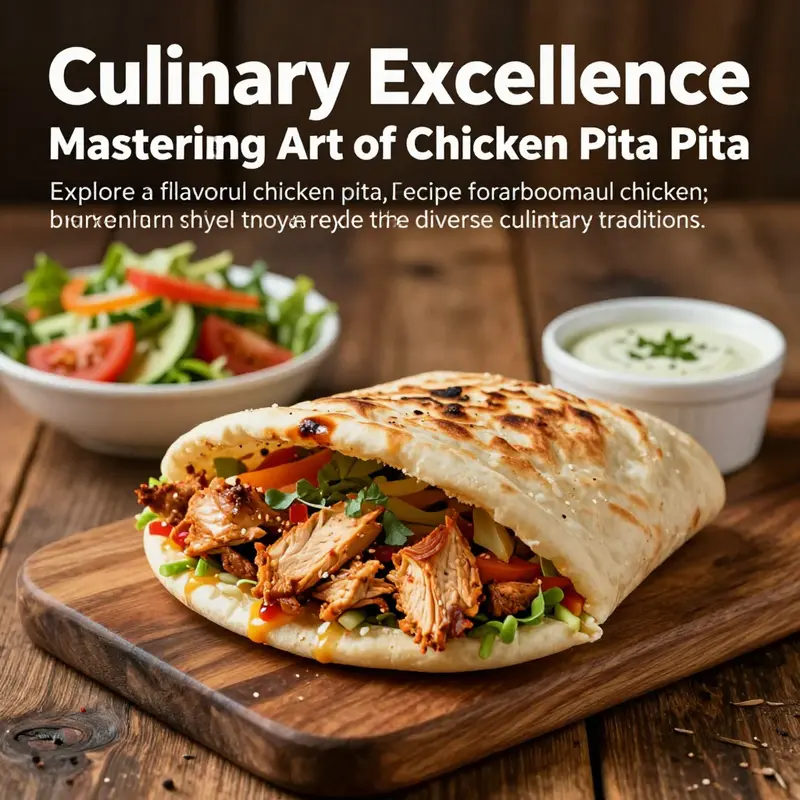
The chicken pita serves as a versatile dish, merging Middle Eastern spices with global tastes, presenting endless opportunities for customization to appeal to various palates. This recipe, centered on grilled chicken marinated with robust spices, becomes more than a meal—it’s an engaging experience for both the creators and consumers. In the first chapter, we will delve into the unique fusion of flavors that characterize the chicken pita, showcasing how each ingredient works together to create a symphony of taste. The second chapter focuses on preparation techniques, outlining the essential steps from marination to grilling that ensure a perfect chicken pita. Together, these insights will empower business owners to elevate their culinary offerings, creating memorable dishes that stand out.
A Pocket of Global Flavor: Crafting a Fusion Chicken Pita
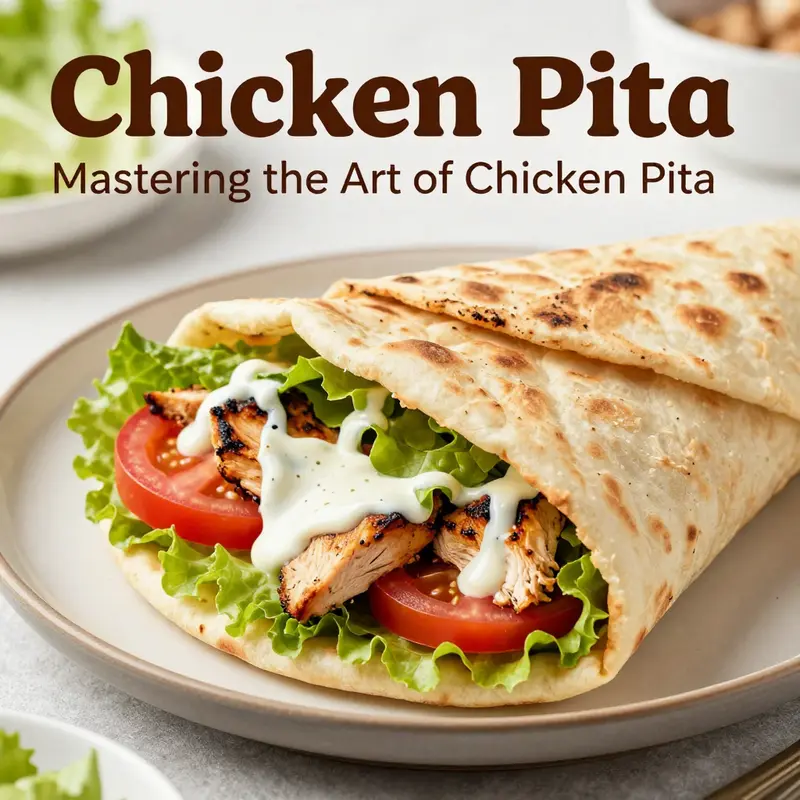
A Pocket of Global Flavor: Crafting a Fusion Chicken Pita unfolds as a quiet revelation: a soft pocket of bread can carry a chorus of spices, bright herbs, and creamy yogurt into a single portable meal. The chicken pita described here is less a rigid recipe and more a flexible invitation to explore how Middle Eastern-inspired technique can mingle with broadly loved flavors from elsewhere. The core idea is simple enough to repeat with confidence: grill marinated chicken until just charred and juicy, tuck it into a warm pita with crisp vegetables, and crown the whole thing with a tangy, herb-studded yogurt sauce. Yet the magic lies in the balance and texture—the way the lemon sharpens the garlic, the cumin and cinnamon warming the meat, the cool yogurt soothing the heat, and the pita acting as a forgiving vessel that holds the fillings together with every bite.
The heart of the dish rests in the marinade, a blend designed to coax the best from the chicken while imparting a lingering aroma that hints at street-front grills and home kitchens alike. Two boneless, skinless chicken breasts become a canvas for a quick, vibrant coating: minced garlic, the bright bite of lemon juice, and a carefully measured line of spices—cumin for earth and depth, paprika for a touch of sweetness and color, and a whisper of cinnamon to lift the aroma toward the exotic without overwhelming the palate. Olive oil binds the marinade, helping the spices cling to the meat while ensuring that each strip stays moist as it cooks. Salt and pepper tie the elements together, but the real transformation comes from letting the chicken rest after a brief stint in the fridge. Thirty minutes to two hours lets the flavors mingle and fester in the best possible way, enough time to lift the overall dish without demanding a long planning horizon.
The sauce is where this fusion truly shines. A cup of plain yogurt—Greek yogurt’s thickness makes for a luxurious bite—forms the creamy backbone. Fresh dill provides a crisp, grassy note that brightens the richness of the dairy, though mint can stand in if dill isn’t handy. A splash of lemon juice keeps the sauce lively and zippy, a necessary counterpoint to the softened dairy. A pinch of salt draws out the flavors, and for those who crave a trace of heat, a teaspoon of harissa offers a gentle, lingering warmth rather than a jolting punch. The sauce chills while the chicken grills, giving the flavors time to marry and the textures a chance to harmonize before they meet the pita.
When it’s time to cook, the grill or a hot oven both work well, each delivering a slightly different character. Preheating the grill to medium-high or the oven to around 375°F (190°C) ensures a quick sear that seals in juices and creates those appetizing grill marks. Six to seven minutes per side typically yields a chicken breast at the perfect doneness—165°F (75°C) internal temperature—then a brief rest lets the juices redistribute. After resting, the meat is sliced into thin strips that are flexible for filling and tasting in every bite. Warm the pita breads just enough to tease their softness—30 seconds on each side in a dry skillet or a quick flirtation on the grill—and you are ready to build.
The assembly is where the dish earns its identity as a portable, adaptable meal. Open each pita pocket and layer a crisp, green base of lettuce, then a scattering of diced tomatoes for brightness and a splash of acid. A few ribbons of red onion add sharp sweetness and crunch, while the sliced chicken populates the center with protein that’s tender and well seasoned. The generous drizzle of yogurt sauce over the filling not only binds the components but also introduces a cool, creamy counterpoint to the spices. Each bite becomes a balance of textures: the softness of the pita, the snap of the vegetables, the bite of the onion, and the herbaceous coolness of the sauce. If you crave more depth, a final drizzle of sauce across the top or a few cucumber coins tossed into the mix can elevate the experience without overpowering the core flavors.
The beauty of this chicken pita lies not just in its flavor but in its capacity to evolve with what’s in the pantry or on the plate. For a vegetarian adaptation, chickpeas or grilled tofu can replace the chicken with equally robust marination and a similarly satisfying texture. If spice is your companion, a touch more harissa or a pinch of Aleppo pepper can lift the dish without pushing it into heat-heavy territory. The yogurt sauce invites variability, too: try chopped fresh mint instead of dill for a brighter, Mediterranean-green finish, or fold in a grating of garlic for a sharper bite. The choice of pita matters as well; whole-grain pitas bring more fiber and a nutty note, while white pita emphasizes softness and a more traditional texture. Each ingredient is a thread, and when woven together, they produce a fabric that’s both comforting and curious—comforting because it’s familiar, curious because it invites you to swap in new spices, herbs, and vegetables with ease.
The approach mirrors a broader arc in modern cooking: take a familiar vessel and reimagine what fills it. This chicken pita becomes a microcosm of global flavors—Levantine warmth from the marinade, Greek and Turkish influences in the yogurt-herb combination, and a universal appeal through the crisp vegetables and the soft, forgiving bread. It’s a dish that respects technique while inviting personal expression, a dual aim that resonates with the broader philosophy of fusion cooking. In practice, that means maintaining balance rather than pushing a single element to the forefront. The acidity of lemon should cut through the richness of the yogurt and the meat’s fat, not merely be present as a bright note. The spices should perfume the chicken, not dominate it; the herbs in the sauce should lift, not overwhelm, the other components. The pita, warm and pliant, acts as the stage itself—letting each ingredient shine in its own moment of the performance.
Even as the dish invites experimentation, it remains anchored to the rhythm of a weeknight kitchen. The marinated chicken can be prepared in advance, making weeknight assembly a matter of minutes. The sauce can be whisked and kept cold, ready to drape over freshly filled pockets. The vegetables, crisp and clean, should be prepped so that when the moment arrives, you can compose without delay. If you’re packing these pitas for a lunch, consider portioning the fillings and sauce separately to keep textures lively. The result is a meal that travels well and tastes better with a little time to rest after the first bite, giving a moment for the flavors to settle and redeploy in each new mouthful.
Within this chapter’s exploration, there is a sense of continuity with other Mediterranean and Middle Eastern-inspired dishes. The technique and flavor palette connect with a family of recipes that celebrate the simple act of filling bread with savory, protein-rich fillings and bright, herb-flecked sauces. This is not about a single origin; it’s about an invitation to explore how a single vessel—a pita—can cradle a spectrum of influences and still feel cohesive and complete. And because the dish is inherently flexible, it can sit alongside a range of weekly menus—from light lunches to picnics to casual dinners, where the emphasis is on balance, texture, and brightness rather than on chasing a single, perfect version.
For readers drawn to deeper cultural explorations, this approach can act as a doorway. It invites comparison with other Mediterranean-inspired fillings and techniques, such as those highlighted in related kitchens and culinary narratives. In this spirit, one might explore how Mediterranean-lamb-recipes unfold in other contexts, offering a spectrum of techniques and ingredients that echo the same demand for bold flavor tempered by nuance. The link between the chicken pita and those broader traditions is not only about shared spices or sourcing; it’s about the idea that a humble piece of bread can become more than a carrier. It can be a canvas for a conversation between cultures, a practical answer to busy days, and a comforting reminder that food is most satisfying when it delivers both satisfaction and discovery. See Mediterranean-lamb-recipes for another perspective on how similar flavor currents travel across proteins and bread.
As a closing note, this fusion chicken pita doesn’t demand perfection, only attention to balance and a willingness to adjust. Start with the core marination and yogurt sauce, then let your pantry and palate guide the rest. Add cucumber for extra crunch, or swap dill for mint to shift the aroma. Offer lemon wedges on the side, so each eater can modulate brightness to suit their preference. The dish thrives on counterpoint—the cool yogurt against the warm spice, the crisp vegetables against the tender chicken, and the pliant pita softly soaking up every facet of the filling. In that harmony, a simple weeknight idea becomes a small, portable celebration of flavor, memory, and possibility. And in the end, a single pocket of bread becomes more than a meal; it becomes a reminder that cooking, at its best, is an approachable voyage across traditions, a shared table where flavors converge and everyone leaves with a little more curiosity and satisfaction.
External resource: for a broader perspective on how cultures interpret the idea of filling bread with savory proteins and vegetables, you can explore this guide on global chicken potpie variations: https://www.bbcgoodfood.com/recipes/global-chicken-potpie-variations
From Marinade to Pita: Mastering Chicken Pita Preparation
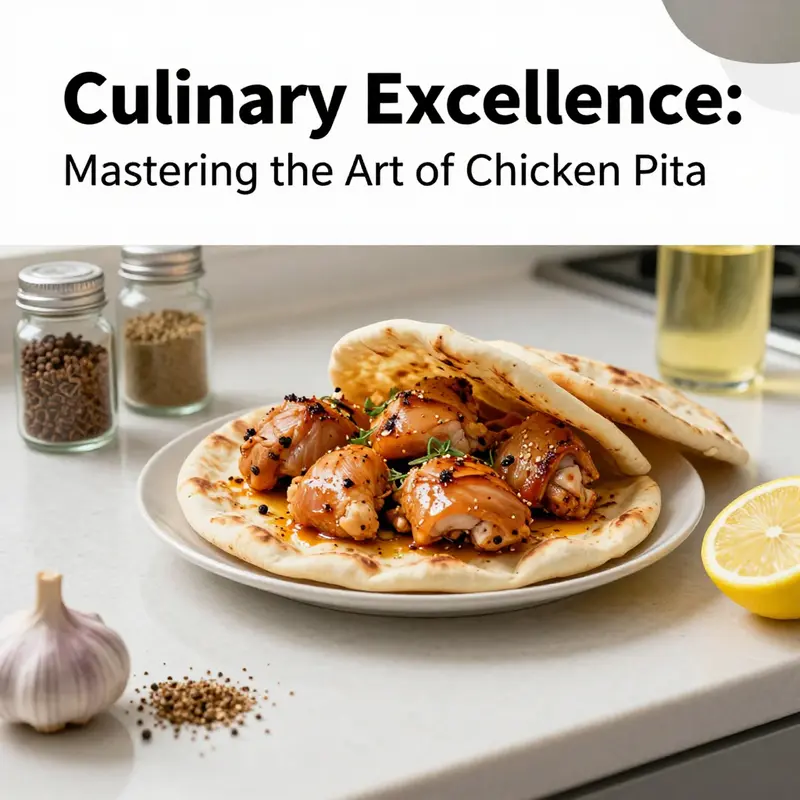
A chicken pita is more than a sandwich; it is a dialogue between heat, acidity, herbs, and bread. The preparation begins with a well balanced marinade and ends with a grilled chicken finished just right. This chapter explains how to coax juiciness from the meat, build aroma with spices, and assemble a pita that stays cohesive from first bite to last. The core idea is simple: let the chicken soak in flavor, grill to a just-right finish, and present it with fresh vegetables and a creamy sauce that ties everything together inside a warm pita. Choosing the right cut matters; boneless skinless breasts or thighs work well. Breasts yield a lean filling; thighs offer more moisture. Trim uniformly to ensure even cooking. Marinade is the next crucial act: olive oil for moisture, lemon juice for brightness, garlic for perfume, and herbs such as parsley or oregano for a Mediterranean whisper. Salt and pepper finish the base. This base can be expanded with cumin and coriander for a Middle Eastern profile, or paprika for a smoky touch. Marinate 30 minutes for quick flavor lift; two to four hours yields deeper penetration. While waiting, prep vegetables and a creamy sauce like tzatziki or hummus to add moisture without making the pita soggy. Grill the chicken on medium-high until the internal temperature reaches 165°F (74°C). Let it rest, then slice thinly across the grain. Warm the pita briefly with a light brush of olive oil to strengthen the bread and enhance aroma. Assemble with crisp lettuce, tomatoes, cucumbers, and a modest amount of sauce to avoid sogginess. Finish with herbs for brightness and wrap tightly to keep the filling together. The technique is adaptable to different tastes and occasions, so you can lean into yogurt sauces, garlic, cumin, or fresh lemon to suit your pantry and appetite. The broader idea is to create a portable, flavorful meal that travels well and scales from quick weeknights to gatherings. This chicken pita serves as a flexible platform for improvisation, letting you reuse leftovers, adjust spice levels, and pair with a variety of vegetables and sauces.
Final thoughts
The chicken pita is not merely a meal; it symbolizes the blending of cultures and flavors, providing endless possibilities for creative culinary expression. With its rich marination and grilling techniques, it promises to deliver a memorable dining experience. By adopting this recipe into your business or kitchen, you can introduce your customers to a delightful fusion dish that speaks to diverse culinary traditions while ensuring robust taste and satisfaction. Embrace the vibrant world of chicken pita and watch it elevate your menu offerings, allowing you to stand out in the competitive culinary landscape.