

Bobby Flay’s crab cakes have become a symbol of quality and flavor in American seafood cuisine, often sought after by discerning diners. For business owners looking to enhance their menus, understanding the intricacies of this celebrated dish is paramount. This article will delve into three pivotal aspects: the essential ingredients and techniques required to craft these crab cakes, the delicate balance of flavors that defines their profile, and the best serving suggestions that can amplify the dining experience. By dissecting each element, restaurant owners can incorporate this signature dish into their establishments, ultimately attracting more customers and elevating their culinary reputation.
Mastering Bobby Flay’s Crab Cakes: Ingredients, Technique, and a Chef’s Touch
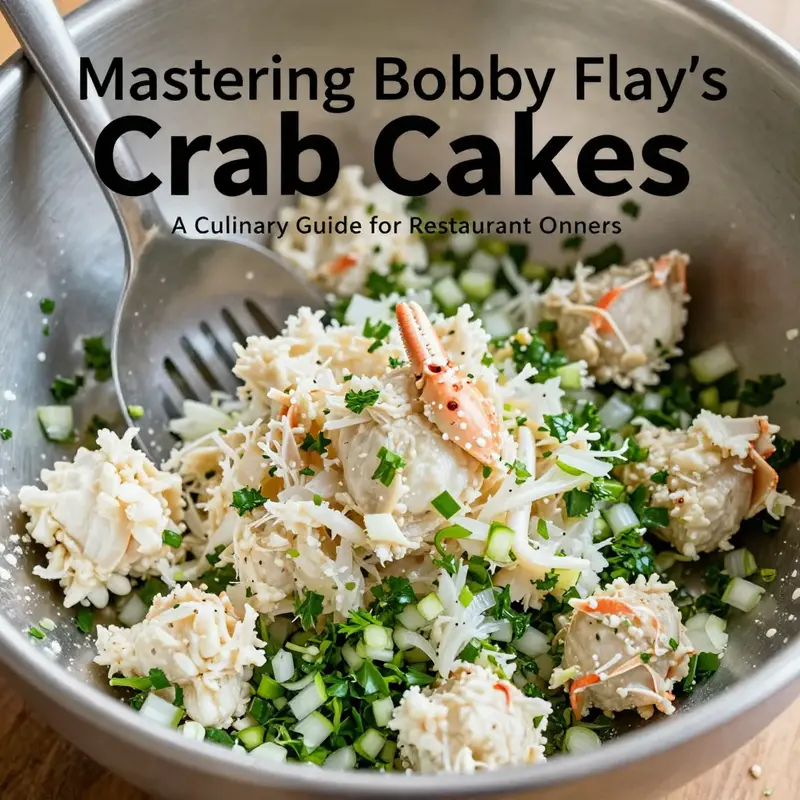
Ingredients and Technique
Bobby Flay’s crab cakes are a lesson in restraint. They keep the crab at the center while adding bright aromatics and a gentle binder. The fundamental ingredient is one pound of jumbo lump crabmeat. Use the biggest, cleanest lumps you can find. They deliver the sweet, delicate texture that separates restaurant-quality crab cakes from ordinary versions. Avoid canned crab unless absolutely necessary. Fresh or pasteurized lump offers two advantages: flavor and visible texture. The lumps should be treated carefully throughout.
To complement the crab, gather a few simple components: finely chopped yellow onion for a mild bite, several cloves of garlic for depth, finely minced green onion or parsley for freshness, and a modest amount of panko breadcrumbs to provide structure without overwhelming the seafood. A single beaten egg, a tablespoon of mayonnaise, and a teaspoon of Dijon mustard form the gentle binder. Add a splash of Worcestershire sauce and a pinch of Old Bay for classic seasoning, and a touch of lime or lemon juice to lift the profile.
The technique is as important as the ingredient list. Start by making the binder. Whisk the egg, mayonnaise, and Dijon until smooth. Stir in the Worcestershire, a squeeze of lime, and the minced green onion or parsley. This mixture should coat the crab, not swamp it. When you add breadcrumbs, do so sparingly. About a quarter cup of panko is usually enough for a pound of crab. The goal is cohesion, not filler.
Fold the crab into the binder gently. Think of this step as protective handling instead of vigorous mixing. You want to preserve the lumps. Break up only what needs to be integrated. Add the finely chopped onion and minced garlic, then fold again just until combined. If the mixture feels too wet, sprinkle in more panko a tablespoon at a time. The finished blend should hold shape when pressed, but still feel tender.
Form the crab cakes into patties with slightly tapered edges. Make them uniform to encourage even cooking. Place the shaped patties on a tray and refrigerate for at least thirty minutes. Chilling firms the binder and reduces crumbling during the sear.
When it’s time to cook, heat a skillet over medium-high heat. Use a neutral oil with a high smoke point. A small pool of oil in the pan keeps the crab cakes from sticking and promotes an even, golden crust. Sear for three to four minutes per side, or until the exterior is deeply golden and crisp. Resist the urge to flip repeatedly. One confident flip preserves juiciness and encourages a caramelized surface.
Bobby’s approach favors a short, hot sear that creates contrast: a crunchy exterior and a moist interior. If you prefer a more forgiving method, start in the pan then finish in a 350°F oven for five minutes. That reduces risk without surrendering texture.
Seasoning deserves careful attention. A little Old Bay provides familiar savory notes. A few dashes of Worcestershire add umami. Salt lightly; too much will overpower the crab. Acid is your friend: a squeeze of lemon or lime brightens each bite and balances the richness from the mayonnaise.
Serving is simple and strategic. A classic remoulade or tartar sauce pairs well, but a light yogurt-based sauce or a simple lemon-herb vinaigrette keeps the crab front and center. Garnish with fresh parsley or microgreens and serve immediately for best texture.
Small variations can reflect occasion and taste. Add a touch of finely diced red pepper for color and sweet crunch. Swap some parsley for chives to introduce oniony notes without extra bite. If you want a heartier presentation, top the crab cake with a tiny salad of cucumber and fennel dressed in lemon and olive oil.
Sourcing and storage matter. Buy lump crab from a reputable fishmonger. If using pasteurized crab, drain gently and pat dry. Store fresh crab on ice and use quickly. Leftover cooked crab cakes keep for a day in the refrigerator, but plan on reheating gently to preserve texture.
Troubleshooting is straightforward. If cakes fall apart, add an extra beaten egg or a tablespoon more panko, then chill longer. If they taste flat, lift them with acid and salt. If they’re too bready, reduce the crumbs and rely more on chilling to hold shape.
Bobby Flay’s philosophy is clear: let the crab speak first. Minimal filler, a light hand with the binder, and a confident sear allow the seafood’s natural sweetness to dominate. This method produces crab cakes that read as thoughtful and refined rather than loaded and heavy. For a complementary seafood idea that shares the same spirit of letting shellfish shine, see this recipe for crab-stuffed-shrimp.
For the full, original method and a staged cooking demo, consult the accompanying resource from the Chef’s Throwdown episode. It provides step-by-step visuals useful for first-time makers: https://www.foodnetwork.com/recipes/bobby-flay/bobby-flays-crab-cakes-recipe-2076895
Layering Brightness and Brine: The Taste Architecture of Bobby Flay’s Crab Cakes

The flavor of Bobby Flay’s crab cakes rests on a careful architecture — one that showcases the sweet, oceanic quality of premium crab while adding measured, complementary accents. The first and most important element is the crab itself. Using jumbo lump crabmeat provides large, silky pieces that deliver the natural sweetness and subtle brininess that define the dish. When the crab is high quality, it becomes the centerpiece. All other ingredients exist to lift it, not to hide it.
Aromatics give the cakes depth without distracting from that central sweetness. Finely minced yellow onion and garlic supply savory warmth and a faint caramelized note when cooked. The onion brings a mild sweetness that pairs naturally with crab. Garlic, used sparingly, adds roundness and a savory thread that ties the flavors together. Fresh parsley contributes a green, herbaceous lift. It brightens each bite and refreshes the palate between morsels of rich crab.
Acidity is a small but essential counterpoint. A splash of lime juice cuts through the richness from mayonnaise and egg. It wakes the overall profile and highlights the crab’s inherent brightness. Lime is slightly more assertive than lemon, offering a crisp citrus edge that modernizes the classic crab cake flavor. That acidity also prevents the texture from feeling heavy, keeping the interior light and yielding.
Seasoning must be judicious. Old Bay or a similar seasoned blend introduces a familiar coastal seasoning note: paprika, celery salt, and subtle mustard-derived heat. Applied lightly, this seasoned salt hints at Chesapeake and New England traditions while allowing the crab to remain central. Dijon mustard and Worcestershire sauce add umami and gentle tang. Mayonnaise and a beaten egg provide cohesion and silkiness without overwhelming the mix. Together, these binders ensure a tender, cohesive patty that still flakes apart to reveal generous lumps of crab.
Texture plays a role in how we perceive flavor. Pan-searing the cakes creates a golden, crisp exterior that contrasts with the soft interior. That contrast amplifies perceived richness and gives the mouthfeel its satisfying combination of crunch and tenderness. The caramelized crust introduces a toasty note that complements the sweet crab and savory aromatics. Cooking over medium-high heat ensures a crisp surface without drying the interior. A gentle hand while forming the patties preserves the lumps. Overworking the mixture will create a denser cake and mute the crab’s presence.
Layering is as important as individual ingredients. Each component — herb, allium, acid, seasoned salt — should be added with restraint and balance. The goal is a chorus, not a solo performance from any one seasoning. Taste as you go; if the mixture leans too salty, a squeeze of citrus can restore balance. If the mixture lacks personality, a tiny pinch of mustard or Worcestershire will deepen the profile without stealing the spotlight.
Finishing touches highlight the crab and clean the palate. A fresh squeeze of lemon or lime just before serving sharpens the flavors. Classic remoulade or a light tartar-style sauce offers creaminess and acidity that echo the cake’s internal notes. For a modern twist, a citrus-herb vinaigrette or a simple pickled slaw provides brightness and a textural counterpoint. These accompaniments should echo rather than compete with the cake’s seasoning.
Ingredient quality and handling influence flavor as much as the recipe itself. Use fresh or properly handled, refrigerated crabmeat. Avoid canned options unless necessary. Gently fold the crab into the binder to keep the lumps intact. Mince aromatics finely so they integrate smoothly and distribute evenly. Resting the formed patties briefly in the fridge firms them, which helps produce a better sear with less breakage.
Adjustments for personal taste are straightforward. If you prefer a bolder profile, add a touch more Old Bay or a whisper of cayenne for heat. For a cleaner, brighter cake, increase the lime and parsley. For richer, creamier cakes, a bit more mayonnaise will do the trick, but temper that increase with an extra dash of acid. The beauty of Flay’s approach is that it leaves room to tailor intensity while preserving the crab-forward essence.
When served, the ideal crab cake balances the shell and interior sensations. The first bite should give a warm, crisp edge followed by delicate, sweet crab pieces accented by herbs and a citrus finish. Done correctly, the flavors feel layered and intentional. Nothing should fight for dominance; instead, each bite should feel like a small, harmonious event.
If you enjoy exploring related seafood ideas, try this crab-stuffed shrimp variation for another expression of shellfish richness: crab-stuffed shrimp. For reference on the specific seasoning choices and overall approach that inspired this discussion, see the original recipe notes here: https://www.pinterest.com/pin/123456789012345678/.
Elevating Bobby Flay Crab Cakes: Pairings, Plating, and the Art of a Complete Sea-Side Meal

Bobby Flay’s crab cakes sit at the intersection of luxury and comfort, a dish that invites conversation with the first crack of a golden crust and the soft, briny sweetness inside. To honor that balance, the way you present and accompany the cakes matters as much as the technique that went into forming them. The cakes themselves are a study in restraint and texture: jumbo lump crab meat kept intact enough to yield delicate pearls of meat with a crisp edge that resists soggy failure. The aromatics—finely chopped yellow onion, garlic, and parsley—provide brightness without masking the crab’s oceanic character. A light binding of beaten egg, a kiss of mayonnaise, Dijon mustard, Worcestershire, Old Bay, and a squeeze of lime rounds out the mixture, coaxing the flavors into a cohesive bite while preserving the hand-measured tenderness that shows care rather than force. The key, as Flay demonstrates, is to fold gently, just enough to moisten and bind, never so aggressively that the crab meat loses its personality. When the patties hit the pan, the goal is a dry, decisive sear that locks in moisture rather than steaming it away. The result is a crust that shatters with a satisfying crack, revealing juicy, almost luxurious crab inside. Any discussion of serving such a dish should start with the idea that the accompaniments are not mere fillers but essential to the overall experience, a choreography of textures and flavors that heightens the dish’s natural sweetness. A crisp, refreshing counterpoint helps the crab cakes shine rather than dull under heaviness, and that counterpoint can be achieved with a few well-chosen sides and a thoughtful sauce. A mixed green salad dressed in a light citrus vinaigrette provides an instant contrast: the greens offer bitterness and brightness, the citrus delivers acidity, and the oil helps carry the subtle salt of the crab without clumping on the plate. The vinaigrette should be bright yet not aggressive—think lemon or orange zest, a touch of honey for balance, and a whisper of Dijon to echo the mustard in the cake. This is not a pretense but a practical approach to balance; the salad’s acidity and herbaceous lift act as a palate reset between bites, allowing the crab’s brine to feel fresh rather than heavy. On the other side of the plate, a more indulgent component can be grilled corn on the cob brushed with melted butter and a hint of smoked paprika. The corn offers sweetness and a subtle smoky warmth that pairs naturally with seafood, while the paprika adds a molasses-like undertone that echoes the warmth of the crust. The contrast between the crisp cake and the tender corn creates a play of textures that makes the meal feel like a happening rather than a simple dinner. If you prefer a larger vegetable echo, a medley of charred zucchini, bell peppers, and asparagus tossed with olive oil and fresh herbs provides color and savory depth without crowding the plate. The vegetables’ char would mirror the crust’s crispness, and the herbs—perhaps a whisper of thyme or oregano—tie the dish back to the fresh aromatics in the crab cake itself. The throne of any crab cake plate, however, is the sauce that glides across the surface and lingers on the palate. A homemade tartar sauce offers bright acidity and a tang that cuts through the richness, while a creamy aioli—built on a simple base of mayonnaise with lemon juice, a touch of garlic, and a hint of chives—delivers a luxurious mouthfeel that echoes the crab’s indulgence. Either choice is more than a garnish; it is a companion that amplifies natural sweetness and adds a glossy, inviting texture to every bite. For a polished presentation, you can place the crab cakes on a bed of arugula or microgreens and finish with a squeeze of lemon. The greens add peppery contrast, the lemon provides a final citrus lift, and the overall effect is a plate that looks as fresh as it tastes. From a pairing perspective, a dry white wine such as a Sauvignon Blanc or a lean Chardonnay can offset the sweetness of the crab while carrying the aromatics of the sauce. This is a pairing that respects the shellfish’s delicate profile while offering enough acidity to keep the course feeling light and refreshing. As with any high-impact seafood preparation, the technical focus remains on how the crab meat is handled. Gentle folding, careful seasoning, and a brief chill before forming patties help maintain texture and prevent the formation of a mealy bite. These choices echo the philosophy behind Flay’s method: celebration through precision. The result is not just a dish but a complete dining moment, one that invites conversation and a little indulgence without losing sight of restraint and balance. For readers who want to explore related seafood ideas that can complement a crab cake menu, consider a well-placed reference to related shellfish pairings like crab-stuffed shrimp, which can be explored in depth here: https://meatrecipesblog.com/crab-stuffed-shrimp/. These connections expand the experience beyond a single recipe while keeping the flavor language cohesive across a coastal-inspired table. If you’re curious about the detailed, original method behind Bobby Flay’s crab cakes, a thorough, older presentation of the recipe can be found in primary sources, and it remains a useful benchmark for texture and balance. For readers who want to dig deeper into the historical and technical nuances of this dish, a comprehensive recording and analysis are available in the cited material at the Scribd repository, which documents the recipe’s proportions and technique in context: https://www.scribd.com/document/478602191/Bobby-Flay-Crab-Cakes-Recipe-3-5-5-PDF. The goal is to keep the plate vibrant and inviting, and to remind ourselves that good cooking is a conversation between ingredients, technique, and seasonality. With the right sides, a carefully chosen sauce, and a thoughtful plate, Bobby Flay’s crab cakes become more than a notable recipe—they become a memorable meal that makes seafood feel both accessible and celebratory.
Final thoughts
Incorporating Bobby Flay’s crab cakes into your restaurant’s menu not only enhances your culinary offerings but also speaks volumes about your commitment to quality. By meticulously selecting high-quality ingredients and mastering the technique, your business can stand out in the competitive culinary landscape. The dynamic flavor profile and elegant presentation of these crab cakes are sure to captivate your customers, making each dining experience memorable. Ultimately, embracing this iconic dish can attract seafood lovers and upscale clientele, cementing your establishment as a go-to destination for exceptional cuisine.