

Barramundi, a versatile fish celebrated for its mild taste and firm texture, offers a world of possibilities in the kitchen. As business owners seek innovative menu options to satisfy a diverse clientele, understanding the culinary potential of barramundi becomes essential. This article delves into two captivating chapters: the first highlights delicious recipes that showcase barramundi’s unique qualities, while the second explores the diverse cultural influences that shape these recipes. By the conclusion, you will appreciate how to harness barramundi’s versatility, enhancing your offerings and expanding your culinary reach.
Barramundi Mastery: Crisp Skins, Bright Tacos and Hearty Bakes
Barramundi Mastery: Crisp Skins, Bright Tacos and Hearty Bakes
Barramundi is a kitchen all-rounder. Its firm, white flesh holds together under high heat. Its mild flavor accepts bold seasonings and subtle finishes alike. The recipes that follow show four directions you can take one fish, depending on mood, time, and the ingredients at hand. Read them as practical techniques as much as recipes — methods that translate to other fish. Each approach aims to preserve moisture while layering texture, acid, and aroma for balanced plates.
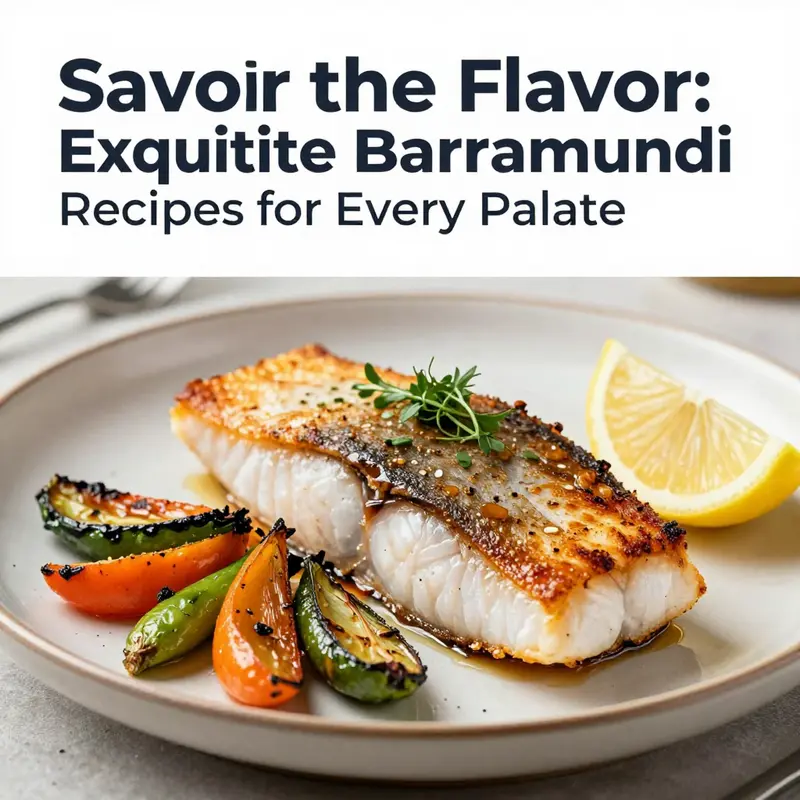
Start with the pan-seared fillet, where the star is a crackling skin. To achieve a Crispy Skin Barramundi with Lemon Butter Sauce, pat your fillets very dry and season simply with salt and pepper. Heat a thin film of neutral oil in a heavy pan until it shimmers but does not smoke. Lay the fish skin-side down and press gently for the first 30 seconds to keep the skin flat. Cook uninterrupted for 4 to 5 minutes, depending on thickness, until the skin releases easily and turns deep golden. Flip and finish for another 2 to 3 minutes. Remove the fish and let it rest briefly.
Use the same pan to build the lemon butter sauce; this recovers fond and concentrates flavor. Lower the heat and add butter. Once melted, add fresh lemon juice and a little zest for brightness. A pinch of chopped thyme or parsley brings herbal lift. Swirl the sauce until it becomes silky, then spoon over the fish just before serving. The contrast of the crisp skin against the tender flesh is compelling, and the lemon butter marries richness with lift. For an alternate finish, stir in a teaspoon of capers with the butter for saline pops.
Baking is where barramundi becomes a forgiving, communal dish. A single-pan meal, such as Baked Barramundi with Tomatoes and Potatoes, captures rustic comfort and layered textures. Slice baby potatoes thin so they cook through, and toss them with olive oil, salt, pepper, and a little smoked paprika. Arrange potatoes in an oiled roasting dish and roast at 200°C (about 400°F) until they begin to soften, roughly 20 minutes. Add halved cherry tomatoes, a smashed garlic clove, and a handful of thinly sliced onions. Nest the seasoned barramundi fillets on top, drizzle everything with more olive oil, and return to the oven for another 10 to 12 minutes. The tomatoes break down and form a light sauce with the fish juices. Finish with torn basil and a drizzle of extra virgin olive oil for freshness.
This method thrives on simple chemistry: the potatoes act as a vessel for absorbed juices, while tomatoes lend acidity that keeps the fish tasting lively. If you like a crisper potato edge, par-cook them first or use a cast-iron skillet that tolerates high oven heat.
For a spiced, aromatic option, transform barramundi into a Baked Indian Fish Pilaf. Sear pieces briefly in oil with ground turmeric and chili until lightly colored. In a separate pot, sweat onions with whole spices like cinnamon and cardamom until soft. Add basmati rice and toast briefly, then pour in hot stock and nest the seared fish on top. Cover and finish in the oven until the rice is tender and the fish flakes easily. Layer flavors by folding in fried onions, toasted nuts, and handfuls of chopped cilantro. The result reads as a complete meal: tender, fragrant rice punctuated by moist fish and crunchy garnishes. This technique rewards attention to timing; overcooking rice will dry the fish.
Finally, when you want something playful and fast, barramundi tacos hit the spot. The Barramundi Tacos with Mango Salsa use simple marinades and quick cooking to create explosive flavor contrasts. Marinate thin fillets in lime juice, olive oil, ground cumin, and chili powder for at least half an hour. Grill or pan-sear them until done and flaky, then break into bite-sized pieces. For the salsa, finely dice ripe mango, red onion, cilantro, and jalapeño. Add lime juice and a pinch of salt. Warm corn tortillas and assemble with fish, salsa, and slices of creamy avocado. Add a drizzle of yogurt or a light crema for cooling balance. Tacos showcase barramundi’s flexibility: the fish holds up to bold heat and pairs naturally with sweet, acidic, and spicy elements.
Across these preparations, a few consistent practices will elevate your results. First, avoid overcrowding your pan or baking dish. Air circulation and stable heat produce crisp skin, roasted edges, and even cooking. Second, control moisture: pat fillets dry to ensure browning, and don’t rinse fish before cooking. Third, think about acid as seasoning, not just garnish. Lemon, lime, and tomatoes cut through oil and butter and highlight the fish’s delicate sweetness. Fourth, time your finishing ingredients. Herbs added at the end retain brightness, while those cooked longer become mellow.
Substitutions and simple variations keep these recipes adaptable. In the lemon butter preparation, swap thyme for dill or tarragon to change the aroma. For the baked one-pan, exchange potatoes for thin-sliced fennel and use orange segments for a citrus twist. In the pilaf, replace basmati with jasmine rice for a softer, stickier texture and add a spoonful of ghee for deeper flavor. For tacos, use cabbage slaw instead of mango salsa for crunch and tang when mangoes are out of season.
Serving ideas help these recipes land as meals. Pair crisp-skinned barramundi with a small green salad tossed in a mustard vinaigrette and boiled new potatoes for a light, elegant plate. The baked tomato and potato dish works wonderfully with crusty bread to mop up juices, or with a simple green vegetable like sautéed spinach. The Indian pilaf is excellent with cooling raita and pickled vegetables. Tacos are happiest with a chilled beer or a bright white wine, but they also fare well with iced tea for a casual meal.
Make-ahead and storage tips matter when you cook often. Pre-marinating fish for tacos is safe for a few hours in the fridge, but avoid overnight marination in abundant citrus, which cooks the fish slightly. You can roast potatoes and tomatoes a day ahead and reheat gently, topping with freshly cooked fillets at service. Leftover pilaf stores well for 24 to 36 hours; reheat gently with a splash of water to keep the rice soft. Cooked barramundi will keep for up to two days in an airtight container in the refrigerator. For best texture, reheat slowly in a low oven rather than in the microwave.
Texture tricks give restaurants-style contrast at home. Crisp the skin under a broiler for 30 to 60 seconds at the end of pan-searing if you want an extra crunch. To ensure a flaky interior that remains moist, remove fillets from heat before they look completely done; residual heat carries them the rest of the way. For grilled fish, oil the grill grates rather than the fish to prevent sticking, and use a fish spatula to flip gently.
When sourcing barramundi, buy firm fillets with a fresh, ocean-like smell. If buying whole, check that the eyes are clear and that gills are bright. Sustainable sourcing varies by region, so ask your fishmonger about the fish’s origin and farming methods.
To broaden your repertoire quickly, try swapping in classic seafood sides and sauces. A garlic-butter sauce works on both shrimp and barramundi; use the same aromatics and finish with parsley. For a more Mediterranean profile, pair barramundi with capers, olives, and a light tomato concasse. If you enjoy shrimp recipes, try the techniques used in popular scampi preparations to inform your barramundi approach — they translate well. For a similar garlic-butter finish, see this recipe for Olive Garden shrimp scampi for ideas that can be adapted to barramundi.
Little details make dishes sing. Toast nuts before adding them to pilaf for a sharper crunch. Zest citrus over finished fish for an instant aroma boost. Finish tacos with a scattering of microgreens or thinly sliced radish for brightness and texture. Taste as you go and adjust salt and acid at the end. The goal is balance: fat, acid, salt, texture, and a touch of sweetness where needed.
These four preparations — crisp skin with lemon butter, a tomato-potato sheet bake, a spiced Indian pilaf, and fresh mango salsa tacos — illustrate how versatile barramundi can be. Use these recipes as blueprints. Swap spices, change accompaniments, and scale for larger gatherings. With practiced technique and attention to seasoning, barramundi will perform reliably across menus, from elegant weeknight dinners to lively weekend gatherings.
For more recipe inspiration that pairs with these techniques, you can explore additional variations and quick curries on Taste Australia: https://www.taste.com.au/recipes/quick-barramundi-and-broccoli-green-curry/96d7c8c5-d1a1-452b-87f8-2b978e17e287
Global Palate, Local Waters: Exploring Barramundi Recipes Across Cuisines
Barramundi is not simply another white fish. Its firm, pearly flesh and gentle sweetness invite cooks to treat it as a canvas rather than a finale. Native to the waters of Australia and Southeast Asia, this species travels easily through a spectrum of techniques and flavors, a culinary passport that travels as far as a kitchen can reach. When you cook barramundi with care, you hear the same promise across continents: a clean base, a forgiving texture, and a personality that shifts with spice, smoke, citrus, and herbs. In this chapter, we let the fish tell its story through four kitchens, four philosophies, and a handful of techniques that highlight its versatility while honoring the integrity of its meat. The recipes that follow the thread of this journey begin with a simple yet transformative principle: respect for the fish’s delicate sweetness and a readiness to pair it with elements that can both lift and echo its taste without overpowering it.
In Australia, the fish is often celebrated as a national treasure, a point of connection between land and sea. The tradition leans into bright native aromatics: lemon myrtle and bush tomato, both of which give the dish a distinctly Australian aroma without overpowering the fish. A classic method is to grill or pan-sear the fillet until the skin turns crisp while the flesh stays moist and fragrant. Another beloved approach is to wrap the fish in banana leaves and bake it over hot coals. The leaf heat and gentle smoke coax a subtle sweetness from the meat and lift the aroma with a whisper of resin and citrus. Such preparations foreground sustainability and local ingredients by design, reminding home cooks that a modest piece of barramundi can carry a region’s sense of place as surely as a signature sauce or a cherished herb blend. Envision the crackle of a skin that gives way to tender, flaked meat, a small chorus of herbs, and the faint perfume of native plants—the result a tribute to place as much as to technique.
Moving to East Asia, the same fish is prepared with a lighter touch, preserving texture and clarity of flavor. In Chinese kitchens, barramundi is often steamed or poached with ginger and scallion, a preparation sometimes described as steamed barramundi with ginger and scallion. The goal is a delicate, almost translucent finish that allows the fish’s sweetness to shine and the aromatics to perfume the air. In Thai cooking, barramundi holds up in curries and soups where coconut milk and lemongrass bring warmth and brightness. The fish’s firm flesh acts like a reliable scaffold for bold flavors, refusing to be overwhelmed by the heat of chilies or the richness of coconut milk. The practice here is restraint: minimal oil, short cooking times, and a searing kiss of hot ingredient just before service to sharpen the aroma and texture. Salt, lime, and fresh herbs meet the fish with a gentle hand, allowing bright citrus and ginger to cut through richness without smothering the natural character. These East Asian preparations remind us that a modest, respectful technique can elevate the ingredient without masking it.
In the Mediterranean tradition, barramundi becomes a stage for olive oil, citrus, and herbs that charm the senses with balance rather than blaze. A typical preparation involves marinating the fillets in olive oil, lemon juice, garlic, and a handful of herbs such as rosemary or thyme, then grilling or baking until the meat turns pearly and the edges develop a faint kiss of char. The result is a dish that radiates sunlit simplicity—fish that tastes of the sea first, olive oil second, and a gentle herbal lift that leaves room for roasted vegetables or a crisp green salad. The technique respects the natural fat in the fish, using fat and acidity to carry the flavors rather than masking them. This approach demonstrates how a global staple can assume the quiet elegance of a coastal market morning, where every bite feels clean, bright, and satisfying in equal measure. A whisper of oregano, a squeeze of lemon, and a handful of chickpeas or sautéed greens can turn a straightforward fillet into a plate that seems to exhale the scent of warm shores and long, lazy afternoons.
For cooks drawn to fusion, barramundi becomes a bridge between continents. A modern Nikkei twist might pair seared barramundi with yuzu-kosho, a citrusy, peppery paste that hits the palate with a bright, peppery zing. Aji amarillo salsa can bring a Peruvian heat to a dish, while a quinoa pilaf adds earthiness and a nutty texture that complements the fish without competing with its mild sweetness. The beauty of fusion is not simply the collision of flavors but the conversation it creates: where does the fish end and the sauce begin? In this dialogue, barramundi’s firm texture and mild sweetness give chefs a ready-made canvas to experiment with acidity, heat, and aromatic herbs. As with any fusion effort, balance becomes the watchword: a confident sauce, a respectful seasoning, and a clear sense of tradition behind the modern twist. This part of the journey reveals how versatile barramundi can be when the cook is curious, patient, and mindful of harmony among ingredients. You might envision a plate where a Japanese citrus note meets a South American heat, or where a Mediterranean olive oil lacquer meets a Southeast Asian herb finish, each enhancing the others rather than competing for attention.
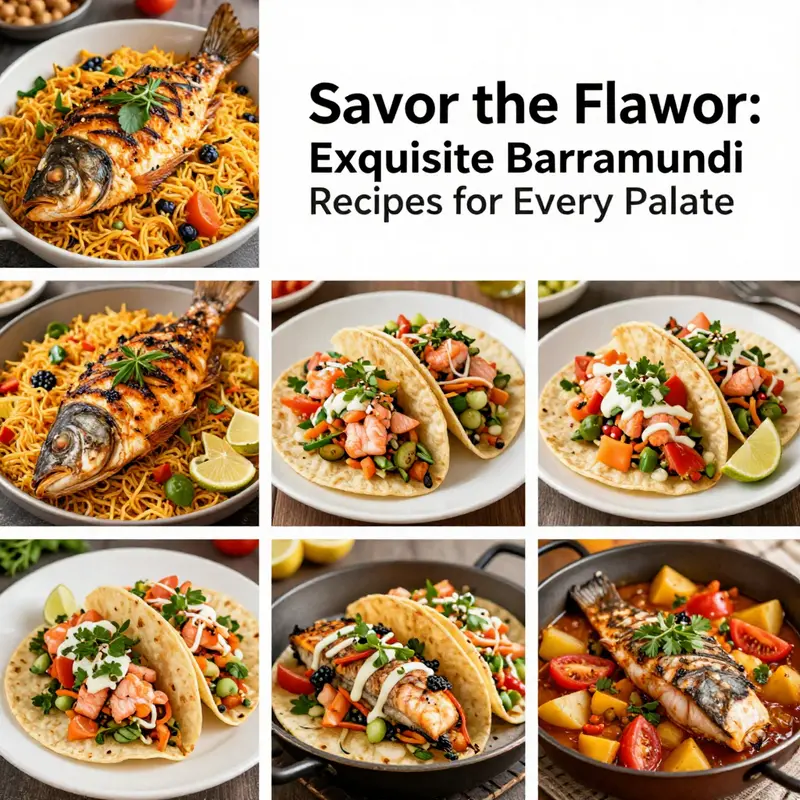
Consider the four recipes that opened this exploration. The crispy-skinned barramundi with garlic and herb oil demonstrates how a simple pan-sear and finish with a fragrant finish can elevate a delicate fillet into a centerpiece. The technique—start hot, pat dry, let the skin crisp before flipping—puts texture at the forefront. The baked fish with tomatoes and potatoes embodies comfort cooking: a one-pan scene where the fish basks in the juices of tomatoes and starch, absorbing sweetness and depth from vegetables and a gentle, steady heat. The baked Indian fish pilaf expands the scene into spice and grain, turning the meal into a complete plate of nourishment with warm, fragrant basmati or long-grain rice and a saffron-orange glow from turmeric and curry leaves. And the barramundi tacos bring the fish into casual, vibrant daylight, turning it into street-food elegance with fresh toppings, lime, and a dollop of tangy sauce that brightens the whole bite. Each dish reveals a thread—texture, aroma, balance—that holds steady as the world of flavors rotates around it.
As these dishes illustrate, you do not need an elaborate kitchen to make barramundi sing. You need attention to temperature, balance, and freshness. A key practice is to select fillets that are bright and firm, with skin that glistens slightly, and flesh that yields a clean, almost snappy resistance when pressed. From there, the plan can be one of several simple paths: a crisp-skin pan-sear with a herbed oil, a gentle steam to preserve moisture, a one-pan bake that gathers tomatoes and aromatics, or a thoughtful, spice-forward preparation that invites a curry or a citrus-redolent marinade. When you pair the fish with a sauce that mirrors your cuisine choice—or with a vegetable medley that echoes your region’s harvest—the result is a dinner that travels well across table and culture, yet remains deeply anchored in the fish’s natural identity. The aim is to keep the technique faithful to the fish while letting the flavor profile tell its own story, a story that can travel from a home kitchen to a shared table with friends from around the globe.
Technique matters as much as choice of flavor. For a crispy skin, the fish must be dry and room-temperature, patted with towels, and introduced to a hot pan with enough oil to prevent sticking. Do not crowd the pan; you want a quick sear that seals moisture and renders the skin crisp before the heat softens the flesh. If your aim is a gentle steam or poach, start with well-seasoned simmering water or a shallow stock with ginger and scallion, and keep the fish submerged just enough to cook evenly while preserving the suppleness of the texture. When baking, consider finishing with a touch of high-heat broil or a light drizzle of olive oil to create a lacquer of flavor that tightens the surface and enhances the aroma. With vegetables and starches, the pairing should emphasize freshness and seasonality: tomatoes that burst with sweetness, citrus zest that brightens, herbs that lift without overpowering. The choice of garnish matters, too, whether it be a sprinkle of toasted sesame seeds, a scattering of chopped chives, or a lemony accent that awakens the palate. These tiny decisions shape the overall impression: a dish that feels coherent in its texture, aroma, and visual appeal.
From a sustainability standpoint, barramundi offers an attractive balance of flavor and responsible sourcing. Because it is commonly farmed in many regions and can be harvested with careful management, cooks can enjoy the fish with fewer concerns about overfishing and habitat damage when sourcing from reputable producers. This chapter does not presume that one method is better than another; rather, it invites readers to explore how different culinary traditions interpret the same ingredient. The result is a melange of possibilities: experiments with smoke, with steam, with crisp skin and micro-herbs, with fragrant spice blends, each one a little step toward the larger conversation about food culture and ecological stewardship. The more you explore, the more you realize that barramundi offers a uniquely flexible profile: it accepts heat well, holds delicate aromatics, and emerges from the kitchen with a clean finish that invites the next course, be it a simple green salad or a more elaborate curry.
Readers who love barramundi already know its value, but this exploration emphasizes how a single fish can map to a wide map of tastes. The dishes described here—whether cooked with a banana leaf or a lime wedge, whether steamed with ginger or grilled beside a lemony fennel salad—are not just recipes. They are invitations to move beyond recipes and into a practice of listening—to the fish, to the ingredients at hand, to the texture of the meat, and to the rhythms of the kitchen. The intent is to empower home cooks to see barramundi as a dynamic partner rather than a fixed component. In this spirit, you may experiment with the seafood boil sauce recipe as a finishing flourish for grilled barramundi, a quick drizzle that unites a smoky crust with a bright, amped-up sauce. Seafood boil sauce recipe. The idea is to cultivate a sense of culinary curiosity that travels well—from the comfort of a family kitchen to the ingenuity of a night market or a dinner party with friends from different culinary backgrounds.
External resource for deeper context and broader culinary science can provide additional perspectives on how barramundi performs under varied cooking conditions and flavor strategies. For a more technical and global perspective on the versatility and health aspects of barramundi, consult the following resource: https://www.sciencedirect.com/science/article/pii/S096399692100045X
Final thoughts
Embracing the culinary possibilities of barramundi can significantly enhance your offerings, appealing to customers yearning for fresh and innovative seafood options. The recipes outlined in this article not only celebrate the fish’s flavor but also invite you to explore various cooking methods to suit different palates. By incorporating these delicious barramundi preparations into your menu, you can cater to a wide range of culinary preferences and delight diners with enticing meals. Take this opportunity to innovate and elevate your dining experience with barramundi today.