
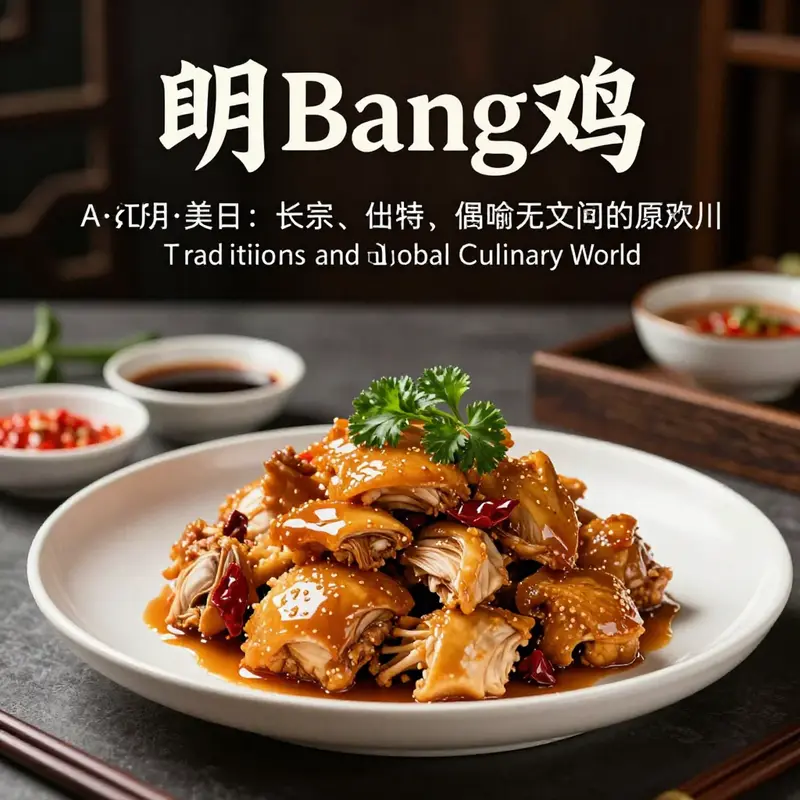
Bang Bang Chicken, known for its unique flavor profile and historical significance, is a dish that transcends cultural boundaries. With its roots in Sichuan cuisine, it has a rich tradition that began over 120 years ago. As business owners in the food industry seek innovative offerings that meet the tastes of a global audience, understanding the intricacies of Bang Bang Chicken can provide a competitive edge. This article delves into the culinary tradition of Bang Bang Chicken and examines its cultural impact and global adaptation, equipping business owners with insights to leverage this beloved dish in modern cuisine.
Beating the Drum of Flavor: The Living Tradition and Craft of Bang Bang Chicken
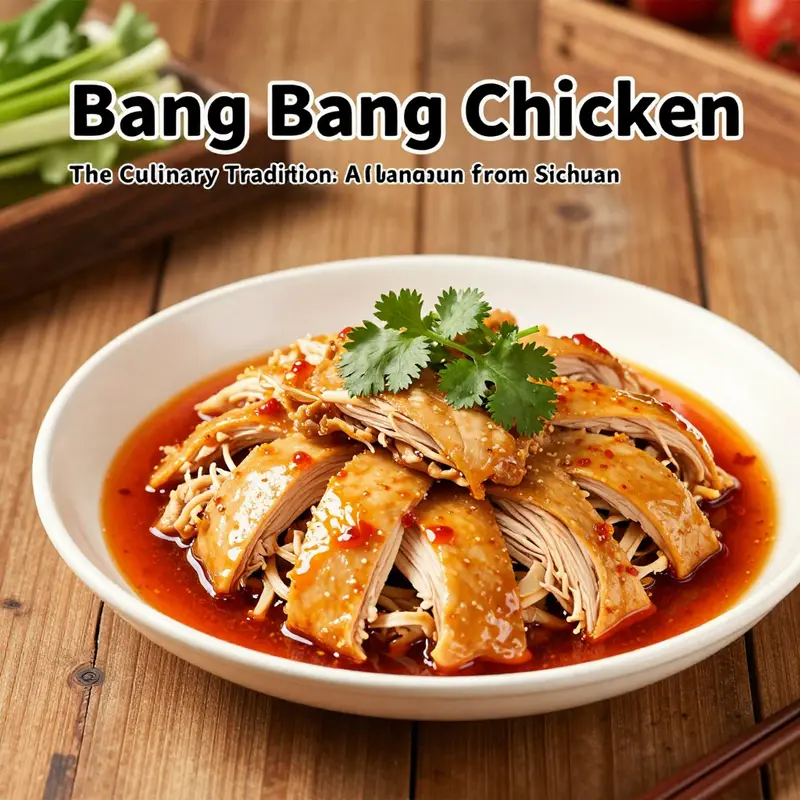
Bang Bang Chicken is a dish that sits at the crossroads of memory and technique. Born in Sichuan more than a century ago, its lineage travels from the kitchen of a renowned craftsman in Yingjing County, Ya’an, to countless restaurant tables around the world. Its story is not merely about heat and spice; it is about a craft that survives the fluctuations of taste by clinging to a quiet ritual that binds cooks to the land and to one another. The dish has earned a place in Sichuan’s intangible cultural heritage, a recognition that preserves not just a recipe but a way of seeing food as living culture. The English name Bang Bang Chicken, playful as it sounds, hints at a sound and a rhythm that accompany its making and invite curiosity about its origins. In its quiet, practical wisdom, the dish teaches us how a single concept can hold a region’s history and a kitchen’s future in balance, like a drumbeat that steadies a crowd while inviting it to listen closely to every layer of flavor that follows.
At the heart of Bang Bang Chicken lies a collaboration more than a technique: two cooks move in tandem as if in a carefully choreographed dance. One uses a knife to slice the boiled chicken into slender shreds; the other handles a wooden mallet, delivering measured taps. The pounding smooths the fibers and yields a tender chew that remains even after the glaze coats the meat. The rhythmic ‘bang, bang, bang’ is a sound map of craftsmanship, a signal of teamwork that travels from master to apprentice. In many kitchens, this beat is as essential as the sauce that follows, a reminder that skill is shared and stored in memory as much as in muscle. The dish thus embodies a tradition that is passed on through practice and patience. Local lore often ties the cadence to market bells and family dining rooms, where the same motions echo across generations, linking today’s plate to yesterday’s supper and tomorrow’s reunion.
Traditionally, the chicken is either breast or whole, gently simmered to preserve moisture before it is shredded and dressed. The signature sauce is built by simmering a broth with ginger slices, peppercorns, and star anise, seasoned with salt and a touch of aromatics until the flavors unfold. A final lift comes from chili oil or a hint of fermented bean paste, which adds depth and a lingering heat. When the shredded meat meets the warm glaze, the flavors mingle in layers: the subtle sweetness of the broth, the bright bite of garlic, the numbing aroma of Sichuan pepper, and the savory note that soy and sugar provide. The result is heat that announces itself, then recedes, inviting the palate to discover its evolving profile rather than a single explosive moment. Some households nuance the broth with a whisper of Shaoxing wine or a splash of citrus, while others keep the mixture lean and clean to let the chicken’s texture shine. The balance between moisture, bite, and aroma is where the dish earns its reputation as both comforting and precise.
Modern versions honor the core gesture—pounding, shredding, tossing—while inviting light variations that reflect global tastes. Some diners enjoy a squeeze of lime to brighten the dish, others favor herbs like cilantro or thin strips of cucumber for cooling counterpoints. Yet in every iteration, the spirit remains intact: a fast, precise assembly that makes the chicken sing with the glaze rather than drown in it. The texture—shredded yet resilient, glossy with the sauce—speaks to the pounding as much as to the simmer. Across menus, Bang Bang Chicken appears in salads or plated appetizers, carrying with it the memory of Sichuan’s streets, steam, and sharp aromatics. The dish thus serves as a bridge between authenticity and accessibility in modern kitchens. In many homes, the method is taught with patient repetition: the transcription of a neighborhood recipe into a formal method that still welcomes improvisation and personal touch. The result is a plate that remains faithful to its origins while inviting new cooks to claim a part of the beat for themselves.
Beyond flavor, Bang Bang Chicken is a narrative of place and culture. It grew in a culinary climate famous for boldness and technique, where cooks invented within constraints—humble ingredients, precise timing, and an insistence on balance. The dish’s global journey is a story of exchange, translating a Sichuan specialty into a language that diners around the world understand. In 2017, it earned international attention when praised as an outstanding appetizer by a prominent American critic, a moment that helped redefine Western perceptions of Chinese regional cooking. This recognition did not erase its origin; instead, it amplified the dialogue about how traditional Chinese cuisine can travel, adapt, and still honor its roots. And alongside such accolades, the discipline behind Bang Bang Chicken—careful simmering, controlled pounding, and disciplined seasoning—remains a model for respectful culinary storytelling.
Bang Bang Chicken thus becomes a case study in how a local craft persists in a global market. The pounding, the simmer, and the careful layering mirror a broader philosophy: technique matters, yet it remains supple enough to welcome reinterpretation. The dish exemplifies how memory anchors tradition, while curiosity about world flavors invites experimentation. The result is a culinary form that travels well without losing its identity—an ingredient-driven dish that can stand alone or accompany other flavors, yet always resists being subsumed by fads. In this sense, the Bang Bang beat is not a relic but a living cadence that continues to adapt to new kitchens while echoing its Sichuan origin. The dish’s adaptability also reflects broader conversations about how traditional cuisines negotiate modern diets and evolving palates, proving that history can be deliciously alive rather than fixed in amber.
Even as Bang Bang Chicken crosses borders, it keeps a nuanced relationship to home. The glaze often carries the aroma of Sichuan pepper and ginger that might recall crowded markets and lively street stalls. In contemporary restaurants, chefs honor this lineage by preserving the essential profile—the pepper-spice note, the warmth, and the clean finish—while letting the plate reflect local ingredients and sensibilities. For some, the dish becomes a salad, others a bite-sized starter; still others serve it as a tribute on a larger platter of family-style dishes. Across these forms, the beating heart remains visible: the coordination between two cooks, the way the sauce clings, and the moment when heat becomes harmony. Families pass down stories about the first time a plate sparked a conversation, a memory, or a new discovery about taste and texture. The dish thus sustains not only appetite but dialogue across generations and cultures.
As cuisine travels, concerns about health and nutrition accompany taste. The same technique can be presented with attention to sodium and fat, proving that tradition can be both flavorful and mindful. For readers curious about how traditional chicken dishes can be prepared with lighter profiles, see low-sodium-chicken-recipes. The conversation around Bang Bang Chicken thus becomes a gateway to broader discussions of balance in cooking, where heritage is honored even as kitchens respond to evolving dietary needs. The dish invites alignment between memory and mindfulness, showing that a single technique can support many different expressions without losing its core essence. In this sense, Bang Bang Chicken is less a single recipe and more a living method—a discipline that invites cooks to measure heat with care, sound with intention, and flavor with respect for place, history, and community.
External resource: https://www.britishcouncil.org/china/food-and-drink/bang-bang-chicken
From Hanyang Streets to Global Plates: How Bang Bang Chicken Became a Cultural Bridge
From Hanyang Streets to Global Plates: How Bang Bang Chicken Became a Cultural Bridge
Bang Bang Chicken carries more than flavor; it carries a way of life. Originating in Hanyang Ancient Town in Qingshen County, the dish grew from a local practice into a living cultural emblem. The signature rhythmic pounding, the simple act of shredding cooked chicken with a wooden stick, turned food preparation into an audible ritual. That sound—bang, bang—became the dish’s name and its calling card. What started as a pragmatic technique to tenderize meat and make it easy to eat evolved into a sensory performance that draws people in.
The cultural meaning of Bang Bang Chicken rests on that performance. In a small town, everyday cooking is public and communal. Vendors in markets, cooks in home kitchens, and shopkeepers on the street all contributed to the dish’s spread. The pounding method did more than break fibers; it created a moment people remembered. That rhythm anchored memory and identity. When outsiders heard and saw it, they learned something about the town’s pace, its textures, and its tastes. The dish thus functions as an accessible entry point into Sichuan culinary world and daily life there.
In recent years, that entry point widened through visual media. Social platforms crave moments that translate across languages and cultures, and Bang Bang Chicken supplies precisely that: a sensory spectacle. Videos that capture the pounding, the steam rising from freshly boiled chicken, and the glossy, chili- flecked sauce hitting shredded meat spread quickly. Influencers amplify the experience by framing it as both heritage and novelty. They do not just describe flavor; they show hands at work, the clap of wood on meat, the patient shredding into thin ribbons. Audiences respond to movement and sound, and the dish’s preparation becomes an immersive short film.
This new visibility reshaped how chefs and home cooks approach Bang Bang Chicken. In some kitchens, the approach is museum-accurate. Chefs seek original techniques, source local spices, and respect the balance of numbing Sichuan pepper with fragrant aromatics. In other kitchens the method is a template for experimentation. Restaurant menus in cities around the world incorporate the dish in fusion formats, pairing the shredded chicken with local ingredients. Cucumber and cilantro remain common, but one now sees additions like citrus vinaigrettes, toasted sesame, or Western salad greens. Such adaptations respect the technique while adjusting flavor profiles for new palates.
The global translation of Bang Bang Chicken highlights two parallel dynamics: preservation and reinvention. Preservation emphasizes technique, lineage, and a desire to protect the dish as intangible cultural heritage. In this frame, practitioners teach the precise ratios of spice, the right way to simmer aromatics, and the correct rhythm to pound without destroying the meat’s structure. Reinvention treats the dish as a method adaptable to other traditions. It is a scaffold onto which cooks attach regional seasonings and proteins. Where fresh chicken might be scarce, cooks use rotisserie or leftover poultry and reintroduce the vitality of the dish through bold sauce and texture. For home cooks seeking appliance-friendly options, recipes that reuse prepared chicken offer a practical pathway to enjoy the flavors without starting from scratch; see for example useful tips on transforming store-bought chicken in recipes like leftover rotisserie chicken recipes.
The tension between authenticity and evolution need not be antagonistic. Instead, it can be productive. When a dish becomes a living practice, it gains resilience. Local custodians can emphasize heritage in festivals and workshops. Traveling cooks can introduce the method to new audiences. Both actions expand the dish’s reach and keep it relevant. Importantly, authenticity can be about intent and respect rather than rigid replication. A chef in another country who studies the dish’s history and honors the core principles contributes to cultural appreciation. At the same time, creative reinterpretations invite cross-cultural dialogue and new taste experiences.
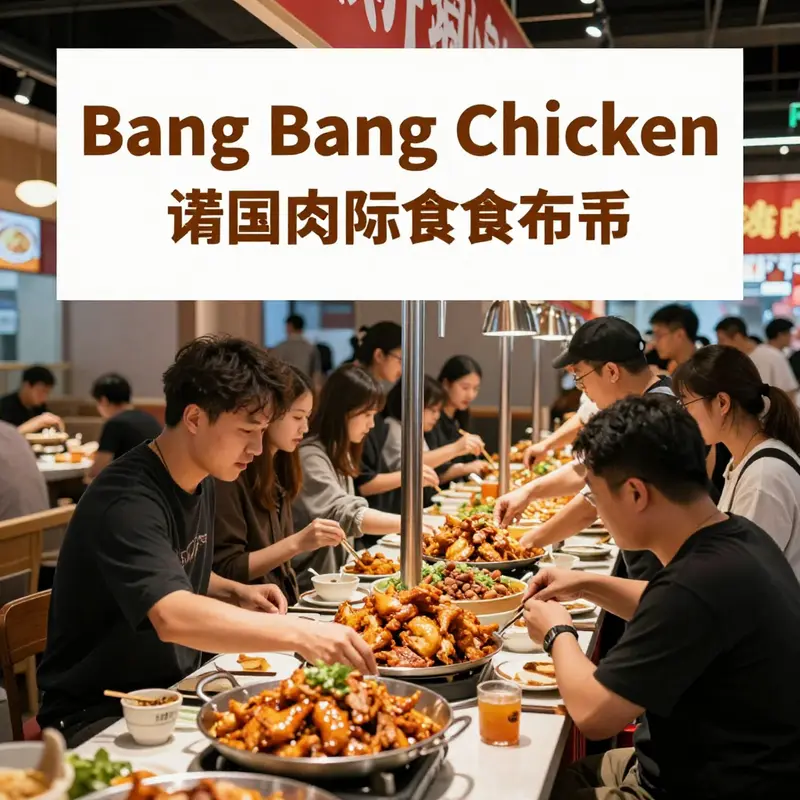
Tourism shaped by culinary curiosity plays a role too. Travelers now seek hands-on encounters. They attend demonstrations where elders teach the pounding technique. They taste versions served in family-run inns and street stalls. These encounters tie travel to memory and encourage cultural exchange beyond postcards. For Hanyang and Qingshen County, such interest brings economic opportunities and meaningful connections. Local communities that host visitors can showcase more than a recipe; they reveal social practices and seasonal rituals that surround food.
The dish’s sensory appeal also explains its marketing potential without commercializing its identity. The pounding is a short, shareable spectacle that fits modern attention spans. Yet the dish resists reduction to a gimmick because its flavors hold weight. The sauce combines numbing spice and savory depth. It rewards both quick clips and slow tasting. That duality—instant thrill and lasting taste—makes Bang Bang Chicken an effective cultural ambassador.
As Bang Bang Chicken travels, adaptations reflect dietary and supply realities. Chefs reduce heat for general audiences or emphasize chili for those who crave intensity. Some versions swap the vegetable components to reflect local produce. The method works with poached, roasted, or rotisserie chicken, and with a range of garnishes. These substitutions show culinary languages borrowing one another’s grammar. Each version tells a story about place, access, and preference.
Cultural transmission in the digital era raises questions about stewardship. Who gets to tell the dish’s story? How should its origins be communicated? Scholars, culinary historians, and community leaders play important roles here. Clear attribution to Hanyang and the region’s cooks matters. So does documenting the technique and the context in which it developed. That documentation supports teaching initiatives and helps guard against misrepresentation. At the same time, open exchange fosters appreciation. When chefs in other countries acknowledge their sources and explain their adaptations, they participate in respectful culinary diplomacy.
Finally, Bang Bang Chicken’s global journey reveals how a single dish can foster connection. It invites diners to hear a rhythm, taste a regional spice, and imagine a town where food is both daily necessity and expressive art. Its migration from Hanyang streets to international menus shows how cultural practices can be shared without losing their soul. By balancing preservation with reinterpretation, communities and cooks can ensure Bang Bang Chicken remains both a heritage to honor and a practice to enjoy. For deeper reporting on how this dish resonates across cultures and how local gatherings and influencers shaped its rise, see this detailed report: https://www.scmp.com/lifestyle/food-drink/article/3408295/cultural-impact-bang-bang-chicken-global-adaptation
Final thoughts
Bang Bang Chicken stands not only as a testament to culinary innovation but also as a bridge between tradition and modernity. Its unique preparation and rich flavors have secured its place on menus worldwide, offering business owners an opportunity to tap into both authentic Chinese flavors and contemporary dining trends. By embracing the heritage of Bang Bang Chicken, food enterprises can create experiences that resonate with customers and celebrate the vibrancy of global cuisine.