

For business owners in the food industry, embracing efficient cooking methods can significantly enhance menu offerings and customer satisfaction. The air fryer has emerged as a popular kitchen appliance, allowing for faster cooking with less oil while producing delightful flavors. This article delves into an exquisite air fryer ham steak recipe infused with a rich brown sugar glaze. In the first chapter, we will explore the essential ingredients and step-by-step instructions for preparing this dish, ensuring a tender and flavorful outcome. The second chapter will then discuss advanced cooking techniques that not only amplify the flavors but also enhance the presentation, making your dish a standout selection. By the end, you’ll be equipped with insights that can be applied to your own culinary endeavors or service innovations.
From Fridge to Glaze: A Honey-Dijon Air-Fryer Ham Steak in Minutes
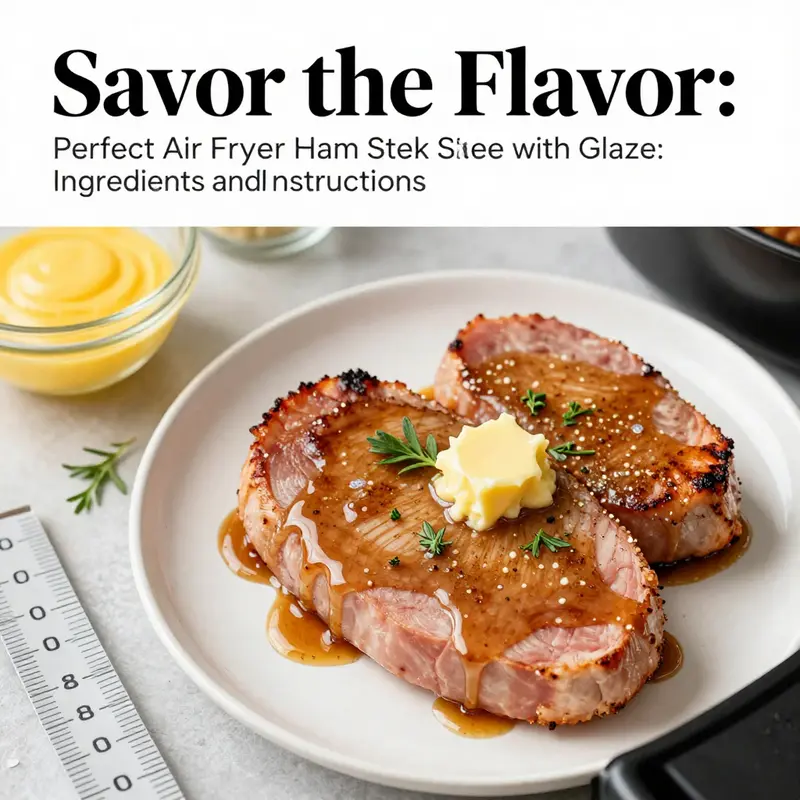
A ham steak can feel like a blank canvas, especially when you want a quick weeknight dish that tastes like something you spent longer on. The air fryer changes the timing and texture equation, turning a modest 6–8 oz slice into something tender with a gently crisp edge. What makes this approach sing is the glaze, a bright, glossy coating built in a small moment on the stove and then finished in the heat of the fryer. You’ll notice the glaze isn’t just sweet; it carries a whisper of Dijon, a kiss of cinnamon if you choose it, and a balanced peppery heat that keeps the meat interesting without overpowering its natural ham flavor. The result is a bite that feels both comforting and just a touch elevated, the kind of dish you could plate for guests without fuss, yet still feel clever for pulling off in under a quarter of an hour.
Start with the ingredients—the components are few, but each plays a part in the harmony of the glaze and the way the heat from the air fryer works its magic on the exterior. You’ll need a ham steak roughly 6–8 oz, whether bone-in or boneless, because the size drives how quickly the center warms without drying the exterior. Softened butter provides the creamy counterpoint to the bright honey, while the Dijon brings a subtle bite that lifts the sweetness rather than clashing with it. The optional cinnamon adds warmth that pairs especially well with the savory ham, and garlic powder and black pepper keep the profile robust rather than flat. If the glaze feels a touch thick, a splash of water will thin it just enough to brush on smoothly and evenly. The beauty of this glaze is in its simplicity and its ability to cling to the surface, creating a lacquered finish as the heat does its work.
The preparation of the glaze is a quiet ritual that sets the stage for the cook’s moment in the hot air. In a small saucepan over medium-low heat, the combination comes together with a quiet, almost glossy swirl. The butter melts first, a creamy foundation that carries the other flavors. Then the honey joins, followed by the Dijon mustard, which introduces a tang that keeps the sweetness from tipping into cloying territory. If you’re using cinnamon, garlic powder, and black pepper, they join the mix now, whisked in until everything is smooth and cohesive. A little water, added gradually, can thin the glaze to the perfect brushable consistency. Once it shines and holds its sheen, set it aside while you prepare the meat itself. The glaze doesn’t need long to rest; a brief cool-down helps it cling when you brush it on, preventing drips and ensuring a glossy, even finish.
With the glaze ready, preheat the air fryer to 375°F (190°C). The heat is gentle enough to warm the ham through in a few minutes while building a delicate crust on the outside, and it’s hot enough to bloom the glaze into a delightful lacquer. Lightly oiling the ham steak just before it enters the chamber helps achieve a more even browning, especially on the edges that crave a little extra crunch. Place the steak in the basket in a single layer and let the magic begin. The cooking time of 8–10 minutes is designed to bring the ham to a warm, safe interior without drying, with a flip halfway through to promote even color and a consistent crust around the circumference. If you’re chasing a deeper browning, you can lean into the edge by giving the steak another minute, but watch closely so the glaze doesn’t burn.
The moment to glaze arrives in the final two minutes of cooking. Open the air fryer and brush the honey-Dijon glaze generously on both sides, turning the steak if needed to ensure full coverage. The goal is a thin, even sheen that clings to the surface, not a soggy glaze that pools. The glaze has its own timing within the heat: it needs the last few moments to set, allowing the sugars to caramelize just enough so the surface develops a light crackle when you bite into it. If you want a bit more caramelization, a quick return to the heat for a minute or so can help, but keep an eye on it to preserve the glaze’s balance and the meat’s juiciness.
When the ham steak emerges, it’s essential to give it a moment to rest. Resting for 2–3 minutes helps redistribute the juices, an important step even with a quick-cook protein like ham, where a rush to serve can leave you with a drier bite than you want. During that short pause, you can brush on any remaining glaze for a final, glossy kiss. The result is a surface that shimmers with the glaze, the edges lightly crisped and colored a pale bronze that signals both caramelization and fond flavor. This isn’t a dish that screams complexity, and that’s the charm—it offers a clean, bright balance of ham’s savor with a glaze that’s approachable, crowd-pleasing, and distinctly satisfying.
As you plate, think about what would pair best with the dish. A mound of mashed potatoes offers a classic, comforting counterpoint to the glaze’s sweetness, while roasted vegetables provide a roasted, autumnal note that harmonizes with the warm spices in the glaze. A simple green salad can cut through the richness, letting the honey-Dijon profile shine. If you’re feeding a crowd, the versatility of a single, well-glazed ham steak makes it easy to stretch flavors: some guests may prefer extra glaze, others a lighter touch, but the glaze itself remains the star that ties everything together.
For cooks who are curious about each step’s purpose, this method rewards precise timing and attention to texture. The glaze begins life in a controlled simmer, where the butter and honey meld and the mustard introduces its tang without overpowering the sweetness. The cinnamon’s optional warmth is a small detail, but one that shifts the overall aroma in a way that feels both homey and slightly sophisticated. Garlic powder and black pepper ensure there’s depth behind the sweetness, rather than a one-note glaze. The water’s role is practical rather than decorative: it keeps the glaze from becoming too thick to brush, which would create lumps and uneven coating. And the air fryer’s role is to deliver even heat, a gentle browning, and a quick, efficient finish that preserves moisture in the ham’s interior.
For readers who want to explore related meat preparations, this approach sits among a family of quick, pan-ready or skillet-to-oven techniques that emphasize balance between glaze and core meat flavor. A related path is to think about other chop-style meats and their glazes, with a focus on a glaze that can cling without overpowering. If you’re curious about how this glazing mindset translates to other proteins, you can explore a broader selection of meat-glazing ideas such as those found in other skillet-to-table recipes like the steak and beef chili recipe, which demonstrates how bold sauces can anchor quick-cooking mains. Steak and Beef Chili Recipe can offer ideas on how to layer spices and textures across different cuts, especially when planning a menu that features quick, high-heat preparations.
If you’re interested in a tested, reader-approved version of a honey glazed approach for the air fryer, you can check a widely tested recipe that aligns with this method and its glaze concept. For a reliable reference, see Allrecipes’ Honey Glazed Air Fryer Ham Steak Recipe: https://www.allrecipes.com/recipe/285248/honey-glazed-air-fryer-ham-steak/.
In practice, this method proves that great flavor can come from a few well-chosen ingredients and a simple technique. The glaze’s honey-sweet glossy coat coats the surface just long enough to create a thin caramel crust while the interior remains tender and juicy. The combination is quick, confident, and satisfying, a small triumph that makes weeknight meals feel a touch celebratory without demanding a long kitchen ballet.
Caramelized Edges, Tender Centers: Mastering Flavor and Presentation in an Air-Fryer Ham Steak with Glaze
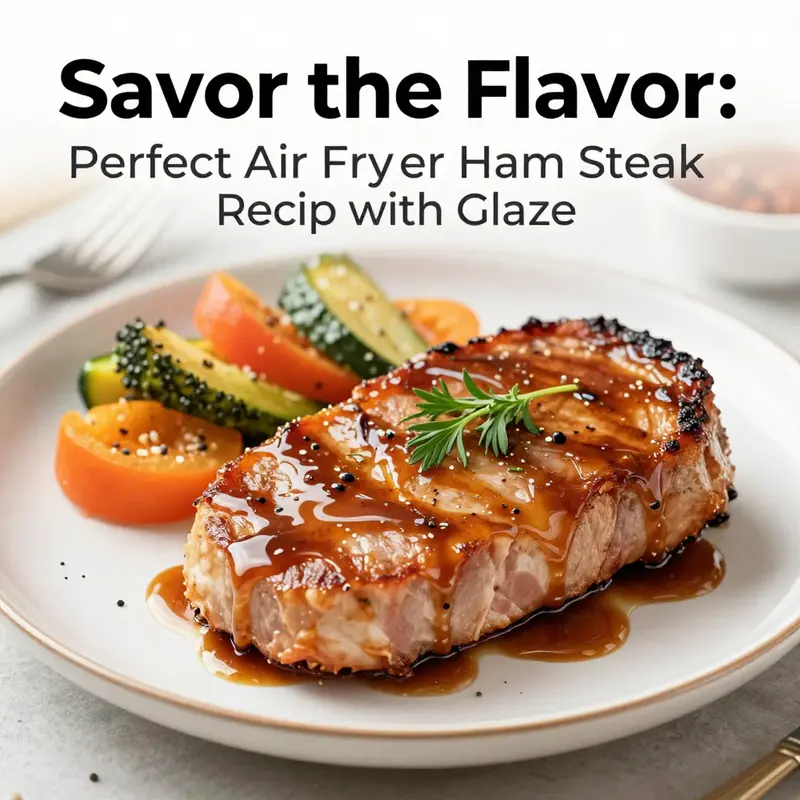
The sizzle of a hot air stream over a small ham steak can feel clinical, yet when you choreograph each movement—the drying, the glaze, the heat, the timing—you end up with a dish that feels precise and soulful. An 8-ounce ham steak, a common quick dinner component, becomes more than a simple protein; it becomes an invitation to balance contrast: a savory, slightly salty center with a sweet glaze that glazes into a glossy crust. The idea is simple, but the execution matters. Use the air fryer as a compact stage and the glaze as the lead to transform this modest slice into something celebratory, even on a tight weeknight. The method relies on pantry staples—unsalted butter, Dijon mustard, brown sugar, a touch of apple cider vinegar if you like a tart edge—resulting in an accessible and dependable dish you can repeat with consistent results.
Preparation marks the technique. Dry the ham steak thoroughly with paper towels to remove surface moisture. A dry surface promotes browning and keeps steam at bay. While the ham rests, warm your glaze in a small pan so its flavors are ready to fly onto the meat the moment the timer ticks down. The glaze is a balance: melted butter as the base to carry flavors and help it cling, Dijon for tang, brown sugar for caramel and depth. A splash of apple cider vinegar adds brightness that contrasts with the glaze. The ratio is forgiving, but the intent is precise: a glossy lacquer that adheres without sliding off and caramelizes just enough to gleam.
The air fryer should hum at a steady medium heat to develop a succulent interior and a visually appealing crust. Set the appliance to 375F (190C) and let it come to temperature first. Place the dry ham on the air fryer rack or in a small foil-supported tray, allowing air to circulate around all sides. The goal is to cook through while the surface browns, yielding a crisp edge without drying the meat.
Timing matters with glaze driven finishes. Basting only after the initial cook can work, but the reliable method is to apply the glaze during the last 2–3 minutes of cooking. The sugars need heat to melt and caramelize, but they can burn if left unattended. Brushing or spooning a thin layer onto the surface near the end lets the glaze meld with butter and mustard, forming a lacquer that gleams without scorching. The glaze thickens as heat intensifies, creating a finish that is both appealing and flavorful.
If you wish, brush on a second layer after cooking and return the ham to the air fryer for 1–2 more minutes. That finish helps the glaze set and creates a richer, crisper edge. When you lift the ham, expect an amber sheen and a glossy surface that invites a fork to reveal a tender interior.
The sensory payoff extends beyond taste to presentation. A well glazed ham steak shows a color gradient from deep amber at the edges to a lighter center, evidence of careful browning and caramelization. Finish with a light garnish of parsley or rosemary to add color and a subtle aromatic lift that complements the sweetness.
Pairing ideas keep the meal simple and cohesive: roast vegetables until blistered or pair with mashed potatoes to cradle the glaze. The goal is a single, confident main supported by minimal sides that don’t compete with the glaze. This approach delivers a complete plate without overwhelming the senses.
The technique aligns with a broader culinary principle: color, aroma, and texture guide the dish. Dry, glaze, finish, plate, and garnish. The reward is a ham steak that tastes as if it came from a more elaborate kitchen while still fitting into a quick weeknight routine.
If you want more on glaze techniques and finishing touches, seek related methods for other meats in this collection, where browning, glaze development, and thoughtful plating recur as guiding ideas. For deeper technique, you can explore sources on flexible finishing and controlled heat.
External resource: https://www.seriouseats.com/air-fryer-ham-steak-recipe
Final thoughts
The air fryer ham steak recipe with glaze proves to be an efficient and flavorful option for both home cooks and restaurant owners alike. With its sweet and savory profile, this dish can appeal to diverse tastes and can be easily commercialized in any culinary setting. By mastering the preparation and cooking techniques outlined in this article, business owners can elevate their menu offerings and provide customers with a delicious, visually appealing meal that can be prepared quickly. Embrace this recipe as a staple in your kitchen, and enjoy the enhanced dining experience it brings to your patrons.